
How Can I Prevent and Control Lawn Grubs?
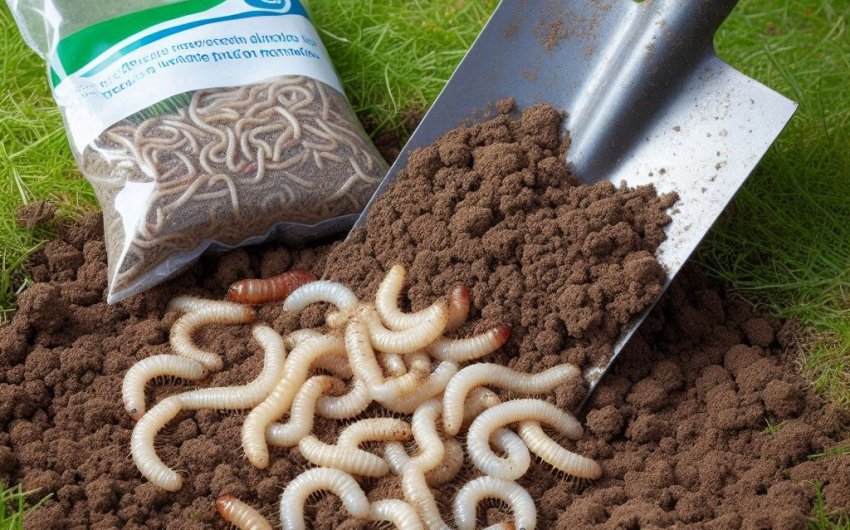
Successfully addressing how to prevent and control lawn grubs is a critical aspect of maintaining a healthy, vibrant lawn. These subterranean pests can wreak havoc on turf by feeding on grass roots, leading to unsightly damage and ultimately, the demise of your green carpet. Understanding their life cycle and implementing timely, effective strategies is key to safeguarding your lawn from their destructive presence.
What Exactly Are Lawn Grubs?
Before you can effectively prevent and control lawn grubs, it's crucial to understand what these pests are and their role in the turf ecosystem. They are not just random worms; they are the larval stage of various beetles, and their life cycle dictates when and how they cause damage.
What Do Lawn Grubs Look Like?
Lawn grubs are the C-shaped, creamy white larvae of several types of beetles, most commonly Japanese beetles, European chafers, masked chafers, and May/June beetles. They are soft-bodied, with a brown head and six small legs located just behind their head. When found in the soil, they typically curl into a distinct "C" shape. Their size can vary depending on their species and maturity, ranging from about half an inch to over an inch long.
What is Their Life Cycle?
Understanding the life cycle of lawn grubs is fundamental to effective prevention and control.
- Adult Beetle Stage (Late Spring/Early Summer): Adult beetles emerge from the soil in late spring to early summer (typically May to July, depending on the species and region). These are the familiar beetles you might see feeding on ornamental plants (like Japanese beetles) or flying around your porch lights.
- Egg Laying (Summer): After mating, the female beetles lay their eggs in the soil, usually in healthy, moist turf. They prefer well-irrigated lawns.
- Larval Stage (Summer/Fall - Most Damaging): The eggs hatch into tiny grubs, usually in mid-to-late summer (July and August). These young grubs immediately begin feeding on grass roots. As they grow through successive instars (molting stages), their appetite increases, causing the most significant lawn damage in late summer and early fall (August, September, October).
- Overwintering (Winter): As temperatures drop, the grubs burrow deeper into the soil (below the frost line) to overwinter. They become inactive during this period.
- Pupation (Spring): In the spring, as soil temperatures rise, the grubs move back closer to the surface and transform into pupae. This is a non-feeding, transitional stage.
- Emergence (Late Spring/Early Summer): Adult beetles emerge from the pupal stage, completing the cycle and restarting the process.
What Damage Do Grubs Cause?
The primary damage caused by lawn grubs is the destruction of grass roots.
- Root Severing: As grubs feed, they sever the grass roots from the soil. This prevents the grass blades from absorbing water and nutrients.
- Irregular Brown Patches: The first noticeable symptom is often irregular brown patches of turf that appear in late summer or early fall. These patches often look like drought stress, but they won't green up with watering.
- Spongy Turf: When you walk on an affected area, the turf may feel spongy underfoot because the roots no longer anchor it firmly to the soil.
- Roll Back Like a Rug: In severe infestations, the grass can be easily lifted or rolled back like a piece of carpet because there are no roots holding it down.
- Secondary Damage: Grub-infested lawns also attract grub-eating animals such as raccoons, skunks, and birds, which can cause further damage by digging up the turf to feed on the grubs.
Understanding these characteristics and the grub life cycle is essential for timely identification and effective treatment strategies to prevent and control lawn grubs in your yard.
How Can I Identify a Grub Problem?
Early and accurate identification of a grub problem is crucial for effective prevention and control lawn grubs. Often, by the time significant damage is visible, the infestation is already severe. Knowing what to look for and how to confirm their presence can save your lawn from widespread destruction.
What Are the Visible Signs of Grub Damage?
Several visible indicators suggest a potential lawn grub infestation:
- Irregular Brown Patches: The most common sign is the appearance of irregular, dying patches of grass in late summer or early fall (August-October). These patches may initially look like drought stress, but unlike drought-stressed grass, they won't recover even with ample watering.
- Spongy Feel: When you walk across the affected areas, the turf might feel unusually soft, springy, or spongy underfoot. This is because the grubs are severing the roots, making the grass less anchored to the soil.
- Easy to Pull Up/Roll Back: In severe cases, the grass in the damaged areas can be easily pulled up by hand or even rolled back like a piece of carpet, revealing the grubs underneath. The roots will be absent or severely chewed.
- Increased Animal Activity: An increase in animals digging up your lawn, such as raccoons, skunks, crows, or moles, is a strong indicator of a grub infestation. These animals feed on grubs and will tear up your turf to find them.
How Do I Perform a Grub Check (The "Sod Sample" Method)?
A direct visual check is the most reliable way to confirm the presence and severity of lawn grubs.
- Select an Area: Choose a spot where you suspect damage, especially near the edge of a dying patch or in an area where animals are digging.
- Cut a Square: Using a shovel or spade, cut a square of sod about 1 foot by 1 foot (30 cm x 30 cm) and about 2-4 inches (5-10 cm) deep. Try to keep the edges straight for easy replacement.
- Lift and Inspect: Carefully lift the sod. Shake off the excess soil and inspect the root zone and the top few inches of the soil for the presence of C-shaped grubs.
- Count the Grubs: Count the number of grubs you find in that 1-square-foot sample.
- 0-5 grubs: This is generally considered a low population that likely won't cause significant damage. No immediate treatment may be necessary, but consider preventative measures.
- 6-9 grubs: This is a moderate infestation. Damage might be present, and treatment is often recommended, especially if you've experienced grub damage in the past.
- 10+ grubs: This indicates a severe infestation. Significant damage is likely or imminent, and immediate treatment is highly recommended to protect your lawn.
- Replace Sod: After inspection, replace the sod square and water it well to help it re-establish.
When is the Best Time to Check for Grubs?
The ideal time to check for lawn grubs is when they are actively feeding and easily visible near the surface.
- Late Summer/Early Fall (August-October): This is when grubs are largest, most active, and causing the most visible damage. This is the best time to check for existing problems and confirm an infestation that might require curative treatment.
- Spring (April-May): You might find grubs closer to the surface in spring as they prepare to pupate. However, they are often smaller and cause less immediate damage at this time, and spring treatments are generally less effective than fall treatments for the upcoming grub generation.
Regularly performing these checks, especially in late summer, will help you identify lawn grub problems early, allowing for timely and effective intervention.
What Are Natural and Organic Control Methods?
For those looking to prevent and control lawn grubs without resorting to synthetic chemicals, a variety of natural and organic methods offer effective solutions. These approaches often work by disrupting the grub's life cycle or introducing natural predators, promoting a healthier and more sustainable lawn ecosystem.
How Can Milky Spore Powder Help?
Milky Spore Powder (Paenibacillus popilliae) is a natural, biological control specifically targeting Japanese beetle grubs. It's a disease that, once applied, can remain active in the soil for many years, providing long-term grub suppression.
- Mechanism: When Japanese beetle grubs ingest the spores, they become infected with a disease that kills them. The dying grubs then release billions more spores into the soil, perpetuating the disease in the grub population.
- Application: Apply the Milky Spore Powder as a dust or in granular form to your lawn, following the package directions. It's best applied when grubs are actively feeding (late summer to early fall or spring).
- Pros: Non-toxic to humans, pets, and beneficial insects; long-lasting control; very specific to Japanese beetle grubs.
- Cons: Only targets Japanese beetle grubs (not other species); takes time to establish (may not see immediate results in the first year); effectiveness can vary with soil conditions and grub populations.
How Do Nematodes Work?
Beneficial Nematodes (specifically Heterorhabditis bacteriophora and Steinernema carpocapsae) are microscopic, naturally occurring roundworms that are parasites of various insect pests, including lawn grubs.
- Mechanism: Once applied to the soil, these nematodes actively seek out grubs. They enter the grubs' bodies through natural openings and release bacteria that multiply and kill the grubs within 24-48 hours. The nematodes then reproduce inside the dead grubs.
- Application: Apply beneficial nematodes to moist soil in the late summer or early fall (mid-August to late September) when young grubs are actively feeding and close to the surface. It's crucial to apply them in the evening or on a cloudy day, and water immediately after application, as UV light and dry conditions can kill them.
- Pros: Safe for humans, pets, plants, and beneficial organisms like earthworms; effective against a wide range of grub species; can provide relatively quick control.
- Cons: Live organisms with a short shelf life (use soon after purchase); sensitive to environmental conditions (temperature, moisture, UV); requires proper application techniques.
Can Neem Oil Be Used?
Neem oil is an organic insecticide extracted from the neem tree. It works as an antifeedant, growth disruptor, and repellent for various insects, including some grub species.
- Mechanism: When ingested by grubs, neem oil disrupts their hormones, preventing them from developing properly. It can also deter adult beetles from laying eggs.
- Application: Dilute neem oil concentrate with water and apply as a drench to the affected lawn areas. Timing is key: apply when grubs are young and actively feeding (late summer/early fall) or during adult beetle emergence to deter egg laying.
- Pros: Organic and biodegradable; generally safe for beneficial insects once dry; effective against multiple pest stages.
- Cons: Less effective against mature, larger grubs; requires consistent reapplication; can be less reliable than other methods for severe infestations.
How Do I Use Diatomaceous Earth?
Diatomaceous Earth (DE) is a natural powder made from the fossilized remains of diatoms. It works by physical action, not chemical, to kill insects.
- Mechanism: When grubs crawl through DE, the sharp, microscopic edges of the diatoms abrade their waxy exoskeleton, causing them to dehydrate and die.
- Application: Sprinkle food-grade diatomaceous earth evenly over the affected areas of your lawn. It needs to be dry to be effective, so reapply after rain or heavy watering.
- Pros: Natural and non-toxic; very safe for humans and pets; long-lasting if kept dry.
- Cons: Can be irritating to eyes and respiratory system during application (wear a mask); only effective on grubs near the surface; water-soluble, requiring reapplication after rain; can harm beneficial insects like earthworms if applied indiscriminately.
By integrating these natural and organic methods into your lawn care regimen, you can effectively prevent and control lawn grubs while promoting a healthier, chemical-free environment.
What Are Chemical Control Methods?
When natural methods aren't sufficient or if you're facing a severe, established infestation, chemical solutions can provide more immediate and potent results for preventing and controlling lawn grubs. These products are typically categorized as either preventative or curative, and choosing the right type at the correct time is essential for success.
When Should I Use Preventative Treatments?
Preventative grub control targets newly hatched grubs before they start causing significant damage. These products typically contain active ingredients like imidacloprid, chlorantraniliprole, or clothianidin.
- Timing: Apply preventative grub control products in late spring to early summer (typically April to June), before grub eggs hatch. This allows the active ingredient to be absorbed into the grass roots by the time the young grubs emerge and begin feeding.
- Mechanism: The chemical is absorbed by the grass roots, making them toxic to the grubs when they feed. The grubs either die or are unable to develop properly.
- Pros: Highly effective at preventing grub damage; a single application can provide season-long control.
- Cons: Does not kill existing, mature grubs; must be applied before damage occurs; some active ingredients can be harmful to pollinators if not applied carefully or if flowering weeds are present in the lawn; requires proper timing. A common preventative product is BioAdvanced 24 Hour Grub Killer Plus.
When Should I Use Curative Treatments?
Curative grub control is used when you already have an active infestation and are seeing signs of damage. These products typically contain active ingredients like trichlorfon or carbaryl.
- Timing: Apply curative grub control products in late summer to early fall (August to October) when grubs are actively feeding and causing damage, or in the spring if grubs are present near the surface. These chemicals work quickly to kill existing grubs.
- Mechanism: Curative products typically work as a contact or stomach poison, killing grubs soon after they come into contact with or ingest the treated grass roots.
- Pros: Kills existing grubs and stops active damage; provides relatively quick results.
- Cons: Less effective on very mature grubs; requires immediate action once damage is noticed; often has a shorter residual effect than preventatives; some active ingredients may have higher toxicity to non-target organisms. An example of a curative product is Sevin Lawn Insect Granules.
What are Important Considerations for Chemical Application?
Using chemical controls for lawn grubs requires careful attention to safety and proper application.
- Read Labels Carefully: Always read and follow the instructions on the product label precisely. This includes application rates, safety precautions (wearing gloves, eye protection), and watering instructions.
- Timing is Key: Apply products at the correct time in the grub's life cycle for maximum effectiveness. Mis-timing can render the treatment useless.
- Watering: Most granular grub control products require watering immediately after application to move the chemical into the soil profile where the grubs are feeding.
- Mowing: Avoid mowing immediately before or after application, as this can affect product absorption or disrupt the granular layer.
- Environmental Impact: Be mindful of runoff into storm drains or waterways. Consider the impact on beneficial insects, especially pollinators, and choose products or timing that minimize harm to them. Avoid applying near blooming plants where bees are active.
- Pet and Child Safety: Keep pets and children off the treated area until the product has dried or settled and the recommended re-entry interval has passed, as stated on the label.
While chemical controls can be very effective for preventing and controlling lawn grubs, they should be used judiciously and as part of an integrated pest management strategy.
What Are Cultural Practices to Prevent Grubs?
Beyond specific grub treatments, several good cultural practices for lawn care can significantly contribute to preventing and controlling lawn grubs by creating an environment less hospitable to them and promoting a healthier, more resilient lawn. These are the foundation of long-term grub management.
How Does Proper Mowing Help?
Your mowing habits play a significant role in lawn health and grub prevention.
- Higher Mowing Height: Mow your lawn at the highest recommended height for your grass type, typically 2.5-3.5 inches. Taller grass blades encourage deeper root growth, which makes the lawn more tolerant to grub feeding. It also shades the soil, keeping it cooler and slightly less attractive to egg-laying beetles.
- Sharp Blades: Always use a sharp lawnmower blade. Dull blades tear the grass, making it more susceptible to stress and disease, which can attract pests.
- Leave Clippings: If you mow regularly and adhere to the "one-third rule" (never removing more than one-third of the blade height at once), leave the grass clippings on the lawn. They break down quickly, returning valuable nutrients and organic matter to the soil, which supports beneficial soil microbes that can help decompose grub eggs and young grubs.
How Does Smart Watering Help?
Watering practices directly influence whether your lawn is an attractive egg-laying site for beetles.
- Water Deeply and Infrequently: Water your lawn deeply enough to moisten the soil to a depth of 6-8 inches, then allow the top few inches of soil to dry out completely before watering again.
- Avoid Daily Sprinkling: Frequent, shallow watering keeps the top inch or two of soil consistently moist, which is exactly what adult beetles prefer for laying their eggs. By allowing the surface to dry out, you make your lawn less appealing for egg laying.
- Timing: Water in the early morning to allow the grass blades to dry off before evening, reducing the risk of fungal diseases.
Why is Aeration and Dethatching Important?
Good soil health and reduced thatch are key to a resilient lawn that can better withstand grub pressure.
- Aeration: Core aeration (removing small plugs of soil) improves air circulation and water penetration into the soil. This encourages stronger, deeper root growth, making the lawn less vulnerable to grub feeding. It also helps alleviate compaction, which is crucial for overall lawn health. Aerate annually or biennially, depending on soil type and traffic. Consider renting a core aerator for larger lawns.
- Dethatching: Excessive thatch (a layer of dead organic matter between the grass blades and the soil surface) can provide a protective environment for grubs and make it harder for insecticides or beneficial nematodes to reach them. Dethatch your lawn if the thatch layer is more than half an inch thick. Use a power rake dethatcher for larger areas.
How Does Proper Fertilization Help?
Balanced nutrition promotes vigorous root growth, which helps your lawn recover from minor grub damage.
- Avoid Over-Fertilizing: Excessive nitrogen can lead to rapid top growth but weaker roots, making the lawn more susceptible to damage.
- Balanced Nutrients: Use a balanced fertilizer based on a soil test. Healthy soil supports a strong root system.
- Organic Fertilizers: Consider using organic lawn fertilizers, which can slowly release nutrients and improve soil structure, fostering beneficial microbial activity that helps break down organic matter and potentially disrupt grub life cycles.
Can Overseeding Help?
Overseeding (sowing new grass seed into an existing lawn) after cultural practices or treatments can help your lawn recover and fill in damaged areas.
- Fill in Bare Spots: If grubs have created bare patches, overseeding helps to establish new grass, improving the lawn's density and appearance.
- Choose Resilient Varieties: If you're in an area prone to grub issues, consider using grass seed varieties that are known to be more tolerant to root damage or have endophytes (natural fungi within the grass that can deter some insects).
By consistently implementing these cultural practices, you create a robust, healthy lawn that is naturally more resistant to the pressures of lawn grubs and better able to recover from any minor feeding.
What is an Integrated Pest Management (IPM) Approach?
An Integrated Pest Management (IPM) approach to prevent and control lawn grubs is a comprehensive, holistic strategy that combines various methods to manage pests in an environmentally sensitive and effective manner. Instead of relying solely on one solution, IPM emphasizes prevention, monitoring, and using the least toxic options first.
What are the Principles of IPM?
IPM for lawn grubs is built on several key principles:
- Prevention: The first line of defense is to create a healthy lawn that is naturally resistant to grubs. This includes proper mowing, watering, and fertilization practices that promote vigorous root growth and discourage egg-laying beetles.
- Monitoring and Identification: Regularly inspect your lawn for signs of grubs and confirm their presence with a grub check. Accurate identification of the grub species and knowing its life cycle helps in choosing the right treatment at the right time. Don't treat unless you have a confirmed problem and sufficient grub numbers to warrant intervention.
- Thresholds: Understand that a small number of grubs (e.g., less than 5-10 per square foot) might not cause significant damage. IPM encourages treating only when pest populations reach a level that is likely to cause unacceptable damage (the "action threshold").
- Cultural Controls: Prioritize cultural practices (mowing height, watering, aeration, dethatching) that improve lawn health and make it less appealing to grubs. These are often the most sustainable and long-term solutions.
- Biological Controls: Utilize natural enemies and biological products. This includes applying beneficial nematodes or Milky Spore for specific grub species. These are generally safer for the environment and non-target organisms.
- Chemical Controls (Last Resort): Use chemical insecticides only when other methods are insufficient or when grub populations are severe and immediate action is required. When using chemicals, select targeted products with lower toxicity where possible, and always follow label instructions precisely to minimize environmental impact.
How Do I Implement IPM for Grubs?
Implementing an IPM strategy for lawn grubs involves a sequence of thoughtful actions:
- Assess Your Lawn: Start by evaluating your lawn's current health, soil type, and historical grub problems.
- Optimize Cultural Practices: Ensure you are mowing at the correct height, watering deeply and infrequently, and addressing any compaction issues through aeration. Maintain proper soil pH and nutrient levels. These practices make your lawn more resilient.
- Monitor Regularly: In late summer and early fall, actively look for signs of grub damage (brown patches, spongy turf, digging animals). Conduct grub checks in suspicious areas.
- Determine Action Threshold: If you find grubs, count them. If the count is consistently above 5-10 grubs per square foot, intervention is likely needed. If it's a sporadic issue with low numbers, continued monitoring and preventative measures might be enough.
- Choose the Right Control:
- Prevention (Spring/Early Summer): If you have a history of grub problems and want to proactively prevent damage, consider applying a preventative chemical or beneficial nematodes (for the next generation of grubs).
- Curative (Late Summer/Early Fall): If you find high numbers of young, actively feeding grubs and are seeing damage, apply a curative chemical or beneficial nematodes immediately.
- Milky Spore: Consider applying Milky Spore for long-term control of Japanese beetle grubs, understanding it takes time to establish.
- Aftercare: After treatment or if damage has occurred, overseed bare patches to help the lawn recover and thicken up.
- Evaluate and Adjust: Observe the effectiveness of your chosen methods. If problems persist, reassess your approach and adjust your strategies for the following year.
By adopting an IPM approach, you can effectively prevent and control lawn grubs in a way that is both powerful and responsible, leading to a healthier and more sustainable lawn.