
What Is the Proper Way to Reseed Bare Spots in My Lawn?
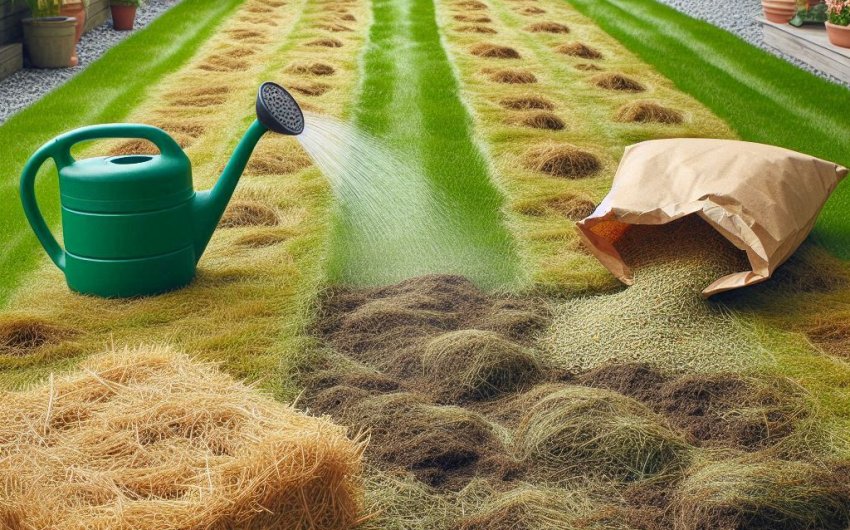
Addressing unsightly patches of missing turf is a common challenge for homeowners striving for a lush, uniform lawn. Understanding what is the proper way to reseed bare spots in my lawn is essential for successfully restoring its vibrant green appearance. Simply scattering seeds rarely yields satisfactory results; instead, a methodical approach involving careful preparation, appropriate seed selection, and consistent aftercare is vital. By following proven techniques, you can effectively repair these sparse areas, seamlessly blending them with the existing grass and enhancing your yard's overall appeal.
Why Do Bare Spots Appear in Lawns?
Bare spots in a lawn can be frustrating, but understanding their root causes is the first step toward effective and lasting repair. They rarely appear without reason; often, multiple factors contribute to the problem.
High Foot Traffic or Compaction:
- Explanation: Areas that experience frequent walking, playing, or even the repeated path of a lawnmower can suffer from soil compaction. Compacted soil is dense, making it difficult for grass roots to penetrate and for water, air, and nutrients to reach the roots.
- Result: Grass in these areas weakens, thins out, and eventually dies, leaving bare patches. This is common near gates, pathways, swing sets, or favorite shortcuts. A Yard Aerator can help alleviate compaction.
Pet Urine:
- Explanation: Dog and cat urine contains high concentrations of nitrogen salts, which can "burn" grass, much like an overdose of fertilizer. Female dog urine, in particular, is often cited due to its tendency to pool in one spot.
- Result: A common pattern is a dead spot with a ring of unusually dark green grass around it, where the urine was diluted enough to act as a fertilizer. Using Pet Spot Repair Seed can address this.
Insect Pests:
- Explanation: Various lawn pests feed on grass roots or blades, weakening and eventually killing the turf.
- Common Pests:
- Grubs: Larvae of beetles (like Japanese beetles or June bugs) that feed on grass roots, causing patches of grass to turn brown and easily lift up like a carpet.
- Chinch Bugs: Tiny insects that suck sap from grass blades, causing irregular brown patches that mimic drought stress.
- Sod Webworms: Caterpillars that feed on grass blades near the soil surface.
- Result: Irregularly shaped brown or dead patches that often expand over time. An Insecticide for Lawns may be needed.
Fungal Diseases:
Advertisement- Explanation: Fungal pathogens can cause various lawn diseases, especially in conditions of high humidity, excessive moisture, or improper watering/fertilizing.
- Common Diseases:
- Brown Patch: Large, circular patches of brown, thinning grass.
- Dollar Spot: Small, silver-dollar-sized circular patches of straw-colored grass.
- Red Thread: Reddish threads extending from grass blades.
- Result: Discolored, dead, or dying patches that often have distinct shapes or patterns. Using a Lawn Fungicide can treat these issues.
Lack of Sunlight:
- Explanation: Most turfgrasses require a significant amount of direct sunlight (at least 4-6 hours per day). Areas heavily shaded by trees, shrubs, or buildings may not receive enough light to sustain healthy growth.
- Result: Thin, weak, or completely bare spots, particularly under dense tree canopies. For shaded areas, consider a Shade Tolerant Grass Seed Mix.
Nutrient Deficiencies or Imbalances:
- Explanation: Soil lacking essential nutrients or having an imbalance (e.g., incorrect pH) can stress grass, making it weak and susceptible to other problems.
- Result: Patches of yellowing, thinning, or dying grass. A Soil Test Kit can identify issues.
Environmental Stress:
- Drought: Prolonged periods without water can cause grass to go dormant or die in localized spots, especially if those areas are elevated or have poor soil moisture retention.
- Excessive Heat: Extreme temperatures can stress certain grass types beyond their tolerance.
- Freezing/Winterkill: Harsh winters can damage or kill grass, leading to bare patches in spring.
Chemical Spills or Misapplications:
- Explanation: Spills of gasoline, oil, or over-application of fertilizers or herbicides can burn and kill grass.
- Result: Sharply defined dead patches, often matching the shape of the spill.
Before attempting to reseed, always identify and address the underlying cause of the bare spot. Otherwise, the problem is likely to recur, undermining all your reseeding efforts. This initial diagnosis is crucial to understanding what is the proper way to reseed bare spots in my lawn.
When Is the Best Time to Reseed Bare Spots?
Timing is arguably the most critical factor for successful reseeding. Planting grass seed at the right time ensures optimal germination and establishment, giving the new seedlings the best chance to thrive before facing environmental stresses. The ideal time depends largely on your climate zone and the type of grass you are planting (cool-season vs. warm-season).
1. For Cool-Season Grasses (e.g., Kentucky Bluegrass, Fescues, Perennial Ryegrass):
Cool-season grasses grow best in temperatures between 60°F and 75°F (15°C and 24°C).
Best Time: Late Summer to Early Fall (Most Recommended)
- Why: This is the absolute best time for cool-season grass seeding.
- Warm Soil: The soil is still warm from summer, which helps speed up seed germination.
- Cooling Air: Air temperatures are beginning to cool down, which is ideal for seedling growth.
- Fewer Weeds: Most annual weeds are starting to die back, reducing competition for the new grass.
- Adequate Moisture: Fall often brings more consistent rainfall, reducing the need for constant supplemental watering.
- Establishment Before Winter: The young grass plants have several weeks (typically 6-8 weeks) to establish a strong root system before the first hard frost, allowing them to better survive winter.
- Specific Timing: Aim for late August through September or early October, depending on your region's first frost date. You want enough time for the seedlings to develop before temperatures consistently drop below 40°F (4°C).
- Why: This is the absolute best time for cool-season grass seeding.
Second Best Time: Early Spring
- Why: While not as ideal as fall, early spring (March to early May) is an acceptable alternative if you missed the fall window.
- Cool Temperatures: Provides favorable temperatures for germination and early growth.
- Spring Rains: Often coincides with natural rainfall.
- Challenges:
- Weed Competition: Spring is also peak germination time for many aggressive weeds, which will compete with your new grass seedlings for water, nutrients, and sunlight.
- Summer Stress: Young grass plants, with their shallow root systems, will face the intense heat and potential drought of summer much sooner, requiring meticulous watering to survive. You may need a Hand Sprinkler for consistent watering.
- Specific Timing: As soon as the soil is workable and the danger of hard frost has passed.
- Why: While not as ideal as fall, early spring (March to early May) is an acceptable alternative if you missed the fall window.
2. For Warm-Season Grasses (e.g., Bermudagrass, Zoysiagrass, St. Augustinegrass, Buffalograss):
Warm-season grasses thrive in temperatures between 80°F and 95°F (26°C and 35°C).
Best Time: Late Spring to Early Summer
- Why: This is when soil temperatures are consistently warm, which is crucial for the germination and rapid growth of warm-season grass seeds.
- Warmth and Sunlight: Abundant heat and sun provide the energy these grasses need to establish quickly.
- Growing Season: They have the entire summer growing season to develop strong root systems before the cooler temperatures of fall and winter.
- Specific Timing: May through June, or even early July in very warm climates, depending on when sustained warm temperatures arrive.
- Why: This is when soil temperatures are consistently warm, which is crucial for the germination and rapid growth of warm-season grass seeds.
Avoid Fall Seeding: Planting warm-season grass in the fall is generally not recommended as the young seedlings will not have enough time to establish before cold weather sets in, making them vulnerable to winterkill.
3. General Considerations for Any Grass Type:
- Avoid Extreme Temperatures: Do not attempt to reseed during the peak of summer heat or in the dead of winter. Extreme temperatures will either prevent germination or kill tender seedlings.
- Soil Temperature is Key: Air temperature can be misleading. Use a Soil Thermometer to ensure the soil temperature is within the optimal range for your chosen grass type.
- Rainfall Patterns: Consider your local rainfall patterns. Natural rainfall can be a blessing for new seedlings, reducing your watering burden.
- Herbicide History: If you've applied any herbicides to your lawn, check the product label for "reseeding intervals." Many herbicides have residual effects that can prevent grass seed from germinating for several weeks or months.
By choosing the optimal planting window, you significantly increase the chances of successful germination and establishment, mastering the initial steps of what is the proper way to reseed bare spots in my lawn.
What Tools and Materials Do I Need for Reseeding?
Having the right tools and materials ready before you start will make the reseeding process smoother and more effective. Many of these items can be found at your local garden center or hardware store.
Essential Tools:
- Stiff Rake or Hand Cultivator:
- Purpose: To clear out dead grass, debris, and to loosen the soil surface. A Garden Rake is versatile.
- Why: Seeds need direct contact with loosened soil to germinate effectively.
- Hand Trowel or Small Shovel:
- Purpose: For digging out stubborn weeds, removing large debris, and mixing in soil amendments for smaller spots.
- Garden Hose with a Fine Spray Nozzle or Watering Can:
- Purpose: To provide gentle, consistent moisture to the newly seeded area without washing away seeds. A Watering Wand offers a gentle shower.
- Why: Overly strong sprays can displace seeds.
- Broadcast Spreader (for larger areas) or Hand Spreader (for small spots):
- Purpose: To ensure even distribution of grass seed and starter fertilizer. A Handheld Spreader is perfect for bare spots.
- Why: Uneven spreading can lead to patchy growth.
- Garden Gloves:
- Purpose: To protect your hands from soil, tools, and any potential irritants.
- Push Broom or Light Roller (Optional but Recommended):
- Purpose: To gently press seeds into good contact with the soil after spreading.
- Why: Good seed-to-soil contact is crucial for germination. A Lawn Roller can be rented for larger jobs.
Essential Materials:
- Grass Seed:
- Type: Crucially, select a grass seed that matches your existing lawn type (e.g., Kentucky Bluegrass, Tall Fescue, Bermudagrass, Zoysiagrass). If unsure, choose a general-purpose lawn repair mix that includes varieties suitable for your climate zone.
- Quality: Buy fresh, high-quality seed from a reputable supplier. Check the seed label for the purity and germination rates.
- Amount: Calculate the square footage of your bare spots and purchase enough seed for that area, following the coverage rates on the package. It's often wise to buy a little extra for future touch-ups. A bag of Premium Grass Seed specific to your region is key.
- Topsoil or Potting Mix:
- Purpose: To fill in depressions, cover exposed roots, and provide a fresh, fertile bed for new seeds.
- Type: Use a good quality, sterile topsoil or a seed-starting potting mix. Avoid heavy garden soil that may compact easily. A bag of Enriched Topsoil can fill depressions.
- Starter Fertilizer:
- Purpose: Provides essential nutrients (especially phosphorus, the middle number in N-P-K) that young grass seedlings need for strong root development.
- Type: Look for a "starter fertilizer" specifically formulated for new lawns or seeding. They typically have a higher phosphorus content. A box of Lawn Starter Fertilizer is recommended.
- Caution: Do not use a "weed and feed" product or a pre-emergent herbicide, as these will prevent new grass seed from germinating.
- Straw or Seed-Germination Blanket (Optional but Highly Recommended):
- Purpose: To lightly cover the newly seeded area.
- Benefits:
- Moisture Retention: Helps keep the soil consistently moist, which is crucial for germination.
- Erosion Control: Prevents seeds from washing away in heavy rain or blowing away in wind.
- Bird Protection: Deters birds from eating the seeds.
- Temperature Regulation: Provides a bit of insulation.
- Type: Use weed-free straw (not hay, which contains weed seeds) or a specially designed Seed Germination Mat. Apply a very thin layer—you should still be able to see about 50% of the soil through the straw.
By gathering these tools and materials in advance, you'll be well-prepared to execute what is the proper way to reseed bare spots in my lawn efficiently and effectively.
What is the Step-by-Step Process for Reseeding Bare Spots?
Reseeding bare spots is more than just scattering seed; it's a careful, multi-step process that maximizes the chances of successful germination and strong new grass growth. Each step plays a crucial role in creating a healthy environment for your new lawn.
Step 1: Prepare the Bare Spot
This is arguably the most critical step. Proper preparation ensures good seed-to-soil contact and removes obstacles to new growth.
- Clear the Area:
- Remove Debris: Use a rake, hand trowel, or shovel to remove any dead grass, weeds (dig them out entirely, including roots), rocks, twigs, or other debris from the bare spot.
- Address the Cause: Remember to fix the underlying problem that caused the bare spot (e.g., improve drainage, reduce compaction, address pest issues) before reseeding. If not, the bare spot will likely return.
- Loosen the Soil:
- Why: Compacted or hard soil will prevent new roots from growing.
- How: Use a stiff rake, a hand cultivator, or a garden fork to aggressively loosen the top 2-3 inches of soil. For very hard spots, you might need to stomp on the rake tines to break up the soil. The goal is to create a loose, crumbly seedbed. A Rotary Cultivator can be useful for larger areas.
- Amend the Soil (If Needed):
- Why: To improve soil fertility, drainage, and moisture retention.
- How: If your soil is poor, mix in a thin layer (1/2 to 1 inch) of good quality topsoil, compost, or seed-starting mix with the loosened native soil. Blend it thoroughly.
Step 2: Apply Seed and Starter Fertilizer
Precise application ensures even coverage and provides essential nutrients for the new seedlings.
- Apply Starter Fertilizer:
- Why: Starter fertilizers provide a boost of phosphorus, which is vital for strong root development in young grass.
- How: Use a small hand spreader or follow package directions to sprinkle a starter fertilizer over the prepared bare spot. Apply at the recommended rate. Do not use a "weed and feed" product, as it will prevent seed germination.
- Spread Grass Seed:
- Why: Even distribution is key for uniform growth.
- How: Use a hand spreader or carefully sprinkle the appropriate grass seed over the prepared area.
- Follow Package Rates: Pay close attention to the seeding rate recommended on the grass seed package. Over-seeding can lead to overcrowded, weak seedlings that compete too much. Under-seeding leads to thin growth.
- Cross-Hatch Pattern: For better coverage, spread half the seed walking in one direction, and the other half walking perpendicular to the first.
- Match Existing Grass: Ensure the seed type matches your existing lawn for a seamless blend.
Step 3: Ensure Good Seed-to-Soil Contact
This step is critical for germination. Seeds need to be nestled directly in the soil, not just sitting on top.
- Lightly Rake In:
- Why: To gently bury the seeds just beneath the surface.
- How: Use the back of your rake to lightly scratch the seeds into the top 1/8 to 1/4 inch of soil. You should still be able to see some seeds, but they shouldn't be completely exposed.
- Gently Compact (Optional but Recommended):
- Why: To firm the soil around the seeds, creating good contact.
- How: For small spots, you can gently walk over the area or lightly pat it down with the back of a shovel. For larger areas, use a light lawn roller or a push broom on its side to gently press the seeds into the soil.
Step 4: Cover with a Thin Layer of Mulch (Highly Recommended)
This protective layer is a game-changer for seedling survival.
- Apply Weed-Free Straw or Seed Germination Blanket:
- Why: This crucial step helps retain moisture, prevents seeds from washing away in rain, blowing away in wind, or being eaten by birds. It also moderates soil temperature.
- How: Spread a very thin layer of weed-free straw (straw, not hay, which contains weed seeds) over the seeded area. You should still be able to see at least 50% of the soil through the straw. Alternatively, use a specialty Seed Germination Blanket, which can be cut to size.
Step 5: Consistent Watering (The Most Crucial Aftercare Step)
New grass seeds need constant moisture to germinate and establish. This is where most reseeding efforts fail.
- Keep the Soil Consistently Moist, Not Soggy:
- Frequency: Water lightly but frequently, several times a day (2-4 times, depending on temperature and sun exposure), for short durations. The goal is to keep the top inch or two of soil continuously damp.
- How: Use a gentle spray nozzle or watering can to avoid washing away the seeds. The straw or blanket will help with this.
- Duration: Continue this frequent, light watering until the grass seedlings are about 1-2 inches tall and have developed a basic root system (typically 2-4 weeks, depending on grass type and conditions). A Programmable Sprinkler Timer can automate this.
- Gradually Reduce Watering:
- Why: Once established, young grass needs deep, less frequent watering to encourage roots to grow deeper.
- How: Over the next few weeks, gradually reduce the frequency of watering while increasing the duration. For example, instead of watering 3 times a day for 5 minutes, switch to once a day for 15 minutes, then every other day for longer periods, eventually moving to your normal lawn watering schedule.
Step 6: First Mowing and Ongoing Care
- First Mowing:
- When: Wait until the new grass seedlings are at least 3-4 inches tall before their first mowing. Ensure the soil is dry enough that your mower won't rut the ground or pull up young plants.
- How: Set your Lawn Mower to its highest setting. A sharp blade is essential to prevent tearing the tender grass.
- Ongoing Care:
- Fertilization: Once the new grass is well-established (after about 6-8 weeks for cool-season, or after a few months for warm-season), you can switch to your regular lawn fertilization schedule.
- Weed Control: Be cautious with weed killers on new grass. Most herbicides are not safe for young seedlings until they have been mowed several times (check product labels for specific instructions). Hand-pulling weeds is best for newly reseeded areas.
By meticulously following these steps, you will successfully restore your lawn's uniform beauty, demonstrating what is the proper way to reseed bare spots in my lawn.