
How to Rejuvenate Lawns Damaged by Rodent Activity?
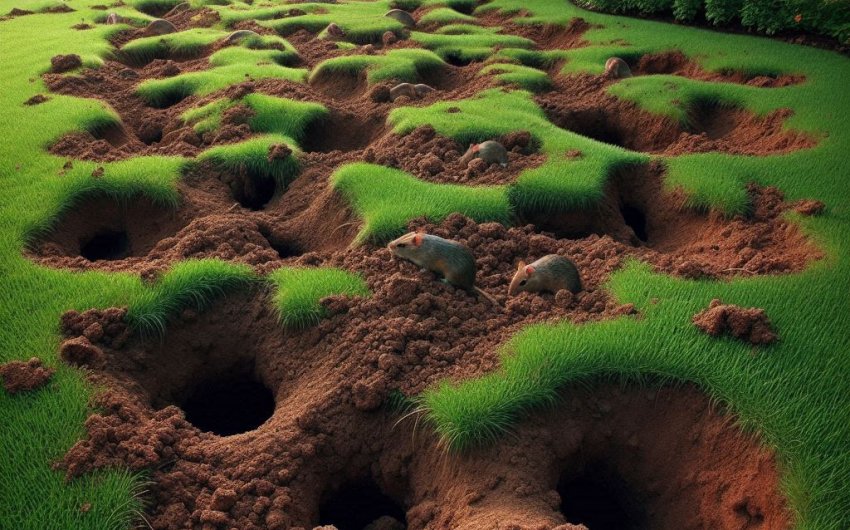
Discovering unsightly tunnels, mounds of dirt, and trails of dead grass across your meticulously maintained green expanse can be incredibly frustrating for any homeowner. Rodent activity in the lawn is a common and persistent problem, with creatures like voles, moles, gophers, and sometimes even squirrels leaving behind a trail of destruction. Beyond the aesthetic damage, their burrowing habits can disrupt root systems, create tripping hazards, and lead to widespread turf loss. But don't despair! While dealing with the pests themselves is crucial, understanding how to rejuvenate lawns damaged by rodent activity is the next vital step to restoring your turf to its former glory. Let's dig into the strategies for assessment, repair, and long-term prevention to reclaim your perfect lawn.
What Kind of Rodents Damage Lawns? (Know Your Enemy)
Before you can effectively repair your lawn, it's essential to understand which common culprits might be causing the damage. Different rodents leave different clues, and knowing who you're dealing with will influence both your pest control strategy and your lawn repair approach.
Moles: The Tunneling Terrors
- Appearance: Moles are small, dark, cylindrical mammals with very large, paddle-like front paws designed for digging. They have tiny eyes and ears hidden by fur.
- Damage Signature: Moles are insectivores, meaning they primarily eat earthworms, grubs, and other soil insects. They don't eat plants or grass roots directly. However, their tunneling causes significant disruption.
- Surface Tunnels/Runways: These are raised ridges or tunnels visible just beneath the surface of the grass. They create these as they hunt for food, pushing up the turf. These tunnels feel squishy when you step on them.
- Molehills: Cone-shaped mounds of soil, usually about 6-12 inches high, which are created when the mole excavates deeper tunnels for living and nesting.
- Impact on Lawn:
- Root Disruption: As moles tunnel just beneath the surface, they lift the turf, severing the roots of the grass. This deprives the grass of water and nutrients, leading to yellowing, browning, and eventual death of the affected strips of lawn.
- Uneven Surface: The network of tunnels creates an uneven, spongy lawn surface, making it difficult to walk on or mow.
- Activity Period: Active year-round, but damage is often most visible in spring and fall when soil is moist, and after rainfall.
Voles: The Root Eaters (Often Mistaken for Moles)
- Appearance: Voles are often mistaken for mice, but they are stockier, with shorter tails, smaller ears, and duller eyes.
- Damage Signature: Voles are rodents, primarily herbivores. They feed on a wide variety of plants, including grass, bulbs, roots, and tree bark.
- Surface Runways: Very distinct, narrow, trough-like runways (about 1-2 inches wide) visible at the surface of the lawn, often hidden under dense grass or snow cover. They use these runways repeatedly. Unlike mole tunnels, these are not raised mounds but rather pathways where grass has been eaten or trampled.
- Entry Holes: Small, neat, circular holes (about 1.5 inches in diameter) that lead to shallow underground burrows. These holes usually do not have a mound of dirt around them, distinguishing them from gopher holes.
- Root Damage: They chew on grass roots, leading to dead patches of lawn that are often easily lifted, as the root system is gone.
- Impact on Lawn:
- Dead Patches: Directly eat grass roots, causing irregular dead or dying patches of lawn.
- Girdling: Can also chew the bark off trees and shrubs at the base, especially under snow cover, which can kill the plant.
- Activity Period: Active year-round, often more noticeable in winter under snow or in spring when snow melts.
Gophers: The Mounding Menaces
- Appearance: Gophers (pocket gophers) are medium-sized rodents known for their large external cheek pouches used for carrying food.
- Damage Signature: Gophers are highly destructive to lawns and gardens as they create extensive burrow systems and feed on roots.
- Fan-Shaped Mounds: Distinctive, fan-shaped or horseshoe-shaped mounds of loose soil (often 6-12 inches in diameter) at the surface of the lawn. The dirt is pushed out from a plugged entrance hole, which is often visible to one side of the mound. This is their definitive sign.
- Root Severing: They tunnel directly through the root zone, often eating roots as they go.
- Pulling Plants Under: They can pull entire plants (flowers, small vegetables) from the surface down into their burrows.
- Impact on Lawn:
- Large Dead Patches: Entire sections of lawn can suddenly die as their roots are severed or eaten.
- Tripping Hazards: The mounds are a significant aesthetic nuisance and can create hazards.
- Extensive Damage: A single gopher can create multiple mounds in a day, causing rapid and widespread destruction.
- Activity Period: Active year-round, but often more noticeable in spring and fall when digging conditions are easier.
Other Occasional Lawn Pests
- Skunks/Raccoons: While not rodents, these larger animals can cause significant lawn damage as they dig for grubs and insects (their food source). Their damage appears as ripped-up patches of turf, typically in search of lawn grubs.
- Squirrels: Can dig small, individual holes in the lawn to bury nuts or dig up buried ones. This is usually isolated damage, not extensive tunneling.
Knowing which pest is causing the damage is the first step in effective management. This allows you to choose the right control methods before beginning your lawn rejuvenation.
How Do I Repair Lawn Damage from Moles?
Mole damage, while not from feeding on grass, is highly disruptive. The key to repair is flattening tunnels and promoting healthy root re-establishment.
Step 1: Confirm Mole Activity Has Ceased (or is Under Control)
- Crucial First Step: Do NOT begin extensive repair until you are sure the moles have been managed. If you repair and they're still active, they'll just re-tunnel and undo your work.
- Monitor: Check for new molehills or active tunnels for a few days or weeks. Fresh molehills have loose, dark, clumpy soil. Active tunnels will be re-raised shortly after you flatten them.
- Pest Control: If moles are still active, you need to implement control measures. This might involve:
- Trapping: Humane traps or lethal traps placed directly in active tunnels are often the most effective DIY method. A mole trap can be effective.
- Baits: Specific mole baits (containing chemicals that moles eat) can be used, but require careful placement to avoid harming other animals.
- Repellents: Granular or liquid repellents (often castor oil-based) can deter moles, making their food sources less appealing. A Bonide MoleMax Granules can deter them.
- Professional Exterminators: For severe or persistent infestations, hiring a professional is often the most effective option.
Step 2: Flatten Mole Tunnels and Molehills
Once activity has ceased, you can begin the physical repair.
- Flatten Tunnels: Walk over the raised mole tunnels, gently but firmly pressing the turf back down. You can use your foot, a garden roller, or the back of a rake. The goal is to reconnect the severed grass roots with the soil below.
- Why: This immediate flattening helps to re-establish contact between the grass roots and the soil, allowing the turf to re-anchor and re-absorb water and nutrients.
- Disperse Molehill Soil: Use a rake or shovel to spread the soil from molehills thinly over the surrounding lawn. This adds a top dressing of fresh soil and prevents large mounds from killing the grass underneath.
- Avoid: Don't leave thick layers of molehill soil on top of existing grass, as it can smother it.
- Fill Sunken Areas: If severe tunneling has created sunken spots, you might need to add a thin layer of topsoil or a soil-sand mixture before raking level.
Step 3: Re-seed or Patch Damaged Areas
After flattening, you'll likely have areas of weakened, yellowed, or dead grass that need a boost.
- For Weakened/Yellowed Areas: If the grass roots haven't been completely severed for too long, the grass may recover on its own after flattening and good watering.
- Action: Water these areas well to encourage root re-establishment.
- For Dead or Heavily Damaged Patches: These areas will need to be re-seeded or patched.
- Rake and Prepare: Lightly rake the bare or very thin patches to loosen the soil surface. Remove any remaining dead grass or debris.
- Overseeding: Spread a high-quality grass seed blend appropriate for your climate and sun conditions over the prepared areas. Lightly rake it in so the seeds have good contact with the soil. A Jonathan Green Black Beauty Grass Seed is a good choice for dense turf.
- Topdressing: Apply a very thin layer (1/8 inch) of compost or seed-starting mix over the newly sown seeds. This helps retain moisture and protects the seeds.
- Patching with Sod: For quicker results on larger dead spots, cut out a piece of fresh sod to fit the damaged area. Prepare the soil underneath, lay the sod, and press it firmly into place.
- Watering New Seed/Sod: Water new seed or sod lightly and frequently (2-3 times a day for short periods) until the grass is established. Consistent moisture is critical for germination and root development.
Step 4: Long-Term Prevention and Lawn Health
Preventing future mole activity is about making your lawn less attractive to them.
- Reduce Food Source (Grub Control): If your lawn has a significant grub problem (check for signs like spongy turf or patches of grass that lift easily), moles will be attracted to the abundant food. Consider applying a grub control product (either biological, like beneficial nematodes, or chemical, like BioAdvanced Complete Insect Killer for Lawns) to reduce their food source.
- Improve Soil Health: Healthy soil with good drainage and proper nutrient balance encourages a diverse ecosystem, which can reduce an overpopulation of mole food.
- Deep, Infrequent Watering: While new grass needs frequent watering, once established, switch to deep, infrequent watering. This encourages deep root growth, which is less disturbed by mole tunneling, and may make earthworms (another mole food) less concentrated near the surface.
- Perimeter Barriers (Limited Effectiveness): Some sources suggest burying hardware cloth or a concrete barrier 2-3 feet deep around garden beds, but this is impractical for an entire lawn.
By first dealing with the moles and then systematically repairing the physical damage, you can bring your lawn back to its lush, smooth appearance.
How Do I Repair Lawn Damage from Voles?
Vole damage is usually about chewed roots and dead patches. Repair focuses on re-establishing grass in those bare spots after pest control.
Step 1: Confirm Vole Activity Has Ceased (or is Under Control)
- Absolutely Essential: Voles can quickly re-damage repaired areas if they are still present.
- Monitor: Look for fresh droppings, newly chewed plants, or active runways.
- Pest Control: Voles are rodents, so different strategies apply than for moles.
- Trapping: Snap traps (mouse traps) placed directly in their active runways, covered with a box or bucket for safety, are very effective. Bait with peanut butter and oats.
- Baits: Rodenticide baits designed for voles can be used, but use with extreme caution to protect pets and other wildlife. Always follow label directions precisely.
- Habitat Modification: Remove dense ground cover, tall grass, and excessive mulch around vulnerable areas. Keep lawns mowed short. Clear away brush piles or woodpiles where they can hide.
- Exclusion: For garden beds, use hardware cloth barriers buried 10-12 inches deep around the perimeter.
- Predators: Encourage natural predators like owls, hawks, and snakes (if safe and practical for your area).
- Professional Exterminators: For persistent problems, consider a professional.
Step 2: Prepare Damaged Areas for Reseeding
Once voles are gone, you can address the bare patches.
- Remove Dead Grass: Rake out all dead grass and debris from the damaged areas. The patches where voles have chewed roots will often lift easily.
- Loosen Soil: Lightly rake or cultivate the soil surface in the bare spots to a depth of about 1-2 inches. This creates a good seedbed.
- Topdressing (Optional but Recommended): Apply a thin layer (1/4 to 1/2 inch) of fresh topsoil or good quality compost to the bare spots. This enriches the soil and provides a better environment for new grass seeds to germinate and establish.
Step 3: Reseed or Patch Bare Spots
- Overseeding: This is the primary method for repairing vole damage.
- Grass Seed Choice: Use a grass seed blend appropriate for your specific region, climate, and sun exposure (e.g., shade-tolerant mix for shady areas, full sun mix for sunny spots). A Pennington Smart Seed Dense Shade Mix if your lawn is shaded.
- Application: Spread grass seed evenly over the prepared bare patches. Follow the "new lawn" rate on the seed package, as these are bare spots.
- Rake Lightly: Gently rake the seeds into the top 1/8 to 1/4 inch of soil to ensure good seed-to-soil contact.
- Light Rolling (Optional): A light pass with a lawn roller can improve contact, but don't compact too much.
- Cover with Mulch/Topdressing: For small bare patches, a very thin layer of straw, seed-starting mix, or even a breathable erosion control blanket can help hold moisture and protect seeds from birds.
- Sod Patching: For very large, clearly defined dead areas, cutting out and replacing with new sod can provide an instant repair. Ensure the sod matches your existing lawn type.
Step 4: Critical Watering for New Grass
- Frequent, Light Watering: This is the most crucial step for successful seed germination. Keep the seedbed consistently moist (but not soggy) by watering lightly 2-3 times a day until the new grass seedlings are about 1-2 inches tall. This might mean watering for only 5-10 minutes each time, depending on your system.
- Transition to Deeper Watering: Once seedlings are established, gradually transition to deeper, less frequent watering to encourage strong root development.
Step 5: Ongoing Vole Prevention
- Habitat Management: Continue to eliminate heavy ground cover, dense weeds, and tall grass that voles use for shelter and travel.
- Clear Debris: Remove brush piles, woodpiles, and unused equipment from your yard.
- Monitor Traps: Keep a few traps set in areas where voles have been a problem, especially near their typical hiding spots or entry points, to catch new arrivals.
- Exclusion for Garden Beds: If you have ornamental beds or vegetable gardens, consider burying wire mesh barriers to protect them.
Repairing vole damage requires diligence in pest control first, followed by careful reseeding and consistent watering to bring your lawn back to life.
How Do I Repair Lawn Damage from Gophers?
Gopher damage is arguably the most destructive due to their extensive burrowing and root eating. Repairing your lawn means filling significant tunnels and re-establishing grass in often large bare areas.
Step 1: Confirm Gopher Activity Has Ceased (or is Under Control)
- Crucial Elimination: Gophers are persistent. You must eliminate them or drive them out before attempting repairs, or they will simply create new mounds in your freshly repaired lawn.
- Monitor: Actively look for new gopher mounds appearing daily. If you flatten old mounds and new ones appear, the gopher is still active.
- Pest Control: Gopher control is often challenging and sometimes requires professional help.
- Trapping: Gopher traps (specific to gophers, not mole traps) placed directly into their main tunnels are one of the most effective methods. Find the main tunnel by probing near a fresh mound. A Victor Gopher Trap is a common type.
- Baits: Gopher baits (rodenticides) can be very effective when placed directly into the burrows. However, extreme caution is needed to avoid harming non-target animals or pets. Always use according to strict label directions.
- Fumigants/Gas: Products that produce gas in the burrows can kill gophers. Use with extreme caution and follow all safety warnings, as they can be dangerous to humans and pets.
- Exclusion Fencing: For small, high-value areas, burying wire mesh (hardware cloth) 2-3 feet deep, with an additional 6 inches bent outward at the bottom (like an "L"), can create an underground barrier. This is generally impractical for an entire lawn.
- Flooding (Limited Effectiveness): Flooding burrows can sometimes drive gophers out but is rarely a permanent solution.
- Professional Exterminators: For widespread or persistent gopher problems, hiring a professional pest control service is often the most reliable solution.
Step 2: Collapse Tunnels and Level Mounds
Once the gopher is gone, you can start reclaiming your lawn.
- Locate and Collapse Tunnels: Carefully probe the area around the mounds to locate the main tunnels. Once found, use a shovel or a stick to collapse the tunnels. This prevents new activity and stabilizes the soil.
- Level Mounds: Use a shovel or rake to break up and spread the soil from the gopher mounds. Disperse it evenly over the surrounding lawn, working it into low spots or using it as a thin topdressing.
- Remove Excess: If there's a large amount of excess soil, you may need to remove some from the lawn to prevent smothering existing grass.
- Fill Sunken Areas: Gophers often leave behind sunken areas or depressions where tunnels have collapsed. Fill these areas with a mixture of topsoil and compost to bring them back up to level with the surrounding lawn. This creates a smooth surface for mowing and prevents water pooling.
Step 3: Reseed or Sod Bare Patches
Gophers typically leave behind larger, more defined bare spots where they've chewed roots or pushed up extensive soil.
- Prepare the Seedbed: Rake the bare areas thoroughly to remove any remaining debris or dead grass. Loosen the top 1-2 inches of soil with a rake or hand cultivator to create a good seedbed.
- Topdressing: Apply a layer of high-quality topsoil or compost (about 1/2 to 1 inch thick) over the bare patches. This provides a rich, loose medium for new grass roots.
- Seed or Sod:
- Seeding: Spread grass seed (choose a variety suitable for your climate and sun) over the prepared and top-dressed areas at the "new lawn" rate. Gently rake the seeds in for good seed-to-soil contact. Consider a very thin layer of straw to cover and protect the seeds.
- Sodding: For a faster and more uniform result, especially on larger patches, cut out pieces of sod to fit the damaged areas. Lay the sod firmly onto the prepared soil, ensuring good contact, and then water well.
- Crucial Watering for New Grass: New seed or sod needs consistent moisture to establish. Water lightly 2-3 times a day to keep the top inch or two of soil moist until the grass is fully established. Then, gradually transition to deeper, less frequent watering.
Step 4: Long-Term Gopher Prevention
- Continuous Monitoring: Stay vigilant for any new gopher activity, especially in early spring and fall. Act quickly if you see new mounds.
- Perimeter Barriers: If you have persistent gopher issues, consider burying wire mesh (hardware cloth) around the perimeter of particularly vulnerable areas or garden beds. This is a labor-intensive but highly effective physical barrier.
- Encourage Predators: Owls and gopher snakes are natural predators of gophers. Attracting them (e.g., with owl boxes) can provide long-term, natural control.
- Plant-Based Deterrents (Limited Effectiveness): Some plants (like gopher purge, castor bean, or castor bean oil) are said to repel gophers, but scientific evidence of their widespread effectiveness is mixed. Use caution with castor bean as it's toxic.
Repairing gopher damage requires diligence in eliminating the pest and then meticulously restoring the affected areas of your lawn to create a smooth, healthy green space once more.