
The Ultimate Guide to Identifying and Removing Wild Onion in Lawns
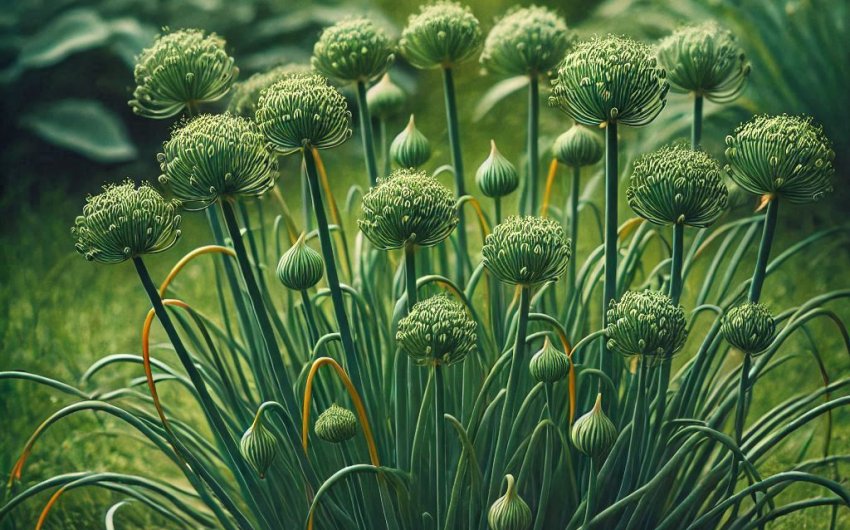
Wild onion and wild garlic are persistent and common grassy weeds that can quickly take over a lawn, creating unsightly patches and emitting a pungent odor when mowed. Identifying and removing wild onion in lawns effectively requires understanding its unique characteristics and life cycle, as well as applying the right control methods at the optimal time. While they might look like innocent blades of grass, these perennial invaders demand a targeted approach to reclaim your turf.
What is Wild Onion (and Wild Garlic)?
Often confused, wild onion (Allium canadense) and wild garlic (Allium vineale) are very similar in appearance and growth habits, and both are common lawn weeds belonging to the Allium genus. For general lawn care purposes, they are usually treated similarly.
Identifying Wild Onion and Wild Garlic
- Wild Onion:
- Leaves: Flat, solid (not hollow), and broader than wild garlic. They tend to emerge directly from the ground.
- Bulbs: Produces underground bulbs, often small offsets (bulbils) attached to the main bulb.
- Flowers/Seed Heads: Produces small, white or pinkish flowers, often with aerial bulblets (small bulbs) at the top of the stalk, looking like miniature onions.
- Scent: Strong oniony smell when crushed.
- Wild Garlic:
- Leaves: Round, hollow (like a chive), and typically thinner than wild onion. They emerge from the base.
- Bulbs: Produces underground bulbs, as well as clusters of aerial bulblets at the top of the stem.
- Flowers/Seed Heads: Produces small, greenish-white or purplish flowers, often mixed with aerial bulblets.
- Scent: Strong garlicky smell when crushed.
Why are they a problem in lawns?
Wild onion and wild garlic are particularly problematic for several reasons:
- Unsightly: Their distinct growth habit (often taller than turfgrass), different color, and prominent seed/bulblet heads create an uneven and messy appearance in a manicured lawn.
- Rapid Spread: They spread aggressively both by underground bulbs/bulbils and by prolific production of aerial bulblets, which drop and root easily.
- Persistence: As perennials, they come back year after year from their underground bulbs. Simply mowing won't eliminate them; it can even spread their bulbils.
- Hard to Kill: The waxy coating on their leaves makes them resistant to many common herbicides, requiring specific products and application techniques.
- Odor: When mowed or walked on, they release a strong, unpleasant oniony/garlicky odor.
- Dormancy: They often go dormant in summer, disappearing from the lawn only to reappear in the fall, fooling gardeners into thinking they're gone.
When is the Best Time to Treat Wild Onion?
Timing is absolutely crucial for successfully removing wild onion due to its perennial nature and waxy leaves.
Understanding the Life Cycle and Vulnerability
Wild onion and wild garlic are cool-season perennial weeds.
- Fall (Ideal Treatment Window):
- Activity: Bulbs begin to sprout in late summer or early fall (September-October) as temperatures cool and moisture returns.
- Vulnerability: At this time, the plants are actively growing and transferring energy from their leaves down to their bulbs. This is the best time to apply post-emergent herbicides, as the herbicide is effectively transported down to the bulb, where it can kill the entire plant. The waxy coating is also less developed.
- Winter:
- Activity: They continue to grow slowly throughout winter in milder climates.
- Vulnerability: Still a good time for herbicide application, especially on warmer winter days.
- Spring (Good, but Less Ideal):
- Activity: Rapid growth, leading to tall stalks and flower/bulblet production.
- Vulnerability: Herbicides can still be effective, but the waxy coating on leaves is thicker, making absorption harder. Also, the plant has already put energy into producing new bulbs/bulblets, so complete eradication is more challenging.
- Summer (Not Ideal):
- Activity: Plants often go dormant in the heat of summer, dying back above ground.
- Vulnerability: Herbicides are ineffective as the plant is not actively growing. Bulbils are present and ready to sprout in fall.
Prime Control Windows
- Primary Chemical Control: Late fall (October-November) and late winter/early spring (February-March) are the best times to apply post-emergent herbicides, before or after the coldest temperatures hit.
- Manual Control: Anytime you see them, but especially before they produce new bulblets in spring.
How to Remove Wild Onion Manually?
For smaller infestations or as a chemical-free approach, manual removal can be effective, but it requires diligence.
Hand-Pulling
- Technique: This is only effective if you can remove the entire bulb. Simply pulling the top off will leave the bulb to regrow.
- Moist Soil: Work when the soil is moist (after rain or watering). This makes it easier to extract the whole bulb.
- Dig Deep: Use a Dandelion Weeder Tool or a small trowel to carefully dig around the clump and extract the entire bulb, along with any attached smaller bulblets.
- Inspect Soil: Check the soil thoroughly for any remaining bulbils.
- Pros: Chemical-free, immediate results for individual plants.
- Cons: Very time-consuming for large infestations, high risk of leaving behind bulbils if not meticulous. Each tiny bulbil can grow into a new plant.
Smothering
- Technique: For dense patches, you can cover the area with a thick layer of cardboard or black plastic sheeting, topped with mulch. This deprives the plants of light, eventually killing the bulbs.
- Duration: Leave the covering in place for at least one full growing season (6-12 months).
- Pros: Chemical-free, effective for dense patches.
- Cons: Not suitable for maintaining a continuous lawn in the smothered area. You'll need to reseed after removal.
How to Treat Wild Onion with Herbicides?
Herbicides are often the most effective method for widespread or persistent wild onion infestations in lawns.
Choosing the Right Herbicide
Wild onion and wild garlic are notoriously difficult to kill with general broadleaf weed killers due to their waxy leaves. You need a selective post-emergent herbicide specifically designed for grassy weeds or those with activity on Allium species.
- Selective Broadleaf Herbicides (with specific active ingredients):
- Look for products containing 2,4-D, MCPP (Mecoprop), and Dicamba (often combined as "Trimec" or "3-Way" solutions). These can be effective, but often require repeat applications.
- Fluroxypyr: This active ingredient is particularly effective against tough broadleaf weeds like wild onion/garlic and is often found in combination products.
- Metsulfuron-methyl: A highly effective selective herbicide often used for Allium species. Can be found in granular or liquid forms.
- Example: Metsulfuron-methyl Herbicide
- Sulfentrazone: Another ingredient often effective on sedges and certain grassy weeds, including wild onion/garlic.
- Grass-Specific Herbicides (for non-grass areas): If treating in garden beds where you don't have turf, certain grass-specific herbicides can be used.
- Turfgrass Compatibility: Always ensure the chosen herbicide is safe for your specific type of desirable turfgrass (e.g., Bermuda, Fescue, Zoysia). Read product labels carefully!
Application Tips
- Timing is Key: Apply in fall (October-November) or late winter/early spring (February-March) when wild onion is actively growing but before it bolts to seed.
- Add a Surfactant: The waxy leaves of wild onion repel water and herbicides. Adding a Non-Ionic Surfactant to your spray mix will help the herbicide stick to and penetrate the leaves, significantly increasing effectiveness.
- No Mowing Before/After: Do not mow for at least 2-3 days before application (to allow enough leaf surface for absorption) and 2-3 days after application (to allow the herbicide to translocate throughout the plant).
- Targeted Application: For individual clumps, use a Handheld Garden Sprayer for spot treatment. For widespread infestations, a larger Backpack Sprayer will be more efficient.
- Follow Label Directions: Adhere strictly to the product label's instructions for mixing ratios, application rates, temperature ranges, and safety precautions. Wear appropriate Safety Gloves and eye protection.
- Multiple Applications: Be prepared for multiple applications. Wild onion can be stubborn, and its bulbs may sprout new growth even after initial treatment. Repeat applications, often 2-3 weeks apart, may be necessary.
How to Prevent Wild Onion Growth?
Prevention is a long-term strategy that focuses on making your lawn less hospitable to wild onion.
1. Maintain a Dense, Healthy Lawn
- Competitive Turf: A thick, vigorous lawn outcompetes weeds for light, water, and nutrients.
- Proper Mowing Height: Mow at the highest recommended height for your turfgrass (typically 3-4 inches or 7.5-10 cm for cool-season grasses). Taller grass shades the soil, making it less favorable for weed seed germination.
- Appropriate Fertilization: Follow a balanced fertilization program based on a Lawn Soil Test Kit to ensure your desirable grass is well-fed and strong.
- Overseeding: Regularly overseed thinning areas of your lawn to maintain a high turf density. Use good quality grass seed suitable for your climate.
2. Improve Drainage and Soil Health
- Aeration: Regular Core Aeration (fall for cool-season, spring for warm-season) reduces compaction and improves water and air penetration. Wild onion often thrives in compacted, poorly drained areas.
- Topdressing: Amend with Compost for Lawns after aeration to improve soil structure and health.
3. Proper Watering Practices
- Deep and Infrequent: Water deeply and infrequently to encourage deep root growth in your desirable turf. Avoid frequent, shallow watering that favors shallow-rooted weeds like wild onion.
- Morning Water: Always water in the morning to allow foliage to dry before nightfall.
4. Manage Bulblets
- Bag Clippings: If wild onion is producing its aerial bulblets, bag your grass clippings when you mow to prevent them from spreading. Do not mulch these clippings back into the lawn.
- Clean Tools: Clean gardening tools, especially mowers, after working in areas with wild onion to avoid transferring bulblets to other parts of the lawn.
5. Pre-Emergent Herbicides (Limited Effectiveness)
- Pre-emergents like prodiamine or dithiopyr are primarily designed to prevent grassy weeds that spread by true seed (like crabgrass or Poa annua). They are less effective against wild onion because it primarily spreads from its underground bulbs and aerial bulblets, which are not true seeds.
- Use as Part of a Broader Plan: If you're using a pre-emergent for other weeds, it may offer some minor suppression, but it should not be your primary defense against wild onion.
What Are Some Common Mistakes When Dealing with Wild Onion?
Avoiding these pitfalls will improve your chances of successfully removing wild onion from your lawn.
1. Mowing Without Bagging Clippings (When Seed Heads are Present)
- Mistake: You're simply spreading the problem around. Each bulblet can sprout a new plant.
- Solution: Bag and dispose of clippings when wild onion is actively producing its bulblet heads.
2. Not Being Patient
- Mistake: Wild onion is a perennial with persistent bulbs. It will not disappear overnight.
- Solution: Expect a multi-season battle. Consistent application of herbicides and cultural practices over 2-3 years is often required for significant control.
3. Applying the Wrong Herbicide
- Mistake: Using a generic "weed and feed" or a broadleaf weed killer that isn't specifically formulated for Allium species or tough perennial weeds. The waxy coating makes them resistant.
- Solution: Invest in a targeted herbicide (e.g., containing metsulfuron-methyl or fluroxypyr) and use a surfactant.
4. Applying Herbicide at the Wrong Time
- Mistake: Applying in summer when the plant is dormant, or waiting until it has bolted to seed in spring (making it harder to kill the bulb).
- Solution: Target fall and late winter/early spring when the plant is actively growing and transferring energy to its bulbs.
5. Only Pulling Without Removing Bulbs
- Mistake: Leaves the bulb to regrow.
- Solution: Dig deeply to ensure you extract the entire bulb and any attached offsets.
Effectively identifying and removing wild onion in lawns is a long-term commitment. By combining timely herbicide applications with diligent cultural practices that promote a dense, healthy lawn, you can significantly reduce and eventually eliminate these pervasive and smelly weeds, restoring the beauty and uniformity of your turf.