
Slugs and Snails: The Garden's Hidden Enemies
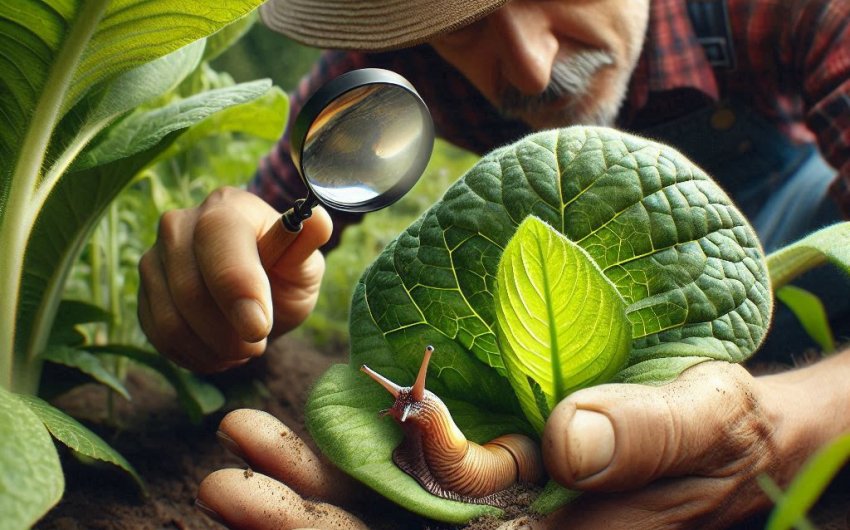
In the quiet of the night or during damp, rainy mornings, two of the garden’s most destructive pests silently go about their business: slugs and snails. Despite their slow pace, these creatures can wreak havoc on your plants, especially when left unchecked. Whether you’re a seasoned gardener or new to the hobby, it’s essential to understand how these slimy invaders operate, what damage they can cause, and how to effectively manage them in your garden.
What Are Slugs and Snails?
Slugs and snails belong to the mollusk family, and while they are closely related, there’s one key difference between them: snails have a hard, protective shell, while slugs do not. Both creatures thrive in moist, humid environments, which is why they are most active during the evening, early morning, or after rain.
Slugs and snails have rasping mouthparts that allow them to scrape off plant material and consume it, leaving behind ragged holes in leaves, stems, and even flowers. They also lay hundreds of eggs, making infestations escalate quickly if not controlled early on.
Explore different garden pest control options to manage slugs and snails in your garden.
How to Identify Slug and Snail Damage
Identifying slug and snail damage is relatively straightforward once you know what to look for. These pests leave distinctive signs that set them apart from other garden pests:
- Irregular holes in leaves: Unlike other insects that may leave clean, round holes, slugs and snails create irregular, jagged holes as they chew through leaves, stems, and flowers.
- Slimy trails: One of the most obvious signs of slugs and snails is the silvery trail of slime they leave behind as they move. These trails can be found on plants, soil, and garden surfaces, such as pots or rocks.
- Chewed fruit and vegetables: If you notice damage to lettuce, strawberries, tomatoes, or other soft fruits and vegetables, slugs or snails may be the culprits. They often target tender, young plants and fruits, causing extensive damage.
- Nibbled seedlings: Newly planted seedlings are particularly vulnerable to slugs and snails. These pests can quickly decimate young plants by eating through the stems, often leaving just a stump behind.
Find the right plant inspection tools to identify pest damage early on in your garden.
Advertisement
The Life Cycle of Slugs and Snails
Understanding the life cycle of slugs and snails can help you target these pests at different stages of their development. Both reproduce rapidly, especially in favorable conditions where moisture is abundant. Here’s a breakdown of their life cycle:
- Eggs: Both slugs and snails lay eggs in moist, sheltered areas. A single slug or snail can lay up to 500 eggs in one year, hiding them in soil, mulch, or under debris.
- Young slugs and snails: After hatching, young slugs and snails start feeding immediately. At this stage, they are small and difficult to spot, but they are already capable of causing damage to plants.
- Adult slugs and snails: As they grow, they become more mobile and can cover greater distances to find food. Adults live for about 1-5 years, depending on the species, and during this time, they reproduce multiple times, increasing their numbers exponentially.
Prevent an outbreak with slug and snail traps to catch these pests before they multiply.
Common Types of Garden Slugs and Snails
There are many species of slugs and snails found in gardens, but a few types are more commonly encountered. Identifying the specific slug or snail species in your garden can help tailor your approach to controlling them.
1. Brown Garden Snail
The brown garden snail (Cornu aspersum) is one of the most common snail species found in gardens. Originally from the Mediterranean, this snail has spread across the globe and is particularly prevalent in vegetable gardens, where it feeds on a wide variety of plants.
Defend your garden with effective brown garden snail repellents to protect your plants from damage.
2. Leopard Slug
The leopard slug (Limax maximus) is easily recognizable by its spotted, leopard-like pattern. This slug can grow quite large, up to 6 inches in length, and is commonly found in damp, shaded areas of the garden. While leopard slugs can sometimes feed on decaying plant matter, they are also known to attack live plants, particularly lettuce and hostas.
Control large slugs with specialized leopard slug baits to minimize damage to your plants.
3. Gray Field Slug
The gray field slug (Deroceras reticulatum) is another major garden pest. These slugs are especially problematic in agricultural fields and can cause extensive damage to seedlings, cabbages, and potatoes. They thrive in wet, overcast conditions and are most active at night.
Keep your crops safe with gray field slug deterrents to protect your vegetable garden.
4. Banana Slug
The banana slug (Ariolimax columbianus) is one of the largest slug species, capable of growing up to 10 inches in length. They are usually bright yellow, resembling a banana, hence the name. While banana slugs primarily feed on dead plant material, they can sometimes cause damage to living plants, particularly in moist, forested gardens.
Control large pests with effective banana slug treatments for your garden.
Organic Methods to Control Slugs and Snails
For gardeners who prefer to avoid harsh chemicals, there are plenty of organic methods to control slugs and snails. These solutions are safer for the environment and for beneficial insects that help keep your garden healthy.
1. Handpicking
Although labor-intensive, manually removing slugs and snails from your garden is an effective way to reduce their numbers. The best time to do this is early in the morning or late in the evening when the pests are most active. Wearing gloves, collect them into a container and relocate them far from your garden or dispose of them in a bucket of soapy water.
Use durable garden gloves for safe and easy slug and snail removal.
2. Copper Barriers
Copper acts as a natural deterrent to slugs and snails because it reacts with their slime, creating an unpleasant electric shock sensation that repels them. You can create barriers around your plants using copper tape, wire, or even copper mesh. These barriers are particularly effective when placed around raised beds or individual plants.
Install copper tape to keep slugs and snails away from your vulnerable plants.
3. Diatomaceous Earth
Diatomaceous earth is a natural powder made from fossilized algae. When applied to the soil around your plants, it acts as a barrier that slugs and snails are reluctant to cross. The fine particles are abrasive to their soft bodies, causing dehydration and death if they attempt to crawl through it.
Sprinkle diatomaceous earth around your garden for an eco-friendly pest barrier.
4. Beer Traps
One of the most popular and effective traps for slugs and snails is the beer trap. Simply bury a shallow container in the ground and fill it with beer. The slugs and snails are attracted to the smell of the yeast, crawl in, and drown. Make sure to empty and refill the trap regularly to maintain its effectiveness.
Set up slug and snail traps to capture pests without chemicals.
5. Nematodes
Certain species of nematodes (microscopic roundworms) can be applied to the soil to help control slugs. These beneficial nematodes infect and kill slugs by releasing bacteria that poison them. Nematode treatments are an excellent choice for organic gardeners, as they are safe for plants, pets, and humans.
Introduce beneficial nematodes into your garden for biological slug control.
Chemical Methods to Control Slugs and Snails
In cases where organic methods aren’t sufficient, chemical treatments can help manage severe infestations of slugs and snails. However, it’s important to use these products responsibly to avoid harming beneficial insects and the environment.
1. Iron Phosphate Baits
One of the safer chemical options for controlling slugs and snails is iron phosphate bait. This product is considered less toxic to pets, birds, and other wildlife compared to traditional metaldehyde-based baits. When slugs and snails consume iron phosphate, they stop feeding and eventually die. It’s an effective option for both residential gardens and large agricultural areas.
Use iron phosphate slug bait for targeted pest control with minimal environmental impact.
2. Metaldehyde Baits
Metaldehyde is a powerful chemical commonly found in slug and snail baits. It works by dehydrating the pests, causing death within a few days of ingestion. However, metaldehyde can be harmful to pets, birds, and other wildlife, so it’s important to use it carefully and follow the manufacturer’s instructions. Avoid applying it near areas frequented by pets or beneficial insects.
Control severe infestations with metaldehyde snail baits for efficient pest elimination.
3. Ammonia Solution
For a quick and easy homemade solution, you can create a diluted ammonia spray by mixing one part ammonia with ten parts water. Spray this solution directly onto the slugs and snails in your garden. The ammonia acts as a contact killer and is effective at eliminating pests instantly.
Mix household ammonia with water to create a fast-acting slug control spray.
Natural Predators of Slugs and Snails
Encouraging the presence of natural predators in your garden is a great way to control slug and snail populations without chemicals.
1. Birds
Many species of birds, such as thrushes, blackbirds, and robins, feed on slugs and snails. Attracting birds to your garden with bird feeders, birdbaths, and nesting boxes can help keep these pests in check. Birds are a valuable ally in organic pest control and can significantly reduce the number of slugs and snails in your garden.
Attract helpful birds with birdhouses and feeders to control garden pests naturally.
2. Frogs and Toads
Frogs and toads are natural predators of slugs and snails. By providing a water feature or creating a moist, shaded area in your garden, you can encourage these amphibians to take up residence. Frogs and toads are highly effective at controlling garden pests, especially in damp, shady gardens where slugs and snails thrive.
Add a garden pond to attract frogs and toads for natural pest control.
3. Ground Beetles
Ground beetles are voracious predators of slugs, snails, and other garden pests. They hide under rocks, mulch, and garden debris during the day and emerge at night to hunt. By maintaining a diverse and healthy garden ecosystem, you can encourage ground beetles to thrive and keep slug and snail populations under control.
Create habitats for ground beetles to naturally manage garden pests.