
Snake Plant Care: Your Ultimate Guide to a Thriving Sansevieria
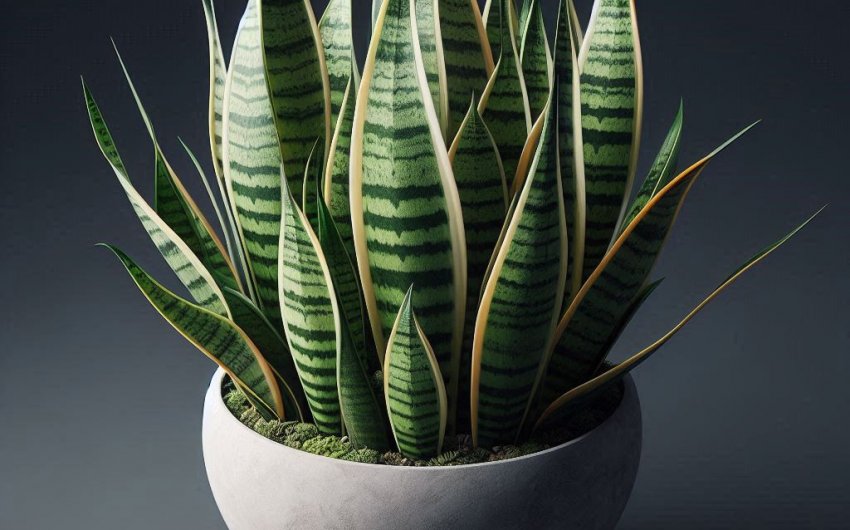
The snake plant (Sansevieria), also known as mother-in-law's tongue, is one of the most popular houseplants for its easy-care nature and striking architectural form. With its upright, sword-like leaves and low maintenance needs, it’s a favorite for both novice and experienced gardeners. Whether you want to brighten up your indoor space or enjoy its air-purifying qualities, understanding the basics of snake plant care is essential to keeping this hardy plant happy and healthy.
In this detailed guide, we’ll explore everything you need to know about snake plant care, from ideal growing conditions and watering schedules to pest management and propagation.
What Is a Snake Plant?
The snake plant is a member of the Asparagaceae family and is native to tropical West Africa. It’s highly regarded for its resilience, making it a top choice for those who don’t have a green thumb or are often too busy for high-maintenance plants. With its vertical growth and stiff, sword-shaped leaves, the snake plant adds a bold visual element to any room.
There are several varieties of snake plants, each with unique patterns and colors on their leaves. Some have dark green bands, while others are variegated with yellow or silver stripes. The most common type is the Sansevieria trifasciata, but there are many other varieties to explore.
Discover a wide variety of snake plants for your home.
Light Requirements for Snake Plants
One of the reasons snake plants are so popular is their adaptability to different lighting conditions. They can thrive in low light, making them ideal for offices or rooms with minimal natural sunlight. However, they do best in indirect sunlight or bright, filtered light.
If your snake plant is in low light, it will grow more slowly, and the color of its leaves may darken. On the other hand, too much direct sunlight can cause the leaves to burn or become yellow. Placing your snake plant near a window that gets indirect light is ideal for promoting healthy growth without risking sun damage.
Invest in a quality grow light to supplement light for your indoor plants, especially in darker areas.
Watering Your Snake Plant
When it comes to watering, snake plants are incredibly drought-tolerant. In fact, they prefer to dry out between waterings, making them an excellent choice for those who tend to forget to water their plants. Overwatering is the most common cause of problems with snake plants, so it’s important to err on the side of caution.
- How often to water: Water your snake plant once every two to four weeks, depending on the season and the environment. During the warmer months, the plant may need more frequent watering, while in the winter, you can cut back even further.
- How to water: Water thoroughly, allowing the water to flow through the drainage holes at the bottom of the pot. Make sure to empty the saucer to prevent the roots from sitting in water, which can lead to root rot.
Check the soil before watering—if the top inch or two feels dry, it’s time to water. If the soil is still damp, hold off for a few more days.
Ensure proper hydration with a reliable watering can designed for indoor plants.
Soil and Potting Mix for Snake Plants
The snake plant thrives in well-draining soil, as it is prone to root rot if left in soggy conditions. A standard cactus or succulent mix works well for snake plants, as these types of soil are designed to drain quickly while still retaining enough moisture for the plant to absorb. You can also make your own mix by combining potting soil with coarse sand or perlite to increase drainage.
When repotting your snake plant, choose a pot with drainage holes to allow excess water to escape. Terracotta pots are a great choice because they absorb moisture from the soil, helping prevent overwatering.
Use a high-quality cactus potting mix for optimal drainage and plant health.
Temperature and Humidity for Snake Plants
Snake plants are highly adaptable when it comes to temperature and humidity, but there are some conditions they prefer. The ideal temperature range for a snake plant is between 60°F and 85°F (16°C to 29°C). They can tolerate cooler temperatures but should not be exposed to anything below 50°F (10°C), as this can damage the plant.
In terms of humidity, snake plants are relatively unfussy. They thrive in standard household humidity levels and don’t require any special adjustments. However, if your home is particularly dry, especially during the winter, you can increase the humidity slightly by misting the leaves occasionally.
Monitor and adjust your plant’s environment with a reliable indoor thermometer to maintain the right conditions.
Fertilizing Your Snake Plant
Snake plants are not heavy feeders, but they can benefit from occasional fertilization during the growing season, which typically runs from spring through early fall. Use a balanced liquid fertilizer designed for houseplants or succulents, applying it once every month or two. Make sure to dilute the fertilizer to half strength to avoid over-fertilizing, which can burn the plant’s roots.
During the winter months, it’s best to hold off on fertilizing, as the plant’s growth naturally slows down, and it won’t need as many nutrients.
Boost your plant’s growth with a trusted succulent fertilizer for healthier foliage.
Pruning and Maintenance
One of the many reasons why snake plants are so popular is their low-maintenance nature, but occasional pruning can help them look their best. Pruning is typically only necessary to remove damaged or yellowed leaves. Use clean, sharp scissors or pruning shears to cut the leaves at the base, as close to the soil as possible.
If your snake plant becomes too crowded, you can also divide the plant into smaller sections. This not only helps control its size but also provides an opportunity to propagate new plants.
Keep your plants in shape with precision pruning shears for indoor plant care.
Propagating Snake Plants
One of the best parts about owning a snake plant is how easy it is to propagate. You can grow new snake plants from leaf cuttings or by dividing the plant’s root system.
1. Leaf Cuttings
To propagate from leaf cuttings, cut a healthy leaf near the base of the plant and allow it to dry for a day or two to prevent rot. Once the cut end has dried, place it in water or directly into moist potting soil. If using water, wait until roots develop before transferring the cutting to soil. This method may take several weeks, but it’s an easy way to grow new plants.
Use propagation tools to ensure successful snake plant cuttings.
2. Division
If your snake plant has outgrown its pot or produced multiple clusters of leaves, you can divide the plant. Remove the plant from its pot and gently separate the root ball into two or more sections, ensuring each section has a healthy portion of the root system. Repot each section in a new container with fresh soil, and water sparingly until the plant is well-established.
Easily repot your plant with durable planter pots for indoor plants.
Common Pests and Problems
While snake plants are relatively pest-resistant, they can occasionally fall victim to common houseplant pests such as spider mites, mealybugs, and scale insects. Regularly inspecting your plant can help catch infestations early before they cause serious damage.
- Spider mites: Look for tiny webs or stippled leaves, which indicate spider mite activity. You can treat them by wiping the leaves with a damp cloth or spraying the plant with a mild solution of neem oil.
- Mealybugs: These cottony white insects often appear at the base of the leaves. Wipe them away with a cotton swab dipped in rubbing alcohol or apply insecticidal soap to control the population.
- Scale insects: These pests appear as small, brown, raised bumps on the leaves and stems. Like mealybugs, you can treat them with alcohol or insecticidal soap.
Use effective insecticidal soap to manage common houseplant pests.
Overwatering and Root Rot
The most common problem encountered with snake plants is overwatering, which can lead to root rot. If you notice your plant’s leaves turning yellow or mushy, it’s a sign that the roots are sitting in water for too long. To prevent this, always ensure the soil dries out between waterings and avoid letting the plant sit in a pool of water.
If you suspect root rot, remove the plant from its pot, cut away the affected roots, and repot it in fresh, well-draining soil. Reduce watering until the plant shows signs of recovery.
Prevent root rot with high-quality drainage pots designed for houseplants.
Snake Plant Benefits
In addition to being a low-maintenance and visually appealing plant, snake plants offer several benefits. They are particularly well-known for their ability to purify the air by removing toxins such as formaldehyde, benzene, and xylene. Because they release oxygen at night, snake plants are ideal for bedrooms, helping to improve indoor air quality and create a more restful environment.
Moreover, snake plants are non-toxic to humans, making them a safe addition to homes with children. However, they are mildly toxic to pets if ingested, so it’s best to keep them out of reach of cats and dogs.
Enhance your indoor environment with an air-purifying snake plant for a healthier home.
Snake Plant Varieties to Consider
There are many different types of snake plants, each with its own unique look. Some of the most popular varieties include:
- Sansevieria trifasciata ‘Laurentii’: This variety has tall, green leaves with yellow edges and is the most commonly found snake plant.
- Sansevieria cylindrica: Known for its cylindrical, spear-like leaves, this variety has a strikingly modern appearance.
- Sansevieria moonshine: This snake plant has pale, silvery-green leaves that stand out in any indoor space.
- Sansevieria hahnii: A compact version of the standard snake plant, it’s perfect for tabletops or smaller areas.
Shop for a Sansevieria moonshine to add a unique, silver-toned plant to your collection.
Caring for Snake Plants in Different Seasons
While snake plants are relatively low-maintenance, their care needs can change slightly with the seasons. During the warmer months, snake plants will be in their growing season, and you may need to water more frequently and provide more sunlight. In contrast, during the winter months, their growth slows down, and you can reduce watering to once a month.
Also, ensure that your snake plant is kept away from cold drafts or direct exposure to heaters during the winter, as extreme temperature changes can cause stress or damage to the plant.
Protect your plants with an easy-to-use plant temperature monitor to maintain ideal seasonal conditions.