
How Can I Integrate Solar-Powered Features Into My Garden Furniture?
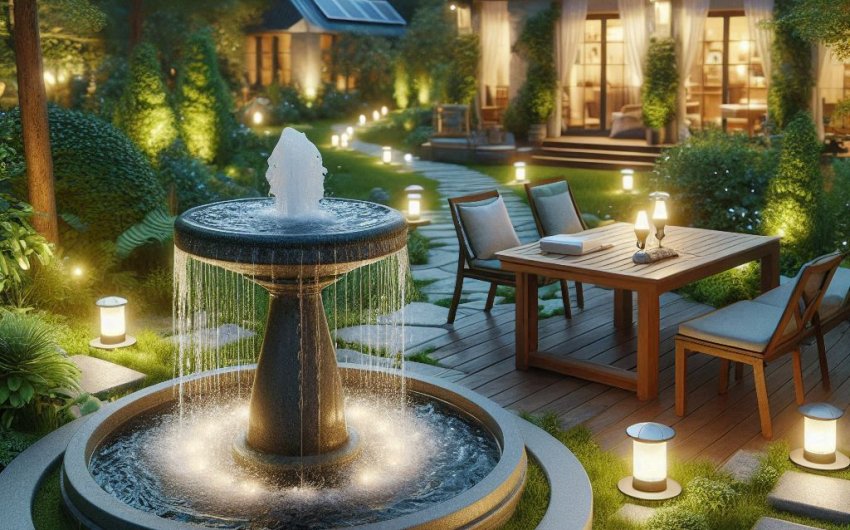
Creating an outdoor oasis that is both functional and environmentally friendly is a growing trend for homeowners. If you're looking to enhance your backyard experience while embracing sustainable technology, you might be wondering, "How can I integrate solar-powered features into my garden furniture?" The answer lies in a combination of smart product choices and clever DIY integration, transforming your patio, deck, or garden into a modern, energy-efficient space. From ambient lighting to convenient charging stations, solar energy offers a versatile way to power up your outdoor living without increasing your electricity bill or running unsightly cords.
Why use solar power for garden furniture?
Solar power offers numerous advantages for outdoor applications, making it an excellent choice for enhancing your garden furniture. It's a clean, renewable energy source that provides convenience and contributes to a more sustainable lifestyle.
What are the benefits of solar integration?
Integrating solar features brings a host of perks to your outdoor space:
- Eco-friendly: Solar energy is clean and renewable, reducing your carbon footprint and reliance on fossil fuels. It uses the sun's natural power.
- Cost-effective: Once installed, solar-powered features operate for free, eliminating electricity bills associated with outdoor lighting or charging. You don't need to run expensive wiring.
- Wireless convenience: No need for cumbersome extension cords or worrying about nearby outlets. Solar products work wirelessly, offering flexibility in placement.
- Safety: Eliminates tripping hazards from wires, and direct current (DC) solar power is inherently safer than alternating current (AC) house power, especially outdoors.
- Automatic operation: Many solar lights and devices have built-in light sensors, turning on automatically at dusk and off at dawn, providing effortless convenience.
- Versatility: A wide range of solar-powered products means you can add light, charge devices, and even power small amenities wherever the sun shines.
These benefits make solar-powered garden furniture a smart and attractive choice for any modern outdoor living area.
How does solar power work in small-scale applications?
At its core, small-scale solar power for garden furniture is quite simple.
- Solar panel: A small photovoltaic (PV) panel absorbs sunlight and converts it into direct current (DC) electricity.
- Battery: This electricity is stored in a rechargeable battery (usually NiMH or Li-ion) for later use.
- LEDs or device: When needed (e.g., when it gets dark for lights, or when you plug in a device), the stored energy powers the integrated LED lights, USB charging port, or other feature.
The size of the solar panel and the capacity of the battery determine how much power can be generated and stored, which affects the brightness of lights or how quickly a device can charge.
What solar-powered features can you integrate?
The possibilities for integrating solar-powered features into garden furniture are expanding rapidly, offering innovative ways to add functionality and ambiance.
Solar Lighting: Setting the Mood
Lighting is one of the most popular and impactful solar integrations. It enhances safety, highlights garden features, and creates a welcoming atmosphere.
- Ambient Lighting:
- Solar String Lights: Drape solar string lights around pergolas, gazebos, or even attach them directly to the underside of patio umbrellas for a soft, festive glow.
- Solar Lanterns: Place solar lanterns on tabletops, steps, or hang them from shepherd's hooks near seating areas.
- Solar Pathway Lights: While not directly on furniture, these illuminate paths leading to and from your furniture, enhancing safety.
- Integrated Furniture Lighting:
- Solar Umbrella Lights: Many patio umbrellas now come with small solar panels on top that power LED lights built into the umbrella ribs.
- Solar Cube Lights/Seating: Furniture items like solar light-up cubes or benches with integrated LED lighting charged by a hidden solar panel.
- DIY Integration: Attach small, adhesive-backed solar puck lights to the underside of tables, chairs, or benches for subtle illumination.
Solar Charging Stations: Power on the Go
Never run out of battery on your devices while enjoying the outdoors.
- USB Charging Ports: Integrate small, weather-resistant solar USB chargers into tabletops, armrests, or the side of outdoor storage boxes. These usually have a small solar panel that charges an internal battery, then delivers power to your phone or tablet via a USB port.
- Solar Power Banks: Keep a solar power bank on your outdoor table. It charges during the day and can be used to top up devices at any time.
- Dedicated Charging Furniture: Some high-end outdoor furniture now comes with built-in solar charging capabilities, often disguised within the design.
Solar Water Features: Relaxing Sounds
The soothing sound of water can significantly enhance a garden.
- Solar-Powered Bird Baths/Fountains: Small, solar-powered fountain pumps can be placed in bird baths or small pre-made ponds, creating a gentle flow without needing an electrical outlet. While not directly on furniture, they can be placed near seating areas.
- DIY Tabletop Fountains: Convert a large outdoor planter or decorative bowl into a tabletop water feature using a small solar pump. Position this near your outdoor seating for immediate auditory relaxation.
Other Nifty Solar Additions
- Solar Speakers: Enjoy music without worrying about power cords. Solar-powered outdoor speakers often have Bluetooth connectivity and robust, weather-resistant designs.
- Solar Pest Repellers: While not furniture per se, small solar pest repellers can be discreetly placed near seating areas to keep mosquitoes and other unwanted insects at bay.
How do you choose the right solar products for integration?
Selecting the correct solar-powered features is crucial for successful integration into your garden furniture. Consider several factors to ensure functionality and longevity.
What about light output and battery life?
- Lumens for lighting: For solar lights, check the lumen output. Higher lumens mean brighter light. For ambient lighting, 5-50 lumens might be enough. For task lighting, you might need more.
- Battery capacity (mAh): For charging devices, a higher mAh (milliampere-hour) rating for the integrated battery means it can store more energy and charge devices more times or for longer.
- Runtime: Most solar lights specify their runtime on a full charge (e.g., "up to 8 hours"). This is important for ensuring they last through the night.
- Charging speed: For charging devices, look at the output current (Amps). A 2A output will charge faster than 1A.
What are important durability and weather resistance factors?
Outdoor products need to withstand the elements.
- IP Rating: Look for an IP (Ingress Protection) rating. The first digit indicates protection against solids (dust), and the second digit indicates protection against liquids (water).
- IP44: Protected against splashing water. Good for covered patios.
- IP65: Protected against jets of water and dust-tight. Suitable for direct outdoor exposure.
- IP67/68: Submersible or highly protected from water. Best for extreme conditions or water features.
- Materials: Choose durable, weather-resistant materials like ABS plastic, stainless steel, aluminum, or marine-grade composites.
- Corrosion resistance: Especially important in coastal areas or places with high humidity.
What size and type of solar panel do you need?
The solar panel is the heart of the system.
- Integrated vs. Remote:
- Integrated: The panel is built directly into the light or furniture. Convenient, but the furniture must be in full sun.
- Remote: The solar panel is separate from the light/device and connected by a wire. This allows you to place the panel in a sunny spot while the light/device is in shade. Many solar string lights with remote panels use this.
- Panel Size: Larger panels generally generate more power faster, especially useful for charging devices or powering brighter lights.
- Efficiency: Monocrystalline solar panels are typically more efficient than polycrystalline, converting more sunlight into electricity from a smaller area.
Match the panel's capability to the power needs of the feature you're trying to integrate.
How do you DIY integrate solar features into existing furniture?
One of the most exciting aspects of "How can I integrate solar-powered features into my garden furniture?" is the potential for DIY projects. You can upgrade existing pieces with smart solar additions.
What tools and materials will you need?
For basic DIY integration, you might need:
- Solar lights or charging kits: Purchase individual components or kits.
- Drill: With appropriate bits for wood, plastic, or metal.
- Screws/Adhesive: Weather-resistant exterior screws, UV-resistant zip ties, or strong outdoor adhesive.
- Wire clips/conduit: To manage wires neatly and safely.
- Silicone sealant: For waterproofing drilled holes.
- Basic hand tools: Screwdriver, wire cutters.
Steps for integrating solar lighting:
- Plan placement: Decide where the lights will look best and provide the most effective illumination. Consider where the solar panel will receive maximum sunlight.
- Mount the solar panel: If using a remote panel, mount it in a location that gets at least 6-8 hours of direct sun daily. Use screws for a permanent mount or heavy-duty outdoor command strips for temporary solutions.
- Run wires (if applicable): Carefully route the wires from the solar panel to the lights, securing them with wire clips or concealing them within conduit or channels of the furniture. Avoid tripping hazards.
- Attach lights:
- String lights: Wrap them around furniture legs, umbrella poles, or along the edges of tabletops.
- Puck lights: Use strong adhesive or small screws to attach them to the underside of shelves, benches, or table edges for downlighting.
- Test: Ensure everything is connected, and allow the panel to charge for a full day before expecting the lights to turn on at night.
Steps for integrating solar charging ports:
- Select a kit: Purchase a solar charging kit with a USB port suitable for outdoor use.
- Choose a location: Identify a flat surface on a tabletop, armrest, or side of a furniture piece that receives good sun.
- Create an opening (if necessary): If the kit requires embedding, use a drill and appropriate saw attachment to create a clean opening for the USB port and wiring.
- Mount the solar panel: As with lighting, mount the solar panel in a sunny, unobstructed location. This might be on the furniture itself if it gets full sun, or a separate remote panel.
- Connect and secure: Follow the kit's instructions to connect the solar panel to the charging unit. Secure all components using screws or strong adhesive. Seal any drilled holes with exterior silicone sealant to prevent water intrusion.
- Test: Allow the unit to charge fully in direct sunlight before attempting to charge a device.
Always prioritize safety and follow manufacturer instructions for any electrical components.
What are pre-made solar garden furniture options?
If DIY isn't your style, or you prefer a fully integrated solution, many manufacturers now offer garden furniture with built-in solar-powered features.
What types of furniture come with integrated solar?
The market for solar garden furniture is growing, offering convenient all-in-one solutions.
- Solar Patio Umbrellas: These are very common, featuring a solar panel on top that powers LED lights along the ribs or a central light directly under the canopy. A solar LED patio umbrella is a popular choice.
- Solar Side Tables/Coffee Tables: Some outdoor tables have integrated LED lighting or even USB charging ports, with solar panels subtly incorporated into the tabletop or base.
- Solar Benches/Seating: Furniture with built-in solar panels that power ambient lighting strips underneath or even small charging pads on the surface.
- Solar Planters: Decorative solar planters often have internal lighting that illuminates the plant or glows from within.
What are the pros and cons of buying pre-made?
| Feature | Pros | Cons |
|---|---|---|
| Convenience | Ready to use out of the box; no assembly or wiring required. | Limited customization; fixed features. |
| Aesthetics | Designed to be visually cohesive and often seamlessly integrated. | Styles may not perfectly match existing furniture. |
| Warranty | Often comes with a manufacturer's warranty. | Warranty covers the entire unit, not individual components. |
| Cost | Typically higher initial cost for the convenience and integrated design. | Can be more expensive than DIY solutions using separate components. |
| Maintenance | Generally designed for low maintenance. | If one component fails, the entire unit might need replacing. |
| Placement Flex. | Limited to where the furniture itself can be placed for sun exposure. | Less flexible than DIY with remote solar panels. |
When buying pre-made, ensure the furniture's material and solar features are appropriate for your climate and usage.
How do you maintain solar-powered garden furniture?
Even the most robust solar-powered features require a bit of care to ensure they continue to function optimally and extend their lifespan.
What are regular cleaning and inspection tips?
- Clean solar panels: Dust, dirt, pollen, and debris can accumulate on solar panels, reducing their efficiency. Wipe them down regularly with a soft, damp cloth. Avoid abrasive cleaners.
- Check connections: Periodically inspect all wires and connections for signs of wear, fraying, or corrosion, especially if they are exposed to the elements.
- Battery inspection: For units with removable batteries, check them occasionally for any swelling or leaks, which can indicate a failing battery.
- Clear obstructions: Ensure no new plant growth, leaves, or other obstructions are shading the solar panel during the day.
How do you optimize solar performance?
- Position for sun: Always ensure the solar panel (whether integrated or remote) receives at least 6-8 hours of direct, unobstructed sunlight daily. Relocate furniture or adjust panels if necessary.
- Winter care: In winter, when sunlight is weaker and days are shorter, solar performance will naturally decrease. You might notice lights aren't as bright or don't last as long.
- In areas with heavy snow, periodically clear snow from the solar panels.
- Consider storing smaller, more delicate solar items indoors during the coldest months to protect their batteries and electronics.
- Battery replacement: Rechargeable batteries in solar units have a limited lifespan (typically 1-3 years). If a light isn't holding a charge or a charger isn't performing well, try replacing the battery with a new, high-quality rechargeable NiMH battery of the correct size.
By embracing solar power, you're not just adding convenience; you're also making a positive environmental impact, allowing you to truly integrate solar-powered features into your garden furniture and enjoy a brilliant, sustainable outdoor space.