
What Are the Best Garden Furniture Options for a Permaculture Garden?
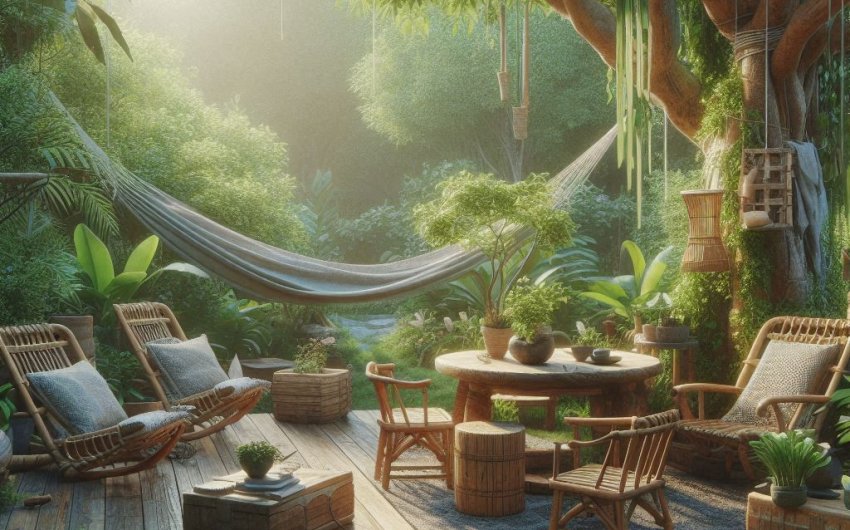
Choosing the best garden furniture for a permaculture garden is about more than just aesthetics; it's about making choices that align with the core principles of permaculture. This means selecting furniture that is durable, sustainable, and integrates seamlessly with the natural environment, without compromising the health of your soil, plants, or the wider ecosystem. Your outdoor living space should complement the productive and biodiverse nature of a permaculture design.
What Materials Are Most Sustainable for Garden Furniture in a Permaculture Setting?
Sustainable materials are paramount for permaculture garden furniture. The best options are those that are renewable, recycled, or have a minimal environmental footprint from production to disposal.
Recycled Plastic Furniture: A Smart Choice?
Recycled plastic garden furniture is an increasingly popular and highly sustainable option. It repurposes waste materials, reducing landfill burden and the need for virgin resources.
- Durability: It is incredibly resistant to rot, insects, and weather, meaning it will last for decades.
- Low Maintenance: Requires very little upkeep, just occasional cleaning.
- Color Retention: Colors are often UV-stabilized, resisting fading.
- Weight: Can be heavy, which makes it stable but harder to move.
- Appearance: While styles have improved, some still prefer a more natural look.
Consider a Recycled Plastic Adirondack Chair for a comfortable and long-lasting seating solution.
What About Wood? Which Types Are Sustainable?
When considering wood garden furniture, sustainability depends entirely on the source. Opt for certified woods to ensure responsible forestry.
FSC-Certified Wood: The Gold Standard
FSC-certified wood (Forest Stewardship Council) ensures that timber comes from responsibly managed forests that provide environmental, social, and economic benefits.
- Teak (FSC Certified): Extremely durable and naturally resistant to rot and insects due to high oil content. It weathers to a beautiful silver-grey patina.
- Eucalyptus (FSC Certified): A fast-growing hardwood that is also durable and often more affordable than teak. Needs regular oiling to maintain its rich color.
- Acacia (FSC Certified): Another durable and fast-growing option, similar in appearance to teak. Often used for its strength and natural beauty.
- Cedar: Naturally rot and insect resistant, lightweight, and has a pleasant aroma. It’s also often sourced locally, reducing transport emissions.
Always look for the FSC label when purchasing wooden outdoor furniture. A great example is a FSC Certified Teak Dining Set.
Reclaimed Wood: Giving Materials a Second Life
Reclaimed wood furniture is an excellent sustainable choice. It uses wood salvaged from old buildings, barns, or even sunken logs. This reduces demand for new timber and prevents valuable resources from going to waste.
- Unique Character: Each piece has a unique history and aesthetic.
- Reduced Environmental Impact: No new trees are cut down.
- Durability: Often made from old-growth timber, which can be very dense and strong.
Look for a Reclaimed Wood Bench for a truly unique addition.
Are Metals Sustainable for Garden Furniture?
Metals can be sustainable, especially when they are recycled or have a long lifespan.
Recycled Aluminum: Lightweight and Rust-Proof
Recycled aluminum garden furniture is a good choice for its lightness and rust resistance. Aluminum can be recycled repeatedly without losing its quality.
- Lightweight: Easy to move around the garden.
- Rust-Proof: Ideal for all climates, even humid ones.
- Low Maintenance: Simple to clean.
- Modern Aesthetic: Often used for contemporary designs.
A Recycled Aluminum Bistro Set offers a sleek and durable option.
Wrought Iron: Durable and Timeless
Wrought iron furniture is extremely durable and has a classic aesthetic. While new iron requires significant energy to produce, its longevity means it won't need frequent replacement, making it sustainable over its long lifespan.
- Exceptional Durability: Can last for generations.
- Heavy: Very stable, but difficult to move.
- Timeless Look: Adds a traditional and elegant touch.
- Maintenance: Requires occasional rust treatment and painting.
A sturdy Wrought Iron Garden Bench can become a garden heirloom.
How Can Garden Furniture Support Permaculture Principles?
Permaculture isn't just about growing food; it's about creating integrated, self-sustaining systems. Your garden furniture can contribute to these principles in various ways.
Integrating Furniture with Garden Zones
Consider where your garden furniture will be placed in relation to your permaculture zones.
- Zone 1 (Home Garden): This is where you spend the most time. Furniture here should be comfortable and convenient for daily use. Think a small bistro set for morning coffee or a comfortable garden bench near your herb spirals.
- Zone 2 (Orchards, Main Crops): Seating here could be less formal, perhaps a reclaimed wood stump seat or a small bench for resting during gardening tasks.
- Zone 3 (Larger Scale Production): Furniture might be minimal, focusing on observation points or simple resting spots.
- Zone 4 & 5 (Wild Areas): No furniture is typically needed here, as the focus is on natural ecosystems.
Supporting Biodiversity and Wildlife
Some furniture choices can indirectly support biodiversity.
- Integrated Planters: Furniture with built-in planters allows you to grow additional beneficial plants, attracting pollinators and beneficial insects.
- Bird Feeders/Baths: Placing seating near bird feeders or a bird bath allows for quiet observation of wildlife, fostering a connection with nature.
- Habitat Creation: A hollow log or an old tree stump used as a seat can also provide microhabitats for insects or fungi, supporting the ecosystem.
Maximizing Resource Efficiency
Furniture can be chosen to optimize resource use.
- Rainwater Harvesting Benches: Some innovative designs incorporate rainwater harvesting systems into benches, collecting water for irrigation.
- Solar-Powered Lighting: Seats or tables with integrated solar-powered lights can illuminate pathways or seating areas without drawing on grid electricity.
- Compost Bins as Seating: In a truly creative permaculture design, a well-managed, aesthetically pleasing compost bin could even double as a sturdy, informal seat.
What Types of Garden Furniture Are Most Practical for Permaculture Gardens?
Practicality in a permaculture garden often means furniture that is durable, versatile, and requires minimal input.
Seating Options: Comfort and Functionality
Comfortable seating encourages you to spend more time in your garden, observing and connecting with your space.
Benches: Versatile and Community-Oriented
Garden benches are excellent for permaculture gardens as they can accommodate multiple people, encouraging shared observation and conversation. They can be placed along paths, under shade trees, or near key features.
- Styles: From rustic wooden benches to sleek metal benches or robust recycled plastic benches.
- Placement: Ideal for resting spots, observation points, or casual gathering areas.
A Weather-Resistant Garden Bench is a practical choice.
Adirondack Chairs: Relaxed and Durable
Adirondack chairs offer a relaxed, comfortable seating option. Their reclined design is perfect for quiet contemplation or reading.
- Material Versatility: Available in wood (cedar, pine), recycled plastic, or even metal.
- Durability: Built to withstand outdoor elements.
- Aesthetics: Classic design that fits well in natural settings.
Consider a Durable Adirondack Chair for ultimate comfort.
Bistro Sets: Compact and Inviting
Bistro sets (a small table and two chairs) are perfect for smaller permaculture gardens or for creating intimate dining spots.
- Space-Saving: Ideal for patios, balconies, or tucked into a cozy corner.
- Materials: Often available in wrought iron, aluminum, or compact wood.
A Compact Bistro Set can add charm.
Garden Swings and Hammocks: Pure Relaxation
For ultimate relaxation and a deeper connection to nature, a garden swing or hammock can be a wonderful addition.
- Stress Reduction: Encourages a slower pace and appreciation of the garden.
- Placement: Best under a sturdy tree or on a dedicated stand.
- Materials: Hammocks are often cotton or weather-resistant synthetics; swings can be wood or metal.
A Weatherproof Hammock offers a delightful retreat.
Tables: Functional Workspaces and Dining Surfaces
Tables in a permaculture garden can serve multiple purposes, from dining to potting.
Potting Benches: Multi-Functional Workstations
A potting bench isn't just for potting; it can be a mini outdoor kitchen prep area, a place to store tools, or even a small display surface for herbs.
- Storage: Many come with shelves or drawers for garden tools and supplies.
- Height: Designed for comfortable standing work.
- Material: Often wood (cedar is popular) or metal.
A Sturdy Potting Bench is invaluable.
Picnic Tables: Communal Dining
A picnic table is ideal for family meals or gathering with friends to enjoy the garden's bounty.
- Durability: Typically built to withstand heavy use and weather.
- Materials: Often wood or recycled plastic.
A Heavy-Duty Picnic Table is a great investment.
How to Maintain Garden Furniture for Longevity and Sustainability?
Proper maintenance significantly extends the life of your garden furniture, reducing the need for replacements and minimizing its environmental impact.
Cleaning and Care Tips
Regular cleaning is the first step in maintaining your permaculture garden furniture.
- Wood:
- Clean with mild soap and water.
- For unsealed wood (like teak), it will weather to a silver-grey; oiling (using natural, non-toxic oils) can maintain its original color.
- Inspect for splinters or cracks annually.
- Recycled Plastic:
- Wipe down with a damp cloth and mild soap.
- Avoid harsh abrasives that can scratch the surface.
- Metal (Aluminum/Iron):
- Clean with mild soap and water.
- For wrought iron, check for rust spots and treat them with a wire brush, then apply rust-inhibiting primer and paint.
- Aluminum is naturally rust-resistant but can benefit from occasional cleaning.
Protective Measures for All Seasons
Protecting your furniture from extreme weather is crucial.
- Covers: Invest in weatherproof furniture covers during harsh seasons or when not in use for extended periods.
- Storage: If possible, store furniture in a shed or garage during winter months. This is especially important for natural materials like wood.
- Sunlight: While UV protection is often built-in, prolonged intense sun exposure can still degrade some materials over time. Consider placing furniture in partially shaded areas, especially in hot climates.
Repair vs. Replace: A Permaculture Perspective
In permaculture, the principle of "produce no waste" applies to furniture too. Before replacing, consider if the item can be repaired.
- Wooden Furniture: Loose joints can be re-glued, broken slats replaced, and surfaces sanded and re-sealed.
- Metal Furniture: Welds can often be repaired by a professional, and rust can be treated.
- Recycled Plastic: While very durable, individual slats might be replaceable, or the entire piece can potentially be recycled at the end of its very long life.
Embrace the idea of repairing and repurposing garden furniture to extend its lifespan and reduce your consumption.
What Are Some Creative and DIY Garden Furniture Ideas for Permaculture?
For those who enjoy a hands-on approach, DIY garden furniture offers unique opportunities to personalize your space and further reduce your environmental footprint.
Repurposed Pallets: Versatile and Affordable
Wooden pallets are a popular and affordable material for DIY projects. With some cleaning, sanding, and sealing, they can be transformed into various furniture pieces.
- Pallet Seating: Create pallet sofas or pallet chairs with cushions for outdoor lounging.
- Pallet Tables: Stack pallets to create coffee tables or dining tables.
- Vertical Planters: While not strictly furniture, pallet vertical planters can integrate greenery directly with seating areas.
Always ensure pallets are heat-treated (HT) and not chemically treated (MB - methyl bromide) for safety. Look for a Heat-Treated Pallet if sourcing.
Stone and Log Seating: Natural and Permanent
Integrating natural elements like large stones or logs as seating can be incredibly effective in a permaculture garden.
- Simplicity: Requires minimal alteration, keeping the natural aesthetic.
- Durability: Practically lasts forever.
- Integration: Blends seamlessly into the landscape.
- Placement: Ideal for informal seating around a fire pit or within a natural grove.
A strategically placed Garden Boulder can serve as a seat.
Cob and Earth Furniture: Eco-Friendly and Artistic
For the truly adventurous, cob (earth, sand, straw mix) furniture offers an incredibly sustainable and artistic option.
- Local Materials: Uses readily available earth materials.
- Thermal Mass: Can absorb and radiate heat, creating comfortable seating even on cooler evenings.
- Organic Shapes: Allows for fluid, custom designs like cob benches or outdoor pizza ovens with integrated seating.
- Skills: Requires some knowledge of natural building techniques.
Upcycled Furniture: Giving Old Items New Life
Look for opportunities to repurpose items that would otherwise be discarded.
- Old Bathtubs/Sinks: Can be transformed into unique planters that integrate with seating.
- Tires: Stacked and painted tires can form sturdy, if unconventional, seating.
- Wine Barrels: Half barrels make excellent planters, and full ones can be upcycled into small tables.
- Metal Drums: Cleaned and painted metal drums can serve as side tables or storage.
The options for upcycled garden furniture are limited only by your imagination and what materials you can source locally.
What Are the Key Considerations When Placing Garden Furniture in a Permaculture Garden?
Strategic placement is as important as the furniture itself. It affects comfort, utility, and the overall flow of your permaculture garden.
Sun and Shade Patterns: Optimal Comfort
Understanding sun and shade is critical for comfortable seating.
- Morning Sun: Place seating to catch the gentle morning sun for breakfast or coffee.
- Afternoon Shade: Ensure there are shaded spots for hot afternoons, perhaps under a pergola, a large tree, or an umbrella.
- Winter Sun: In colder climates, position seating to maximize winter sun exposure.
Consider investing in a Large Patio Umbrella for flexible shade.
Shelter from Wind and Rain: Protection and Comfort
Protecting your furniture and yourself from the elements enhances usability.
- Windbreaks: Place furniture near hedges, fences, or buildings that act as windbreaks.
- Overhangs/Pergolas: Positioning under an overhang or a covered pergola provides shelter from rain and harsh sun.
- Water Runoff: Ensure furniture is not placed in areas where water pools or constantly runs, which can degrade materials over time.
A Garden Pergola Kit can offer both structure and shade.
Views and Vistas: Enhancing Connection to Nature
Consider what you want to see from your seating area.
- Productive Areas: Face seating towards your vegetable beds, herb spirals, or food forest to enjoy the fruits of your labor and observe changes.
- Wildlife Hotspots: Position chairs near a pond, bird feeder, or flowering plants to watch wildlife.
- Quiet Corners: Create secluded seating for contemplation and relaxation, away from busier garden activities.
Pathways and Flow: Ensuring Accessibility
Furniture should complement, not hinder, the flow of your garden.
- Clear Paths: Ensure furniture does not block essential pathways or access to garden beds.
- Circulation: Think about how people will move around the furniture.
- Accessibility: Consider comfortable access for all users, including those with mobility challenges.
Integration with Water Features and Edges
Placing furniture near water features or along the edges of specific garden zones can enhance the sensory experience.
- Pondside Seating: A bench near a pond offers a serene spot for reflection and observing aquatic life.
- Edge Effect: Position seating to experience the "edge effect" – the abundance found where two ecosystems meet, like the edge of a food forest.
Choosing the best garden furniture options for a permaculture garden involves mindful consideration of materials, functionality, and how each piece contributes to the overall health and harmony of your outdoor space. By selecting sustainable materials, integrating furniture with garden principles, and considering practical placement, you can create a truly synergistic and enjoyable garden environment.