
How Do I Choose Garden Furniture That Is Resistant to Saltwater Corrosion?
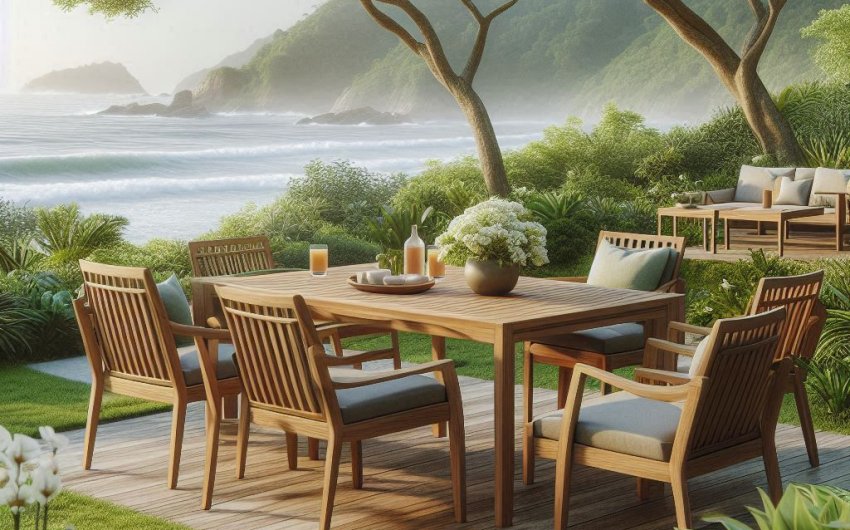
Living near the coast or having a poolside oasis brings unique joys, but it also presents a specific challenge for outdoor furnishings: saltwater corrosion. The corrosive effects of salt, whether from ocean spray or chlorinated pool water, can quickly degrade most garden furniture materials, leading to rust, fading, and structural weakening. If you're wondering how do I choose garden furniture that is resistant to saltwater corrosion, you're smart to consider this vital factor upfront. Investing in the right materials and understanding proper care can save you significant money and frustration, ensuring your outdoor living space remains beautiful and functional for years to come.
Why is Saltwater Corrosion a Major Concern for Garden Furniture?
Saltwater, whether from the ocean, a salt-chlorinated pool, or even de-icing salts used on pathways, creates an extremely corrosive environment for many common outdoor furniture materials. Understanding why this happens is the first step in choosing furniture that can withstand these harsh conditions.
How Does Salt Accelerate Degradation?
- Oxidation (Rust): Salt (specifically chloride ions) acts as an electrolyte, significantly accelerating the oxidation process in metals, particularly iron and steel. This leads to rust, which manifests as reddish-brown flakes that weaken the metal's structure and compromise its integrity.
- Pitting Corrosion: Chloride ions can also cause localized damage, creating small, deep holes or "pits" in otherwise corrosion-resistant metals like stainless steel or aluminum, eventually leading to structural failure.
- Material Breakdown: Beyond metals, salt can cause other materials to degrade:
- Wood: Salt can dry out wood, leading to cracking, splitting, and faster deterioration.
- Plastics/Resins: While often resistant to rust, some plastics can become brittle and discolored due to salt crystal buildup and UV exposure when combined with salt.
- Finishes: Paint, powder coatings, and other protective finishes can blister, peel, or fade rapidly when exposed to salt, leaving the underlying material vulnerable.
- Abrasive Effect: Salt crystals, especially airborne sea spray, can also have a subtle abrasive effect, scratching surfaces and making them more susceptible to further damage.
What are the Different Sources of Saltwater Exposure?
- Ocean Front: Direct exposure to sea spray and humid, salt-laden air. This is the most severe environment.
- Coastal Areas: Even miles from the beach, sea mist carried by wind can deposit salt.
- Saltwater Pools: Chlorine can combine with salt (in salt-chlorinated pools) to create a highly corrosive environment for metals, particularly around the pool deck.
- Road Salts: If your garden furniture is near pathways treated with de-icing salts in winter, it can also experience corrosion.
Knowing your level of exposure is key to making the best material choices for garden furniture resistant to saltwater corrosion.
What Metals Are Most Resistant to Saltwater Corrosion?
When it comes to metal garden furniture, not all types are created equal in the face of saltwater. Choosing the right metal is paramount for durability and longevity in a corrosive environment.
Which Metals Offer the Best Saltwater Resistance?
Marine-Grade Polymer (HDPE): While not a metal, this is arguably the single most saltwater-resistant material for outdoor furniture. Made from high-density polyethylene, it's designed specifically for marine environments.
- Pros: Absolutely no rust, impervious to salt spray and chlorinated water, extremely durable, heavy, often made from recycled plastics, comes in various colors, requires very little maintenance.
- Cons: Can be very expensive, has a distinct "plastic" aesthetic that might not suit all styles, can feel less luxurious than high-end metals or wood.
- Best Use: All coastal or poolside environments. The ultimate choice for marine-grade outdoor furniture.
316 Marine-Grade Stainless Steel: This is the gold standard for stainless steel in saltwater environments.
Advertisement- Pros: Highly resistant to rust and pitting corrosion from chloride ions, extremely durable, strong, and has a sleek, modern aesthetic.
- Cons: Very expensive, still requires some maintenance (regular rinsing) to prevent "tea staining" (superficial rust spots), can get hot in direct sun.
- Best Use: High-end coastal or poolside furniture where budget allows. A 316 stainless steel garden chair will last a lifetime.
High-Quality Powder-Coated Aluminum: Aluminum naturally forms a protective oxide layer, making it highly rust-resistant. A high-quality powder coating provides an additional barrier against salt.
- Pros: Lightweight (easy to move), strong, naturally rust-resistant, comes in many colors/finishes, relatively lower maintenance than steel.
- Cons: Can still scratch or chip, exposing the raw aluminum to the elements. Pitting can occur in very high salt concentrations if the coating is compromised. Less dense/heavy than steel (can blow in strong winds if not substantial).
- Best Use: General coastal/poolside use, especially where weight is a factor. Look for a thick, multi-stage powder-coated aluminum patio set.
Metals to Avoid or Use with Caution in Saltwater Environments:
- Wrought Iron / Steel: These will rust quickly and severely in saltwater environments, even with protective coatings. Avoid unless you are prepared for constant maintenance and frequent re-painting.
- Standard Stainless Steel (e.g., 304 Grade): While better than iron, 304 stainless steel is susceptible to pitting corrosion in chloride-rich environments. It will eventually show rust spots. Only 316 grade is truly recommended for coastal use.
When examining metal furniture, always ask about the specific grade of stainless steel or the quality of the powder coating on aluminum. It makes a significant difference in its ability to resist saltwater corrosion.
What Woods and Synthetics Resist Saltwater Degradation?
Beyond metals, certain types of wood and synthetic materials offer excellent resilience against the corrosive and deteriorating effects of salt and harsh coastal conditions. Choosing these materials is a smart move for garden furniture resistant to saltwater corrosion.
Which Wood Types are Best for Coastal Environments?
While no wood is entirely immune to the elements, some are far more durable in saltwater environments. They tend to be naturally rich in oils and dense, which provides natural protection.
- Teak:
- Pros: The gold standard for outdoor wood furniture. Naturally rich in oils and silica, making it extremely resistant to rot, insects, and salt. Ages gracefully to a beautiful silvery-gray patina. Extremely durable and long-lasting.
- Cons: Very expensive. Sourced sustainably if possible.
- Maintenance: Can be left to weather or treated with teak oil to maintain its golden color.
- Best Use: High-end, durable coastal furniture. A solid teak patio bench is a lasting investment.
- Ipe (Brazilian Walnut):
- Pros: Extremely dense and durable, often compared to teak. Naturally resistant to rot, insects, and wear. Also weathers to a silvery-gray.
- Cons: Very dense and heavy, difficult to work with. Can splinter if not maintained. Also expensive.
- Maintenance: Similar to teak.
- Best Use: Extremely durable decking and furniture.
- Recycled/Reclaimed Woods (e.g., Old Boat Wood):
- Pros: Unique, weathered look. Often made from naturally durable woods that have already proven their resilience to salt. Environmentally friendly.
- Cons: Can be difficult to source consistently. Quality and durability vary widely depending on the original wood and its condition.
- Best Use: Unique, rustic coastal pieces.
- Cedar (Western Red Cedar):
- Pros: Naturally resistant to rot and insects due to inherent oils. Lightweight and aromatic. More affordable than teak or ipe.
- Cons: Softer than hardwoods, can dent more easily. Will fade to gray if not sealed. Less durable than teak in extreme salt exposure.
- Maintenance: Benefits from regular sealing or staining to prolong life.
What Synthetic Materials Excel in Saltwater Environments?
Synthetic materials have come a long way and offer fantastic performance against salt and weather.
- HDPE (High-Density Polyethylene) / Marine-Grade Polymer: (Already mentioned under metals as it's a top contender across all categories).
- Pros: Absolutely impervious to salt, chlorine, moisture, and UV. Extremely durable, never splinters, fades very little, made from recycled plastic (often milk jugs). Requires virtually no maintenance beyond cleaning.
- Cons: Heavy. Distinct "plastic" look might not appeal to everyone. Can be costly.
- Best Use: Any and all coastal/poolside applications where extreme durability and low maintenance are prioritized. Look for Polywood outdoor furniture, a popular brand of HDPE.
- Woven Resin Wicker (HDPE or PVC synthetic rattan):
- Pros: Designed to mimic natural wicker but is far more durable outdoors. Most importantly, it's highly resistant to salt, UV, and moisture. Lightweight, comfortable, and comes in many styles.
- Cons: Quality varies. Cheaper PVC-based resin wicker can become brittle and crack faster than HDPE. Can get hot in direct sun.
- Best Use: Lounge sets, dining sets, where a woven aesthetic is desired. Ensure it's high-quality HDPE resin wicker. A synthetic rattan patio set is a good choice.
- Textilene Sling Fabric:
- Pros: Used for chair seats and backs. Made from woven PVC-coated polyester. Extremely quick-drying, mold-resistant, UV-resistant, and completely unaffected by salt or chlorine.
- Cons: Can be stretched over time. Limited to specific furniture designs.
- Best Use: Sling chairs, pool loungers. A Textilene outdoor lounge chair is perfect by the pool.
When selecting wood or synthetic furniture for a saltwater environment, always prioritize materials explicitly designed or proven for marine or coastal conditions to ensure your investment lasts.
How Important are Fasteners and Hardware for Saltwater Resistance?
Even if the main body of your garden furniture is made from a highly resistant material, the small components like screws, bolts, and hinges can be a major weak point. When asking how do I choose garden furniture that is resistant to saltwater corrosion, pay close attention to the details of the hardware.
Why is Hardware Quality So Critical?
- Galvanic Corrosion: This is a major concern when dissimilar metals are in contact in the presence of an electrolyte (like saltwater). For example, a standard steel screw used with an aluminum frame can cause rapid corrosion of the aluminum at the contact point.
- Structural Integrity: If screws, bolts, or welded joints rust and weaken, the entire piece of furniture can become unstable, unsafe, and eventually fall apart, even if the main frame material is fine.
- Aesthetics: Rust streaks running down a pristine frame are unsightly and difficult to remove.
What Materials are Best for Furniture Hardware in Saltwater?
- 316 Marine-Grade Stainless Steel: This is the absolute best choice for fasteners, hinges, and any other metal hardware in saltwater environments. It's designed to resist pitting and general corrosion from chlorides.
- Identification: Look for "316 SS" or "Marine Grade Stainless Steel" in product specifications.
- High-Quality Aluminum Hardware (matched to aluminum frames): If the frame is aluminum, using aluminum hardware (or 316 stainless steel) prevents galvanic corrosion.
- Nylon/Plastic Fasteners: In certain applications, especially with HDPE or synthetic wicker furniture, some fasteners might be made of durable, UV-stabilized nylon or plastic. These are excellent as they are completely impervious to corrosion.
What to Avoid in Hardware:
- Standard Steel or Iron: These will rust very quickly.
- 304 Stainless Steel: While good for general outdoor use, it will eventually show pitting and rust spots in direct saltwater exposure.
- Poorly Coated Metals: Any metal hardware that relies solely on a thin paint or cheap plating will fail rapidly as soon as the coating is scratched or compromised.
Always ask the manufacturer or seller about the quality and type of hardware used. If the product description doesn't specify "316 marine-grade stainless steel hardware" for metal furniture, it's a red flag. A single cheap screw can compromise an otherwise high-quality piece.
How Does Construction and Finish Affect Corrosion Resistance?
Beyond the raw materials, the way garden furniture is constructed and the type of protective finish applied play a significant role in its overall resistance to saltwater corrosion. These manufacturing details are key when evaluating what to look for in a good garden furniture set.
What Construction Aspects Enhance Resistance?
- Welds: For metal frames, examine the quality of the welds. Poor or incomplete welds can create crevices where salt and moisture can collect, accelerating corrosion. Strong, continuous, and smooth welds are preferred.
- Seamless Designs: Fewer joints or seams mean fewer points for salt to penetrate and accumulate.
- Drainage Holes: For hollow metal tubing, small drainage holes (often at the bottom of legs) can prevent water and salt from pooling inside, which would otherwise lead to internal corrosion.
- Protective Caps/Glides: Legs should have sturdy, non-marring caps or glides (often made of durable plastic or nylon) that prevent direct contact between the metal and wet surfaces. These also protect floors/decks.
What Finishes Provide the Best Protection?
The coating on a metal frame acts as the first line of defense against corrosion.
- Powder Coating (High-Quality):
- Mechanism: A dry powder is applied electrostatically and then cured under heat, forming a hard, durable, and uniform finish.
- Pros: Superior to liquid paint in terms of durability, chip resistance, and protection against UV and corrosion. A multi-stage powder coating process (e.g., involving pre-treatment, primer, and topcoat) is best.
- Cons: Can be compromised if scratched deeply, exposing the underlying metal.
- Look For: Explicit mentions of "multi-stage powder coating" or "baked-on powder coat" on aluminum.
- Anodized Aluminum:
- Mechanism: An electrochemical process that thickens the natural oxide layer on aluminum, making it even harder and more corrosion-resistant.
- Pros: Highly durable, excellent corrosion resistance, especially in marine environments.
- Cons: Limited color choices (often natural aluminum tones or dark colors).
- Best Use: Marine-grade aluminum products.
- Electrostatic Painting (E-coating):
- Mechanism: A primer layer applied via an electrical charge, ensuring complete coverage, even in hidden crevices. Often followed by powder coating.
- Pros: Provides an excellent base layer of corrosion protection, especially in hard-to-reach areas.
- Look For: If mentioned in conjunction with powder coating, it indicates a high-quality finish.
Avoid: Furniture with thin, standard spray paint finishes. These will chip, peel, and allow corrosion to set in very quickly.
How Can You Maintain Saltwater-Resistant Garden Furniture?
Even furniture explicitly designed to be resistant to saltwater corrosion benefits from regular maintenance. Proper care can significantly extend its lifespan and keep it looking new, maximizing the benefits of choosing resilient materials.
What are Essential Maintenance Practices?
- Regular Rinsing: This is the single most important maintenance step for coastal or poolside furniture.
- Frequency: Ideally, rinse with fresh water weekly, or even more frequently after strong winds or heavy salt spray. For poolside furniture, rinse after each significant use.
- Method: Use a hose to thoroughly rinse all surfaces, paying special attention to joints, crevices, and areas where salt might accumulate.
- Gentle Cleaning:
- Mild Soap and Water: Periodically clean your furniture with a mild soap (like dish soap) and water. Use a soft brush or cloth.
- Rinse Thoroughly: Always rinse off all soap residue completely with fresh water.
- Avoid Harsh Chemicals: Do not use abrasive cleaners, bleach, or strong detergents, as these can damage finishes or materials.
- Inspect for Damage:
- Regular Checks: Periodically inspect your furniture for any signs of damage to the protective finish (scratches, chips, blisters), rust spots, or loosening hardware.
- Address Promptly: Touch up minor scratches on powder-coated aluminum immediately with a color-matching paint pen to prevent corrosion from starting. Tighten any loose bolts or screws.
- Winter Storage (If Applicable):
- Clean and Dry: Before storing for the off-season, thoroughly clean and completely dry all furniture.
- Cover: If outdoor storage is unavoidable, use a high-quality, breathable, waterproof outdoor furniture cover to protect it from harsh winter elements, including salt residue if still present in the air.
- Indoor Storage: Best option for maximum protection, especially in areas with very harsh winters.
- Specific Material Care:
- Teak/Ipe: Can be left to weather or regularly treated with specific teak cleaners or oils to maintain golden color.
- 316 Stainless Steel: Even marine-grade steel can develop "tea staining" (surface rust spots) in very harsh environments. This is superficial and can usually be removed with a stainless steel cleaner designed for marine use, like Star Brite Stainless Steel Cleaner. Regular rinsing prevents this.
- Resin Wicker/HDPE: Simply wash with soap and water.
By proactively selecting garden furniture that is resistant to saltwater corrosion and committing to a consistent maintenance routine, you can create a beautiful and enduring outdoor living space that stands up to the unique challenges of coastal or poolside environments. Your investment will provide years of enjoyment without the frustration of premature degradation.