
What Are the Best Non-Toxic Garden Furniture Finishes for Organic Gardens?
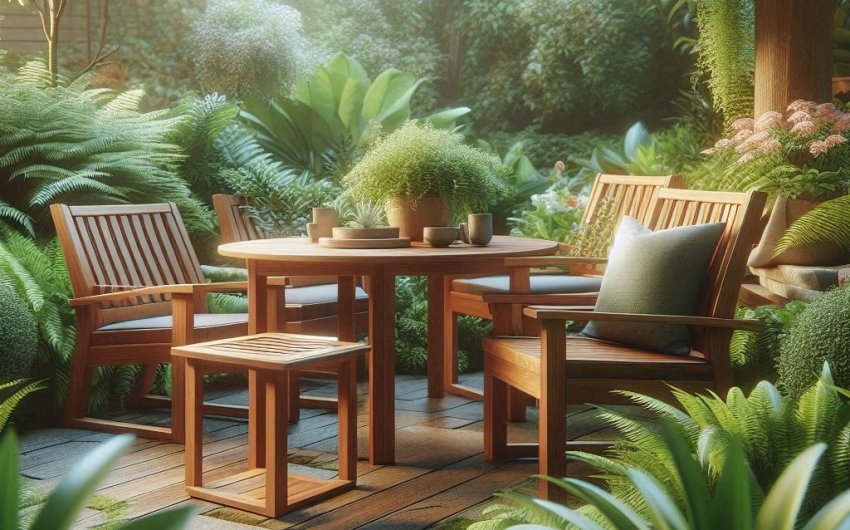
When cultivating an organic garden, the commitment to natural, chemical-free practices often extends beyond the soil and plants to the surrounding environment, including garden furniture. Choosing the right finishes becomes crucial, as toxic chemicals in paints and sealants can leach into the soil, harm beneficial insects, or impact air quality. Understanding what are the best non-toxic garden furniture finishes for organic gardens ensures that your outdoor living spaces are not only beautiful and durable but also perfectly aligned with your eco-conscious gardening philosophy.
Why are Non-Toxic Finishes Important for Organic Gardens?
The decision to use non-toxic garden furniture finishes for organic gardens is more than just a preference; it's a critical component of maintaining a truly healthy and sustainable outdoor ecosystem. Standard finishes can introduce harmful elements that compromise the very principles of organic gardening.
1. Protection of Soil and Plants
- Leaching of Chemicals: Traditional paints, stains, and sealants often contain volatile organic compounds (VOCs), heavy metals (like lead or chromium, though less common now in consumer products), fungicides, and pesticides. Over time, and especially with exposure to rain and sun, these chemicals can leach from the furniture into the surrounding soil.
- Contamination: If these chemicals contaminate the soil, they can be absorbed by your organic plants, negating your efforts to grow chemical-free food. They can also persist in the soil, affecting its long-term health and microbial life.
- Direct Contact: Plants (especially vining or sprawling ones) may come into direct contact with the furniture, absorbing residues. Raised beds made from finished wood are particularly susceptible to this issue.
2. Safeguarding Pollinators and Beneficial Insects
- Insecticides/Fungicides in Finishes: Some outdoor finishes contain insecticides or fungicides designed to protect the wood from pests and mildew. While effective for the furniture, these chemicals can be detrimental to non-target insects.
- Direct Exposure: Pollinators like bees and butterflies, or beneficial predatory insects (e.g., ladybugs) that land on your furniture can pick up chemical residues, which can then be carried back to their nests or spread through the garden. This can disrupt the delicate ecological balance that organic gardening strives to achieve.
- Airborne Drift: VOCs released from finishes can become airborne, potentially affecting insects or even plants at a distance.
3. Human and Pet Health
- VOCs (Volatile Organic Compounds): Many conventional finishes release VOCs into the air, particularly during application and curing. These can cause respiratory irritation, headaches, and other health issues in humans and pets. Even after curing, some level of off-gassing can continue.
- Direct Contact: Children and pets often interact closely with garden furniture. Choosing non-toxic finishes minimizes their exposure to potentially harmful substances through touch or incidental ingestion (e.g., a child putting a hand on a treated bench and then in their mouth).
- Food Contamination: If you're using furniture directly in or near edible garden areas (e.g., a potting bench, raised bed frame), the risk of chemical transfer to food plants becomes a direct concern for consumption.
4. Environmental Impact Beyond Your Garden
- Manufacturing Process: The production of conventional finishes often involves harsh chemicals, contributing to pollution and resource depletion. Non-toxic options typically have a more environmentally friendly manufacturing footprint.
- Waste Disposal: Disposal of unused conventional finishes or materials treated with them can contribute to hazardous waste.
5. Alignment with Organic Principles
- Organic gardening emphasizes working with nature, fostering healthy ecosystems, and avoiding synthetic chemicals. Using non-toxic finishes extends this philosophy to your hardscaping and furniture, creating a truly holistic and harmonious organic space.
By consciously choosing non-toxic garden furniture finishes for organic gardens, you contribute to a safer, healthier, and more sustainable outdoor environment for your plants, pollinators, pets, and family.
What Are Truly Non-Toxic Outdoor Wood Finishes?
When seeking non-toxic garden furniture finishes for organic gardens, especially for wood, the key is to look for natural, plant-based, or mineral-based products with low to zero VOCs. These finishes protect wood while remaining environmentally benign.
1. Linseed Oil (Flax Oil)
- What it is: A natural, non-toxic oil derived from flax seeds. Available as "raw linseed oil" (slow-drying) or "boiled linseed oil" (faster-drying, often contains metallic dryers, so look for "pure boiled linseed oil" without added chemicals if possible, or opt for raw if drying time isn't an issue).
- Pros:
- 100% Natural: Pure linseed oil is entirely plant-based and non-toxic.
- Penetrating: Soaks into the wood, nourishing and protecting it from within, rather than forming a film on the surface.
- Enhances Grain: Beautifully enhances the natural grain and color of the wood.
- Breathable: Allows wood to breathe, reducing swelling and cracking.
- Repairable: Easy to reapply and touch up.
- Cons:
- Slow Drying: Raw linseed oil can take days or even weeks to fully cure. Boiled versions dry faster but may contain metallic dryers (check labels for pure versions).
- Mold Risk (if not cured): If not fully cured and in damp conditions, it can be susceptible to mildew.
- Requires Reapplication: Needs regular reapplication (annually or every other year) for outdoor furniture.
- Combustible Rags: Rags soaked in linseed oil can spontaneously combust if not properly disposed of (lay flat to dry, or soak in water before bagging).
- Application: Apply thin coats with a brush or rag. Wipe off excess after 15-30 minutes. Allow each coat to cure before reapplying.
2. Tung Oil
- What it is: A natural, non-toxic oil extracted from the nuts of the tung tree. Pure tung oil is distinct from "tung oil finish," which often contains varnishes and other chemicals. Always choose 100% pure tung oil.
- Pros:
- Food Safe: Pure tung oil is food-safe and non-toxic.
- Penetrating and Protective: Penetrates deeply into wood, forming a durable, water-resistant finish.
- Excellent Water Resistance: Provides superior water resistance compared to linseed oil.
- Less Mold Prone: Less susceptible to mildew than linseed oil.
- Non-Yellowing: Does not yellow over time.
- Repairable: Easy to reapply and maintain.
- Cons:
- Slow Drying: Can be very slow to dry, especially in humid conditions. Often needs multiple thin coats.
- Nut Allergen: Derived from tree nuts, so consider for severe nut allergies.
- Requires Reapplication: Needs regular reapplication (annually or every other year) for outdoor furniture.
- Combustible Rags: Similar disposal precautions as linseed oil.
- Application: Apply thin coats. Wipe off excess. Allow to dry completely between coats.
3. Natural Wood Waxes (e.g., Beeswax, Carnauba Wax blends)
- What they are: Blends of natural waxes (like beeswax, carnauba wax) and often a natural oil (linseed, tung) or mineral spirits. Look for formulations specifically for outdoor use or that are food-safe.
- Pros:
- Natural and Non-Toxic: Made from natural ingredients.
- Water Repellent: Forms a protective, water-repellent barrier on the surface of the wood.
- Lustrous Finish: Provides a beautiful, soft sheen.
- Cons:
- Less Durable: Offers less long-term protection than penetrating oils, especially in harsh weather.
- Requires Frequent Reapplication: Will need reapplication more often (every few months or seasonally) for outdoor use.
- Can be Soft: Can soften in very hot weather.
- Application: Apply with a cloth, rub into the wood, and buff.
4. Zero/Low VOC Water-Based Wood Sealers (Carefully Chosen)
- What they are: While "natural" oils are preferred, if you need a film-forming finish, look for water-based sealers that explicitly state "zero VOC" or "ultra-low VOC" and are third-party certified (e.g., by Green Seal, GREENGUARD).
- Pros:
- Film-Forming Protection: Provides a more robust, longer-lasting barrier than oils or waxes.
- Faster Drying: Generally much faster drying than natural oils.
- Easy Cleanup: Water cleanup.
- Cons:
- Not Fully Natural: Still synthetic polymers, even if VOC-free.
- Can Peel/Chip: Film-forming finishes can sometimes peel or chip over time, requiring sanding before reapplication.
- Transparency: Verify ingredients; some may still contain trace chemicals.
- Application: Follow manufacturer's instructions for sanding, application, and curing.
When choosing these non-toxic garden furniture finishes for organic gardens, always verify the ingredients list and look for third-party certifications (like USDA Organic seal for oils, or Green Seal for VOCs) to ensure they meet your organic standards. A good natural choice is Tried & True Danish Oil, which is pure linseed oil.
How Do I Prepare Wood Furniture for Non-Toxic Finishing?
Proper preparation is just as important as the finish itself when using non-toxic garden furniture finishes for organic gardens. A clean, smooth, and dry surface ensures that your chosen non-toxic product adheres properly, penetrates deeply (for oils), and provides the best possible protection.
1. Cleaning the Furniture
Thorough cleaning removes dirt, grime, and mildew that can prevent the finish from adhering.
- Tools: Stiff brush, bucket, mild natural soap (e.g., castile soap, or a dedicated eco-friendly outdoor cleaner), water, clean rags.
- Steps:
- Remove Loose Debris: Brush off any loose dirt, dust, cobwebs, or leaves.
- Wash: Mix a small amount of mild natural soap with water. Use a stiff brush or sponge to scrub down the entire piece of furniture. Pay extra attention to crevices and areas with visible dirt or grime.
- Address Mold/Mildew: For areas with mold or mildew, use a solution of 1 part white vinegar to 4 parts water (or a dedicated eco-friendly mold cleaner). Scrub the affected areas. Vinegar is a natural fungicide.
- Rinse Thoroughly: Rinse the furniture thoroughly with clean water, ensuring all soap or cleaning solution residue is removed. Leftover soap can interfere with the finish.
- Dry Completely: Allow the furniture to dry completely, preferably in the sun for several hours or even a full day. Moisture trapped under the finish will cause bubbling, peeling, or mildew. Ensure the wood is bone dry.
2. Sanding for Smoothness and Adhesion
Sanding creates a smooth surface and helps the finish penetrate or adhere properly.
- Tools: Sandpaper (various grits: 80-grit for rough, 120-grit for general, 180-220-grit for final smoothing), sanding block, orbital sander (for large flat areas).
- Steps (New/Unfinished Wood):
- Start with 120-grit sandpaper to smooth out any rough spots or milling marks.
- Follow with 180-220-grit sandpaper for a finer, smoother finish.
- Sand in the direction of the wood grain to avoid cross-grain scratches.
- Steps (Previously Finished Wood):
- If there's an old, peeling, or damaged finish, you may need to strip it off first using a non-toxic stripper or by sanding aggressively with coarser grit sandpaper (80-grit) to remove the old layer.
- Once the old finish is removed or significantly dulled, proceed with general sanding as for new wood.
- Remove Dust: After sanding, thoroughly wipe down the furniture with a tack cloth or a slightly damp (then dry) cloth to remove all sanding dust. Dust will prevent the finish from properly adhering.
3. Making Minor Repairs
Before finishing, address any small imperfections.
- Splinters/Rough Spots: Sand them down thoroughly to prevent snags and improve comfort.
- Small Cracks/Gouges: For minor imperfections, you can use a wood filler designed for outdoor use. Look for water-based, low-VOC options if available. Sand smooth once dry.
- Loose Joints: Tighten any loose screws or hardware. If wooden joints are wobbly, consider using a waterproof, non-toxic wood glue and clamps to reinforce them.
By meticulously preparing your wood furniture, you lay the groundwork for a successful and long-lasting application of non-toxic garden furniture finishes for organic gardens, ensuring durability without compromising your eco-friendly principles.
How Do I Apply Non-Toxic Wood Finishes for Outdoor Use?
Applying non-toxic garden furniture finishes for organic gardens requires attention to detail, especially with natural oil-based products which have unique characteristics. Proper application ensures maximum protection and durability.
General Application Principles for Oils and Waxes:
- Work in a Well-Ventilated Area: Even low/zero VOC products benefit from good airflow.
- Ideal Conditions: Apply on a dry, mild day (avoid extreme heat, cold, or high humidity). Ensure the furniture is completely dry.
- Test Patch: Always apply the finish to an inconspicuous area first to check color and absorption.
- Thin Coats are Key: Natural oils and waxes build protection through multiple thin coats, not one thick one. This prevents stickiness and uneven drying.
Application for Linseed Oil and Tung Oil:
These are penetrating oils that soak into the wood.
- Initial Coat (Generous): Apply a liberal coat of oil to all surfaces using a brush, foam applicator, or clean rag.
- Allow to Soak: Let the oil soak into the wood for 15-30 minutes (or longer, depending on the wood and product, check label). You'll see the wood absorb the oil.
- Wipe Off Excess (Crucial!): This is the most critical step to prevent stickiness and uneven drying.
- Using a clean, lint-free cloth, thoroughly wipe off all excess oil from the surface. The wood should feel dry to the touch, not oily or greasy. If it feels sticky, you haven't wiped enough.
- Change rags frequently as they become saturated.
- Allow to Cure/Dry:
- This is the longest part. Allow each coat to cure completely before applying the next. This can take 24-48 hours for "boiled" oils, or several days to weeks for raw oils, depending on temperature and humidity. The surface should no longer feel tacky.
- Lack of full curing between coats will lead to a sticky, messy finish.
- Subsequent Coats: Apply 3-5 thin coats for good outdoor protection. Follow the soak-and-wipe, then dry-completely process for each coat.
- Cure Time: Allow the final coat to fully cure for several days or even a week before heavy use or exposure to rain.
- Combustible Rags: IMMEDIATELY lay out oil-soaked rags flat to dry in a single layer, or immerse them in water in a sealed container, before disposing. They are a fire hazard.
Application for Natural Waxes:
- Apply Thinly: Use a clean cloth to rub a very thin, even layer of wax onto the wood surface.
- Allow to Haze: Let the wax dry and "haze over" slightly (usually 10-20 minutes).
- Buff: With a clean, soft cloth, vigorously buff the surface until it achieves a desired sheen.
- Repeat: Apply additional thin coats as desired for more protection or shine.
Application for Low VOC Water-Based Sealers:
These are film-forming and behave more like traditional paints.
- Stir Thoroughly: Stir the sealer well before and during use.
- Apply Thinly and Evenly: Use a brush, roller, or sprayer to apply a thin, even coat. Avoid drips and runs.
- Allow to Dry: Allow the first coat to dry completely according to manufacturer's instructions (usually a few hours).
- Light Sanding (Optional): Some products recommend a light sanding with 220-grit sandpaper between coats for better adhesion and smoothness.
- Subsequent Coats: Apply 2-3 coats for good outdoor durability.
- Cure Time: Allow the final coat to cure fully before placing the furniture outdoors or exposing it to heavy use/rain.
Maintenance for Non-Toxic Finishes:
- Regular Cleaning: Clean furniture periodically with mild soap and water.
- Reapplication: Natural oil and wax finishes will need reapplication more frequently than conventional finishes (typically annually or every other year for outdoor furniture), depending on exposure to sun and rain. Look for dullness or lack of water beading as signs it's time to reapply.
- Inspect for Damage: Address any dings or scratches promptly with a touch-up coat.
By diligently following these application guidelines, your non-toxic garden furniture finishes for organic gardens will provide effective, eco-friendly protection, keeping your furniture beautiful for years.
What Are Alternative Materials for Furniture in Organic Gardens?
Beyond finishing wood, choosing the right furniture material from the start can be a key strategy for maintaining an organic garden. Some materials are inherently more sustainable and require no toxic finishes, making them ideal choices for non-toxic garden furniture for organic gardens.
1. Naturally Durable Wood (Left Unfinished)
Certain wood species possess natural oils and density that make them highly resistant to rot, decay, and insect damage, allowing them to be left completely unfinished outdoors.
- Teak (Tectona grandis):
- Pros: The gold standard for outdoor wood. Contains high levels of natural oils that repel water and resist rot, fungi, and insects. Extremely durable and long-lasting (decades).
- Appearance: Ages beautifully to a silvery-gray patina when left unfinished.
- Cons: Very expensive due to slow growth and demand. Ensure it's sustainably sourced (FSC-certified).
- Cedar (Western Red Cedar, Eastern Red Cedar):
- Pros: Naturally resistant to rot and insects due to aromatic oils. Lightweight, readily available, and more affordable than teak. Ages to a silvery-gray.
- Cons: Softer than teak, can dent or scratch more easily. Requires more maintenance if you want to retain its original color.
- Redwood:
- Pros: Similar to cedar in rot and insect resistance, lightweight. Ages well.
- Cons: Can be expensive and is less available outside its native range. Ensure it's sustainably sourced.
- Black Locust:
- Pros: Extremely durable, rot-resistant native hardwood. Very strong.
- Cons: Hard to find in furniture form, more common for fence posts. Can be very heavy.
2. Recycled Plastic (HDPE - High-Density Polyethylene)
- What it is: Furniture made from recycled plastic (often milk jugs or detergent bottles) that is formed into lumber-like planks.
- Pros:
- Zero Maintenance: Does not require any painting, staining, sealing, or finishing.
- Extreme Durability: Impervious to rot, insects, mildew, and weather extremes. Will not splinter, crack, or fade significantly.
- Eco-Friendly: Made from recycled materials, diverting waste from landfills.
- Color-Fast: Colors are UV-stabilized and run throughout the material, so scratches are less noticeable.
- Cons:
- Appearance: While quality has improved, it can still look less "natural" than wood to some.
- Cost: Often more expensive than mid-range wood or metal furniture, but compensates with zero maintenance over its very long lifespan.
- Weight: Can be quite heavy, making it stable in wind but less portable.
- A reliable option is Polywood Outdoor Furniture.
3. Wrought Iron or Cast Aluminum (Unfinished or Powder-Coated)
- What they are: Heavy, durable metals. Wrought iron is solid iron; cast aluminum is lighter but still substantial.
- Pros:
- Durability: Extremely strong and long-lasting.
- Stability: Their weight makes them excellent for windy areas.
- No Toxic Finishes (if chosen carefully): Can be left raw (will rust gracefully) or, more practically, choose items with non-toxic powder coating. Powder coating is a dry finishing process that uses no solvents, resulting in zero VOCs during application and curing.
- Cons:
- Wrought Iron: Prone to rust if coating is compromised; very heavy.
- Cast Aluminum: Lighter than iron but still solid; can be more expensive.
- Consideration for Powder Coating: While the application process is non-toxic, the base metal and pigments still exist. However, it's a vastly superior choice to solvent-based paints for organic gardens.
4. Natural Stone or Concrete
- What they are: Furniture made from solid blocks of natural stone (granite, limestone, basalt) or molded concrete.
- Pros:
- Extreme Durability: Virtually indestructible, impervious to weather, rot, pests, and fire.
- Zero Maintenance: Requires no finishes whatsoever.
- Timeless Aesthetic: Offers a classic, minimalist, or sculptural look.
- Immovable: Excellent for very windy areas.
- Cons:
- Weight: Extremely heavy, not portable once placed.
- Cost: Can be expensive.
- Comfort: Often requires cushions for comfortable seating.
By selecting furniture made from these inherently sustainable and durable materials, you can create a truly chemical-free outdoor oasis, perfectly aligning with the principles of non-toxic garden furniture for organic gardens.