
What Causes Fruit Cracking in Plums and How Can I Minimize It?
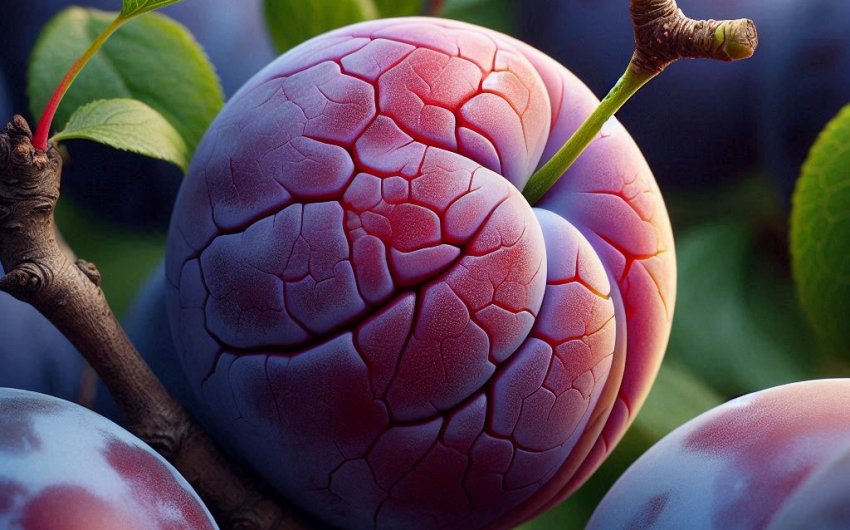
There’s nothing quite like the joy of harvesting ripe, juicy plums from your own backyard tree. The sweet, tangy flavor, the vibrant colors – it's a true taste of summer. But sometimes, just as your beautiful plums are ripening, you notice a disheartening sight: cracks appearing on the fruit's skin. This phenomenon, known as fruit cracking, is a common issue for many fruit growers, and plums are particularly susceptible. It's frustrating to see potential perfect fruit split open, making them vulnerable to pests, diseases, and ultimately, unmarketable or inedible.
Fruit cracking in plums can be caused by a few different factors, but they almost always boil down to inconsistencies in how the fruit develops, usually related to water. While you can't control the weather, you can take several steps in your orchard management to significantly minimize the problem. Understanding the "why" behind plum cracking is the first step to enjoying a healthier, more perfect plum harvest.
This guide will unveil what causes fruit cracking in plums and, more importantly, provide practical, actionable tips on how you can minimize it. Get ready to protect your precious plum crop and enjoy more unblemished, perfectly ripe fruit this season!
What is Fruit Cracking in Plums?
Before we dive into the causes, let's clearly define what we're talking about. Fruit cracking is a physiological disorder, meaning it's a problem with how the fruit grows, rather than an infection from a pest or disease. It’s a common issue across many fruits, including cherries, tomatoes, and, of course, plums.
The Appearance of Cracking
Fruit cracking in plums appears as splits or ruptures in the skin of the fruit. These cracks can vary in size and depth:
- Small, Fine Cracks: Sometimes called "micro-cracks" or "checking," these are tiny, shallow splits that might appear on the skin, often near the stem end or along the suture line (the seam where the two halves of the plum meet). They might not always go deep into the flesh.
- Deep, Wide Cracks: More severe cracking results in obvious, often jagged splits that extend deep into the plum's flesh, sometimes exposing the pit.
- Concentric Cracks: Cracks that form in circles, often around the stem end.
When Does It Occur?
Fruit cracking in plums most commonly occurs as the fruit is approaching ripening, typically in the last few weeks or days before harvest. This is because the fruit is rapidly expanding and the skin is under the most tension at this stage. You might see it suddenly appear after a heavy rain following a dry spell.
The Immediate Consequences
Once a plum cracks, it becomes highly vulnerable:
- Pest Entry: Cracks provide an open invitation for fruit flies, ants, wasps, and other insects to feed on the sweet flesh.
- Disease Entry: Fungal spores (like brown rot) and bacteria can easily enter the fruit through cracks, leading to rapid decay and spread of disease throughout the orchard.
- Reduced Quality: Cracked fruit is no longer marketable for fresh eating and is often unsuitable for processing due to quality issues.
- Food Loss: For the home gardener, it means losing a significant portion of your hard-earned harvest.
The Underlying Mechanism: Uneven Growth
At its core, fruit cracking in plums is a result of uneven growth rates between the inner fruit pulp and the outer skin.
- Skin Rigidity: The skin of the plum is somewhat elastic but also has a limit to how much it can stretch.
- Rapid Water Uptake: When the tree suddenly takes up a large amount of water (e.g., after a heavy rain following a dry period, or sudden excessive irrigation), this water is rapidly pushed into the fruit.
- Internal Pressure: The fruit pulp swells much faster than the skin can expand. This creates immense internal pressure.
- Skin Rupture: When the pressure exceeds the skin's elasticity, it ruptures, leading to the visible cracks.
- Cell Wall Weakness: Sometimes, weak cell walls in the skin (due to nutrient deficiencies) can also contribute to the skin's inability to withstand this pressure.
Understanding this mechanism helps us identify the primary culprits and develop strategies to minimize this frustrating problem in your plum orchard.
What Causes Fruit Cracking in Plums?
Now that we know what fruit cracking in plums looks like, let's dig into the main culprits. It almost always comes down to inconsistencies in water supply, but other factors play a supporting role.
1. Inconsistent Water Supply: The Primary Culprit
This is the number one cause of fruit cracking in plums and many other fruits. Plums need a steady, even supply of moisture, especially during the final ripening stage.
- Dry Spell Followed by Heavy Rain: Imagine a plum tree that has been in relatively dry conditions for a period. Its fruit is growing, but the cells aren't fully plump. Then, a sudden, heavy rainfall hits. The tree's roots rapidly absorb a huge amount of water, which is quickly transported to the fruit. The fruit pulp swells much faster than the skin can stretch, leading to an abrupt burst of internal pressure and subsequent cracking.
- Irregular Irrigation: Even without natural rainfall, inconsistent irrigation practices can cause cracking. If you allow the soil to dry out significantly between waterings and then provide a massive soak, you create the same sudden surge of water to the fruit, leading to cracks.
- Fluctuating Soil Moisture: Any sharp change in soil moisture levels during fruit development, especially in the weeks leading up to harvest, can trigger cracking.
2. Environmental Factors: Beyond Just Rain
While inconsistent watering is direct, broader environmental conditions contribute.
- High Humidity: Prolonged periods of very high humidity can cause the plum skin to absorb moisture directly from the air, swelling unevenly and weakening its structure, making it more prone to cracking when internal pressure builds.
- Extreme Temperature Swings: Rapid shifts between very hot days and cool nights can also stress the fruit and affect skin elasticity, though this is less common than water fluctuations.
3. Tree Health and Vigor: A Supporting Role
A healthy, well-nourished tree is better equipped to handle minor stresses.
- Nutrient Deficiencies:
- Calcium: Calcium is crucial for strong cell wall development in fruit skin. A deficiency in available calcium can lead to weaker, less elastic skin that is more prone to cracking under pressure. Calcium is absorbed with water, so inconsistent water can also lead to calcium deficiency in the fruit, even if calcium is present in the soil.
- Boron: Boron is another micronutrient important for cell wall integrity and water regulation within the plant.
- Over-Fertilization (Especially Nitrogen): Too much nitrogen fertilizer can promote excessive leafy growth at the expense of fruit quality. It can also lead to rapid, succulent fruit growth with weaker skin.
- Overall Tree Stress: A tree that is stressed from other issues (pests, diseases, inadequate sunlight, compacted soil) may produce weaker fruit that is more susceptible to cracking.
4. Variety Susceptibility: Some Plums Are More Prone
Just like some people are more prone to certain conditions, some plum varieties are naturally more susceptible to fruit cracking than others. This is due to genetic differences in skin elasticity and firmness.
- Thin-Skinned Varieties: Plums with naturally thinner or more delicate skins are generally more prone to cracking.
- Rapid Ripeners: Varieties that ripen very quickly or swell rapidly at the end of their development might be more susceptible.
- Research Your Variety: When choosing plum trees, it's worth researching if certain varieties are known for high susceptibility to cracking.
5. Crop Load: Too Many Fruits Can Lead to Stress
- Overburdened Tree: If a plum tree sets too many fruits, the tree has to distribute limited water and nutrients among an excessive number of plums. This can lead to individual fruits receiving less consistent resources, making them more vulnerable to cracking when sudden water surges occur.
- Solution: Thinning: Proper fruit thinning (removing some fruit early in the season) can significantly improve the size, quality, and often reduce cracking in the remaining fruit.
By understanding these multifaceted causes, you can develop a targeted approach to minimizing fruit cracking in plums in your own orchard. While you can't control the weather, you can certainly manage the conditions to give your plum trees the best chance at producing a perfect harvest.
How Can I Minimize Fruit Cracking in Plums?
While you can't stop the rain, you can absolutely take proactive steps to significantly minimize fruit cracking in plums. The key strategies revolve around consistent moisture management, nurturing tree health, and making smart choices about varieties and pruning.
1. Consistent Water Management: Your Top Priority!
This is the most critical factor. The goal is to provide a steady, even supply of water to your plum trees, especially during the fruit development and ripening stages.
- Deep and Regular Watering: Instead of frequent, shallow sprinkles, water deeply and thoroughly. This encourages roots to grow deep, making the tree more resilient to short dry spells.
- Monitor Soil Moisture: Don't just water on a schedule. Stick your finger into the soil or use a soil moisture meter. Water when the top few inches feel dry.
- Avoid Fluctuations: The biggest enemy is sudden swings. If you've had a dry period, don't suddenly deluge the tree with a massive amount of water. Water gradually over a few days to rehydrate the soil slowly.
- Drip Irrigation or Soaker Hoses: These systems deliver water slowly and directly to the root zone, minimizing runoff and evaporation, and ensuring consistent moisture. They are excellent for consistent watering. A tree drip irrigation kit can be a smart investment.
- Rainfall Monitoring: Be aware of upcoming weather. If a heavy rain is predicted after a dry spell, you might try to lightly pre-irrigate the tree a day or two before the rain to minimize the shock of a sudden water uptake.
2. Mulch, Mulch, Mulch!
Mulching is a simple yet incredibly effective way to manage soil moisture and reduce stress on your plum trees.
- Consistent Moisture: A 2-4 inch layer of organic mulch (like wood chips, shredded bark, or compost) around the base of the tree (keeping it a few inches away from the trunk) helps:
- Retain Soil Moisture: It reduces water evaporation from the soil surface, keeping the root zone more consistently moist.
- Regulate Soil Temperature: It insulates the soil, keeping it cooler in summer and warmer in winter, which reduces stress on roots.
- Suppress Weeds: Fewer weeds mean less competition for water and nutrients.
- Type of Mulch: Use aged organic mulches. A bag of arbor mulch for trees is usually a good choice.
3. Improve Soil Health
Healthy soil means healthier trees, which are better equipped to handle stress.
- Amend with Organic Matter: Regularly incorporate compost or well-rotted manure into the soil around your plum tree. This improves soil structure, drainage, and its ability to hold onto moisture evenly.
- Balanced Nutrients: Ensure your soil has a balanced supply of essential nutrients, particularly calcium and boron, which are crucial for fruit skin integrity. A soil test can help determine if you have deficiencies.
- Calcium: If a deficiency is indicated, consider adding gypsum or bone meal. Calcium is mostly absorbed with water, so consistent watering is still the primary way to ensure fruits get enough.
- Boron: Boron deficiencies are less common but can be addressed with foliar sprays or very light soil applications (boron can be toxic in excess, so follow recommendations carefully).
4. Proper Fruit Thinning
If your plum tree sets an excessive amount of fruit, it can put a huge strain on the tree's resources, making remaining fruits more susceptible to cracking.
- Why Thin? Thinning fruit means manually removing some plums early in the season. This allows the tree to put all its energy into developing fewer, but larger, higher-quality, and healthier fruits.
- When to Thin: Thin plums when they are about 1/2 to 3/4 inch in diameter, typically a few weeks after the fruit set.
- How to Thin: Space plums about 3-4 inches apart along the branch. Remove damaged or malformed fruits first.
- Benefit: Reduces competition for water and nutrients, leading to larger, sweeter, and significantly less cracked fruit.
5. Choose Resistant Varieties
If you're planting new plum trees, do some research into varieties known for better cracking resistance in your climate.
- Consult Local Experts: Your local university extension office or a reputable nursery can provide advice on plum varieties that perform well in your region and have known resistance to cracking.
- Varietal Differences: Some plum varieties naturally have more elastic or tougher skins.
6. Consider Shade Netting (for Extreme Conditions)
In areas with very intense sun or sudden heavy rains during ripening, some commercial growers use shade netting.
- How it Works: Installing temporary shade netting over the tree during the final ripening stage can reduce intense sunlight that might cause rapid fruit swelling and can also buffer the impact of heavy rain.
- For Home Growers: This might be overkill for a single tree, but it's an option for very problematic situations.
By implementing these strategies, you're creating a more stable and supportive environment for your plum trees. While you can't control every rain shower, consistent, proactive care will dramatically reduce the incidence of fruit cracking in plums and help you enjoy a bountiful harvest of beautiful, unblemished fruit.