
How Can I Treat and Prevent Fruit Fly Infestations in My Orchard?
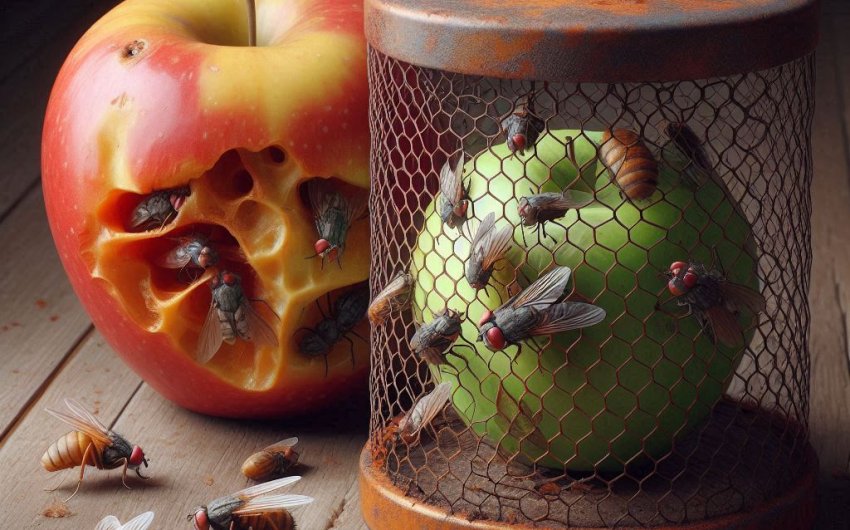
There's nothing quite as satisfying as harvesting fresh, ripe fruit from your own orchard. But the joy can quickly turn to frustration when you discover tiny, wriggling larvae inside your beautiful peaches, apples, or berries. This heartbreaking damage is often the work of fruit flies, specifically a group of pests known as fruit flies (Tephritidae family, not the tiny gnats often found in kitchens, Drosophila). These orchard pests can cause significant economic damage, making your harvest unmarketable or inedible.
If you're a fruit grower, learning how to treat and prevent fruit fly infestations in your orchard is crucial for protecting your valuable crops. This guide will help you understand the life cycle of these common orchard pests, identify the signs of their presence, and implement effective strategies, from cultural practices to organic and chemical controls, to ensure a clean, healthy, and abundant fruit harvest.
What Are the Orchard Fruit Flies I Need to Worry About?
It's important to distinguish between the common kitchen fruit fly and the more damaging orchard pests.
Common Orchard Fruit Flies
These are the main culprits that lay eggs in your developing fruit.
- Apple Maggot Fly (Rhagoletis pomonella): A significant pest of apples, but also affects plums, cherries, blueberries, and hawthorns. Adults are small (about 1/4 inch), black flies with distinctive white bands on their abdomen and a "W" or "F" pattern on their wings.
- Cherry Fruit Fly (Rhagoletis indifferens): Attacks cherries. Similar in appearance to the apple maggot fly but with different wing patterns.
- Blueberry Maggot Fly (Rhagoletis mendax): Specifically targets blueberries.
- Spotted Wing Drosophila (Drosophila suzukii): This is a relatively new and highly aggressive invasive fruit fly. Unlike native fruit flies that only lay eggs in overripe or damaged fruit, Spotted Wing Drosophila (SWD) can lay eggs in healthy, ripening fruit before harvest, causing widespread damage to soft-skinned fruits like berries, cherries, peaches, and plums. Males have a distinct black spot on each wing.
- Life Cycle: Most of these fruit flies overwinter as pupae in the soil. Adults emerge in late spring to summer, mate, and the females lay eggs directly into the fruit using a specialized ovipositor. The larvae (maggots) hatch and feed inside the fruit, causing it to rot and eventually drop. The larvae then drop to the ground to pupate, completing the cycle. Multiple generations can occur in a season.
How Do I Know if My Fruit Is Infested?
Catching signs early can make a difference.
- Stinging Marks: For flies like apple maggot, you might see tiny, pin-prick-sized "stings" or dimples on the fruit's skin where the female laid her egg. These may be subtle.
- Premature Fruit Drop: Infested fruit often ripens prematurely, softens, and drops to the ground before it's fully mature.
- Soft or Mushy Spots: The feeding of the larvae inside causes the fruit to break down, leading to soft, discolored, or mushy spots on the surface.
- Tunneling and Larvae: The most definitive sign is cutting open the fruit to find tunnels filled with frass (insect waste) and small, creamy-white larvae (maggots) feeding inside.
- Adult Flies: Spotting the adult fruit flies on or near your fruit is also a strong indicator. Learn to recognize their specific markings.
- Trap Monitoring: Setting up monitoring traps (described below) is crucial for early detection of adult flies.
What Are the Best Prevention Strategies?
Stopping fruit flies before they start is always the ideal scenario.
1. Sanitation (Crucial!)
Remove their breeding grounds and overwintering sites.
- Remove Dropped Fruit Immediately: This is the single most important step for preventing fruit fly infestations. Fallen fruit, especially overripe or damaged fruit, is a magnet for egg-laying females and a nursery for larvae.
- Collect Daily: Collect all dropped fruit daily, or at least every 2-3 days. Don't leave it on the ground.
- Dispose Properly: Do not compost infested fruit in a regular compost pile, as the larvae can survive and pupate. Bag it tightly and send it to municipal waste, or solarize it in a sealed black plastic bag in the sun to kill the larvae, or feed it to livestock if appropriate and permitted.
- Harvest Regularly and Thoroughly: Pick ripe fruit promptly. Don't leave overripe fruit on the tree, as it can also become infested.
- Remove Volunteer Fruit Trees/Host Plants: Remove any wild or unmanaged host plants (like hawthorn trees or wild apple trees near your orchard) that could harbor fruit fly populations.
2. Trap Monitoring (Early Detection)
Know when they're present and when to act.
- Homemade Traps: You can make simple traps using a plastic container (like a juice carton or plastic bottle) with small entry holes near the top. Fill with a lure:
- Apple Maggot: A solution of apple cider vinegar, a few drops of dish soap (to break surface tension), and a pinch of ammonia (or molasses/sugar for some specific species).
- Spotted Wing Drosophila (SWD): A solution of apple cider vinegar (or red wine vinegar) and a drop of dish soap.
- Commercial Traps: Specialized fruit fly traps are available that often contain powerful lures (like pheromones or food-based attractants) to draw in specific fruit fly species. These are highly effective for monitoring populations. You can find fruit fly traps for orchards.
- Placement: Hang traps in trees just before fruit begins to ripen or when adult flies are expected to emerge. Space them according to package directions.
- Purpose: The primary purpose of monitoring traps is to alert you to the presence of adult flies so you know when to initiate control measures. They are not usually effective enough for widespread control on their own in an orchard.
3. Physical Barriers
Directly protect your fruit.
- Fruit Bagging: For small orchards or individual trees, bagging fruit is an extremely effective, organic method.
- How: When fruit is very small (around thumbnail size), enclose individual fruits or small clusters in specialized fruit protection bags (e.g., footie socks, nylon stockings, or paper bags designed for this purpose). Secure them tightly around the stem.
- Benefits: Prevents females from laying eggs in the fruit, protects from other pests (birds, squirrels), and can even reduce sunscald.
- Considerations: Labor-intensive for large orchards. Bags are usually removed shortly before harvest for color development. You can find fruit protection bags.
- Exclusion Netting: For Spotted Wing Drosophila on berry crops or small trees, covering the entire plant or row with fine-mesh insect netting can be very effective.
- How: Drape insect netting over the plants, securing it tightly to the ground around the base to prevent flies from entering.
- Considerations: Can interfere with pollination for fruit that needs insect pollinators (open during bloom, then cover). Requires careful management.
How Can I Treat an Active Fruit Fly Infestation?
Once an infestation is present, a combination of strategies is usually needed.
1. Mass Trapping
A more aggressive use of traps.
- Increase Density: If monitoring traps show high numbers of flies, deploy traps at a higher density throughout your orchard to actively reduce the adult fruit fly population.
- Bait Refill: Regularly check and refill bait in your traps, as their effectiveness decreases over time.
2. Biological Control
Using nature's allies.
- Beneficial Nematodes: For some fruit fly species that pupate in the soil, applying beneficial nematodes (Steinernema spp. or Heterorhabditis spp.) to the soil in fall or spring can help target the overwintering pupae. These are different from the plant-parasitic nematodes that harm roots. You can find beneficial nematodes for insect control.
- Parasitic Wasps: In some areas, parasitic wasps (tiny wasps that lay their eggs inside fruit fly larvae or pupae) are available for release. Research local availability and effectiveness for your specific fruit fly pest.
3. Organic Sprays
Less harmful options, but still require careful application.
- Spinosad-Based Insecticides: Spinosad is an organic insecticide derived from a naturally occurring soil bacterium. It's effective against various insects, including fruit flies (like SWD and apple maggot), with relatively low toxicity to mammals.
- How to Use: Apply as a foliar spray according to label directions. Often mixed with a protein bait (like Surround or Nolo Bait) to make it more attractive to fruit flies.
- Timing: Apply when monitoring traps indicate the presence of adult flies, before fruit fully ripens. Repeat applications may be needed.
- Caution: While organic, Spinosad can still be harmful to bees when wet. Apply in the evening when pollinators are less active. You can find Spinosad insecticide.
- Kaolin Clay (Surround WP): Creates a physical barrier.
- How to Use: Kaolin clay is a fine, white clay that forms a protective barrier when sprayed onto fruit. It deters adult fruit flies from laying eggs.
- Benefits: Organic, safe, and can also help prevent sunburn.
- Considerations: Leaves a white residue on fruit that needs washing off. Frequent applications are needed, especially after rain.
4. Chemical Insecticides (Use as a Last Resort)
For severe infestations where other methods fail.
- Targeted Approach: If chemical control is absolutely necessary, choose an insecticide specifically labeled for the fruit fly species you are targeting and for use on your particular fruit crops.
- Follow Label Directions Strictly: Pay extremely close attention to dosage, application timing (e.g., pre-harvest interval), and safety precautions.
- Minimize Harm to Beneficials: Apply in the evening when pollinators are not active. Avoid broad-spectrum sprays that kill all insects.
- Resistance: Over-reliance on a single type of chemical can lead to pest resistance.
What Are Long-Term Orchard Management Strategies?
Prevention and sustained effort are key to a healthy, fruit fly-free orchard.
1. Consistent Orchard Sanitation
Make it a year-round practice.
- Winter Cleanup: In fall, after all fruit has been harvested, ensure all fallen leaves and debris are removed from around trees. This reduces overwintering sites for fruit fly pupae.
- Pruning: Maintain good tree health and air circulation through proper pruning. This allows for better spray coverage and quicker drying of fruit, making it less attractive to some fruit flies.
2. Choose Resistant Varieties
Plan for future planting with pest resistance in mind.
- Consult Local Resources: Research fruit varieties that show natural resistance or tolerance to common fruit fly species in your region. Your local university extension office is an excellent resource for this information.
3. Integrated Pest Management (IPM)
A holistic approach to pest control.
- Combine Strategies: IPM is about using a combination of methods – cultural practices (sanitation), monitoring (trapping), biological controls, and only using chemical controls as a last resort, in a targeted way.
- Regular Monitoring: Consistently use monitoring traps to understand fruit fly populations throughout the season. This guides your timing for interventions.
- Record Keeping: Keep a garden journal of when you see fruit flies, when you treat, and the results. This helps you refine your strategy year after year. A good garden journal can track all your efforts.
4. Community Effort
Pests don't respect property lines.
- Talk to Neighbors: If your neighbors also have fruit trees, encourage them to adopt similar fruit fly management practices. A community-wide effort can be much more effective than individual action.
Fruit fly infestations in your orchard can be a daunting challenge, but they are manageable with diligence and the right strategies. By prioritizing orchard sanitation, consistently using monitoring traps, considering physical barriers like fruit bagging or netting, and utilizing organic sprays or biological controls, you can significantly reduce damage. Remember, Integrated Pest Management is the key to a healthy, productive orchard that yields beautiful, unblemished fruit season after season.