
What Causes Sunburn on Peaches and How Can I Protect Them?
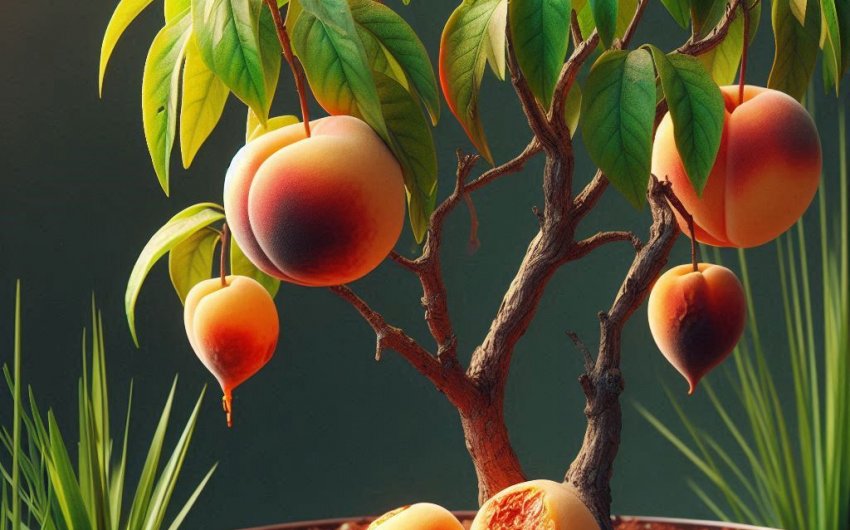
There's nothing quite like biting into a juicy, ripe peach on a warm summer day. The sweet flavor, the soft texture – it's a true taste of sunshine. But for peach growers, that same beloved sunshine can sometimes turn into a problem: sunburn. When the delicate skin of peaches gets too much direct, intense sun exposure, especially during hot spells, they can actually get "sunburned." This damage can reduce the quality and appeal of your fruit, sometimes even making it inedible.
If you've ever seen discolored, flattened, or leathery patches on your peaches, you might have experienced peach sunburn. Don't worry! It's a common issue, especially in regions with intense summer heat. This guide will help you understand what causes sunburn on peaches, how to identify it, and most importantly, effective strategies to protect your peaches and ensure a bountiful harvest of perfect, unblemished fruit.
What Exactly is Sunburn on Peaches?
It's more than just a cosmetic flaw; it's a form of physiological damage.
What Does Sunburn Look Like on Peaches?
The symptoms can vary depending on the severity.
- Discolored Patches: The most common sign is a discolored area on the side of the peach that receives the most direct sun exposure. This might look like a pale yellow, white, or even brownish patch.
- Flattened or Sunken Areas: As the damage progresses, the affected area may become flattened, shriveled, or sunken. The skin might become tough, leathery, or papery.
- Cooked Appearance: In severe cases, especially with very intense heat, the flesh directly under the sun-exposed skin might appear "cooked," soft, watery, and brown, making the peach inedible. This can also lead to secondary fungal infections.
- Differences from Bruising or Disease: Sunburn typically occurs on the exposed side of the fruit and has a distinct texture, unlike the localized softness of a bruise or the distinct patterns of fungal diseases.
Why Do Peaches Get Sunburned?
It's a combination of direct sunlight and high temperatures.
- Intense Solar Radiation: Just like human skin, peach skin can be damaged by excessive UV radiation and intense light.
- High Temperatures: The problem is severely worsened by high air temperatures (above 90-95°F or 32-35°C) and hot fruit surface temperatures. The surface of a peach exposed to direct sun can reach temperatures much higher than the ambient air temperature, literally "cooking" the fruit.
- Lack of Acclimation: Peaches that have been shaded by leaves for a period and then suddenly exposed to intense sun (e.g., due to a branch breaking, leaves falling off, or improper pruning) are much more susceptible to sunburn. They haven't had a chance to "harden off" or develop protective pigments.
- Light-Skinned Varieties: Varieties with lighter skin color or less natural red blush tend to be more susceptible because they have less protective pigment (anthocyanin) to absorb UV radiation.
What Are the Main Causes of Peach Sunburn?
Understanding the root causes helps in implementing preventative measures.
1. Excessive Direct Sun Exposure
The primary factor, especially unbuffered.
- Unshaded Fruit: Peaches that are growing on the outer canopy of the tree or on branches with sparse foliage are most at risk because they receive unfiltered, direct sunlight for extended periods during the hottest part of the day.
- Reflected Heat: Heat reflecting off nearby surfaces like pavement, brick walls, or even light-colored mulch can intensify the sun's effect on lower branches.
- Sudden Exposure: If a fruit has been shaded and is suddenly exposed to harsh sun due to:
- Improper Pruning: Removing too many inner leaves or branches too quickly.
- Wind Damage: Wind breaking off leaves or branches.
- Pest/Disease Damage: Leaves being defoliated by insects or diseases.
2. High Temperatures
The heat amplifies the sun's damage.
- Heat Waves: Prolonged periods of extremely hot weather (above 90-95°F / 32-35°C) significantly increase the risk of sunburn, even on fruit that normally receives plenty of sun.
- Fruit Surface Temperature: The actual temperature of the peach's skin can climb much higher than the air temperature when exposed to direct sun, leading to tissue damage.
3. Water Stress
Lack of water makes fruit more vulnerable.
- Reduced Transpiration: When a peach tree is under water stress, it conserves water by reducing transpiration (the process of water vapor moving through leaves and cooling the plant). This means the tree and its fruit lose a natural cooling mechanism, making them more susceptible to heat and sunburn.
- Poor Photosynthesis: Water stress also affects photosynthesis and overall tree vigor, weakening the fruit's ability to withstand environmental stress.
- Inconsistent Watering: Erratic watering (periods of drought followed by heavy watering) can also stress the tree and fruit.
4. Thinning Practices
While essential, it can contribute to exposure.
- Over-Thinning: If you thin your peaches too aggressively and remove too many fruits from a cluster, it can leave the remaining fruit more exposed to direct sunlight, especially if the surrounding foliage is sparse.
- Timing of Thinning: Thinning too early, before the canopy is fully developed, can also increase exposure.
How Can I Protect My Peaches from Sunburn?
Prevention is the best strategy. A combination of good cultural practices and specific protective measures will help.
1. Strategic Pruning
Encourage natural shade.
- Balance Light and Shade: The goal of pruning peach trees is to allow enough light for ripening and airflow, but also to maintain sufficient foliage to protect the fruit from intense sun.
- Avoid Over-Pruning: Do not remove too many leaves or branches, especially on the top and outer canopy, during the summer months when fruit is developing and ripening. Leaves are essential for both photosynthesis and providing natural shade.
- Open Center vs. Central Leader: Most peach trees are pruned to an open vase (or open center) system to allow light penetration and air circulation. However, this system requires careful management to ensure enough foliage remains for fruit protection. For intense sun regions, a modified central leader might offer slightly more top shade.
- Summer Pruning (Minimal): Any summer pruning should be minimal and focused on removing watersprouts (vigorous upright shoots) or crossing branches, while preserving healthy foliage that shades the fruit.
2. Ensure Adequate and Consistent Watering
Proper hydration is vital for resilience.
- Deep Watering: Provide deep, regular watering, especially during dry spells and during the crucial period of fruit development and ripening. This helps the tree maintain vigor and allows its natural cooling processes (transpiration) to function effectively.
- Drip Irrigation: A drip irrigation system or soaker hose can deliver water directly to the root zone, minimizing evaporation and ensuring consistent moisture.
- Monitor Soil Moisture: Don't just water on a schedule. Check the soil moisture periodically by sticking your finger into the soil or using a soil moisture meter.
3. Use Reflective Mulch
A surprisingly effective strategy.
- Light-Colored Mulch: Apply a layer of light-colored organic mulch (like straw, light wood chips) or a specialized reflective mulch (often silver-sided) around the base of the peach tree.
- Benefits:
- Reflects Heat: Reflective mulch reflects sunlight away from the base of the tree and lower fruit, helping to keep the soil and roots cooler.
- Retains Moisture: All mulch helps suppress weeds and conserve soil moisture, reducing water stress on the tree.
- Application: Apply mulch a few inches thick, keeping it a few inches away from the tree trunk to prevent moisture buildup. You can find silver reflective mulch.
4. Consider Kaolin Clay Sprays
A physical barrier for the fruit.
- White Coating: Kaolin clay is a fine, white clay that can be mixed with water and sprayed onto fruit trees. It creates a thin, white, powdery film on the leaves and fruit.
- How it Works: This white coating acts as a physical barrier and a reflective layer, reducing the amount of solar radiation absorbed by the peaches and helping to keep their surface cooler. It also acts as a physical deterrent to some insects.
- Application: Apply according to product directions, typically before heat waves or periods of intense sun. Reapply after heavy rain. Ensure thorough coverage. Look for Kaolin clay for fruit trees.
- Considerations: It leaves a white residue on the fruit, which needs to be washed off before eating. Some people dislike the aesthetic.
5. Utilize Shade Cloth
For extreme heat waves.
- Temporary Protection: For prolonged heat waves or extremely intense sun, especially on young trees or those with known susceptibility, erecting a temporary shade cloth structure over your peach tree can provide crucial protection.
- Percentage: Use shade cloth with a 30-50% shade rating. Too much shade can reduce fruit color and sugar development.
- Installation: Drape the shade cloth over a simple frame or existing supports, ensuring it doesn't touch the fruit directly. Remove once the extreme heat passes. You can find garden shade cloth.
6. Paint Trunks White (for Young Trees)
Protecting bark from sunscald.
- Sunscald: While not directly related to peach sunburn on fruit, intense winter sun can cause sunscald on the bark of young peach tree trunks, especially on the southwest side. This can lead to cracking and weaken the tree.
- Reflective Paint: Painting the trunk with a diluted white latex paint (50% water, 50% white latex paint) or a specialized tree paint can reflect sunlight and prevent sunscald.
7. Manage Pests and Diseases
Protecting foliage preserves natural shade.
- Healthy Leaves: Keep your peach trees healthy by managing pests and diseases. Insects or fungal infections that cause premature leaf drop can expose the fruit to direct sun, increasing sunburn risk.
- Integrated Pest Management (IPM): Use IPM strategies to control pests and diseases, minimizing the impact on natural leaf cover.
8. Proper Thinning Practices
Thin for quality, but be mindful of exposure.
- Moderate Thinning: Thin your peaches (typically to 6-8 inches apart) to ensure good fruit size and quality. However, be mindful not to over-thin, which could leave individual fruits overly exposed.
- Maintain Leaf-to-Fruit Ratio: The goal is to have enough leaves to support fruit development and provide shade.
Sunburn on peaches is a common challenge for peach growers, but it's a manageable one. By understanding what causes sunburn on peaches and implementing a combination of strategic pruning, consistent watering, utilizing reflective mulches, considering kaolin clay sprays or shade cloth during heat waves, and maintaining overall tree health, you can significantly protect your peaches. These proactive measures will help ensure your harvest is full of juicy, unblemished fruit that's truly a taste of summer without the burn!