
How Do I Handle Fungal Infections on Blueberry Bushes?
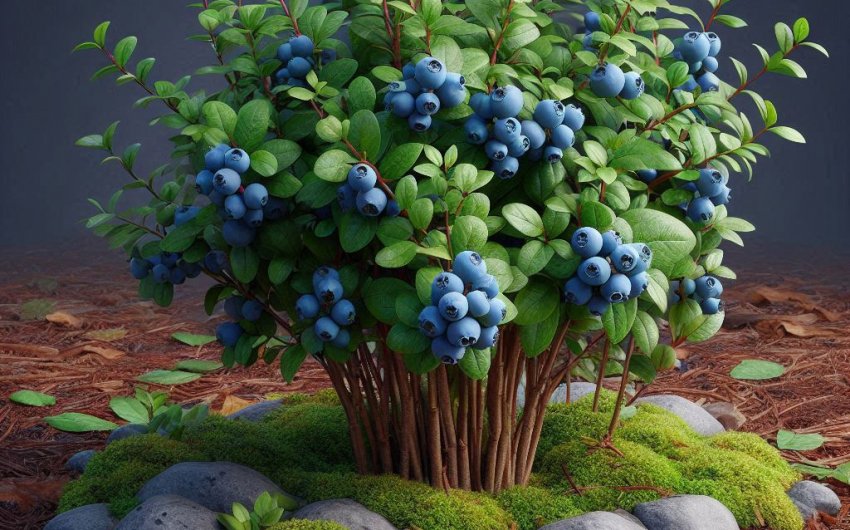
There's nothing quite like the joy of harvesting sweet, plump blueberries from your own bushes. But this delightful experience can be dampened when you spot unsightly spots, wilting leaves, or dying branches – common signs of fungal infections. Blueberry bushes, like many plants, can be susceptible to various fungal diseases that, if left untreated, can severely reduce your yield or even kill the plant.
If you're noticing your blueberry bushes looking less than vibrant, understanding how to handle fungal infections is crucial for maintaining their health and ensuring a bountiful harvest year after year. This guide will help you identify common blueberry fungal diseases, explain what causes them, and provide practical, eco-friendly and effective strategies for both treating existing infections and preventing future outbreaks in your blueberry patch.
What Makes Blueberry Bushes Susceptible to Fungal Infections?
Understanding the conditions that favor fungal diseases helps in prevention.
Ideal Conditions for Fungi
Most fungi thrive in specific environments.
- Moisture: Fungal spores need moisture to germinate and infect plant tissue. Prolonged periods of leaf wetness from rain, dew, or overhead irrigation are prime conditions for many fungal diseases.
- Humidity: High humidity in the air, especially coupled with poor air circulation, creates a damp microclimate around the plant that fungi love.
- Temperature: Each fungal disease has an optimal temperature range for development. Some prefer cool, wet conditions, while others thrive in warm, humid weather.
- Poor Air Circulation: Overcrowded blueberry bushes or dense canopy growth prevents air from circulating freely through the plant. This traps moisture, creating an ideal breeding ground for fungi.
How Fungi Spread
They are masters of spreading their spores.
- Wind and Water: Fungal spores are primarily spread by wind and splashing water (rain, overhead irrigation).
- Contaminated Tools: Fungi can be transferred from infected plants to healthy ones via unsterilized pruning tools.
- Infected Debris: Leftover infected plant debris (leaves, branches) on the ground can harbor fungal spores over winter, becoming a source of infection for the next season.
- Wounds: Fungi often enter plants through wounds caused by pruning, insect damage, or physical injury.
What Are Common Fungal Infections on Blueberry Bushes?
Learning to identify the symptoms is the first step in treatment.
1. Mummy Berry Disease (Monilinia vaccinii-corymbosi)
A serious and distinctive disease affecting fruit.
- Symptoms:
- Spring: Young leaves and shoots wilt, turn brown, and resemble frost damage. Shoots may have a gray, dusty coating (spores). Flowers also turn brown and fall off.
- Summer (Fruit): Infected berries initially look normal but then shrivel, turn pink or tan, and become hard, dry, and shriveled "mummies" instead of ripening. These mummies are typically hard as a rock.
- Cause: A fungus that overwinters in mummified berries on the ground from the previous season.
- Impact: Destroys fruit, reduces yield.
2. Phomopsis Twig Blight and Canker (Phomopsis vaccinii)
Causes dieback of twigs and branches.
- Symptoms:
- Twigs: Young twigs and branches (often 1-year-old wood) develop reddish-brown lesions or cankers that girdle (encircle) the stem, causing the tip of the branch to wilt, brown, and die back.
- Leaves: Leaves on affected branches turn reddish-brown and shrivel.
- Fruit: Rarely affects fruit directly but weakens the plant.
- Cause: A fungus that enters through wounds (pruning cuts, insect damage) and thrives in wet conditions.
- Impact: Reduces plant vigor, can lead to significant dieback if not managed.
3. Anthracnose Fruit Rot (Colletotrichum acutatum)
Primarily affects ripe fruit.
- Symptoms:
- Fruit: On ripe or nearly ripe berries, small, soft, sunken spots appear, often surrounded by a light green halo. These spots enlarge and may develop salmon-colored spore masses (mucilaginous) during wet conditions. Infected fruit can shrivel and remain on the bush.
- Flowers/Twigs: Less commonly, can affect flowers (causing blighting) or twigs (small cankers).
- Cause: A fungus that overwinters in plant debris and mummified berries. Spreads rapidly in warm, humid, wet weather.
- Impact: Makes fruit inedible, reduces marketable yield.
4. Botrytis Blossom Blight and Gray Mold (Botrytis cinerea)
Affects flowers and fruit, especially in cool, wet conditions.
- Symptoms:
- Flowers: Flower clusters turn brown, shrivel, and may be covered in a fuzzy, gray mold.
- Fruit: Can infect ripening fruit, causing soft, watery spots that become covered in gray, fuzzy mold. Infected fruit often drops prematurely.
- Shoots: Can also cause lesions on young shoots.
- Cause: A common fungus that thrives in cool, wet, highly humid conditions and can be common in dense canopies.
- Impact: Reduces pollination, destroys fruit, can cause overall plant decline.
How Can I Treat and Prevent Fungal Infections on Blueberry Bushes?
A multi-pronged approach combining cultural practices, sanitation, and targeted treatments is most effective.
1. Cultural Practices (Your First Line of Defense)
These are the most important and sustainable strategies.
- Pruning for Air Circulation: This is crucial!
- Annual Pruning: Prune your blueberry bushes annually in late winter or early spring (dormant season) to remove old, weak, diseased, or crossing branches. Aim for an open canopy that allows plenty of air circulation and light penetration. This speeds drying of leaves and fruit after rain.
- Remove Suckers: Remove any suckers growing from the base.
- Sanitize Tools: Always sterilize your pruning tools with rubbing alcohol or a bleach solution (1 part bleach to 9 parts water) between cuts on diseased branches, and always between plants. This prevents spreading disease. A good pair of bypass pruners is essential.
- Proper Spacing: When planting new blueberry bushes, ensure they are spaced according to recommendations (often 4-6 feet apart) to allow for good air circulation between plants.
- Watering Wisely:
- Avoid Overhead Irrigation: Whenever possible, use drip irrigation or a soaker hose to water blueberry bushes at the base, avoiding wetting the foliage. This keeps leaves dry and reduces fungal opportunities.
- Morning Watering: If you must overhead water, do it in the early morning so leaves have all day to dry before nightfall.
- Consistent Moisture: Ensure consistent soil moisture, as stressed plants are more susceptible to disease.
- Good Drainage: Blueberry bushes need well-draining, acidic soil. Improve drainage in heavy soils by incorporating organic matter (like pine bark fines, peat moss) or planting in raised beds.
2. Sanitation (Reduce Inoculum)
Cleanliness in the orchard is vital.
- Remove Fallen Fruit/Debris: Regularly collect and dispose of any fallen blueberry fruit (especially "mummies" from Mummy Berry Disease) and dead leaves or branches. Do not compost diseased material in a home compost pile, as spores can survive. Bag and dispose of them in municipal waste.
- Clear Weeds: Keep the area around blueberry bushes free of weeds, as they can compete for nutrients and impede air circulation.
- Winter Cleanup: A thorough fall cleanup after harvest can significantly reduce overwintering fungal spores and pests.
3. Resistant Varieties
Choose resilient plants from the start.
- Research: When purchasing blueberry bushes, research and select varieties that are known to have good resistance to common fungal diseases in your region. Your local university extension office or reputable nurseries can provide recommendations.
- Examples of resistance: Some varieties may have better resistance to Mummy Berry, Phomopsis, or Anthracnose than others.
4. Fungicide Applications (Targeted Treatment)
Use only when necessary and at the right time.
- Organic Options:
- Copper-Based Fungicides: Copper fungicides (e.g., liquid copper, copper soap) can be effective against many fungal and bacterial diseases if applied preventatively or at the first sign of infection. They act as a protective barrier.
- Sulfur-Based Fungicides: Sulfur can also be used as a fungicide against some diseases, but be cautious with sulfur in hot weather as it can cause plant burn.
- Neem Oil: While primarily an insecticide, neem oil has some fungicidal properties and can help with minor fungal issues like powdery mildew (though less common on blueberries).
- Timing: For many fungal diseases, applications need to be timed before infection occurs (e.g., before bud break, during bloom, or before wet weather). They often act as protectants. You can find organic copper fungicide.
- Synthetic Fungicides (Use with Caution): For severe or persistent problems, a synthetic fungicide may be necessary.
- Consult Local Experts: Consult your local university extension office for specific recommendations for fungicides approved for blueberries in your area, and for the specific disease you are targeting.
- Follow Label Directions Strictly: Pay extreme attention to dosage, application timing (especially pre-harvest intervals – PHI), and safety precautions. Over-application can damage plants or be harmful.
- Rotate Fungicides: To prevent fungi from developing resistance, rotate between different types of fungicides (those with different active ingredients).
5. Soil Health and Plant Vigor
A strong plant is better able to resist disease.
- Proper Soil pH: Blueberry bushes require highly acidic soil (pH 4.5-5.5) for optimal nutrient absorption. If your soil pH is too high, it can lead to nutrient deficiencies (like iron), which stress the plant and make it more susceptible to disease. Test your soil pH regularly with a soil pH meter or a soil test kit.
- Balanced Fertilization: Fertilize your blueberries with a fertilizer formulated for acid-loving plants. Avoid over-fertilizing with nitrogen, which can lead to lush, susceptible growth.
- Mulch: Apply a 2-4 inch layer of acidifying mulch (like pine bark, pine needles, or sawdust) around blueberry bushes. This helps suppress weeds, retain moisture, and keep the soil acidic.
What Are Long-Term Strategies for a Healthy Blueberry Patch?
Thinking ahead ensures continuous success.
1. Integrated Pest Management (IPM)
A holistic approach to plant health.
- Combine Strategies: IPM is about using a combination of methods – cultural practices (pruning, watering), sanitation, resistant varieties, and only using fungicides or other treatments as a last resort, in a targeted way.
- Regular Scouting: Consistently inspect your blueberry bushes for any early signs of disease or pests. Early detection is key for effective management.
- Record Keeping: Keep a garden journal of when you see diseases, when you treat, and the results. This helps you refine your strategy year after year. A good gardening logbook can track all your efforts.
2. Community Awareness
Diseases can spread from neighbor to neighbor.
- Talk to Neighbors: If your neighbors also grow blueberries, encourage them to adopt similar disease management practices. A community-wide effort can be much more effective.
3. Consider Location
Proper siting of your blueberry patch is crucial.
- Sunlight: Ensure your blueberry bushes receive adequate sunlight (at least 6-8 hours direct sun) to promote healthy growth and aid in drying foliage.
- Airflow: Avoid planting in low-lying areas that are prone to stagnant air or poor drainage.
Fungal infections on blueberry bushes can be a persistent challenge, but they are manageable with diligence and the right strategies. By prioritizing cultural practices like proper pruning and watering, maintaining excellent sanitation, choosing resistant varieties, and employing targeted fungicide applications when necessary, you can significantly reduce disease pressure. Remember, a healthy, vigorous blueberry bush is your best defense against fungal attackers, ensuring a sweet and abundant harvest season after season.