
Setting Up a Solar-Powered Garden Light System
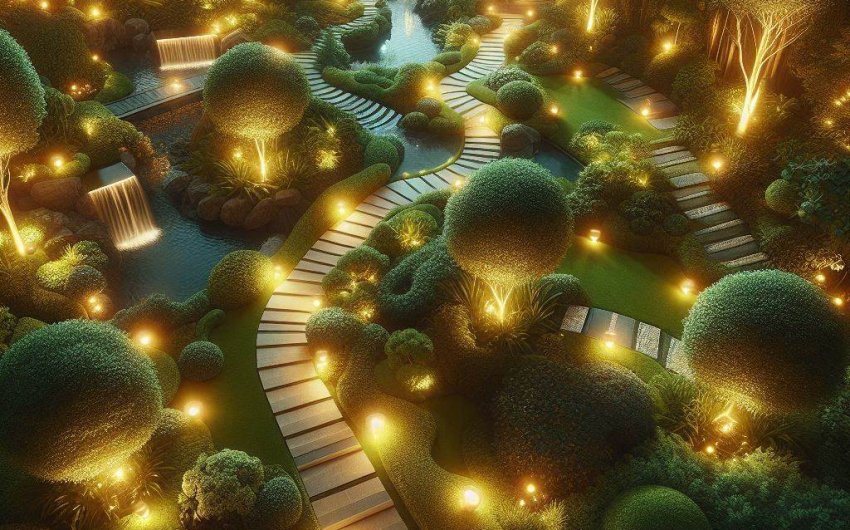
Setting up a solar-powered garden light system involves choosing the right lights for your needs, understanding solar panel placement, and ensuring proper installation for optimal performance. This eco-friendly lighting solution utilizes the sun's energy, providing illumination without increasing your electricity bill or requiring complex wiring.
What are the Benefits of Solar-Powered Garden Lights?
Solar-powered garden lights offer a wealth of advantages over traditional wired lighting systems, making them an increasingly popular choice for homeowners. These benefits extend beyond just illumination, touching upon convenience, cost, and environmental impact.
Cost-Effectiveness
- No Electricity Bills: The most significant financial benefit is the complete elimination of electricity costs for your outdoor lighting. Once installed, these lights run on free energy from the sun.
- Lower Installation Costs: Unlike wired systems that require trenches, electrical wiring, and potentially professional electricians, solar garden lights are typically DIY-friendly, saving on labor and material costs.
- Reduced Maintenance: With fewer complex components and no exposed wires, maintenance is minimal.
Environmental Friendliness
- Renewable Energy: They harness the sun's clean, renewable energy, reducing your reliance on fossil fuels and decreasing your carbon footprint.
- Zero Emissions: The operation of solar-powered lights produces no greenhouse gas emissions, contributing to cleaner air.
- Sustainable Choice: Choosing solar lighting aligns with sustainable living practices, promoting energy efficiency and environmental responsibility.
Ease of Installation and Flexibility
- Wireless Operation: No wiring means no digging, no outlets, and no electrical expertise required. Simply stake them into the ground or mount them where needed.
- Portability: Many solar lights are lightweight and easy to move, allowing you to reconfigure your lighting scheme as your garden evolves or for special occasions.
- Instant Illumination: Most solar lights turn on automatically at dusk and off at dawn, thanks to built-in light sensors, providing hands-free operation.
Safety
- Low Voltage: Since there's no connection to your home's main electrical grid, there's no risk of electric shock, making them safer around children and pets.
- Reduced Trip Hazards: No cords or wires running across your garden eliminate potential tripping hazards.
Versatility and Aesthetics
- Wide Variety: From decorative pathway lights and accent spotlights to security lights and string lights, there's a solar garden light for every aesthetic and functional need.
- Enhanced Ambiance: They add beauty and mood to your outdoor spaces, highlighting garden features, pathways, or seating areas.
- Security: Motion-sensor solar lights can deter intruders by illuminating dark areas, enhancing your property's security.
By choosing to set up a solar-powered garden light system, you're investing in an efficient, eco-conscious, and beautiful way to illuminate your outdoor living areas.
What Types of Solar Garden Lights Are Available?
The market for solar-powered garden lights has expanded dramatically, offering a diverse range of styles and functionalities to suit almost any outdoor lighting need. Understanding the different types available will help you choose the best options for your solar-powered garden light system.
1. Pathway Lights
- Purpose: Ideal for illuminating walkways, driveways, and garden paths, enhancing safety and visibility at night.
- Features: Typically stake-mounted, providing a soft glow. Come in various heights and designs, from sleek modern to classic lantern styles.
- Examples: Simple Solar Pathway Lights.
2. Spotlights and Accent Lights
- Purpose: Designed to highlight specific garden features, such as trees, sculptures, fountains, or architectural elements of your home. They provide focused, directional light.
- Features: Often have adjustable heads, allowing you to aim the light precisely. Can be stake-mounted or wall-mounted. Available in various brightness levels.
- Examples: Solar Spotlights Outdoor for landscaping.
3. String Lights and Fairy Lights
- Purpose: Create a festive, warm, and inviting ambiance for patios, pergolas, gazebos, or draped through trees and bushes.
- Features: Long strings of small LED bulbs powered by a single remote solar panel. Come in various bulb styles (e.g., Edison bulbs, fairy lights, globe lights).
- Examples: Solar String Lights Outdoor for decorative purposes.
4. Security Lights and Motion Sensor Lights
- Purpose: Provide bright illumination for security purposes, deterring intruders and increasing safety around your property.
- Features: Often have built-in motion sensors that trigger the light when movement is detected, conserving battery power. High lumens output.
- Examples: Solar Motion Sensor Lights for driveways or entries.
5. Deck and Step Lights
- Purpose: Illuminate stairs, railings, and edges of decks or patios, enhancing safety and visibility in these specific areas.
- Features: Designed for flush mounting or direct attachment to surfaces. Come in compact, often low-profile designs.
- Examples: Solar Deck Lights Outdoor.
6. Decorative and Novelty Lights
- Purpose: Add artistic flair and whimsy to your garden. These are less about strong illumination and more about aesthetic appeal.
- Features: Include crackle glass globes, solar lanterns, animal shapes, solar fountains with lights, and color-changing options.
- Examples: Solar Lanterns Outdoor.
7. Wall-Mounted Lights
- Purpose: Attach directly to walls, fences, or posts to provide ambient or task lighting in specific areas like doorways, shed exteriors, or pergolas.
- Features: Can have integrated or remote solar panels. Variety of styles.
- Examples: Solar Wall Lights.
When planning your solar-powered garden light system, consider the function, desired brightness, and aesthetic you want to achieve for each area of your outdoor space.
What Key Components Make Up a Solar Garden Light?
Understanding the basic components of a solar-powered garden light helps in choosing quality products and troubleshooting any issues. Each part plays a vital role in collecting solar energy and converting it into light.
Solar Panel (Photovoltaic Cell):
- Function: This is the heart of the system. It absorbs sunlight during the day and converts it into electrical energy.
- Types:
- Amorphous Silicon: Cheaper, but less efficient, best for low-light conditions. Often seen in inexpensive pathway lights.
- Polycrystalline Silicon: More efficient than amorphous, better for general use.
- Monocrystalline Silicon: Most efficient, best performance in strong sun, but also the most expensive. Ideal for high-performance spotlights or security lights.
- Placement: For integrated lights, the panel is directly on the light. For remote panel systems (like some spotlights or string lights), the panel is separate and can be positioned optimally for sun exposure.
Rechargeable Battery:
- Function: Stores the electricity generated by the solar panel during the day. This stored energy powers the light at night.
- Types:
- Ni-Cad (Nickel-Cadmium): Older, less efficient, prone to "memory effect" (losing capacity if not fully discharged). Less common now.
- Ni-MH (Nickel-Metal Hydride): More common, better capacity, less memory effect, more environmentally friendly than Ni-Cad.
- LiFePO₄ (Lithium Iron Phosphate): Newer, more expensive, but superior performance, longer lifespan, and better cold-weather performance. Becoming more prevalent in higher-quality units.
- Capacity: Measured in milliamp-hours (mAh). Higher mAh generally means longer illumination time.
LED (Light-Emitting Diode) Bulb:
- Function: The actual light source. LEDs are chosen for their energy efficiency, long lifespan, and durability.
- Brightness: Measured in lumens. Pathways lights might be 10-20 lumens, while security lights can be hundreds or thousands of lumens.
- Color Temperature: Can range from warm white (2700K-3000K, yellow-orange glow) to cool white (5000K+, blue-white light).
Light Sensor (Photoresistor/Photocell):
- Function: Detects ambient light levels. Automatically turns the light on at dusk when it gets dark and off at dawn when it gets light.
- Placement: Usually integrated into the solar panel unit.
Controller (Circuit Board):
- Function: The "brain" of the light. It manages the charging of the battery, regulates the power going to the LED, and controls the light sensor function.
- Protection: Often includes overcharge/discharge protection for the battery.
Housing/Casing:
- Function: Protects all the internal components from weather elements (rain, dust, snow) and physical impact.
- Material: Made from various materials like plastic, stainless steel, aluminum, or glass.
- IP Rating: Look for an IP (Ingress Protection) rating (e.g., IP44, IP65) to indicate its resistance to dust and water. Higher numbers mean better protection.
By understanding these components, you can make more informed decisions when selecting and setting up a solar-powered garden light system that meets your specific needs and offers reliable performance.
How Do You Choose the Right Solar Garden Lights for Your Needs?
Choosing the best solar-powered garden lights involves considering your specific lighting goals, the layout of your garden, and the quality of the products. A thoughtful selection ensures your solar garden light system is both effective and aesthetically pleasing.
1. Define Your Purpose and Desired Effect:
- Pathways/Safety: For illuminating walkways and ensuring safe passage, choose pathway lights (10-50 lumens) that provide a steady, even glow.
- Accent/Highlighting: To draw attention to specific features (trees, statues), opt for spotlights (50-200+ lumens) with adjustable heads.
- Ambiance/Decoration: String lights, lanterns, or novelty lights (1-20 lumens) are perfect for creating mood and atmosphere.
- Security: For deterring intruders or illuminating entrances, high-lumen security lights (500-2000+ lumens) with motion sensors are ideal.
2. Consider Brightness (Lumens):
- Low Lumens (1-20): Decorative, subtle pathway markers, fairy lights.
- Medium Lumens (20-100): Functional pathway lights, ambient lighting for small areas.
- High Lumens (100-500+): Accent lighting for larger features, brighter security lighting (without motion sensor).
- Very High Lumens (500-2000+): Security lights, floodlights (often with motion sensor).
3. Evaluate Battery Quality and Capacity:
- Battery Type: Look for Ni-MH or, ideally, LiFePO₄ batteries for better performance and lifespan. Avoid Ni-Cad if possible.
- mAh Rating: Higher milliamp-hour (mAh) ratings indicate greater battery capacity, meaning the light can stay on longer at night. Aim for at least 600-800 mAh for basic pathway lights and significantly higher for brighter or longer-duration lights.
4. Assess Solar Panel Efficiency and Placement:
- Panel Type: Monocrystalline panels are most efficient, followed by polycrystalline. Amorphous are least efficient but cheaper.
- Integrated vs. Remote Panel:
- Integrated: Convenient for easy placement, but the light must be in full sun.
- Remote: Allows you to place the solar panel in a sunny spot (e.g., roof, pole) while positioning the light fixture in a shadier area (e.g., under a bush or pergola). This offers greater flexibility.
- Size: Larger solar panels generally collect more energy.
5. Material Quality and Durability (IP Rating):
- Housing Material: Stainless steel or aluminum generally offers better durability and weather resistance than cheaper plastics.
- IP Rating: Check the Ingress Protection (IP) rating.
- IP44: Protected against splashing water from any direction. Good for general outdoor use.
- IP65: Protected against jets of water and dust tight. Better for areas exposed to heavy rain or dust.
- Higher numbers indicate better protection against dust (first digit) and water (second digit).
6. Color Temperature of Light (Kelvin):
- Warm White (2700K-3000K): Creates a cozy, inviting, yellowish glow, similar to incandescent bulbs. Ideal for ambiance.
- Cool White/Daylight (4000K-6000K+): Creates a brighter, bluer, more stark light. Often preferred for security or task lighting where clear visibility is key.
7. Installation Method:
- Stake-mounted: Easiest for ground installation.
- Wall-mounted: Requires screws and a drill.
- Hanging/Clip-on: For string lights, lanterns, or deck railing lights.
8. Reviews and Brand Reputation:
- Read customer reviews for insights into real-world performance, longevity, and ease of use.
- Choose reputable brands known for quality solar products.
By carefully considering these factors, you can make informed decisions and build a solar-powered garden light system that perfectly suits your outdoor space and needs.
How Do You Plan Your Solar Garden Light Layout?
Effective planning is crucial for maximizing the performance and aesthetic appeal of your solar-powered garden light system. A well-thought-out layout ensures optimal charging and beautiful illumination.
1. Assess Sunlight Exposure:
- Track the Sun: Before purchasing lights, spend a full day (or several days) observing how sunlight hits different areas of your garden from morning to evening.
- Identify Sunny Spots: Mark areas that receive at least 6-8 hours of direct, unfiltered sunlight daily. This is where your solar panels (whether integrated or remote) must be placed for adequate charging.
- Consider Shading: Note areas shaded by trees, buildings, or fences. Lights with integrated solar panels won't perform well here. Remote panel lights offer flexibility to place the panel in sun and the light in shade.
2. Define Zones and Purposes:
Divide your garden into different zones based on their function and lighting needs.
- Pathways/Entrances: Requires functional lighting for safety.
- Seating Areas/Patios: Needs ambient or decorative lighting for relaxation.
- Feature Areas: Requires accent lighting to highlight plants, statues, or water features.
- Security Zones: Needs bright, often motion-activated lighting.
3. Determine Light Placement for Each Zone:
- Pathways: Place lights consistently along paths, typically every 4-6 feet (1.2-1.8 meters), ensuring even illumination without creating dark spots. Angle them slightly away from direct line of sight to avoid glare.
- Accent Lighting: Position spotlights to illuminate from a low angle upwards (uplighting) to emphasize texture and shape, or from above downwards (downlighting) for a moonlit effect. Test different angles.
- String Lights: Plan attachment points (posts, trees, walls) and ensure the main solar panel has clear sun access. Measure the lengths needed.
- Security Lights: Place high-lumen, motion-sensor lights near entry points, garages, or dark corners. Ensure the sensor has a clear line of sight.
- Deck/Step Lights: Place directly on risers, railings, or under capstones for safety and subtle glow.
4. Test Placement Before Permanent Installation:
- Nighttime Preview: If possible, try temporarily placing a few solar lights in their intended spots at dusk. This gives you a realistic preview of the illumination and helps you make adjustments before final installation.
- Adjust Angles: For spotlights, experiment with different angles to achieve the desired effect.
5. Consider Aesthetic Integration:
- Blend In: Choose lights whose design complements your garden's style. Some lights are meant to be discreet during the day.
- Avoid Over-Lighting: Less is often more. Over-lighting can look garish and disrupt the nighttime ambiance. Aim for subtle layers of light.
- Warm vs. Cool Light: Decide on a consistent color temperature for a cohesive look. Warm white for cozy areas, cool white for security/task lighting.
6. Account for Obstructions:
- Future Growth: Remember that small plants can grow into large bushes or trees, eventually shading your solar panels. Plan for future growth or choose lights that can be easily repositioned.
- Seasonal Changes: The sun's path changes with the seasons. A spot that gets full sun in summer might be heavily shaded in winter. This can impact light duration.
By systematically planning your solar-powered garden light system layout, you'll ensure your lights charge efficiently, perform reliably, and transform your outdoor space into a beautifully illuminated haven after dark.
What is the Step-by-Step Installation Process?
Installing a solar-powered garden light system is generally a straightforward, DIY-friendly process. Following these steps will help ensure a smooth and effective setup.
Tools and Materials You Might Need:
- The solar lights themselves
- Tape measure
- Shovel or small trowel (for path lights)
- Drill and screws (for wall-mounted or deck lights)
- Zip ties or clips (for string lights)
- Level (for wall mounts)
- Cleaning cloth (for solar panels)
Installation Steps:
Unbox and Prepare:
- Carefully unbox all your solar lights.
- Remove pull tabs: Many new solar lights have plastic pull tabs covering the battery contacts to prevent discharge during shipping. Remove these tabs.
- Assemble if needed: Some lights (especially pathway lights) require simple assembly, like attaching the light head to the stake.
- Initial Charge: For best performance, place all your solar lights (or their detached solar panels) in direct sunlight for 1-2 full days before their first use. This allows the battery to get a full initial charge. Turn the lights "off" or block the sensor during this initial charge if possible, to maximize power accumulation.
Confirm Placement (Based on Your Plan):
- Refer back to your garden light layout plan.
- For each light, confirm the chosen spot provides adequate direct sunlight for the solar panel. Remember, even partial shade can significantly reduce charging efficiency and runtime.
Install Each Light According to Type:
- Pathway and Stake Lights:
- Locate the desired spot along the path or in a garden bed.
- If the ground is hard, use a small trowel or shovel to loosen the soil first, or even pour a little water on the spot to soften it. Never force the stake into hard ground, as this can break the stake or damage the light.
- Push the stake firmly into the ground until the light is stable and at the desired height. Ensure the solar panel faces the sun.
- Spotlights (Stake or Wall-Mounted):
- Stake: Similar to pathway lights. Ensure the stake is secure and the light head can be aimed accurately.
- Wall-Mounted: Hold the light against the wall/fence at the desired height. Mark the screw holes. Use a drill to create pilot holes if necessary. Secure the light with screws. Adjust the solar panel (if separate) and the light head for optimal angle.
- String Lights:
- Determine your attachment points (posts, trees, pergola beams).
- Mount the main solar panel in a location that receives full sun, using its integrated stake or mounting bracket.
- Run the string light cable, securing it with clips or zip ties as needed, ensuring it doesn't create a tripping hazard. Drape the lights as desired.
- Deck and Step Lights:
- Position the light on the deck rail, post, or step.
- Mark the screw holes. Drill pilot holes.
- Secure the light with appropriate screws.
- Pathway and Stake Lights:
Activate the Lights:
- Most solar lights have an "ON/OFF" switch, often located near the battery compartment or the solar panel itself.
- Ensure the switch is in the "ON" position. The light sensor will then automatically turn the light on at dusk.
Test and Adjust:
- First Night Test: Observe your lights on the first night after a full day of charging.
- Brightness and Runtime: Check if they are bright enough and stay on for the desired duration.
- Adjust if Needed: If lights are dim or don't last long, reposition their solar panels for more direct sunlight, or check for any obstructions. You might also need to replace the battery if it's old or faulty.
By following these simple steps, you can successfully set up your solar-powered garden light system and start enjoying beautiful, energy-efficient illumination in your outdoor space.
What Maintenance Do Solar Garden Lights Require?
While solar-powered garden lights are known for being low-maintenance, a little routine care can significantly extend their lifespan and ensure optimal performance. Regular maintenance ensures your solar garden light system continues to shine brightly night after night.
1. Keep Solar Panels Clean:
- Frequency: At least once a month, or more often if you live in a dusty area or under trees.
- Method: Gently wipe the surface of the solar panel with a soft, damp cloth to remove dirt, dust, pollen, bird droppings, and debris.
- Why it Matters: A clean solar panel can absorb sunlight more efficiently, leading to a better charge and longer illumination time. Any obstruction reduces its ability to convert light into energy.
2. Clear Obstructions:
- Regular Check: Periodically check for anything that might be blocking sunlight from reaching the solar panel.
- Common Obstructions: Overhanging tree branches, overgrown shrubs, tall weeds, or even accumulated snow in winter.
- Action: Trim back vegetation as needed. If snow is present, gently brush it off the panel.
3. Replace Batteries as Needed:
- Lifespan: Rechargeable batteries (Ni-MH, LiFePO₄) in solar lights typically last 1-3 years, though higher-quality LiFePO₄ can last longer.
- Signs of Failing Battery: The light becoming dim, staying on for shorter durations than usual, or not turning on at all despite sufficient sunlight.
- How to Replace: Most solar lights allow for easy battery replacement. Refer to the manufacturer's instructions. Purchase replacement batteries of the correct type and mAh rating. Using a higher mAh battery (of the same voltage) can sometimes extend runtime.
- Disposal: Dispose of old rechargeable batteries responsibly at designated recycling centers.
4. Check Connections and Wiring (for remote panel systems):
- Inspect Regularly: For string lights or spotlights with separate solar panels, check the wiring for any nicks, cuts, or loose connections.
- Secure: Ensure all connections are snug and protected from moisture. Re-secure any loose wires with clips or zip ties.
5. Clean Light Fixtures:
- Wipe Down: Occasionally wipe down the light fixture itself (the LED lens and housing) to remove dirt, dust, and water spots. This ensures the light can shine through clearly.
- Remove Debris: Clear any debris (leaves, spiderwebs) from around the light fixture.
6. Reposition as Needed:
- Seasonal Sun Changes: The sun's path across the sky changes with the seasons. A light that gets full sun in summer might be shaded in winter. Be prepared to slightly reposition or re-angle solar panels to capture optimal sunlight year-round.
- Garden Growth: As plants grow, they may start to shade lights that were previously in full sun. Adjust placement accordingly.
7. Winter Storage (Optional):
- Fragile Lights: If you have particularly delicate or inexpensive lights, or live in areas with harsh winters, you might consider bringing them indoors during the coldest months.
- Battery Maintenance: If storing, fully charge the batteries before storage and store them in a cool, dry place. Remove batteries if storing for an extended period to prevent leakage.
By following this simple maintenance schedule, you can ensure your solar-powered garden light system remains a reliable, beautiful, and eco-friendly source of illumination for many years to come.
How Do You Troubleshoot Common Solar Light Problems?
Even with proper installation and maintenance, solar-powered garden lights can sometimes experience issues. Most problems are minor and can be easily resolved with a bit of troubleshooting. This guide will help you diagnose and fix common issues with your solar garden light system.
Problem 1: Light is Not Turning On at All
- Possible Causes & Solutions:
- Switch is OFF: Check the "ON/OFF" switch (often located near the battery compartment or solar panel) and ensure it's in the "ON" position.
- Insufficient Initial Charge: The light didn't get enough direct sunlight before its first use. Let it charge in full sun for 1-2 full days with the switch "ON" (or blocked sensor if possible).
- Solar Panel is Dirty/Obstructed: Clean the solar panel thoroughly with a damp cloth. Check for any leaves, dirt, or snow blocking the panel. Trim back any overhanging branches.
- Battery Issue:
- Loose Connection: Open the battery compartment and ensure the battery is seated correctly and making good contact.
- Dead/Drained Battery: Rechargeable batteries have a finite lifespan (1-3 years typically). If the light is old or has been dim, the battery may need replacement. Replace with a new rechargeable battery of the correct type (Ni-MH or LiFePO₄) and voltage.
- Faulty Light Sensor: If the light turns on briefly with your hand covering the panel but then goes off, or never comes on, the light sensor might be faulty. (Less common).
- Internal Wiring Issue: A wire inside the light might be loose or damaged. This usually requires replacing the unit.
Problem 2: Light is Dim or Stays On for Only a Short Time
- Possible Causes & Solutions:
- Insufficient Sunlight: This is the most common reason. The solar panel is not getting enough direct, unobstructed sunlight during the day.
- Relocate: Move the light (or its remote solar panel) to a spot that receives at least 6-8 hours of direct sun daily.
- Clear Obstructions: Trim any plants, branches, or other objects shading the panel.
- Seasonal Changes: The sun's angle changes seasonally. Adjust the panel's angle or relocate lights for winter.
- Dirty Solar Panel: Clean the solar panel as described above.
- Aging Battery: The battery is losing its capacity to hold a charge. Replace the battery with a new, high-quality rechargeable battery of the correct type and mAh rating.
- Overcast Weather: Prolonged cloudy or rainy weather will naturally reduce charging efficiency, leading to shorter runtimes. This is normal.
- Degraded LED: Less common, but LEDs can degrade over many years, becoming dimmer.
- Insufficient Sunlight: This is the most common reason. The solar panel is not getting enough direct, unobstructed sunlight during the day.
Problem 3: Light Stays On During the Day
- Possible Causes & Solutions:
- Light Sensor Blocked: Something is covering the light sensor, making it think it's dark outside. Check for dirt, leaves, or even paint/debris on the sensor. Clean it thoroughly.
- Light Sensor Malfunction: The sensor might be faulty, causing it to incorrectly detect darkness. Inexpensive units are more prone to this.
- Nearby Bright Light Source: A very bright street light, porch light, or security light nearby can confuse the sensor, making it think it's daytime and prevent the solar light from turning on at dusk. Try moving the solar light further away or shielding its sensor from the external light source.
Problem 4: Light Flickers
- Possible Causes & Solutions:
- Loose Battery Connection: Open the battery compartment and ensure the battery is seated firmly.
- Failing Battery: An old or weak battery might not be providing a consistent power supply. Replace the battery.
- Water Ingress: Moisture inside the light can cause corrosion or short circuits. If you suspect water damage, dry out the unit thoroughly. Ensure the housing is sealed correctly.
By systematically going through these troubleshooting steps, you can resolve most issues with your solar-powered garden light system and get them shining brightly again. Remember to always use the correct type of rechargeable battery for replacement.
Can Solar Lights Work in Winter or Cloudy Weather?
The performance of your solar-powered garden light system can be affected by winter conditions and prolonged cloudy weather. While they are designed to function year-round, understanding these limitations is key to managing expectations and optimizing their operation.
How Winter Affects Performance:
- Reduced Sunlight Hours: Days are significantly shorter in winter, meaning less time for solar panels to collect energy.
- Lower Sun Angle: The sun's angle is much lower in the sky during winter. This means even if a light appears to be in "full sun," it might not be receiving as direct or intense sunlight as it does in summer.
- Cloud Cover: Winter often brings more cloudy, overcast days, which drastically reduce the amount of direct sunlight available for charging.
- Snow and Ice: Accumulations of snow and ice on the solar panel will completely block sunlight, preventing any charging.
- Temperature: While modern batteries (especially LiFePO₄) perform better in cold, extreme cold can still reduce battery efficiency and lifespan.
Performance in Cloudy Weather:
- Still Charges (But Less): Solar panels do still charge on cloudy days, but at a significantly reduced rate.
- Indirect Light: They capture ambient or indirect sunlight, but this is far less potent than direct sun.
- Result: This leads to a partial charge, meaning your lights will be dimmer and stay on for a much shorter duration (perhaps only a few hours) compared to their performance after a full, sunny day.
Tips for Optimizing Winter and Cloudy Weather Performance:
- Strategic Placement:
- Maximize Sun: During winter planning, prioritize spots that get the most direct, unobstructed sunlight possible, even if it means adjusting positions temporarily.
- Avoid Shade: Be acutely aware of winter shade lines from trees, buildings, or fences that might not be present in summer.
- Keep Panels Clear:
- Brush Off Snow: Regularly brush off any snow or ice from solar panels. A soft brush or broom works best.
- Cleanliness: Ensure panels are clean from dirt, salt spray, or other grime that can accumulate in winter.
- Consider Higher Quality Lights:
- Efficient Panels: Invest in lights with more efficient monocrystalline solar panels, which convert more of the available light into energy, even on cloudy days.
- Superior Batteries: Lights with LiFePO₄ batteries offer better cold-weather performance and capacity retention than Ni-MH or Ni-Cad. Look for higher mAh ratings.
- Adjust Expectations:
- Understand that shorter runtimes and dimmer lights are normal during extended periods of low light or extreme cold.
- Battery Management:
- Fresh Batteries: Ensure your batteries are relatively new and in good condition before winter sets in. Old batteries will struggle more.
- Temporary Storage (Optional):
- If aesthetics are less important during winter, or if you live in extremely harsh climates, you can bring the lights indoors during the coldest, darkest months to preserve their lifespan. Fully charge batteries before storage.
While a solar-powered garden light system might not provide the same consistent bright illumination in deep winter or during long stretches of cloudy weather as it does in summer, with proper planning and maintenance, it can still offer functional and aesthetic lighting for most of the year.
What are Advanced Features to Look for in Solar Lights?
As solar-powered garden light systems evolve, they incorporate more advanced features that enhance functionality, control, and user experience. Looking for these features can elevate your outdoor lighting setup.
1. Remote Solar Panel (Separate from Light Fixture):
- Benefit: Allows the solar panel to be placed in an optimal, sunny location (e.g., on a roof, pole, or far edge of a garden bed) while the light fixture itself can be installed in a shaded area (e.g., under a patio cover, dense foliage, or for uplighting).
- Why it's Advanced: Offers greater flexibility in design and ensures consistent charging regardless of the light fixture's position. Often comes with a long cable (e.g., 10-15 feet or 3-4.5 meters).
2. Multiple Brightness Modes or Dimmable Settings:
- Benefit: Allows you to adjust the light output (lumens) based on your needs or preferences, offering versatility.
- Examples: A spotlight might have a "high" setting for security and a "low" setting for ambiance. String lights might have different flicker or flash patterns.
- Control: Often controlled via a button on the light or a small remote control.
3. Motion Sensor with Adjustable Sensitivity and Timer:
- Benefit: Enhances security and conserves battery power. The light only activates when movement is detected.
- Adjustable Sensitivity: Allows you to fine-tune how easily the sensor is triggered, reducing false alarms from small animals or wind.
- Adjustable Timer: Lets you set how long the light stays on after motion is detected (e.g., 15 seconds, 30 seconds, 1 minute).
4. Longer Runtime and High-Capacity Batteries:
- Benefit: Ensures the lights stay on for longer throughout the night, often promising 10-12+ hours of illumination after a full charge.
- Indicators: Look for products specifying high mAh ratings (e.g., 2000 mAh or more for functional lights) and the use of LiFePO₄ batteries, which have superior performance and longevity.
5. Color-Changing LEDs (RGB):
- Benefit: Adds a dynamic and festive element to your garden, allowing you to switch between various colors or create color-changing sequences.
- Control: Typically via a button on the light or a remote control.
6. Smart Features (App Control, Dusk-to-Dawn Settings):
- Benefit: Offers ultimate convenience and control over your lighting system via a smartphone app.
- Functions: Schedule on/off times, dimming, color changes, monitor battery status, and even group lights. Requires Wi-Fi or Bluetooth connectivity.
- Examples: Some high-end solar garden lights are integrating with smart home ecosystems.
7. Durable Materials and High IP Ratings:
- Benefit: Ensures the lights withstand harsh weather conditions and last longer.
- Indicators: Stainless steel, cast aluminum, tempered glass, and IP ratings of IP65 or higher indicate superior weather resistance.
8. Integrated USB Charging Port (for supplemental charging):
- Benefit: A rare but useful feature for some higher-end units. Allows you to manually charge the battery via a USB cable during extended periods of very low sunlight or before a special event, ensuring full brightness.
When considering setting up a solar-powered garden light system, thinking about these advanced features can help you choose products that not only meet your basic lighting needs but also provide enhanced functionality and a better overall experience.