
How to Grow Onions from Kitchen Scraps: A Simple Guide
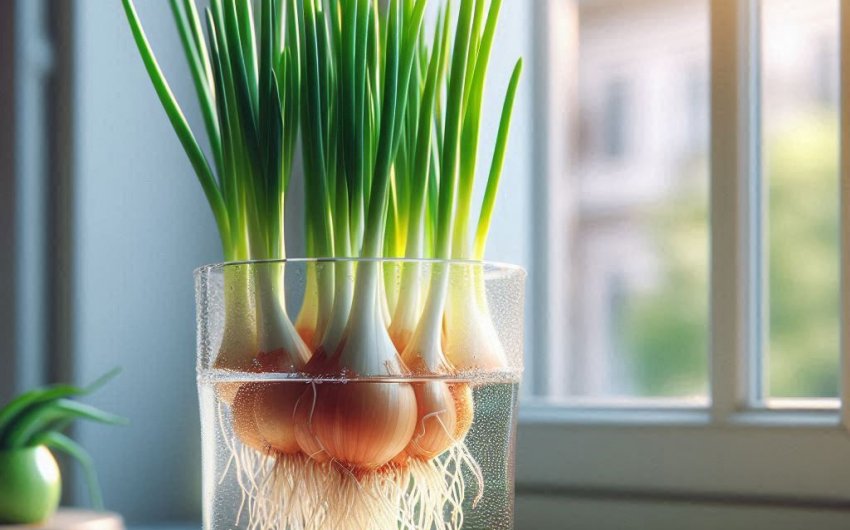
You can grow onions from kitchen scraps by taking the root end of a discarded onion, placing it in water to sprout new roots and green shoots, and then transplanting it into soil. This method is a fantastic way to reduce food waste and enjoy fresh green onions or even a new onion bulb with minimal effort.
What Part of the Onion Do You Use to Regrow?
To regrow onions from kitchen scraps, you'll use the bottom portion of the onion bulb, where the roots sprout from. This part holds the plant's growth potential.
The Root End: The Key to Regrowth
When you slice an onion, save the bottom disc that includes the root plate. This disc should be about 1/2 inch to 1 inch (1.25 cm to 2.5 cm) thick. It's usually the part you'd normally discard.
- Why it works: The root end contains the basal plate, which is where new roots and shoots originate. It has dormant buds ready to spring to life.
- Best onions for regrowing: Almost any onion type can be regrown, including yellow onions, red onions, white onions, and even scallions (green onions).
Preparing the Scraps
Proper preparation ensures the best chance of success for growing onions from scraps.
- Cut the Root End: Carefully cut off the bottom 1/2 to 1 inch (1.25 to 2.5 cm) of the onion. Make sure to keep the tiny root nubs intact.
- Inspect for Damage: Ensure the cut piece is firm and free of mold or soft spots. A healthy starting piece leads to healthy regrowth.
- Allow to Dry (Optional, but Recommended): For best results, let the cut end air dry for a few hours, or even overnight. This helps the cut surface to callus over, preventing rot when placed in water.
How Do You Start Onion Scraps in Water?
Starting your onion scraps in water is the quickest way to see new growth and develop a robust root system before planting in soil.
Step-by-Step Water Sprouting
This simple process will get your onion scraps ready for planting.
- Choose a Container: Select a small glass, jar, or shallow dish. It should be wide enough to hold the onion scrap without it fully submerging.
- Add Water: Fill the container with just enough water so that the very bottom of the onion scrap (the root end) is submerged. You don't want the entire piece to be in water, as this can encourage rot.
- Position the Onion: Place the onion scrap root-side down in the water. If it's too small to balance on its own, you can use toothpicks inserted into the sides of the scrap to suspend it over the water.
- Find a Sunny Spot: Place the container on a sunny windowsill or under a grow light. Bright, indirect light is ideal.
- Change Water Regularly: This is crucial. Change the water every 1-2 days to prevent mold, bacterial growth, and odors. Clean, fresh water ensures healthy root development.
What to Expect During Water Sprouting
You'll see changes quite quickly as your onion scraps begin to revive.
- Root Growth: Within a few days to a week, you'll notice small white roots emerging from the bottom of the scrap.
- Green Shoots: Soon after, green shoots will sprout from the top of the onion scrap. These are edible green onion tops.
- When to Transplant: Once the roots are about 1/2 inch to 1 inch (1.25 to 2.5 cm) long and the green shoots are a few inches tall, your onion scrap is ready to be transplanted into soil.
Table: Water Sprouting Milestones
| Timeframe | What to Expect |
|---|---|
| 1-3 days | Initial swelling, possibly tiny white nubs |
| 3-7 days | Visible white roots emerging, green shoots appear |
| 1-2 weeks | Roots 1/2-1 inch long, shoots 2-4 inches tall |
| Ready for soil | Strong root system and established green growth |
How Do You Plant Onion Scraps in Soil?
Once your onion scraps have developed roots in water, transplanting them into soil is the next step to growing larger green onions or even new bulbs.
Choosing the Right Pot or Location
The success of your regrown onions depends on the right environment.
- Pots: If growing indoors or in containers, choose a pot that is at least 6 inches (15 cm) deep and wide for a single onion, or a larger container if planting multiple. Ensure the pot has drainage holes. A Terracotta Pot with Drainage is a good choice.
- Garden Bed: If planting outdoors, select a spot with full sun (at least 6-8 hours of direct sunlight per day). Onions prefer well-draining soil.
Preparing the Soil
Good soil is fundamental for healthy onion growth.
- Well-Draining: Onions hate "wet feet." Use a well-draining potting mix for containers or amend garden soil with compost and perlite if it's heavy clay.
- Nutrient-Rich: Onions are moderate feeders. A balanced potting mix or garden soil enriched with compost provides essential nutrients. A Organic Potting Mix works well.
- pH Level: Onions prefer a slightly acidic to neutral soil pH, ideally between 6.0 and 7.0. A soil test kit can help you determine your soil's pH.
Step-by-Step Planting Process
Follow these steps to successfully transplant your onion scraps.
- Fill the Container/Prepare Bed: Fill your chosen pot with potting mix, leaving about 1 inch (2.5 cm) from the rim. If planting in a garden bed, prepare the soil in the designated area.
- Create a Hole: Make a small hole in the center of the soil, just large enough to accommodate the root ball of your onion scrap.
- Place the Onion: Carefully place the onion scrap into the hole, ensuring the green shoots are pointing upwards. The top of the original onion disc should be just at or slightly below the soil surface.
- Backfill Gently: Gently backfill with soil around the onion, lightly pressing down to remove any large air pockets.
- Water Thoroughly: Water the newly planted onion thoroughly to settle the soil around the roots.
What Care Do Regrown Onions Need?
Once planted, your regrown onions need consistent care to thrive and produce new growth.
Watering: Consistent Moisture, Not Soggy
Proper watering is crucial for healthy onion development.
- Regularly: Onions need consistent moisture, especially during their active growth phase. Don't let the soil dry out completely.
- Evenly: Water deeply and evenly. For container plants, water until it drains from the bottom.
- Avoid Overwatering: Soggy soil leads to root rot. Allow the top inch or two (2.5-5 cm) of soil to dry out before watering again. Stick your finger into the soil to check moisture levels.
Sunlight: Plenty of Rays
Sunlight is essential for onion growth.
- Full Sun: Onions need full sun to produce good bulbs, meaning at least 6-8 hours of direct sunlight per day. If growing indoors, place them in your brightest window or supplement with a grow light. A LED Grow Light can ensure sufficient light indoors.
- Rotation (for indoor plants): If using a single light source indoors, rotate the pot every few days to ensure even growth.
Fertilizing: Supporting Growth
While compost-rich soil provides initial nutrients, some feeding can boost growth.
- Nitrogen for Greens: For abundant green tops (scallions), a balanced liquid fertilizer or one slightly higher in nitrogen can be applied every 2-4 weeks during the growing season.
- Potassium for Bulbs: If you're aiming for a new bulb, focus on a balanced fertilizer. Avoid excessive nitrogen late in the growing season, as it can hinder bulb formation.
- Organic Options: Compost tea or fish emulsion are excellent organic choices.
Pest and Disease Watch: Early Detection
While relatively hardy, onions can still face common garden pests and diseases.
- Pests: Watch for onion thrips (tiny, slender insects that cause silvery streaks on leaves) and onion maggots (larvae that bore into bulbs).
- Diseases: Fungal diseases like downy mildew or neck rot can occur in overly wet or humid conditions.
- Prevention is Key: Good air circulation, proper watering, and healthy plant vigor are your best defenses.
- Treatment: For pests, a strong spray of water can dislodge them, or use neem oil for more persistent issues. Remove diseased plant parts immediately.
What Can You Harvest from Regrown Onion Scraps?
From a single onion scrap, you can harvest fresh green onion tops multiple times, or allow it to grow into a new, albeit smaller, onion bulb.
Green Onion Tops (Scallions): Perpetual Harvest
This is the easiest and most common harvest from regrown onion scraps.
- When to Harvest: Once the green shoots are about 6-8 inches (15-20 cm) tall.
- How to Harvest: Use clean scissors to snip off the green tops about 1 inch (2.5 cm) above the base of the onion disc.
- Regrowth: The onion will continue to produce new green shoots from the center, allowing for multiple harvests. This is a truly sustainable way to have fresh scallions on hand.
- Flavor: The flavor will be mild and fresh, perfect for salads, stir-fries, or as a garnish.
New Onion Bulbs: A Longer Process
Growing a new full-sized onion bulb from a scrap is possible but often results in smaller, sometimes multi-lobed bulbs compared to those grown from seed or sets.
- Patience is Key: This takes much longer than growing green tops, often several months (3-5 months or more), depending on the onion type and growing conditions.
- Single Harvest: Unlike green tops, harvesting the bulb means the end of that particular plant.
- Bulb Formation: As the plant matures, the base of the green shoots will swell to form a new bulb.
- Signs of Maturity: The green tops will start to yellow and fall over when the bulb is mature and ready for harvest.
- Harvesting the Bulb: Gently lift the onion from the soil.
- Curing: After harvesting, cure the bulbs in a warm, dry, well-ventilated area for 1-2 weeks until the neck is dry and the outer skins are papery. This helps them store longer.
Table: Harvest Options from Regrown Onions
| Harvest Type | Time to Harvest | How to Harvest | Outcome |
|---|---|---|---|
| Green Tops | 2-4 weeks after planting | Snip 1 inch above base | Multiple harvests, continuous supply |
| New Bulbs | 3-5+ months after planting | Lift entire plant when tops yellow and fall over | Single harvest, new bulb (often smaller) |
What Are Common Problems and Troubleshooting Tips for Regrowing Onions?
Even with simple methods, you might encounter issues when growing onions from kitchen scraps. Knowing how to troubleshoot can save your plants.
Rotting Scraps: The Most Common Problem
This is the number one issue when starting onions in water.
- Cause: Too much water, stagnant water, or an unhealthy initial scrap.
- Solution:
- Ensure only the very bottom of the scrap is in water.
- Change the water daily.
- Allow the cut end to callus for a few hours before placing in water.
- Start with a firm, healthy, mold-free onion piece. If you notice any mushiness or blackening, discard and start fresh.
Slow or No Growth: Lack of Vigor
If your onion isn't sprouting, or growth is very slow, consider these factors.
- Cause: Insufficient light, cold temperatures, or poor quality original scrap.
- Solution:
- Move to a brighter, sunnier spot. If indoors, consider a grow light.
- Ensure temperatures are warm enough (room temperature or slightly warmer).
- Make sure the original onion scrap was fresh and firm, not old or soft.
Yellowing Leaves: Nutrient or Water Imbalance
Yellowing leaves can indicate various problems.
- Cause: Overwatering (leading to root rot), underwatering, or nutrient deficiency.
- Solution:
- Check soil moisture: If soggy, let it dry out. If bone dry, water thoroughly.
- Drainage: Ensure your pot has good drainage holes.
- Fertilize: If consistent watering is not the issue, consider a light application of balanced liquid fertilizer.
Bolting (Flowering): Undesirable for Bulb Production
When an onion "bolts," it sends up a flower stalk and focuses energy on seed production rather than bulb growth.
- Cause: Stress (like extreme temperature fluctuations, drought, or inconsistent watering), or some onion varieties are more prone to bolting. Sometimes it's simply part of their natural lifecycle after a certain period of growth.
- Solution:
- Provide consistent growing conditions.
- If you see a flower stalk emerging and you're growing for a bulb, snip it off at the base. This might encourage the plant to put energy back into the bulb, though it might not always work perfectly. If you're growing for green onions, it doesn't affect the edible tops as much.
Table: Common Problems and Solutions
| Problem | Possible Cause | Solution |
|---|---|---|
| Rotting Scraps | Too much water, stagnant, unhealthy scrap | Use less water, change daily, dry scrap first, use healthy scrap |
| Slow/No Growth | Low light, cold, poor scrap | Increase light, ensure warmth, use fresh scrap |
| Yellowing Leaves | Over/underwatering, nutrient lack | Adjust watering, check drainage, fertilize if needed |
| Bolting | Stress, variety, natural lifecycle | Provide consistent care, snip flower stalk |
By paying attention to these common issues and implementing the troubleshooting tips, you can significantly increase your success rate in growing onions from kitchen scraps. This sustainable practice is rewarding, reduces waste, and provides a continuous supply of fresh, homegrown flavor for your culinary adventures.