
How to Prune Fruit Trees for Better Yield?
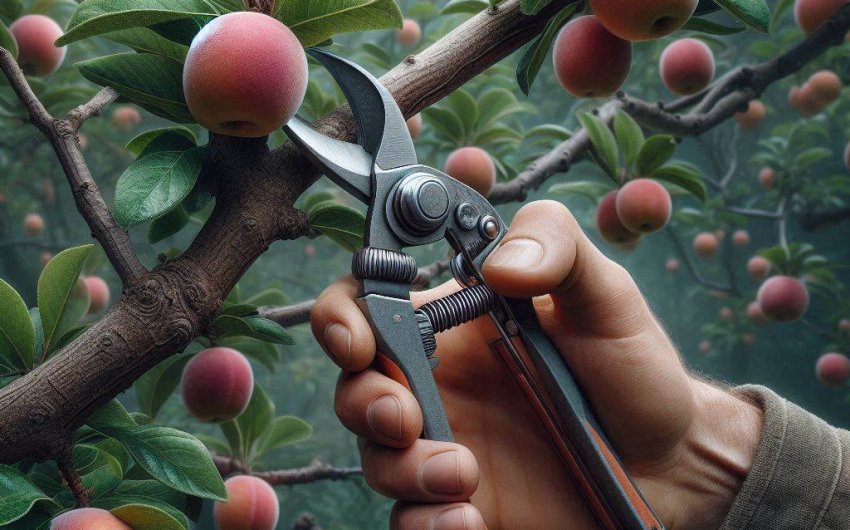
Pruning fruit trees for better yield involves strategic removal of branches to encourage fruit production, improve fruit quality, and maintain tree health and structure. The primary goals are to ensure adequate sunlight penetration, promote strong scaffolding, and balance vegetative growth with fruiting.
Why Should I Prune My Fruit Trees?
Pruning fruit trees isn't just about making them look tidy; it's a vital horticultural practice that directly impacts the tree's health, longevity, and, most importantly, its ability to produce abundant, high-quality fruit. Neglecting to prune can lead to a host of problems.
Direct Impact on Yield and Quality
- Increased Fruit Size and Quality: By removing excess branches, the tree can direct its energy and nutrients to fewer fruits, resulting in larger, sweeter, and better-formed produce. Overcrowded branches lead to smaller, less flavorful fruit.
- Enhanced Sunlight Exposure: Pruning opens up the tree canopy, allowing sunlight to reach all parts of the tree, including the inner branches and developing fruit. Sunlight is crucial for fruit ripening, color development, and sugar content.
- Improved Air Circulation: Good air circulation within the canopy helps to dry leaves and fruit surfaces more quickly, significantly reducing the risk of fungal diseases like powdery mildew, scab, and brown rot. This directly protects your potential harvest.
- Promotes Fruiting Wood: Different fruit trees fruit on different types of wood (e.g., spurs, one-year-old wood). Pruning encourages the growth of this specific fruiting wood, directly boosting future yields.
Benefits for Tree Health and Structure
- Stronger Tree Structure: Proper pruning creates a robust scaffolding of main branches that can support heavy fruit loads without breaking. It trains the tree to grow into a desirable shape, preventing weak angles and competing leaders.
- Disease and Pest Prevention: Removing dead, diseased, or damaged branches eliminates potential entry points or hiding spots for pests and diseases. Pruning also helps identify and remove infected parts before issues spread.
- Reduced Overbearing: Some fruit trees, like apples and peaches, can produce too much fruit in one year (overbearing), leading to small, poor-quality fruit and weakening the tree, potentially resulting in biennial bearing (fruiting only every other year). Pruning helps manage the fruit load.
- Easier Maintenance and Harvesting: A well-pruned tree is more manageable. Its open structure makes it easier to spray for pests/diseases, thin fruit, and harvest the ripened produce without needing excessively tall ladders.
- Longer Tree Lifespan: By keeping the tree healthy, open, and structurally sound, pruning contributes to its overall vigor and extends its productive life.
In essence, pruning is a form of controlled stress that, when done correctly, redirects the tree's energy into producing a superior harvest and maintaining a healthy, resilient framework.
When Is the Best Time to Prune Fruit Trees?
The best time to prune fruit trees generally depends on the type of pruning you're doing and the specific fruit tree species. Understanding the dormancy and growth cycles is key to successful timing.
Dormant Season Pruning (Winter/Early Spring)
This is the most common and generally recommended time for major structural pruning and renewal pruning.
- Timing: Late winter or very early spring, after the coldest temperatures have passed but before bud break. In temperate climates, this is typically from late January to early March.
- Why it's Best:
- Tree is Dormant: The tree is not actively growing, so pruning causes less stress.
- Clear View: Without leaves, it's easier to see the tree's structure, identify crossing branches, weak angles, and assess overall shape.
- Invigorating Effect: Dormant pruning encourages vigorous new growth in the spring. This is beneficial for promoting new fruiting wood.
- Reduced Disease Risk: Pests and diseases are less active, minimizing the chance of infection through fresh pruning wounds.
- What to Prune:
- Dead, diseased, or damaged branches.
- Crossing or rubbing branches.
- Suckers (growth from below the graft union) and watersprouts (vigorous, upright growth from main branches).
- Branches growing inward towards the tree's center.
- Branches that create poor air circulation.
- Overall shaping and structural development (especially for young trees).
Summer Pruning (Late Spring/Summer)
Summer pruning, also known as "green pruning," is done on actively growing trees and has different goals than dormant pruning.
- Timing: After the fruit has set, usually from late spring to mid-summer, after the flush of new growth. Avoid pruning in late summer or fall, as it can encourage new growth that won't harden off before winter.
- Why it's Best:
- Devigorating Effect: Summer pruning reduces the tree's overall leaf mass, which can slow down growth. This is useful for trees that are too vigorous or for controlling size.
- Improved Light and Air: Removing select leaves and small branches in summer directly improves light penetration and air circulation to ripening fruit, enhancing color and flavor.
- Encourages Fruit Bud Formation: For some trees, light summer pruning can encourage the formation of fruit buds for the following year.
- What to Prune:
- Light thinning of watersprouts and suckers.
- Branches that are shading developing fruit.
- Selective removal of smaller branches to open up the canopy for light and air.
- Pinching back aggressive new growth on young trees to encourage branching.
Specific Considerations by Fruit Type
- Stone Fruits (Peaches, Nectarines, Plums, Cherries): Often pruned in late spring/early summer (after flowering but before harvest, or immediately after harvest). This is because dormant pruning can make them more susceptible to diseases like Silver Leaf fungus. Peaches, in particular, fruit on one-year-old wood, so summer pruning helps remove older, unproductive wood and encourages new growth for the next season.
- Pome Fruits (Apples, Pears): Primarily pruned during dormancy, with some light summer thinning for improved light.
- Figs: Usually pruned in late winter/early spring during dormancy.
- Citrus: Pruned lightly throughout the year as needed, avoiding heavy pruning just before or during flowering/fruiting. Best done after harvest or during warmer periods.
Always adjust pruning times based on your specific climate zone and the local weather conditions. Avoid pruning during periods of extreme cold or heat, as this can stress the tree.
What Are the Essential Tools for Pruning Fruit Trees?
Having the right tools is just as important as knowing when and how to prune. Good tools make clean cuts, which heal faster and reduce the risk of disease.
Hand Pruners (Bypass Pruners)
These are your most frequently used tools for small cuts.
- Use For: Small branches and twigs up to 3/4 inch (2 cm) in diameter.
- Type: Bypass pruners are essential. They have two blades that slide past each other like scissors, making clean, precise cuts that are vital for tree health. Avoid "anvil" pruners for live wood, as they crush stems.
- Recommendation: Invest in a high-quality pair. Felco F-2 Classic Manual Hand Pruner is a top choice known for its durability and precision.
- Maintenance: Keep blades sharp and clean.
Loppers
For branches too thick for hand pruners, loppers provide extra leverage.
- Use For: Branches typically 3/4 inch to 1 1/2 inches (2-4 cm) in diameter.
- Type: Like hand pruners, bypass loppers are preferred for clean cuts on live wood. Look for ergonomic handles and good blade material.
- Recommendation: A good pair of bypass loppers will save you a lot of effort. Fiskars Bypass Lopper are popular for their value and performance.
- Maintenance: Keep blades sharp and pivots lubricated.
Pruning Saw
For larger branches that loppers can't handle.
- Use For: Branches larger than 1 1/2 inches (4 cm) in diameter.
- Type: A good curved blade pruning saw with sharp, aggressive teeth that cut on both the push and pull strokes is ideal. Foldable saws are convenient for safety and portability.
- Recommendation: Corona RS 7265 Razor Tooth Folding Saw is a highly rated and versatile option.
- Maintenance: Keep teeth clean. Replace if dull or bent.
Other Useful Tools
- Ladder: For reaching higher branches safely. Ensure it's stable and appropriate for tree work.
- Gloves: Protect your hands from thorns, sharp branches, and sap. Heavy-duty gardening gloves are recommended.
- Safety Glasses: Essential to protect your eyes from flying debris, sap, or errant branches.
- Disinfectant (Rubbing Alcohol or Bleach Solution): Crucial for sterilizing your tools between cuts, especially when pruning diseased wood. This prevents the spread of pathogens. Keep a spray bottle or a container with a rag handy.
- Pruning Sheath/Holster: Keeps your hand pruners conveniently accessible and safe.
- Whetstone or Pruner Sharpener: To keep your blades razor-sharp for clean cuts. Work Sharp Knife & Tool Sharpener can also sharpen pruners.
Tool Care is Key: Always clean and sharpen your pruning tools regularly. Dull tools crush and tear branches, creating jagged wounds that heal slowly and are prone to disease. Clean tools with disinfectant between each tree, and even between cuts if you're working on a diseased branch, to prevent spreading pathogens.
What Are the Different Pruning Cuts and Their Purpose?
Understanding the types of cuts you can make is fundamental to effective pruning. Each cut has a specific purpose and affects the tree's growth differently.
1. Heading Cut
- What it is: Removing the tip of a branch or stem, back to a bud, lateral branch, or arbitrary point. It shortens a branch without removing its point of origin.
- Purpose:
- Encourages Bushiness/Branching: Stimulates growth from the buds just below the cut, leading to a denser, bushier canopy.
- Increases Rigidity: Thickens the stem below the cut.
- Controls Size: Used to manage the overall height or spread of a young tree.
- Effect on Yield: While it increases branching (potentially leading to more fruiting wood in the future), overuse can lead to dense growth that reduces light penetration and air circulation, potentially reducing fruit quality long-term. Used more in initial training of young trees.
2. Thinning Cut (Removal Cut)
- What it is: Removing an entire branch back to its point of origin (main stem, larger branch, or ground). There is no stub left behind.
- Purpose:
- Opens the Canopy: Improves light penetration and air circulation throughout the tree. This is critical for fruit ripening and disease prevention.
- Reduces Congestion: Eliminates crossing branches, watersprouts, and suckers.
- Directs Growth: Removes undesirable branches to encourage stronger, more productive ones.
- Reduces Fruit Load: For overbearing trees, thinning cuts can directly reduce the amount of developing fruit.
- Effect on Yield: Directly enhances fruit quality by ensuring better light exposure and air circulation. Reduces competition for resources, leading to larger, sweeter fruits. This is generally the most beneficial type of cut for fruit production.
3. Removal of Dead, Diseased, or Damaged Wood
- What it is: Cutting back to healthy wood, ensuring all affected tissue is removed.
- Purpose:
- Prevents Disease Spread: Stops pathogens from spreading to healthy parts of the tree.
- Improves Tree Health: Dead wood is a breeding ground for pests and diseases.
- Safety: Removes branches that could fall and cause injury or damage.
- Effect on Yield: While not directly increasing fruit numbers, it ensures the tree's overall health and vigor, allowing it to put energy into fruit production rather than fighting off disease.
Where to Make the Cut: The "Branch Collar"
Regardless of the type of cut, it's crucial to make it correctly to promote proper healing.
- Branch Collar: At the base of every branch, where it meets the main trunk or a larger branch, there's a slightly swollen area known as the branch collar. This collar contains specialized cells that are vital for the tree's healing process, forming a protective callus over the wound.
- Proper Cut: Always make your cut just outside the branch collar, without damaging or leaving a stub of the collar itself.
- Incorrect Cuts:
- Flush Cut: Cutting too close to the main trunk or branch, removing the collar, which severely impairs the tree's ability to heal and can lead to decay.
- Stub Cut: Leaving too much of a stub, which will die back and provide an entry point for pests and diseases.
Three-Cut Method for Large Branches: For larger branches, use a three-cut method to prevent the branch from tearing bark down the trunk as it falls:
- Undercut: Make a shallow cut on the underside of the branch, about 6-12 inches out from the branch collar.
- Top Cut: Cut through the branch from the top, about 1-2 inches further out from your undercut. The branch will fall, leaving a short stub.
- Final Cut: Remove the remaining stub with a clean cut just outside the branch collar.
Understanding and applying these different types of cuts with precision is fundamental to effective fruit tree pruning for health and a better yield.
What Are the Main Pruning Styles for Fruit Trees?
Different pruning styles achieve specific goals for fruit trees, influencing their shape, size, light exposure, and ease of harvesting. The choice of style often depends on the tree species, your space, and your desired outcome.
1. Open Center (Vase Shape)
- Description: This style involves removing the central leader (main upright stem) of the tree, creating an open, vase-like shape with 3-5 strong scaffold branches radiating outwards.
- Advantages:
- Excellent Light Penetration: Maximizes sunlight to all parts of the canopy, crucial for fruit ripening and color.
- Improved Air Circulation: Reduces humidity, which helps prevent fungal diseases.
- Lower Height: Keeps the tree relatively short and wide, making harvesting and maintenance easier.
- Disadvantages: Can be prone to branch breakage if scaffold angles are too narrow.
- Best Suited For: Stone fruits like peaches, nectarines, plums, and apricots. Also suitable for some apple and pear varieties grown on dwarfing rootstock.
2. Central Leader
- Description: This style maintains a single, dominant central trunk (the "leader") from which horizontal scaffold branches emerge at different heights, creating a tiered or Christmas tree shape.
- Advantages:
- Strong Structure: Very robust, good for supporting heavy fruit loads.
- Natural Shape: Mimics the natural growth habit of many fruit trees.
- Good for Mechanical Harvesting: Though less relevant for home growers, it's efficient for orchards.
- Disadvantages: Can lead to very tall trees, making harvesting difficult without specialized equipment. Lower branches may get shaded by upper ones.
- Best Suited For: Pome fruits like apples and pears, especially on semi-dwarfing or standard rootstocks. Also some cherry varieties.
3. Modified Central Leader
- Description: A compromise between the central leader and open center. A central leader is maintained for the first few years to establish strong lower scaffold branches. Then, the central leader is cut back to a lateral branch at a desired height (e.g., 8-12 feet), limiting vertical growth while retaining a strong central axis.
- Advantages: Combines the strength of a central leader with the reduced height and improved light penetration of an open center.
- Disadvantages: Requires more careful training in early years.
- Best Suited For: Apples and pears, particularly in home orchards where a manageable height is desired.
4. Espalier
- Description: A highly ornamental and space-saving technique where fruit trees are trained to grow flat against a wall, fence, or trellis in a specific pattern (e.g., fan, cordon, candelabra).
- Advantages:
- Space Saving: Ideal for small gardens or urban spaces.
- Aesthetic Appeal: Highly decorative.
- Improved Fruit Quality: Wall provides warmth and reflected light, aiding ripening.
- Easy Access: All fruit and branches are easily accessible.
- Disadvantages: Requires significant time, precision, and ongoing training/pruning. Not suitable for all fruit tree types.
- Best Suited For: Apples, pears, and some stone fruits like plums or cherries. Choose varieties on dwarfing rootstock.
5. Bush (for some smaller fruits/shrubs)
- Description: A more natural, less structured approach where the plant grows into a bushy form, often with multiple stems from the base. Primarily for smaller fruit-bearing shrubs.
- Advantages: Low maintenance, natural appearance.
- Disadvantages: Can lead to dense, unproductive centers if not thinned.
- Best Suited For: Blueberries, currants, gooseberries, and some smaller dwarf fruit trees where fruit access is less critical.
Training Young Trees
For all styles, the first few years involve training pruning, which establishes the fundamental structure. This often means making larger cuts initially to set the framework, then lighter maintenance pruning in subsequent years to sustain the desired shape and productivity. Proper training from a young age significantly reduces the need for heavy, stress-inducing cuts later on.
Choosing the right pruning style for your fruit tree species and space is crucial for successful long-term management and maximizing your yield.
How to Prune Specific Fruit Tree Types for Better Yield?
While general pruning principles apply, specific fruit tree types have unique growth habits and fruiting characteristics that require tailored pruning approaches to maximize yield and fruit quality.
1. Apple and Pear Trees (Pome Fruits)
- Fruiting Habit: Primarily fruit on spurs (short, stubby branches) that develop on wood that is 2 years old or older. Some varieties may also fruit on tips of branches.
- Pruning Style: Typically trained to a Central Leader or Modified Central Leader system.
- Dormant Pruning (Winter/Early Spring):
- Remove the 3 D's: Dead, Diseased, Damaged branches.
- Remove Watersprouts and Suckers: These are unproductive and take energy from the tree.
- Thin Out Crossing/Rubbing Branches: Prevent injury and improve air circulation.
- Maintain Leader: Ensure a single strong central leader.
- Select Scaffold Branches: Choose 3-5 wide-angled (45-60 degrees) scaffold branches evenly spaced around the trunk, about 2-3 feet apart vertically. Remove narrow-angled branches, as they are weak. Use branch spreaders to widen angles if needed.
- Thin Lateral Branches: Open up the canopy by removing some lateral branches that are growing inward or excessively dense.
- Head Back Leader (Modified Central Leader): Once the tree reaches your desired height, cut back the central leader to a strong lateral branch to limit height.
- Summer Pruning (Light, optional):
- Remove vigorous watersprouts to reduce shade.
- Lightly thin new growth that creates excessive density, allowing more light to reach ripening fruit.
2. Peach, Nectarine, Plum, and Apricot Trees (Stone Fruits)
- Fruiting Habit: Primarily fruit on one-year-old wood (growth from the previous season). This means you need to constantly encourage new growth for future harvests.
- Pruning Style: Almost always trained to an Open Center (Vase) system.
- Pruning Time: Late spring/early summer, after fruit set or immediately after harvest. This reduces the risk of fungal diseases like Silver Leaf, to which stone fruits are susceptible.
- Annual Pruning:
- Remove the 3 D's: Dead, Diseased, Damaged.
- Maintain Open Center: Keep the center of the tree free of growth. Remove any branches growing inward.
- Thin Watersprouts and Suckers: Remove these.
- Head Back One-Year-Old Wood: Reduce the length of last year's growth by about 30-50%. This encourages new branching and more fruiting wood for the following season. Aim for outward-facing buds.
- Remove Older Wood: Remove some older, less productive branches (wood that has fruited multiple times) to make way for new, vigorous fruiting wood.
- Lower Height: Keep the tree to a manageable height (usually 8-10 feet) by cutting back tall upright branches.
3. Cherry Trees
- Fruiting Habit: Varies by type:
- Sweet Cherries: Fruit primarily on spurs on older wood.
- Sour (Tart) Cherries: Fruit mostly on one-year-old wood, similar to peaches.
- Pruning Style:
- Sweet Cherries: Often trained to a Modified Central Leader or sometimes an open center.
- Sour Cherries: Best pruned to an Open Center (Vase).
- Pruning Time: Late spring/early summer after harvest to reduce disease risk.
- Pruning Focus:
- Sweet Cherries: Focus on maintaining a strong central leader, selecting well-spaced scaffold branches, and thinning out crossing branches to encourage spur development. Limit the amount of heading cuts.
- Sour Cherries: Similar to peaches, prune to encourage new, one-year-old wood. Thin out older, less productive wood and head back branches to encourage bushier growth.
4. Fig Trees
- Fruiting Habit: Most common fig varieties fruit on new wood (current season's growth) and sometimes on old wood (called "brebas").
- Pruning Style: Often trained as a bush with multiple main stems or an open center to encourage light penetration. Can also be espaliered.
- Pruning Time: Late winter/early spring during dormancy, before new growth begins. In cold climates, delay pruning until danger of frost has passed.
- Pruning Focus:
- Remove Winter Damage: Cut back any branches killed by frost.
- Open Up Center: Remove crossing, rubbing, or inward-growing branches to ensure good light and air.
- Remove Old, Unproductive Wood: Cut out older, thick, woody stems that are no longer fruiting well from the base, encouraging new, productive shoots.
- Head Back New Growth: Pinch back tips of very vigorous new shoots to encourage branching and more fruit production.
- Manage Size: Keep the tree to a manageable height for harvesting.
These guidelines provide a starting point. Always observe your specific tree's growth and adjust your pruning based on its response. For success, remember that consistent, light annual pruning is far better than infrequent, heavy pruning.
What Are Common Pruning Mistakes to Avoid?
Pruning fruit trees correctly is an art and a science. While beneficial, improper pruning can actually harm your tree and reduce its yield. Avoiding these common mistakes is crucial.
1. Removing Too Much Wood (Over-Pruning)
- Mistake: Taking off more than 25-30% of the live wood in a single season.
- Why it's Bad: Leads to excessive vegetative growth (watersprouts), reduced fruit production, and stress on the tree. The tree might try to compensate by putting all its energy into leaf production rather than fruit. It can also cause sunscald on newly exposed bark.
- Solution: Prune incrementally and spread out major renovations over several seasons if a tree is severely overgrown.
2. Making Flush Cuts or Leaving Stubs
- Mistake: Cutting too close to the main trunk or branch (flush cut) or leaving a short stub.
- Why it's Bad:
- Flush Cut: Damages the branch collar, which contains healing cells. This creates a larger wound that heals slowly, making the tree vulnerable to decay, pests, and diseases.
- Stub: The stub will die back and become a decaying entry point for pathogens. It also looks unsightly.
- Solution: Always make cuts just outside the branch collar, ensuring the collar remains intact.
3. Pruning at the Wrong Time of Year
- Mistake: Pruning deciduous fruit trees in late summer or fall (except for stone fruits after harvest), or major dormant pruning too early in winter before the coldest weather has passed.
- Why it's Bad:
- Late Summer/Fall Pruning: Stimulates new growth that won't have time to harden off before winter, making it susceptible to frost damage.
- Too Early Dormant Pruning: Fresh wounds can be damaged by extreme cold, and early cuts might lead to excessive sap bleeding in some species.
- Pruning Stone Fruits in Winter: Increases susceptibility to fungal diseases like Silver Leaf.
- Solution: Stick to the recommended dormant season for most trees, and late spring/early summer for stone fruits.
4. Using Dull or Dirty Tools
- Mistake: Making cuts with unsharpened or contaminated tools.
- Why it's Bad:
- Dull Tools: Crush and tear plant tissue, creating ragged wounds that heal slowly and are perfect entry points for pathogens.
- Dirty Tools: Spread diseases from one tree (or one part of a tree) to another.
- Solution: Always use sharp, clean tools. Sterilize blades with rubbing alcohol or a bleach solution between trees, and especially after cutting diseased wood. Keep them well-maintained.
5. Neglecting to Open the Canopy for Light and Air
- Mistake: Focusing only on height reduction or removing lowest branches, while leaving a dense, cluttered center.
- Why it's Bad: A dense canopy significantly reduces sunlight penetration to inner branches and fruit, leading to smaller, poorly colored, and less flavorful fruit. It also creates a humid environment perfect for fungal diseases.
- Solution: Prioritize thinning cuts to open up the center of the tree, ensuring good air circulation and light exposure to all fruiting wood.
6. Not Understanding Fruiting Habits
- Mistake: Pruning off the very wood that produces fruit (e.g., heavily heading back two-year-old wood on a spur-bearing apple, or removing all new growth on a peach).
- Why it's Bad: Directly reduces your current and future harvest.
- Solution: Learn how your specific fruit tree species fruits (on spurs, one-year-old wood, or both) before you start pruning.
7. Over-Relying on "Wound Dressings"
- Mistake: Applying tar-based or other "wound dressings" to pruning cuts.
- Why it's Bad: Modern research shows these dressings often hinder the tree's natural healing process, trapping moisture and promoting decay.
- Solution: Do not use wound dressings. Trees heal best when wounds are left exposed to air, allowing them to callus naturally. Only use them if specifically recommended for a disease like oak wilt in certain regions.
By avoiding these common pruning pitfalls, you can ensure your efforts truly benefit your fruit trees, leading to healthier plants and more abundant, higher-quality yields.