
How to Grow Medicinal Plants in Your Backyard?
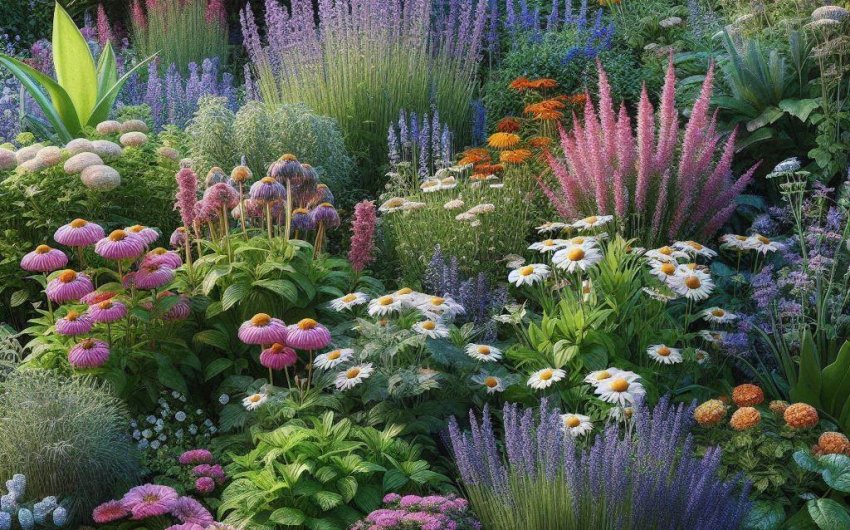
You can absolutely grow medicinal plants in your backyard, creating a thriving herbal apothecary right at home with careful planning and attention to their specific needs. This guide will walk you through the entire process, from selecting the right plants to harvesting and utilizing your homegrown remedies.
Why Grow Medicinal Plants in Your Backyard?
Cultivating medicinal plants offers numerous benefits, blending the joy of gardening with the practical advantages of natural wellness. It's a journey into self-sufficiency and deeper connection with nature.
What are the Advantages of a Backyard Herbal Garden?
- Freshness and Potency: Homegrown herbs are incredibly fresh, often more potent than dried store-bought versions. You control how they are grown, harvested, and dried, ensuring optimal quality.
- Cost Savings: Over time, growing your own medicinal herbs can significantly reduce expenses on herbal remedies and supplements.
- Convenience and Accessibility: Your remedies are just steps away. Need a soothing tea for a cough? A fresh poultice for a bug bite? It's right there.
- Educational and Empowering: Learning to grow and use these plants deepens your knowledge of natural healing and provides a sense of self-reliance.
- Sustainable and Eco-Friendly: Reduces reliance on commercially grown herbs, often shipped long distances. You support local ecosystems and biodiversity.
- Beauty and Fragrance: Many medicinal plants are beautiful and fragrant, adding aesthetic appeal and delightful scents to your garden space.
- Pest Control and Pollinator Attraction: Some herbs can deter common garden pests, while their flowers attract beneficial pollinators like bees and butterflies.
- Connection to Nature: Tending to an herbal garden fosters a deeper connection to the natural world and the cycles of growth.
What Research Should You Do Before Planting Medicinal Herbs?
Before digging into the soil, thorough research is the most critical step in establishing a successful backyard medicinal garden. This ensures you choose the right plants for your needs and local conditions.
Essential Pre-Planting Research Steps
- Identify Your Needs:
- What health concerns do you want to address? (e.g., digestive issues, stress, pain relief, immune support, skin complaints). Make a list of common ailments your family experiences.
- Prioritize a few key herbs. Don't try to grow everything at once. Start with 3-5 plants that address your primary needs and are relatively easy to grow in your area.
- Learn About Each Plant:
- Specific Medicinal Properties: Understand how each herb is traditionally used and what its active compounds are. Crucially, consult reliable sources, medical professionals, or experienced herbalists before using any plant for medicinal purposes, especially if you have existing health conditions or are on medication.
- Growing Requirements:
- Sunlight: Does it need full sun (6+ hours direct), partial sun (4-6 hours), or shade?
- Soil Type: Does it prefer sandy, loamy, clay, well-draining, or consistently moist soil?
- pH Level: Most herbs prefer a neutral to slightly alkaline pH (6.0-7.5), but some have specific needs. A soil pH test kit is invaluable.
- Water Needs: Drought-tolerant or water-loving?
- Hardiness Zone: Can it survive your local winter temperatures? Check your USDA Plant Hardiness Zone.
- Growth Habit: How big does it get? Is it a bush, vine, creeping groundcover? Does it spread aggressively?
- Parts Used & Harvesting: Which part of the plant is medicinal (leaves, flowers, roots, seeds)? When and how do you harvest for maximum potency?
- Processing & Storage: How do you dry, tincture, or make infusions? How long can it be stored?
- Potential Side Effects/Interactions: Even natural remedies can have side effects or interact with medications. This is extremely important to research.
- Assess Your Backyard Environment:
- Sun Mapping: Observe your backyard throughout the day to determine where you get full sun, partial sun, and shade.
- Soil Analysis: Get a soil test to understand your soil's pH and nutrient levels. This informs amendments.
- Water Availability: Plan how you will water your plants.
- Space: How much space do you have? Consider vertical gardening or containers if space is limited.
How Do You Plan and Design Your Medicinal Herb Garden?
Effective planning and design will optimize your space, ensure your plants thrive, and make your backyard medicinal garden both beautiful and functional.
Key Considerations for Garden Design
- Location, Location, Location:
- Sunlight is paramount. Group plants with similar sun requirements together.
- Accessibility: Place frequently used herbs closer to your house for easy access during cooking or when a quick remedy is needed.
- Protection: Consider wind exposure and potential for frost. Some plants may need a sheltered spot.
- Garden Layout:
- Dedicated Herb Garden Bed: A separate bed solely for herbs keeps them organized and allows for specific soil amendments.
- Interplanting: Integrate herbs into existing flower beds or vegetable gardens. This can offer pest control benefits.
- Containers: Ideal for herbs with aggressive spreading habits (like mint) or for those needing specific soil conditions, or if you have limited space. Choose appropriately sized garden containers with drainage.
- Raised Beds: Excellent for controlling soil quality, drainage, and reducing bending. You can find raised garden beds in various sizes.
- Soil Preparation:
- Most medicinal plants prefer well-draining soil. Good drainage prevents root rot, which is common in herbs.
- Improve Drainage: If you have heavy clay soil, amend it with organic matter like compost, perlite, or coarse sand.
- Nutrient Richness: While some herbs tolerate poor soil, most benefit from moderately fertile soil. Incorporate a good amount of well-rotted compost or aged manure.
- pH Adjustment: Based on your soil test, amend the pH if necessary. Add lime to raise pH (make it more alkaline) or elemental sulfur or peat moss to lower pH (make it more acidic).
- Watering Strategy:
- Consider an irrigation system if you have a large garden.
- Group plants with similar water needs to make watering efficient.
- Mulch (straw, wood chips, shredded leaves) helps retain soil moisture and reduce weeding. You can find garden mulch options.
- Pathways and Edging:
- Plan pathways for easy access to all plants without compacting the soil.
- Edging can help define beds and prevent aggressive spreaders from taking over.
- Labeling:
- Labeling your plants is crucial, especially when they are young. Use durable, waterproof plant labels.
What are Some Easy-to-Grow Medicinal Plants for Beginners?
Starting with resilient and easy-to-grow medicinal plants will build your confidence and ensure early success in your backyard apothecary. These plants offer a wide range of benefits and are forgiving for novice gardeners.
Top Medicinal Herbs for Beginners
- Chamomile (Matricaria recutita):
- Uses: Calming, sleep aid, digestive aid, anti-inflammatory.
- Growing: Annual. Prefers full sun to partial shade. Well-draining soil. Easy to grow from seed. Self-seeds readily. Harvest flowers as they open.
- Peppermint (Mentha piperita):
- Uses: Digestive aid, headache relief, decongestant, stimulating.
- Growing: Perennial. Highly invasive, so plant in a container or a dedicated contained area. Prefers partial shade and moist soil. Easy to propagate from cuttings. Harvest leaves as needed.
- Lemon Balm (Melissa officinalis):
- Uses: Calming, antiviral, digestive aid, uplifting.
- Growing: Perennial. Prefers partial shade but tolerates full sun. Tolerates various soil types. Can self-seed. Harvest leaves before flowering for best flavor. Attracts bees.
- Lavender (Lavandula angustifolia):
- Uses: Calming, sleep aid, antiseptic, anti-inflammatory.
- Growing: Perennial. Needs full sun and excellent drainage. Tolerates poor, sandy soil. Drought-tolerant once established. Harvest flower spikes just as buds open.
- Calendula (Calendula officinalis):
- Uses: Skin healing (wounds, rashes, burns), anti-inflammatory, antiseptic.
- Growing: Annual (often self-seeds). Full sun. Tolerates average soil. Very easy to grow from seed. Deadhead regularly for continuous blooms. Harvest flowers when fully open.
- Echinacea (Echinacea purpurea):
- Uses: Immune support, cold and flu prevention.
- Growing: Perennial. Full sun. Well-draining soil. Can be grown from seed but easier from plants. Harvest roots in fall after 2-3 years, or flowers/leaves in summer.
- Yarrow (Achillea millefolium):
- Uses: Fever reduction, wound healing, anti-inflammatory.
- Growing: Perennial. Full sun. Tolerates poor, dry soil. Very hardy and drought-tolerant. Can spread. Harvest leaves and flowers.
- Thyme (Thymus vulgaris):
- Uses: Antiseptic, cough and cold relief, digestive aid.
- Growing: Perennial. Full sun and excellent drainage. Drought-tolerant. Harvest stems and leaves.
- Aloe Vera (Aloe barbadensis miller):
- Uses: Skin soothing (burns, irritation), digestive aid (internal use with caution).
- Growing: Tender perennial (succulent). Best in containers you can bring indoors in winter if temperatures drop below freezing. Bright indirect light. Well-draining soil (cactus mix). Water sparingly.
- Rosemary (Rosmarinus officinalis):
- Uses: Memory enhancement, headache relief, antiseptic, antioxidant.
- Growing: Tender perennial. Full sun and excellent drainage. Can grow into a large shrub. In colder climates, grow in a pot and bring indoors for winter. Harvest sprigs as needed.
Many of these plants can be started from seeds (you can find medicinal herb seeds online) or small starter plants from a reputable nursery.
How Do You Plant and Care for Your Medicinal Herbs?
Once your garden is planned and prepared, it's time to bring your medicinal plants to life. Proper planting and ongoing care are crucial for their health and potency.
Step-by-Step Planting and Care Instructions
- Prepare the Soil:
- Ensure your chosen garden bed or container is filled with the appropriate soil mix (well-draining, amended with compost).
- For raised beds, use a good quality raised bed soil mix.
- Planting Seeds or Starts:
- From Seeds: Follow seed packet instructions for depth and spacing. Many herb seeds are small and only need a light covering of soil. Keep the soil consistently moist until germination.
- From Starter Plants:
- Dig a hole twice as wide as the root ball and just as deep.
- Gently remove the plant from its nursery pot. Loosen any circling roots at the bottom.
- Place the plant in the hole so the top of the root ball is level with the soil surface.
- Backfill with soil, gently firming around the base.
- Water thoroughly immediately after planting.
- Initial Watering:
- After planting, water deeply to settle the soil around the roots.
- For the first few weeks, keep the soil consistently moist until plants are established.
- Sunlight and Placement:
- Ensure each plant receives its ideal amount of sunlight throughout the day.
- If using containers, you can move them to optimize sun exposure as the seasons change.
- Watering Routine:
- Once established, water according to each plant's specific needs.
- Most herbs prefer deep, infrequent watering rather than frequent shallow watering. This encourages deeper root growth.
- Allow the top inch or two of soil to dry out before watering again, unless the plant specifically prefers constant moisture (e.g., mint).
- Water at the base of the plant to avoid wetting foliage unnecessarily, which can lead to fungal issues.
- Fertilizing (Generally Minimal for Herbs):
- Many medicinal herbs actually produce more potent medicinal compounds when grown in slightly less fertile or "stressed" conditions.
- If your soil was well-amended with compost at planting, additional fertilizer might not be needed.
- If plants show signs of nutrient deficiency (e.g., yellowing leaves, stunted growth), use a balanced, diluted organic liquid fertilizer at half strength. Avoid excessive nitrogen, which can lead to lush leafy growth but lower medicinal potency.
- Weeding:
- Keep the garden free of weeds, as they compete with your herbs for water, nutrients, and sunlight.
- Mulching can significantly reduce weeding efforts.
- Pruning and Pinching:
- Pinch back young plants (especially basil, mint, lemon balm) above a set of leaves to encourage bushier growth rather than leggy stems.
- Prune to maintain plant shape, encourage new growth, or remove dead/diseased branches. Pruning also helps delay flowering in leafy herbs, extending their harvest period.
- Pest and Disease Management:
- Prevention: Healthy plants are less susceptible. Ensure good air circulation, proper watering, and correct sun exposure.
- Inspection: Regularly inspect your plants for signs of pests (aphids, spider mites) or diseases (powdery mildew).
- Organic Control: For pests, try blasting with water, hand-picking, or using organic insecticidal soap or neem oil. For fungal issues, ensure good air circulation and avoid overhead watering.
- Winter Protection (for Perennials):
- In colder climates, perennial herbs might need winter protection. This could involve mulching heavily around their base, covering with a frost blanket, or bringing potted plants indoors.
How Do You Harvest and Process Medicinal Herbs for Potency?
Knowing when and how to harvest your medicinal plants is crucial for maximizing their potency and preserving their therapeutic compounds. Proper processing ensures your homegrown remedies last.
Timing and Techniques for Harvesting
The ideal harvest time depends on the plant part used:
- Leaves:
- Harvest in the morning after the dew has dried but before the sun is intense, as this is when essential oil content is often highest.
- Harvest before the plant flowers for most leafy herbs (e.g., peppermint, lemon balm), as energy shifts to flower and seed production, reducing leaf potency.
- Pinch or snip off individual leaves or small stems, leaving enough foliage for the plant to continue growing.
- Flowers:
- Harvest when they are fully open and vibrant, again, in the morning after dew.
- Clip just the flower heads or the flower stalks, depending on the plant (e.g., calendula heads, chamomile flowers, lavender spikes).
- Deadhead regularly to encourage more blooms.
- Roots:
- Harvest in the fall after the plant has gone dormant and transferred its energy back to the roots, typically after the first frost, or in early spring before new growth begins.
- Gently dig up the entire plant, clean the roots thoroughly, and cut into smaller pieces.
- Seeds:
- Allow the flowers to dry on the plant and seeds to fully mature (turn brown) before harvesting.
- Collect seeds on a dry day.
Processing and Storage Methods
Proper processing preserves the medicinal properties and prevents mold or degradation.
- Cleaning:
- Gently shake off any dirt or insects. Avoid washing leaves or flowers excessively, as it can reduce essential oil content. If you must wash, do it quickly and pat dry. Roots, however, need thorough cleaning.
- Drying (Most Common Method):
- Air Drying: The simplest method.
- Tie small bunches of herbs (leaves or flowers) together and hang them upside down in a clean, dark, dry, well-ventilated area (e.g., a pantry, attic, or dedicated drying rack).
- Lay individual leaves or flowers on screens or paper towels.
- Ensure good air circulation to prevent mold.
- Drying time varies from a few days to a few weeks.
- Dehydrator: A food dehydrator with a low-temperature setting (below 100-110°F or 38-43°C) is excellent for faster, controlled drying. Spread herbs in a single layer. A good food dehydrator can be a great investment.
- Oven Drying (Use with Extreme Caution): Only on the lowest setting with the door ajar to allow moisture to escape. Risk of scorching herbs is high. Not recommended for delicate herbs.
- Testing for Dryness: Herbs are fully dry when they are brittle and crackle when touched. Leaves should crumble easily.
- Air Drying: The simplest method.
- Storage:
- Store dried herbs in airtight glass jars in a cool, dark place away from direct sunlight and humidity.
- Label jars with the herb name and date of harvest.
- Properly stored dried herbs can retain potency for 1-3 years.
- Other Preparations (Beyond Drying):
- Tinctures: Extracting medicinal compounds into alcohol.
- Infused Oils: Infusing herbs into carrier oils (e.g., olive, almond) for topical use.
- Vinegars/Honeys: Infusing herbs into vinegars or honey.
- Freezing: Some herbs can be frozen for later use (e.g., finely chopped herbs in ice cube trays with water or oil). Best for culinary use rather than strong medicinal preparations.
What are Important Safety and Ethical Considerations?
While growing and using medicinal plants is empowering, it comes with significant responsibilities regarding safety and ethical practice. Always approach herbal remedies with respect and caution.
Crucial Safety Precautions
- Accurate Identification is Non-Negotiable:
- Never consume or apply a plant unless you are 100% certain of its identity. Many plants have toxic look-alikes. Use multiple identification resources (books, experienced herbalists, reputable online guides).
- When buying plants or seeds, ensure they are correctly labeled from a trusted source.
- Consult Healthcare Professionals:
- Before using any medicinal herb for a health condition, especially if you have chronic illnesses, are pregnant or breastfeeding, or are taking prescription medications, consult your doctor, pharmacist, or a qualified clinical herbalist.
- Herbs can interact with drugs (e.g., St. John's Wort and antidepressants, garlic and blood thinners).
- Some herbs are contraindicated for specific conditions.
- Dosage and Preparation:
- Start with low doses and increase gradually while monitoring for any adverse reactions.
- Follow reputable recipes and guidelines for preparing infusions, decoctions, tinctures, or salves.
- Do not exceed recommended dosages.
- Allergies:
- Just like with food, people can be allergic to herbs. If you're trying a new herb, do a patch test on your skin first.
- Quality of Growing Conditions:
- Only use herbs grown in clean, uncontaminated soil. Avoid areas near roads (exhaust fumes), industrial sites, or where pesticides/herbicides have been sprayed.
- Ensure proper organic gardening practices.
- Pesticide-Free:
- Never use synthetic pesticides, herbicides, or fungicides on plants intended for medicinal use.
Ethical Considerations in Herbalism
- Sustainability: When harvesting, always take only what you need and never more than 1/3 of a wild plant. For your garden, ensure you harvest in a way that allows the plant to continue thriving.
- Respect for the Plant: Approach herbalism with respect for the plants and their healing properties. Understand that they are living beings.
- Knowledge and Responsibility: Continuously educate yourself. Herbalism is a lifelong learning journey. Recognize the limitations of your knowledge and when to seek professional help.
- Privacy: Be mindful of privacy if sharing information about using herbal remedies, especially concerning personal health issues.
By adhering to these safety guidelines and embracing an ethical approach, your journey into growing medicinal plants in your backyard can be both incredibly rewarding and responsible.