
What Are the Best Space-Saving Garden Furniture Designs for Urban Gardens?
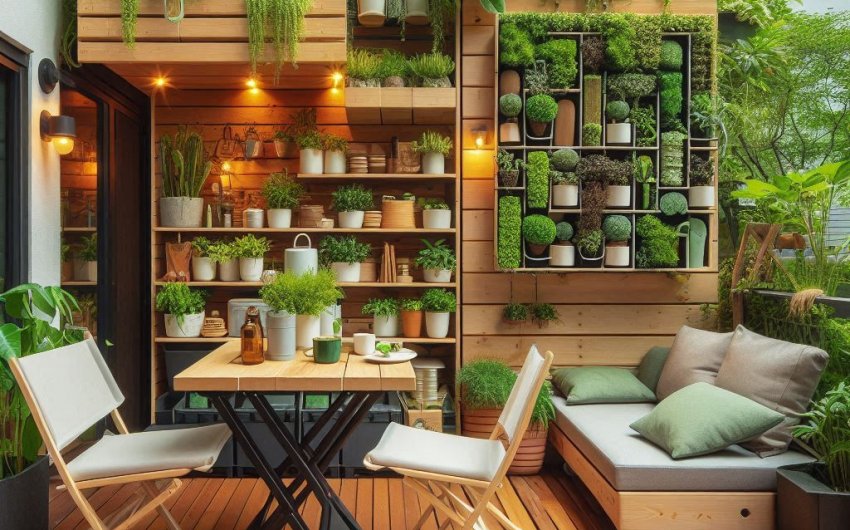
Creating an inviting and functional outdoor space in a compact urban setting requires thoughtful planning, especially when it comes to furniture. For those seeking to maximize every square inch, understanding what are the best space-saving garden furniture designs for urban gardens is essential. These clever pieces are not only stylish but also designed with multi-functionality and compactness in mind, transforming even the smallest balcony, patio, or courtyard into a comfortable and versatile retreat.
Why is Space-Saving Furniture Crucial for Urban Gardens?
Urban gardens, whether balconies, small patios, or compact backyards, typically offer limited square footage. Every inch counts, making traditional bulky furniture impractical. Space-saving furniture is not just about aesthetics; it's about optimizing functionality in confined areas.
Maximizing Limited Footprint
Urban outdoor spaces are often constrained. Standard patio sets can easily overwhelm a small balcony, leaving no room for movement or other elements like plants. Space-saving furniture designs are specifically engineered to fit snugly, fold away, or serve multiple purposes, allowing you to get the most out of your compact outdoor area without feeling cramped.
Versatility and Flexibility
Urban living often means adapting to various needs – sometimes you want to dine al fresco, other times you need room for potted plants or yoga. Space-saving furniture offers the flexibility to transform your outdoor area from a dining spot to a lounging zone or even a dedicated gardening corner with minimal effort, providing options crucial for what are the best space-saving garden furniture designs for urban gardens.
Ease of Storage and Portability
Many urban dwellers need to store their outdoor furniture during off-seasons or when space is needed for other activities. Designs that fold, stack, or nest make storage simple, and lightweight materials ensure portability, allowing you to rearrange your layout or move pieces indoors with ease.
Aesthetic Appeal and Clean Lines
Space-saving furniture often features sleek, minimalist designs that don't add visual clutter. This contributes to an open, airy feel in a small space, making the area seem larger and more inviting, rather than overwhelmed by heavy pieces.
What Are the Best Folding and Collapsible Furniture Options?
Folding and collapsible furniture are perhaps the most straightforward solutions for space-saving, allowing you to instantly free up floor space when not in use. They are primary examples of what are the best space-saving garden furniture designs for urban gardens.
Folding Bistro Sets
- Description: Typically includes a small, round or square table and two chairs that fold flat.
- Pros: Extremely compact when folded, making them easy to store against a wall or in a closet. Ideal for intimate dining or a coffee break. Many are made from durable metal folding bistro sets or wood.
- Cons: Can be less comfortable for extended lounging compared to larger furniture.
Folding Chairs
- Description: Individual chairs that fold flat for easy storage.
- Pros: Highly versatile; pull them out only when extra seating is needed. Available in various materials and styles, from basic folding patio chairs to more comfortable reclining options.
- Cons: Not always the most aesthetically pleasing when set up, and some can be less sturdy than fixed chairs.
Folding Tables (Wall-Mounted or Freestanding)
- Description: Tables that either fold flat against a wall or have collapsible legs.
- Pros: A wall-mounted folding table is perfect for tiny balconies, disappearing completely when not needed. Freestanding folding tables offer flexibility for occasional dining or as a temporary workspace.
- Cons: Wall-mounted tables require drilling; freestanding ones still need storage space when collapsed.
Folding Benches
- Description: Benches that fold flat, offering versatile seating for small groups or a convenient spot to perch.
- Pros: Provide more seating than individual chairs in a similar footprint when set up, and fold away easily. A folding garden bench is perfect for a compact urban space.
- Cons: Less comfortable than upholstered seating.
Which Multi-Functional Furniture Designs Save the Most Space?
Multi-functional furniture is a genius solution for urban gardens, as each piece serves more than one purpose, effectively reducing the total number of items needed. This intelligent design is at the heart of what are the best space-saving garden furniture designs for urban gardens.
Storage Benches or Ottoman Chests
- Description: Seating options that double as storage containers.
- Pros: Provide comfortable seating and a hidden space to store cushions, gardening tools, small pots, or other outdoor essentials, keeping the area tidy. Many are made from weather-resistant storage benches or outdoor storage ottomans.
- Cons: Can be heavier to move, and ensuring they are truly waterproof for cushion storage is important.
Nesting Tables or Chairs
- Description: Sets of tables or chairs where smaller pieces fit neatly underneath larger ones.
- Pros: Offer flexible surfaces or seating options that can be expanded when guests arrive and then tucked away compactly when not needed. A nesting outdoor table set provides versatile surfaces.
- Cons: May not always be comfortable for primary seating if the design prioritizes nesting.
Ottoman/Table Hybrids
- Description: A single piece that can serve as an ottoman (footrest), extra seating, or even a low coffee table when topped with a tray.
- Pros: Extremely versatile, adaptable to various needs throughout the day.
- Cons: Might not be as comfortable as dedicated seating or as stable as a dedicated table.
Planter Benches/Tables
- Description: Furniture pieces that incorporate built-in planters.
- Pros: Combine seating or surface area with green elements, making the most of vertical space and bringing nature into a small area. Excellent for planter benches or even small herb garden tables.
- Cons: Can be heavy due to soil, and drainage needs to be carefully managed to prevent rot.
What Are the Best Furniture Materials for Space-Saving in Urban Environments?
The material choice for space-saving garden furniture influences its durability, weight, and how well it fits into a modern urban aesthetic. Selecting the right materials is crucial for the longevity of what are the best space-saving garden furniture designs for urban gardens.
Lightweight Aluminum
- Pros: Extremely lightweight, making pieces easy to move, fold, and store. It's also rust-resistant, durable, and low maintenance. Often powder-coated for various colors.
- Cons: Can sometimes be blown over in strong winds if very light. Can get hot in direct sunlight.
Recycled Plastic (HDPE)
- Pros: Incredibly durable, resistant to fading, cracking, and rot. Very low maintenance and often made from eco-friendly recycled materials. Can be quite heavy, providing stability. Many folding or stacking options are available, like polywood folding chairs.
- Cons: Can be more expensive upfront. Can be heavy to move if not designed with portability in mind.
Compact Wood (Teak, Acacia, Eucalyptus)
- Pros: Offers a natural, warm aesthetic. Can be very durable (especially teak) and can be folded or designed in compact forms. Acacia wood bistro sets are popular for their value.
- Cons: Requires more maintenance (oiling/sealing) to preserve its look. Can be heavy. Eucalyptus and acacia are good, more affordable options than teak.
Synthetic Wicker (Resin Wicker) on Aluminum Frame
- Pros: Offers the look of natural wicker but is far more durable and weather-resistant. Often woven over lightweight aluminum frames, making pieces relatively easy to move.
- Cons: Can be more expensive for high-quality options. Less able to fold or collapse than other materials, though stacking designs are common.
How Can Wall-Mounted and Vertical Solutions Optimize Space?
When floor space is at an absolute premium, looking upwards and utilizing wall space becomes essential. Vertical solutions are brilliant for what are the best space-saving garden furniture designs for urban gardens.
Wall-Mounted Folding Tables
- Description: A table top attached to a wall with hinges, allowing it to fold down flat when not in use.
- Pros: Frees up floor space entirely when folded. Perfect for tiny balconies or narrow pathways. A drop-leaf patio table can also be used against a wall.
- Cons: Requires secure wall mounting. Limited in size and weight capacity.
Wall-Mounted Shelving
- Description: Shelves attached to a wall, used for holding small potted plants, decorative items, or gardening tools.
- Pros: Keeps items off the floor, visually expands the space, and creates an organized look. Outdoor wall shelves add functionality.
- Cons: Permanent fixture. Weight capacity needs to be considered.
Vertical Planters as Dividers or Backdrops
- Description: Structures that hold multiple plants vertically, often against a wall or as a freestanding screen.
- Pros: While not strictly furniture, they create living walls that define spaces, add greenery without taking up floor space, and can enhance privacy. Some designs can even integrate small fold-down shelves or seating. A vertical garden planter can be transformative.
- Cons: Requires careful watering. Can be heavy when filled with soil and plants.
Wall-Mounted Hooks and Tool Organizers
- Description: Simple hooks or specialized racks mounted on walls to hang chairs, tools, or even small hanging planters.
- Pros: Maximizes storage, keeping the floor clear. Very low cost and easy to install. Consider heavy-duty outdoor hooks.
- Cons: May not be aesthetically pleasing for prominent display.
How Can Portable and Lightweight Designs Benefit Urban Gardens?
The ability to easily move furniture around a small urban garden is a significant advantage, allowing for flexible layouts and quick transformations. Portable designs are therefore key to what are the best space-saving garden furniture designs for urban gardens.
Lightweight Chairs (e.g., director's chairs, compact lounge chairs)
- Description: Chairs made from materials like aluminum, canvas, or lightweight plastic that are easy to pick up and move.
- Pros: Can be rearranged effortlessly for different activities (dining, lounging, sunbathing). Many fold flat or stack for storage. Outdoor director's chairs are classic examples.
- Cons: May lack the stability of heavier, fixed furniture.
Poufs and Bean Bags
- Description: Soft, unstructured seating options that are lightweight and easily moved.
- Pros: Highly flexible; can be used as extra seating, footrests, or even temporary side tables. Very comfortable. Many outdoor poufs are specifically designed for outdoor use.
- Cons: Can be prone to getting dirty, and some may not be fully waterproof. Require proper drying after rain.
Modular Sectionals (Reconfigurable)
- Description: Seating sets composed of individual, lightweight pieces that can be arranged in various configurations (e.g., a sofa, two chairs and an ottoman, or a small L-shape).
- Pros: Extremely versatile, allowing you to adapt your seating arrangement to the number of guests or the activity.
- Cons: Higher initial cost. While reconfigurable, individual pieces might still take up a fair amount of space. Look for compact modular outdoor sofas.
Small, Portable Side Tables
- Description: Lightweight tables that can be easily picked up and moved wherever needed.
- Pros: Provide a convenient surface for drinks, books, or small plates without occupying a permanent spot. Some can even fold or stack. Lightweight outdoor side tables are invaluable.
- Cons: May lack the stability for heavier items.
How Can Built-In Seating Maximize Permanent Space?
For those with slightly more permanence in mind, built-in seating can be an excellent way to maximize space by leveraging existing structures or creating integrated solutions. Built-in solutions demonstrate thoughtful application of what are the best space-saving garden furniture designs for urban gardens.
Bench Seating Along Walls or Railings
- Description: Benches constructed directly against a perimeter wall, fence, or balcony railing.
- Pros: Frees up floor space in front of the bench. Can incorporate storage underneath. Creates a cohesive, custom look that feels integrated into the space.
- Cons: Permanent; cannot be moved. Requires custom construction or careful measurement for pre-made units.
Corner Seating
- Description: L-shaped or U-shaped benches built to fit snugly into a corner of the garden.
- Pros: Utilizes often-unused corner space efficiently, providing ample seating without extending too far into the main area.
- Cons: Can be difficult to install or move. Requires accurate measurements.
Planter-Integrated Seating
- Description: Benches or small seating areas built directly into or around large planters.
- Pros: Combines green space with seating, making the area multi-functional. Visually softens the space.
- Cons: Requires careful planning for drainage and plant health. Can be heavy.
Retaining Wall Caps as Seating
- Description: If your garden includes retaining walls, the top cap can be designed wide enough and sturdy enough to double as informal seating.
- Pros: Extremely space-efficient, using an existing structural element for functionality. Very durable.
- Cons: Often lacks back support (though cushions can be added). Fixed and unmovable.
What Are Some Smart Layout Tips for Urban Gardens with Space-Saving Furniture?
Even with the most clever furniture, an intelligent layout can make a small urban garden feel larger and more functional. Strategic placement enhances the benefits of what are the best space-saving garden furniture designs for urban gardens.
Define Zones
Even in a tiny space, try to create distinct zones: a dining area, a lounging spot, and a planting area. Use furniture placement, rugs, or even different paving materials to subtly define these areas, giving the illusion of more space and purpose.
Create Clear Pathways
Ensure there's enough clear space for movement between furniture pieces and around the garden. A constricted pathway makes a space feel cramped. Folding or nesting furniture helps keep these pathways open when not in use.
Leverage Verticality (Beyond Furniture)
Think vertically with other garden elements. Use hanging planters, wall-mounted herb gardens, trellises with climbing plants, or tiered shelving units for plants. This adds visual interest and greenery without consuming precious floor space.
Keep it Light and Airy
Opt for furniture with slim profiles, open designs (like slatted tables or chairs), and lighter colors. These choices prevent the space from feeling weighed down or cluttered, contributing to an open and airy ambiance.
Consider Scale
Choose furniture pieces that are appropriately scaled for your urban garden. Oversized items will overwhelm the space, even if they are technically "space-saving." A petite bistro set often works better than a full dining table.
Think "Less is More"
Resist the urge to fill every available spot with furniture or decor. A few well-chosen, multi-functional pieces will serve your needs better than many small, cluttered items. Embrace negative space to make the area feel larger.
By focusing on folding, multi-functional, lightweight, or built-in designs, and combining them with smart layout strategies, you can truly unlock the potential of your compact outdoor area. These best space-saving garden furniture designs for urban gardens allow you to create a comfortable, versatile, and inviting retreat, no matter how limited your space.