
How Can I Upcycle Old Furniture Into Unique Garden Pieces?
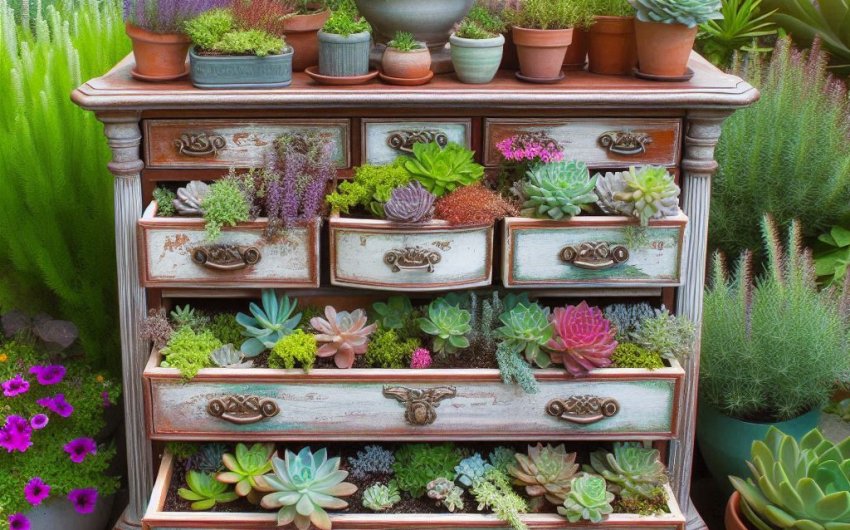
Transforming old, forgotten furniture into stunning garden features is a fantastic way to add character and sustainability to your outdoor space. When you upcycle old furniture into unique garden pieces, you're not just decorating; you're giving new life to forgotten items, reducing waste, and creating truly one-of-a-kind accents that reflect your personal style. This guide will walk you through the process, from choosing the right furniture to making it garden-ready and inspiring creative ideas.
What Kinds of Old Furniture Can Be Upcycled for the Garden?
Almost any type of old furniture can find new purpose in a garden, but some pieces lend themselves particularly well to the transformation. The key is to look for structural integrity and consider how the piece's original function can be reimagined for outdoor use. Durability and material are also important factors when you upcycle old furniture.
Chairs and Benches
These are among the most versatile items for garden upcycling. Their existing structure provides a ready-made base for planters or decorative displays.
- Single Chairs:
- Planter: Remove the seat and replace it with a wire basket or a sturdy pot. Fill with soil and trailing plants like petunias or nasturtiums.
- Bird Bath Stand: Attach a decorative bowl to the seat for a charming bird bath.
- Side Table: Simply place a small potted plant or garden decor item on the seat.
- Benches:
- Tiered Planter: Add shelves or various-sized pots along the seat and backrest.
- Outdoor Seating: With proper weatherproofing, an old bench can still serve its original purpose, perhaps with a fresh coat of bright paint.
Dressers and Chests of Drawers
These larger pieces offer multiple compartments perfect for creating a succulent garden or a herb station. Their drawers are a natural fit for planting.
- Cascading Planter: Pull out drawers to varying degrees. Line them with plastic, add drainage holes, and fill with soil. Plant flowers or herbs that will cascade over the sides.
- Storage and Display: Use the top surface for larger pots and keep garden tools or small bags of soil inside the lower, protected drawers.
- Tool Shed: With internal modifications, a dresser can become a compact, organized shed for smaller garden tools.
Cabinets and Hutches
Tall and often with shelves, cabinets and hutches are excellent for vertical gardens or sheltered displays.
- Display Shelf: Paint and weatherproof. Use the shelves to display potted plants, garden statues, or even colorful watering cans.
- Potting Station: A lower cabinet can become a compact potting bench with storage for soil and small tools.
- Mini Greenhouse: Replace glass panels with polycarbonate sheets for a rustic, small greenhouse.
Doors and Windows
Salvaged doors and windows might not seem like furniture, but they are common finds and can be upcycled for garden decor.
- Garden Gate: A single old door can become a whimsical garden gate.
- Privacy Screen: Multiple doors can be linked together to create an interesting privacy screen or backdrop for a flower bed.
- Mirrored Window: Insert mirror panels into old window frames to create a sense of depth and reflect light in a shady corner.
Tables (Coffee Tables, End Tables)
Flat surfaces make tables ideal for converting into display areas or elevated planters.
- Raised Garden Bed: For sturdy tables, remove the top and insert a deep planter box.
- Container Garden Stand: Simply paint and use to elevate a collection of potted plants.
- Mosaic Top: Cover the tabletop with a mosaic of broken tiles or pottery for a durable and artistic surface.
What Preparation Do I Need Before Upcycling Furniture for Outdoors?
Proper preparation is the most critical step to ensure your upcycled furniture withstands the elements and remains a beautiful addition to your garden for years to come. Skipping these steps will drastically shorten the lifespan of your piece.
Cleaning the Furniture
Before any sanding or painting, the furniture must be thoroughly clean.
- Remove loose debris: Brush off any dust, cobwebs, or loose dirt.
- Wash with soap and water: Use a mild detergent and water to wash down the entire piece. A stiff brush might be needed for stubborn grime.
- Degrease (if needed): For kitchen furniture or items with greasy residue, use a degreaser to ensure paint adhesion.
- Rinse thoroughly: Make sure all soap residue is rinsed off.
- Dry completely: Allow the furniture to dry completely, preferably in the sun, before moving on. Moisture trapped under paint will cause problems.
Sanding for Adhesion
Sanding creates a rough surface, which allows paint and primer to adhere properly.
- Light sanding: For painted or varnished surfaces, a light scuff sanding with 120-150 grit sandpaper is usually enough to de-gloss the finish.
- Heavy sanding for bare wood: If the wood is bare, rough, or has significant flaws, start with a coarser grit like 80-100, then move to a finer grit like 120-150 for a smoother finish.
- Dust removal: After sanding, wipe down the furniture thoroughly with a tack cloth or a damp cloth to remove all sanding dust. Dust will prevent paint from sticking.
For sanding large flat surfaces, a DEWALT Random Orbit Sander can save a lot of time and effort.
Repairing and Reinforcing
Address any structural issues before moving to the finishing stages.
- Tighten Loose Joints: Use wood glue and clamps to secure wobbly legs or joints.
- Fill Holes and Cracks: Use wood filler for holes, gouges, or large cracks. Sand smooth once dry.
- Replace Damaged Parts: If a slat is broken or a piece of wood is rotted, replace it with new, treated wood.
- Add Bracing: For items that will hold weight (like planters), consider adding extra bracing for stability.
Choosing the Right Materials
The type of furniture material will influence the preparation and finishing products you choose.
| Material Type | Prep Notes | Recommended Primer/Paint | Key Considerations |
|---|---|---|---|
| Wood | Clean, sand, repair. | Exterior Wood Primer, Exterior Latex or Oil-Based Paint | Needs thorough weatherproofing. Rot resistant wood like cedar or redwood is best, but any wood can be protected. |
| Metal | Clean, sand (especially rust), remove loose paint. | Rust-Inhibiting Metal Primer, Exterior Metal Paint | Rust is the biggest enemy. Use a wire brush for rust removal. |
| Plastic | Clean, light scuff sand. | Plastic-Specific Primer, Exterior Spray Paint for Plastic | Some plastics may not hold paint well long-term. Look for paints that bond to plastic. |
| Wicker/Rattan | Clean thoroughly, repair breaks with new reeds or strong glue. | Spray Primer, Exterior Spray Paint | Can be difficult to clean and paint due to intricate weave. |
What are the Best Ways to Weatherproof Upcycled Furniture for the Garden?
Weatherproofing is non-negotiable when you upcycle old furniture into unique garden pieces. Outdoor conditions like rain, sun, humidity, and temperature fluctuations can quickly degrade unprepared furniture, especially wood and metal.
Priming for Protection and Adhesion
A good primer serves two main purposes: it provides a surface for the topcoat to adhere to, and it adds an extra layer of protection.
- For Wood: Use an exterior wood primer. This will seal the wood, prevent moisture absorption, and block tannins from bleeding through the paint.
- For Metal: Use a rust-inhibiting metal primer. This is crucial for preventing rust formation, which can quickly ruin metal furniture.
- For Plastic: Use a primer specifically designed for plastic to help the paint bond.
Apply primer in thin, even coats, following the manufacturer's drying time recommendations. A product like Rust-Oleum Painter's Touch 2X Ultra Cover Primer works well for many surfaces.
Choosing the Right Paint or Finish
The topcoat provides the primary weather barrier and your chosen aesthetic.
- Exterior Paint: This is your best option. Exterior paints are formulated to resist UV damage (fading), moisture, mildew, and temperature changes.
- Latex (Acrylic): Easy cleanup, good flexibility, and resistance to cracking. Generally good for wood and masonry.
- Oil-Based: More durable, harder finish, better adhesion on some surfaces, but takes longer to dry and requires mineral spirits for cleanup. Excellent for wood.
- Exterior Spray Paint: Convenient for intricate pieces or when a smooth, even finish is desired. Look for formulations specifically for outdoor use and suitable for your material (e.g., "for wood & metal," "for plastic").
- Exterior Stain/Sealer: For wood pieces where you want to retain the natural wood grain, use an exterior wood stain that also contains a sealer, or apply a separate exterior wood sealer. These penetrate the wood and protect it.
- Marine Varnish/Spar Urethane: For ultimate protection on wood, especially for pieces that will be exposed to constant moisture, a marine varnish or spar urethane offers excellent water and UV resistance. Apply multiple coats.
Applying Multiple Coats
No matter what type of paint or finish you choose, multiple thin coats are always better than one thick coat.
- Apply 2-3 thin coats of paint, allowing adequate drying time between each coat as per product instructions.
- For wood sealers or varnishes, 3-5 coats are often recommended for maximum protection.
- Lightly scuff sand between coats if directed by the product, especially for varnishes, to improve adhesion of subsequent layers.
Addressing Drainage in Planters
If your upcycled furniture is becoming a planter, proper drainage is absolutely essential to prevent root rot and moisture damage to the furniture itself.
- Drill Drainage Holes: For drawers or solid surfaces that will hold soil, drill several 1/2-inch to 1-inch diameter drainage holes in the bottom.
- Line with Plastic Sheeting: Line the planting area with heavy-duty plastic sheeting (like pond liner or thick garbage bags).
- Create a Barrier: Before adding soil, place a layer of gravel, broken pottery, or landscape fabric over the drainage holes to prevent soil from washing out and clogging them.
- Use Proper Potting Mix: Use a well-draining potting mix designed for containers, not heavy garden soil.
How Can I Incorporate Upcycled Furniture into Different Garden Styles?
The beauty of upcycling old furniture into unique garden pieces is its adaptability. With the right choice of furniture, paint, and planting, you can seamlessly integrate these distinctive elements into various garden aesthetics, enhancing the overall theme.
Cottage Garden Style
Cottage gardens are characterized by their informal, overflowing abundance of flowers, soft colors, and a romantic, slightly wild feel.
- Furniture Choice: Distressed chairs, old wooden cabinets, rustic dressers, or vintage iron gates.
- Finishing:
- Distressed look: Apply a base coat, then a topcoat. Lightly sand edges and raised areas to reveal the base coat or bare wood, creating a weathered effect.
- Soft pastels: Paint in shades of dusty blue, sage green, cream, or faded pink.
- Planting:
- Overflowing: Plant rambling roses, sweet peas, nasturtiums, or ivy to cascade from drawers or over chair backs.
- Herbaceous: Fill planters with classic cottage garden flowers like hollyhocks, delphiniums, foxgloves, and lavender.
- Accessories: Add vintage watering cans, old bird cages, or charming stone animal figures.
Modern/Contemporary Garden Style
Modern gardens often feature clean lines, simple forms, and a focus on structural plants and a restrained color palette.
- Furniture Choice: Sleek, minimalist tables, geometric chairs, or simple cabinets. Avoid overly ornate pieces.
- Finishing:
- Bold, clean colors: Paint in strong, solid colors like charcoal gray, bright white, matte black, or vivid primary colors.
- Glossy or metallic finishes: A high-gloss finish can enhance a modern look.
- Planting:
- Architectural plants: Use succulents, ornamental grasses, phormiums, or structural evergreens.
- Monochromatic schemes: Plant in varying shades of a single color or a limited palette.
- Accessories: Simple ceramic pots, geometric sculptures, or minimalist lighting.
Rustic/Farmhouse Garden Style
This style embraces natural materials, weathered textures, and a sense of history and simplicity.
- Furniture Choice: Unfinished wood tables, rough-hewn benches, old wooden crates, or barrel sections.
- Finishing:
- Natural wood tones: Clean and seal wood without painting, or use a rustic stain.
- Earthy colors: Paint in muted greens, browns, creams, or even unpainted, naturally weathered wood.
- Planting:
- Hardy edibles: Fill containers with herbs, vegetables like tomatoes or peppers, and edible flowers.
- Classic farm flowers: Sunflowers, daisies, cosmos, and coneflowers.
- Accessories: Galvanized metal buckets, old farm tools, burlap sacks, or terracotta pots.
Bohemian/Eclectic Garden Style
An eclectic garden is characterized by a playful mix of styles, colors, and textures, creating a vibrant, personalized space.
- Furniture Choice: Anything goes! Mismatched chairs, brightly painted dressers, old doors, and unique finds.
- Finishing:
- Vibrant colors: Paint in bold, clashing, or complementary jewel tones.
- Pattern and texture: Incorporate stenciling, mosaic tiles, or textured paints.
- Planting:
- Mix of everything: A riot of colorful flowers, exotic foliage plants, and trailing vines.
- Layered look: Plants at different heights and textures.
- Accessories: String lights, colorful lanterns, mismatched pots, wind chimes, and salvaged artistic elements.
What Are Some Creative Ideas for Upcycling Specific Furniture Pieces?
Thinking outside the box is key when you upcycle old furniture into unique garden pieces. Here are some specific ideas to spark your imagination for common furniture items.
Chairs Reimagined
Chair Planter:
- Remove the seat of a sturdy wooden or metal chair.
- Insert a wire basket or a coconut coir liner.
- Line with plastic, drill drainage holes if needed.
- Fill with well-draining potting mix and plant with trailing annuals or herbs.
- Paint the chair a vibrant color or distress it for a vintage look.
- A great trailing plant for this is Lobelia.
Garden Bird Feeder Stand:
- Select a stable chair.
- Secure a bird feeder, bird bath bowl, or even a simple wooden platform to the seat using screws or strong adhesive.
- Weatherproof the entire chair.
- Place in a visible spot in your garden.
Dressers and Drawers Transformed
Cascading Drawer Planter:
- Choose an old wooden dresser.
- Pull out drawers to varying lengths, creating a tiered effect.
- Secure the drawers in place with screws from the inside, if necessary.
- Line the inside of each drawer with heavy-duty plastic sheeting or pond liner, securing it with a staple gun.
- Drill several 1/2-inch drainage holes through the plastic and the bottom of each drawer.
- Fill with succulent soil or potting mix and plant with cascading succulents, herbs, or flowers.
- Paint or seal the dresser for outdoor use.
- For succulents, a Bonsai Jack Succulent and Cactus Soil mix is excellent.
Garden Tool Chest:
- Remove some of the inner drawer dividers if present.
- Line the inside of the drawers with plastic or waterproof fabric to protect against damp tools.
- Add hooks or small compartments inside for organization.
- Weatherproof the exterior.
- This is perfect for storing hand trowels, pruners, gloves, and small bags of seeds.
Cabinet and Hutch Conversions
Mini Potting Bench/Storage:
- Select a sturdy, lower kitchen cabinet or a portion of an old hutch.
- Reinforce the top surface if needed with a new piece of treated wood or a thick cutting board.
- Add shelves or bins inside for storage of potting mix, small pots, and hand tools.
- Weatherproof thoroughly.
- This provides a compact space for potting plants without kneeling on the ground.
Display Shelf for Potted Plants:
- Choose a glass-front cabinet or a hutch with open shelving.
- Remove any glass that is broken or unsafe. You can replace it with wire mesh or leave it open.
- Paint the cabinet a vibrant color to make it a focal point.
- Arrange various potted plants, garden ornaments, and decorative items on the shelves.
- Consider adding a string of Solar String Lights for evening ambiance.
Table and Desk Innovations
Raised Herb Garden from a Coffee Table:
- Find a sturdy wooden coffee table.
- Carefully cut out the center of the tabletop, leaving a sturdy border.
- Construct a planter box that fits snugly into the opening.
- Line the box with plastic, drill drainage holes.
- Attach the planter box securely to the table frame.
- Weatherproof the entire table.
- Fill with well-draining soil and your favorite herbs. This keeps herbs elevated and easily accessible.
Mosaic Top Side Table:
- Prepare the tabletop by cleaning and roughing up the surface if it's smooth.
- Gather broken ceramic tiles, plates, or colorful glass pieces.
- Using exterior-grade adhesive (like thin-set mortar or construction adhesive), arrange and glue your mosaic pieces onto the tabletop.
- Once dry, grout the spaces between the mosaic pieces with exterior-grade grout.
- Seal the grout for extra protection.
- Weatherproof the legs and frame of the table.
How Do I Ensure My Upcycled Furniture Projects Are Safe and Stable?
Safety and stability are paramount when you upcycle old furniture into unique garden pieces. An unstable or poorly constructed piece can be a hazard, especially in a garden where children or pets might be present. Taking the time to ensure structural integrity and proper placement is crucial.
Assess Structural Integrity First
Before you even start cleaning or painting, give the furniture a thorough check-up.
- Wobble Test: Gently rock the piece from side to side and front to back. Any significant wobbling indicates loose joints that need attention.
- Wood Rot Check: Poke at any suspect soft spots with a screwdriver or awl. If the wood gives easily or crumbles, it's rotted and needs to be replaced or the piece should be avoided.
- Metal Rust Check: Heavy, flaky rust that goes deep into the metal means the piece may be too compromised for structural use. Surface rust can often be removed and treated.
- Joint Reinforcement:
- Wood Glue: For wooden joints, dislodge old glue, apply fresh exterior-grade wood glue, and clamp tightly until dry.
- Screws/Brackets: Add wood screws, corner braces, or metal brackets to reinforce wobbly areas, especially where pieces meet at right angles.
- Nuts and Bolts: For metal furniture, ensure all nuts and bolts are tight. Replace any missing or rusted hardware.
Consider the Weight it Will Hold
When upcycling furniture into planters, remember that soil, water, and plants can be incredibly heavy.
- Calculate Weight: A cubic foot of moist soil can weigh anywhere from 75 to 100 pounds (approx. 34-45 kg). Factor this into your planning.
- Strengthen Bases: If a dresser drawer or table surface is becoming a planter, add extra support underneath.
- For drawers, consider adding a supportive piece of plywood or sturdy slats underneath the drawer bottom.
- For tables, reinforce the frame underneath the planned planter area.
- Even Distribution: Try to distribute the weight evenly, especially for pieces with multiple levels.
Secure Against Wind and Weather
Outdoor pieces are exposed to wind, which can knock over lighter items or cause instability.
- Heavy Base: For taller or top-heavy upcycled pieces (like a tall cabinet with plants on top), ensure the base is wide and heavy enough to resist tipping.
- Anchoring: If feasible and necessary, consider anchoring the piece to the ground or a nearby wall.
- Garden Stakes: For lighter, smaller pieces, metal garden stakes driven into the ground around the base can provide stability.
- Screwing to Decking/Pavement: For permanent installations on a deck or patio, you might screw the base of the furniture directly into the surface (ensure you're not damaging utility lines underneath!).
- Weighted Base: You can fill the bottom of hollow pieces with sandbags or rocks to add weight and lower the center of gravity.
Proper Placement
Where you place your upcycled piece in the garden also contributes to its stability and longevity.
- Level Ground: Always place furniture on a level, stable surface to prevent leaning or tipping.
- Sheltered Spot: If possible, place delicate or lighter upcycled pieces in a spot that is somewhat sheltered from strong winds or direct, harsh weather. This can extend their lifespan.
- Clearance: Ensure there's enough space around the piece for airflow and to prevent it from obstructing pathways.
What Are Some Finishing Touches and Decorative Elements for Upcycled Garden Furniture?
Once your upcycled furniture is prepped, painted, and stable, it's time to add the personal flair that truly makes it a unique garden piece. These finishing touches elevate the project from a recycled item to a beloved outdoor feature.
Creative Paint Techniques
Beyond a solid color, different painting techniques can add immense character.
- Distressing/Shabby Chic:
- Apply a base coat (often a darker color).
- Once dry, apply a contrasting topcoat (lighter color).
- Once the topcoat is dry, lightly sand areas where natural wear would occur (edges, raised details) to reveal the base coat or bare wood underneath.
- For an extra touch, use a fine grit sandpaper after the final coat to create a super smooth, slightly worn feel.
- Color Blocking: Use two or more contrasting or complementary colors on different sections of the furniture to create a bold, modern look.
- Stenciling: Add patterns, numbers, or words using stencils and exterior-grade paint. This works well on flat surfaces of dressers, cabinets, or table tops.
- Ombre/Gradient: Blend colors from dark to light, or one color into another, for a softer, artistic effect. This works particularly well on drawers or vertical slats.
- Hand-Painted Motifs: If you're artistic, add hand-painted flowers, leaves, birds, or abstract designs. Seal well with an outdoor-grade clear coat.
Hardware and Embellishments
New hardware can dramatically change the look of an old piece.
- Knobs and Pulls: Replace original knobs and pulls on dressers or cabinets with decorative ceramic, glass, or rustic metal ones suitable for outdoor exposure.
- Hinges: Upgrade old, rusty hinges with new, weather-resistant outdoor hinges, perhaps in a decorative style.
- Decorative Appliqués: Add weather-resistant wood or metal appliqués to flat surfaces to create texture and interest.
- Metal Accents: Incorporate small pieces of salvaged metal, old keys, or ornate wrought iron details.
Lighting Integration
Adding lighting can make your upcycled piece a stunning focal point in the evening.
- Solar Powered Fairy Lights: Weave Solar Fairy Lights around chair legs, along cabinet shelves, or draped over a dresser. They charge during the day and automatically turn on at dusk.
- Lanterns: Place small, weather-resistant LED lanterns on shelves, tabletops, or hang them from hooks on the piece.
- Uplighting: Position a small solar-powered spotlight to illuminate the upcycled piece from below or from the side, highlighting its form.
Plant and Pot Selection
The plants you choose are part of the decorative scheme.
- Complementary Colors: Select plants with flower or foliage colors that complement or contrast with the furniture's new paint job.
- Trailing Plants: Use trailing plants (like ivy, sweet potato vine, or petunias) to soften edges and create an overflowing, abundant look from drawers or chair seats.
- Variety in Texture and Height: Mix plants with different leaf textures and heights to create visual interest within a single planter.
- Thematic Planting: If your upcycled piece has a specific theme (e.g., a "rustic herb station"), choose plants that fit that theme.
Surrounding Decor
The area around your upcycled furniture also enhances its unique appeal.
- Pebbles or Gravel: Use decorative pebbles or gravel around the base of the furniture or in empty sections of drawers for visual appeal and drainage.
- Garden Ornaments: Place small statues, garden gnomes, gazing balls, or other ornaments on shelves or next to the upcycled piece.
- Stepping Stones: Lay decorative stepping stones leading up to your upcycled feature.
- Natural Elements: Incorporate natural elements like interesting rocks, driftwood, or pinecones.
By layering these finishing touches, your upcycled furniture will transition from a simple DIY project to a cherished, integral part of your garden's aesthetic. The effort put into these details truly makes the difference when you upcycle old furniture into unique garden pieces, making them reflect your personal style and creativity.