
Stink Bugs: How to Protect Your Crops from These Smelly Pests
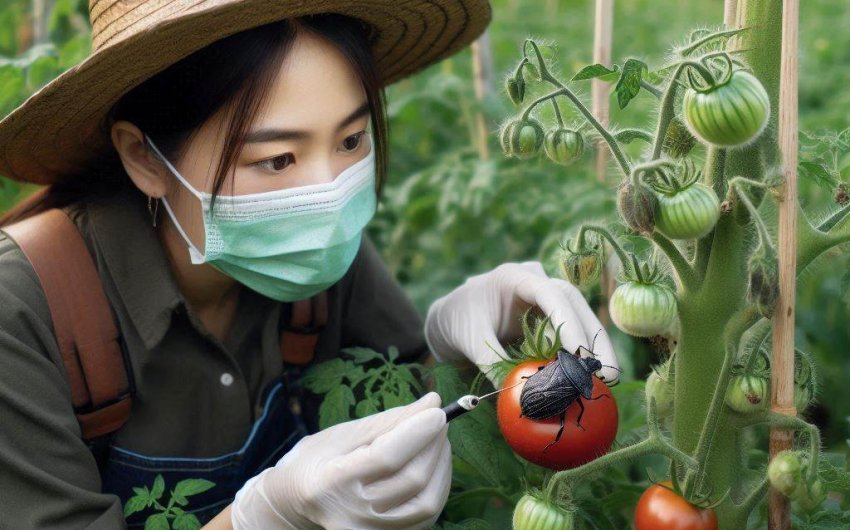
The arrival of stink bugs in your garden or crop field can quickly turn from a minor nuisance into a serious threat. These pests not only emit a strong, unpleasant odor when disturbed but also cause significant damage to fruits, vegetables, and ornamental plants. Known for their shield-shaped bodies and foul smell, stink bugs have become a common issue for gardeners and farmers alike. With the invasive brown marmorated stink bug (Halyomorpha halys) spreading across North America, Europe, and other regions, understanding how to manage these pests is crucial for protecting your crops.
In this guide, we will explore the biology of stink bugs, the damage they cause, how to identify an infestation, and the best methods for controlling and preventing these pests from harming your plants.
What Are Stink Bugs?
Stink bugs belong to the family Pentatomidae, a large family of insects that includes both native and invasive species. The most notorious species, the brown marmorated stink bug, was accidentally introduced to the United States from Asia in the late 1990s. Since then, it has spread rapidly across much of the country, becoming a major agricultural pest.
These insects are named for their ability to release a foul-smelling liquid from glands located on their abdomen. This odor serves as a defense mechanism against predators, making stink bugs less appealing to birds, reptiles, and other natural enemies.
Adult stink bugs typically have shield-shaped bodies and can vary in color, from brown and green to metallic hues. They measure about ½ inch to ¾ inch in length, with long antennae and piercing-sucking mouthparts that allow them to feed on plant juices.
Prevent stink bugs from damaging your plants with effective stink bug control products to manage infestations.
Advertisement
The Life Cycle of Stink Bugs
Understanding the stink bug life cycle is essential for implementing effective pest management strategies. Like other true bugs, stink bugs go through three life stages: egg, nymph, and adult.
1. Eggs
Female stink bugs lay their eggs on the undersides of leaves in clusters. These eggs are typically barrel-shaped and range in color from light green to yellow. Depending on the temperature, the eggs hatch within four to five days, releasing nymphs.
2. Nymphs
Nymphs are the juvenile stage of stink bugs and look similar to adults, though they are smaller and lack fully developed wings. During this stage, nymphs go through several molts, growing larger with each one. Nymphs are also capable of feeding on plant tissue, making them just as damaging to crops as adult stink bugs.
3. Adults
Adult stink bugs emerge after the final molt and begin feeding on plants and reproducing. These adults live for several months, during which they can mate multiple times. In warm climates, stink bugs can produce two or more generations per year, while in cooler regions, they typically produce just one generation annually.
Use insect lifecycle monitors to track the development of stink bugs and time your pest control efforts effectively.
Identifying Stink Bug Damage
Detecting the presence of stink bugs in your crops is critical for minimizing damage. Because stink bugs feed by piercing plant tissues and sucking out the sap, the signs of their activity can sometimes be subtle at first. However, as populations increase, the damage becomes more pronounced.
1. Sunken Spots on Fruits and Vegetables
One of the most common signs of stink bug feeding is the appearance of sunken or dimpled spots on fruits and vegetables. These spots occur where the stink bugs have inserted their needle-like mouthparts into the plant tissue to extract sap. Over time, these puncture wounds can lead to discoloration, deformities, and reduced marketability of the crop.
2. Leaf Discoloration and Deformation
In addition to feeding on fruits and vegetables, stink bugs also attack leaves, stems, and flowers. The result is often yellowing, wilting, and deformed leaves. Severely affected plants may experience stunted growth or reduced yields, as they are unable to photosynthesize efficiently due to leaf damage.
3. Necrotic Spots
As stink bugs continue to feed, they inject enzymes into the plant tissue to help break down the cells. This process can lead to the formation of necrotic spots or patches of dead tissue. These spots are particularly noticeable on fruits like apples, peaches, and tomatoes, where they appear as dark, corky scars.
4. Reduced Yields and Quality
Left unchecked, stink bug infestations can significantly reduce the quality and quantity of your harvest. Crops that are heavily infested may be unsuitable for sale, and damaged fruits often spoil more quickly. In the case of ornamental plants, stink bug damage can ruin the plant’s aesthetic value.
Identify pest damage early with plant health monitors to ensure healthy crop yields.
Common Types of Stink Bugs
Several species of stink bugs can be found in agricultural and garden settings. While the brown marmorated stink bug is the most well-known invasive species, other native species also cause damage to crops.
1. Brown Marmorated Stink Bug (Halyomorpha halys)
The brown marmorated stink bug is the most problematic species in North America and Europe. It has a mottled brown coloration with white bands on its antennae and legs. This species feeds on a wide range of crops, including apples, peaches, tomatoes, corn, and soybeans.
Manage brown marmorated stink bugs with specific brown marmorated stink bug traps to protect your crops.
2. Green Stink Bug (Chinavia hilaris)
The green stink bug is a common pest in North America. It has a bright green body with reddish antennae and yellowish legs. This species prefers to feed on legumes, peppers, soybeans, and grains. While it is not as invasive as the brown marmorated stink bug, it can still cause significant damage to crops.
Control green stink bugs effectively with targeted green stink bug insecticides to safeguard your vegetables.
3. Harlequin Bug (Murgantia histrionica)
The harlequin bug is a brightly colored stink bug with orange and black markings. This species primarily feeds on members of the Brassicaceae family, such as cabbage, broccoli, kale, and mustard greens. The damage caused by harlequin bugs can be devastating, particularly in warm regions where they reproduce quickly.
Protect your brassica crops with effective harlequin bug control to minimize crop loss.
4. Southern Green Stink Bug (Nezara viridula)
The southern green stink bug is found in warmer climates and is another major pest of vegetables, fruit trees, and legumes. It has a green, shield-shaped body and can cause significant damage to crops by feeding on the sap and introducing disease into the plant tissue.
Use southern green stink bug sprays to control infestations in your garden.
Natural Methods to Control Stink Bugs
Many gardeners and farmers prefer to use natural methods to manage stink bugs. These approaches focus on non-toxic solutions that won’t harm beneficial insects or the environment.
1. Handpicking and Physical Removal
For small infestations, handpicking stink bugs off plants can be an effective way to reduce their numbers. Wear gloves and drop the bugs into a bucket of soapy water to kill them. This method works best in early morning or late evening when the bugs are less active.
Use durable garden gloves for safe and effective stink bug removal.
2. Diatomaceous Earth
Diatomaceous earth is a natural powder made from fossilized algae that can be sprinkled around the base of plants. The fine particles cut into the soft bodies of insects like stink bugs, causing them to dehydrate and die. This method is safe for plants, pets, and people, making it an excellent choice for organic gardening.
Apply diatomaceous earth around your crops to control stink bug infestations naturally.
3. Beneficial Insects
Introducing beneficial insects into your garden can help keep stink bug populations in check. Parasitic wasps, predatory stink bugs, and lacewings all prey on stink bug eggs and nymphs. By encouraging these natural predators, you can reduce the need for chemical controls.
Attract beneficial insects to your garden to help control stink bugs naturally.
4. Neem Oil
Neem oil is a natural insecticide that disrupts the growth and reproduction of pests like stink bugs. It can be applied as a foliar spray to the leaves and stems of affected plants. Neem oil works best when used early in the infestation to prevent the bugs from maturing and reproducing.
Control stink bugs with organic neem oil for a safer alternative to chemical pesticides.
5. Row Covers
Installing floating row covers over your crops can physically prevent stink bugs from reaching the plants. These covers allow sunlight, air, and water to pass through but block out pests. Row covers are especially useful during the growing season when plants are most vulnerable to damage.
Protect your crops with high-quality floating row covers to prevent pest infestations.
Chemical Control for Stink Bugs
In cases where natural methods are not sufficient to control stink bugs, chemical treatments may be necessary. When using pesticides, it’s important to choose products that are labeled for stink bug control and to follow the application instructions carefully to minimize the impact on beneficial insects.
1. Pyrethrin-Based Insecticides
Pyrethrin is a naturally occurring insecticide derived from chrysanthemum flowers. It is highly effective against a wide range of pests, including stink bugs. Pyrethrin works by disrupting the nervous system of the insects, leading to paralysis and death. This insecticide can be applied as a foliar spray directly to infested plants.
Apply pyrethrin insecticides for fast-acting stink bug control.
2. Spinosad
Spinosad is an organic insecticide that is derived from a soil bacterium. It is effective against both adult stink bugs and their larvae. Spinosad works by targeting the nervous system of the insects, causing them to stop feeding and die. It can be used on a variety of crops, including fruits, vegetables, and ornamentals.
Use spinosad insecticide to control stink bugs while protecting beneficial insects.
3. Insecticidal Soap
Insecticidal soap is a safe and effective way to control stink bugs and other soft-bodied pests. It works by breaking down the protective outer layer of the insects, causing them to dehydrate and die. Insecticidal soap is best used on young stink bugs and nymphs, as it may not be as effective against adult bugs with harder exoskeletons.
Apply insecticidal soap for a non-toxic solution to stink bug control.
4. Systemic Insecticides
Systemic insecticides are absorbed by the plant and kill pests that feed on it. These insecticides are particularly useful for controlling stink bugs on larger plants or trees where direct application is difficult. However, systemic insecticides should be used with caution, as they can persist in the environment and may affect beneficial insects.
Use systemic insecticides to protect your crops from stink bug damage.
Preventing Future Stink Bug Infestations
Taking steps to prevent stink bug infestations before they occur can save you time, money, and effort in the long run. Here are some preventive measures you can implement to keep these pests at bay.
1. Remove Plant Debris
Stink bugs often overwinter in plant debris, leaf litter, or garden refuse. By keeping your garden clean and removing dead plant material, you can reduce the chances of an infestation. Be sure to clear away debris in the fall, as this is when stink bugs are most likely to seek shelter.
Keep your garden tidy with efficient garden rakes to remove plant debris and reduce stink bug habitats.
2. Seal Cracks and Gaps
In addition to attacking crops, stink bugs often invade homes during the colder months in search of warmth. To prevent them from entering your home, seal any cracks or gaps in windows, doors, and foundations. Installing screens on vents and windows can also help keep these pests outside where they belong.
Use weatherproof sealants to prevent stink bugs from entering your home.
3. Crop Rotation
Crop rotation is an effective way to disrupt the life cycle of stink bugs. By rotating your crops each season, you can prevent stink bugs from establishing themselves in one area of the garden. This technique is particularly useful for crops that are highly susceptible to stink bug damage, such as tomatoes, peppers, and beans.
Plan your crop rotations with a helpful garden planner to improve pest control and soil health.
4. Plant Trap Crops
Another method of reducing stink bug damage is by planting trap crops. These are plants that are more attractive to stink bugs than your primary crops. By planting trap crops around the perimeter of your garden, you can draw the pests away from your valuable plants and target them more easily.
Use trap crops to lure stink bugs away from your main garden.