
What Causes Thin Lawn Edges and How to Thicken Them?
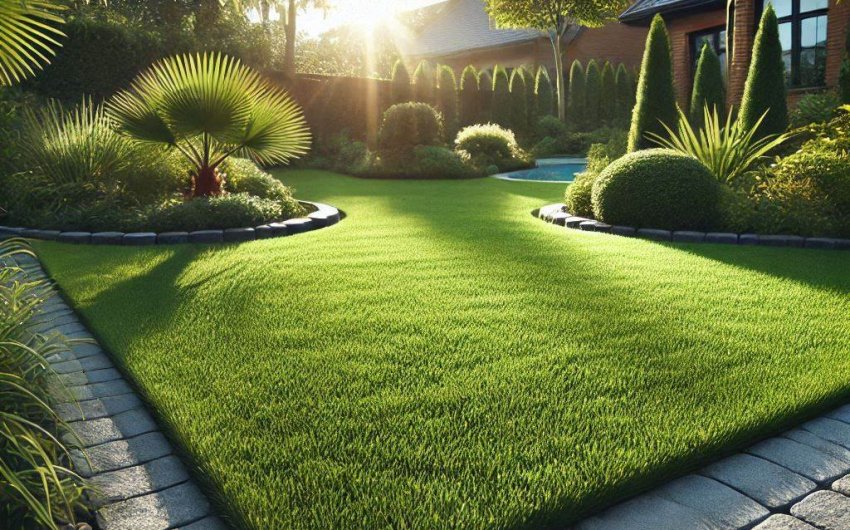
Addressing thin lawn edges is a common aspiration for homeowners seeking a uniformly lush and vibrant green space. These sparse areas, often found along driveways, sidewalks, or garden beds, can detract from the overall pristine appearance of your yard. Understanding the underlying reasons for this diminished density is the first step toward revitalizing these sections and cultivating a consistently thick, healthy lawn right up to its borders.
What Causes Thin Lawn Edges?
Several factors contribute to the frustrating phenomenon of thin lawn edges. These areas are often subjected to unique stresses and environmental conditions that differ from the main expanse of the lawn, making them particularly vulnerable to diminished growth. Identifying the root cause is crucial for effective treatment and achieving a uniformly dense turf.
Environmental Stressors
Lawn edges often experience environmental conditions that can hinder grass growth.
- Heat Reflection: Hard surfaces like concrete driveways, sidewalks, and stone patios absorb and reflect heat, significantly increasing the temperature along the edges of the lawn. This intense heat can dry out the soil quickly and stress grass, leading to browning and thinning, especially in summer.
- Poor Air Circulation: Walls or fences can impede air circulation, creating stagnant pockets of hot, humid air that are unfavorable for many cool-season grasses and can promote fungal diseases.
- Drainage Issues: Edges might be areas where water collects and drains poorly, leading to waterlogged soil and root rot, or conversely, areas where water runs off quickly, leaving the soil too dry. Compacted soil along edges due to foot traffic or equipment can also worsen drainage.
Mechanical Damage
Repetitive damage from lawn care equipment or foot traffic is a frequent culprit for thin lawn edges.
- Mower Wheel Compaction: The consistent weight and rolling action of lawnmower wheels, especially when making turns or running along the same path repeatedly, can compact the soil. Compacted soil makes it difficult for grass roots to penetrate and for water, air, and nutrients to reach them.
- Trimmer Damage: String trimmers, or "weed whackers," used to create a crisp edge, can inadvertently damage or kill grass blades if used too aggressively or at the wrong angle. This continuous trimming too close to the soil line can prevent the grass from spreading and thickening.
- Foot Traffic: Heavy foot traffic, such as people consistently walking on the very edge of the lawn to avoid garden beds or wet grass, directly compacts the soil and wears down the grass blades, leading to bare spots.
Nutritional Deficiencies
The soil along lawn edges may not be as rich in essential nutrients as the rest of the lawn, or nutrient availability might be compromised.
- Leaching: Water run-off from hard surfaces can sometimes carry away nutrients from the adjacent soil, making them less available to the grass roots.
- Poor Soil Quality: The soil used around foundations or under new hardscaping might not be native topsoil but instead poor quality fill dirt, lacking the organic matter and structure needed for healthy grass growth.
- Competition: Nearby trees, shrubs, or garden plants can extend their root systems into the lawn edge, competing aggressively for available water and nutrients, leaving little for the grass.
Pest and Disease Issues
While not always immediately obvious, pests and diseases can also contribute to thin lawn edges.
- Insect Pests: Certain lawn pests, like grubs or chinch bugs, can cause localized damage. Grubs feed on grass roots, leading to dead patches that often start at the edges. Chinch bugs suck sap from grass blades, causing them to yellow and die, often thriving in hot, dry areas typical of lawn edges.
- Fungal Diseases: Conditions like high humidity coupled with poor air circulation, or overly wet soil, can create ideal environments for fungal diseases. These can weaken and thin grass, often appearing in patches that might start or be more noticeable along the edges.
How Can You Prepare the Area for Thicker Edges?
Before you can effectively thicken your thin lawn edges, it's crucial to prepare the area thoroughly. This involves assessing the soil, addressing existing problems, and creating an optimal environment for new grass growth. Proper preparation is the foundation for a lush, dense border.
Assess and Improve Soil Quality
The health of your soil is paramount for strong grass growth.
- Soil Test: Start with a soil test. A simple soil testing kit can reveal pH imbalances and nutrient deficiencies. Many local extension offices offer more comprehensive testing services. The ideal pH for most turfgrasses is between 6.0 and 7.0.
- Adjust pH: If your soil test indicates a pH outside the optimal range, amend it. For acidic soil (low pH), add garden lime. For alkaline soil (high pH), add elemental sulfur. Follow the product recommendations based on your soil test results.
- Improve Drainage and Aeration: Compacted soil is a major problem at edges.
- Aeration: For smaller areas, use a manual core aerator to pull out small plugs of soil, creating pathways for air, water, and nutrients. For larger edge sections, a walk-behind aerator can be rented.
- Amend with Organic Matter: After aerating, top-dress the area with a thin layer (1/4 to 1/2 inch) of compost or other rich organic matter. This helps improve soil structure, drainage, and water retention, and provides a slow release of nutrients.
Address Existing Problems
Before introducing new grass, tackle any underlying issues.
- Clear Debris: Remove any dead grass, weeds, stones, or other debris that might be inhibiting growth. A sturdy garden rake can be useful for this.
- Repair Drainage Issues: If water pools at the edges, assess the grading. You might need to slightly re-grade the area to encourage water to drain away from the lawn or install a French drain if the problem is severe.
- Manage Tree/Shrub Competition: If nearby trees or shrubs are aggressively competing for resources, consider installing a root barrier or adjusting your watering and fertilizing strategies to specifically benefit the lawn edge. Trim back any overhanging branches that cast excessive shade.
- Pest and Disease Treatment: If a soil test or visual inspection reveals pests (like grubs) or diseases, treat them first. Use appropriate insecticides for grubs or fungicides for diseases, following all label instructions carefully. Addressing these issues before seeding prevents new grass from succumbing to the same problems.
Create a Clean Edge and Level Surface
A well-defined edge not only looks better but also helps with ongoing maintenance.
- Edge Definition: Use a manual edger or a power edger to create a clean, crisp line between your lawn and hard surfaces or garden beds. This neat edge discourages grass from spreading too far and creates a defined boundary.
- Leveling: Fill any low spots with a mixture of topsoil and compost. Rake the area smooth and level. A smooth surface ensures even water distribution and consistent seed-to-soil contact. Avoid creating high spots where the grass might dry out quickly.
What Are the Best Ways to Thicken Lawn Edges?
Once your lawn edges are properly prepared, you can employ various techniques to encourage dense, healthy growth. The method you choose will depend on the existing condition of your lawn and your preference for speed and effort.
Overseeding
Overseeding is the process of spreading new grass seed over existing lawn areas to increase density. It's often the most effective method for thin lawn edges.
- Choose the Right Seed: Select a grass seed blend that matches your existing lawn and is suitable for your local climate and sun conditions. For sunny edges, a turf-type tall fescue or Kentucky bluegrass might be good choices. If the edge receives some shade, look for a shade-tolerant blend. Consider a premium grass seed blend for better results.
- Timing: The best time for overseeding is typically late summer to early fall (about 45 days before your first frost date) for cool-season grasses, or late spring to early summer for warm-season grasses. This provides optimal temperatures for germination and establishment before extreme heat or cold.
- Application: After preparing the soil (aerating, top-dressing), spread the grass seed evenly over the thin areas. A small handheld spreader can help ensure uniform coverage.
- Top Dressing (Optional but Recommended): Lightly cover the seed with a thin layer (1/8 inch) of compost or peat moss. This helps retain moisture and protects the seeds from birds.
- Watering: This is critical. Keep the seeded areas consistently moist (but not waterlogged) with light, frequent watering until the new grass germinates and is well-established (usually 2-3 weeks, sometimes longer). A fine mist spray nozzle is ideal to avoid washing away seeds.
Patching and Sodding
For very bare or severely damaged sections along the edges, patching with turf repair mix or installing sod might be faster solutions.
- Patching: A lawn patch repair kit usually contains a mix of seed, fertilizer, and mulch. Simply prepare the area, spread the mix, and water regularly. This is good for small, isolated bare spots.
- Sodding: Laying sod provides instant results. Prepare the soil by leveling and adding compost, then lay strips of fresh sod tightly against each other and the existing lawn. Water heavily immediately after installation and keep it consistently moist for the first few weeks to allow the roots to knit with the soil below. Ensure the sod type matches your existing lawn.
Fertilization and Top Dressing
Regular nutrient replenishment and soil enrichment are crucial for encouraging existing grass to spread and thicken.
- Balanced Fertilizer: Apply a balanced lawn fertilizer (e.g., 10-10-10 or 16-4-8) according to your soil test results and grass type. Pay attention to nitrogen (for green growth), phosphorus (for root development), and potassium (for overall plant health and stress tolerance).
- Strategic Application: When fertilizing the entire lawn, give a little extra attention to the thin edge areas, but avoid over-fertilizing, which can burn the grass.
- Annual Top Dressing: Apply a thin layer (1/4 to 1/2 inch) of good quality compost over your entire lawn, including the edges, once or twice a year (spring and/or fall). This slowly releases nutrients, improves soil structure, and encourages deeper root growth, which in turn leads to denser turf.
Proper Mowing and Edging Techniques
How you mow and edge directly impacts the health and density of your lawn borders.
- Mowing Height: Mow at the highest recommended height for your grass type (typically 2.5 to 3.5 inches). Taller grass shades the soil, retains moisture, and promotes deeper root growth, making it more resilient and less prone to thinning. Never remove more than one-third of the blade height in a single mowing.
- Vary Mowing Pattern: Avoid repeatedly mowing the same lines along your edges. Varying your mowing pattern reduces soil compaction from mower wheels.
- Gentle Edging: Use your string trimmer or edger carefully. Aim to trim just the grass that spills over the edge, rather than cutting into the lawn itself. Keep the trimmer line horizontal or at a slight angle to avoid scalping the grass at the very edge. Consider a manual edger for a cleaner, less damaging cut.
How Can You Maintain Thick Lawn Edges Long-Term?
Achieving thick, lush lawn edges isn't a one-time fix; it requires ongoing care and attention. Implementing consistent maintenance practices will ensure your revitalized borders remain dense and vibrant, complementing the rest of your healthy lawn.
Consistent Watering Practices
Watering correctly is critical, especially for edges that might dry out faster due to heat reflection from hard surfaces.
- Deep and Infrequent: Water deeply and infrequently to encourage roots to grow deeper into the soil. Aim for 1 inch of water per week, including rainfall.
- Targeted Watering: Pay special attention to the edges, which might need more water than the center of the lawn. Use a sprinkler with adjustable patterns to ensure good coverage.
- Morning Watering: Water early in the morning to allow the grass blades to dry before nightfall, reducing the risk of fungal diseases.
Integrated Pest and Disease Management
Stay vigilant for any signs of pests or diseases to prevent them from thinning out your newly thickened edges.
- Regular Inspections: Periodically inspect your lawn edges for unusual discoloration, wilting, or signs of insect activity (e.g., small holes in the blades, grubs visible when lifting a section of turf).
- Early Intervention: If you suspect a pest or disease issue, identify it quickly and apply appropriate treatments. Natural solutions like beneficial nematodes can help control grubs, or use targeted organic fungicides for disease outbreaks. Proper cultural practices (watering, mowing height) are often the first line of defense against many issues.
Smart Edging and Mowing Habits
Your routine lawn care practices significantly impact the long-term health of your edges.
- Precision Edging: Continue to use your edger carefully and precisely. Aim to trim only the grass that spills over the hard surface, avoiding cutting into the active lawn area. Consider installing lawn edging material as a permanent barrier between the lawn and hard surfaces or garden beds, which makes edging easier and more consistent.
- Rotate Mowing Direction: Varying the direction you mow your lawn, especially along the edges, helps prevent repetitive compaction in the same spots and encourages grass to grow more upright.
- Sharp Mower Blades: Always use a sharp lawnmower blade. Dull blades tear grass blades, leading to frayed, brown tips that weaken the plant and make it more susceptible to disease.
Aeration and Top Dressing Routine
Make these practices a regular part of your lawn care calendar.
- Annual Aeration: Even if your edges look good, annual aeration (especially for high-traffic or compacted areas) helps maintain good soil structure. This is particularly important for clay soils.
- Seasonal Top Dressing: Continue to top-dress your lawn edges with a thin layer of compost in the spring or fall. This replenishes organic matter, improves nutrient retention, and supports a healthy microbial ecosystem in the soil, which is essential for dense, resilient grass.
Consider Drought-Tolerant or Heat-Tolerant Varieties
If your thin lawn edges are consistently battling extreme heat and dryness from reflective surfaces, consider incorporating more resilient grass varieties.
- Specific Grass Types: For very sunny, hot edges, species like turf-type tall fescue often perform better than Kentucky bluegrass or perennial ryegrass due to their deeper root systems and higher heat tolerance.
- Microclimate Adaptation: Recognize that lawn edges create unique microclimates. Choose grass seeds or sod varieties known for thriving in conditions that mimic these edge environments.
By consistently applying these techniques, you can effectively resolve thin lawn edges and cultivate a uniformly dense, healthy turf that enhances the overall appeal of your landscape.