
Tiny Treasures: Crafting Small Flower Arrangements with Big Impact
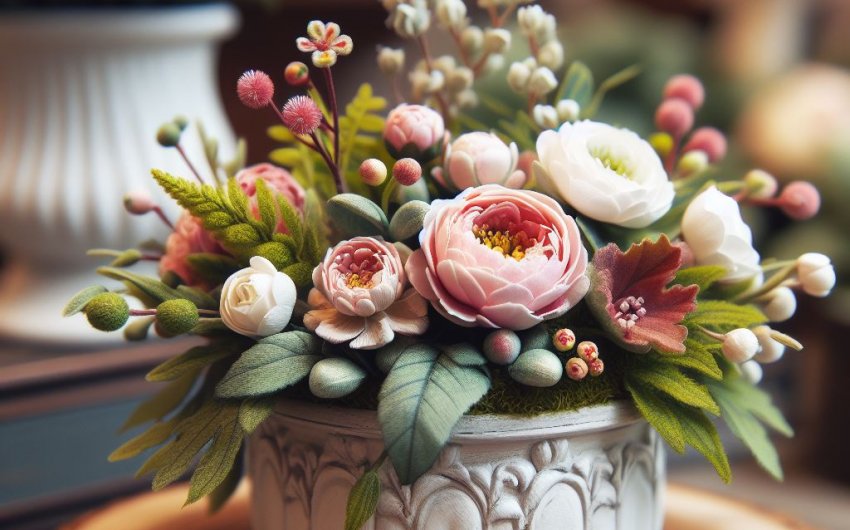
To craft small flower arrangements with big impact, focus on thoughtful flower selection, clever container choices, and mindful design principles that maximize visual interest in a compact form. The secret lies in creating a focal point, balancing textures, and using color strategically to draw the eye and convey a sense of abundance and elegance, even with just a few tiny treasures.
Why are small flower arrangements so impactful?
Small flower arrangements hold a unique charm and deliver a surprisingly big impact because they draw attention to intricate details, individual bloom beauty, and thoughtful composition that larger bouquets can sometimes overwhelm. Their compactness makes them versatile, allowing them to fit into unexpected places and bring a touch of natural elegance to any corner without dominating the space. These tiny treasures force the viewer to look closer, revealing subtle nuances.
What kind of flowers are best for tiny treasures?
The best flowers for crafting tiny treasures are those with delicate forms, interesting textures, or miniature sizes, ensuring they don't overpower the small scale of the arrangement. Focus on blooms that can stand alone as a focal point or combine gracefully with other small-scale elements, contributing to a big impact in a petite package.
Ideal flowers for small arrangements:
- Miniature Roses: Perfect, tiny versions of classic roses, available in many colors.
- Spray Roses: Small clusters of blooms on one stem, excellent for fillers or delicate focal points.
- Violas and Pansies: Charming, flat-faced flowers that add color and personality, often with unique markings.
- Forget-Me-Nots: Dainty blue clusters that add an ethereal, wild touch.
- Sweet Peas: Delicate, ruffled petals with an exquisite fragrance, perfect for a whimsical feel.
- Dianthus (Pinks): Fringed, often spicy-scented flowers that come in various small sizes.
- Muscari (Grape Hyacinth): Tiny, bell-shaped blue or white flowers on short spikes, great for spring arrangements.
- Chamomile: Small, daisy-like flowers that add a fresh, innocent look.
- Small Succulents or Sedum Blooms: Offer unique texture and lasting green or soft colors.
- Waxflower: Tiny, delicate blooms that serve as excellent filler and add texture.
- Freesias: Graceful, fragrant, and come in slender spikes of small blossoms.
- Lily of the Valley: Exquisite, highly fragrant bell-shaped flowers on an arching stem.
- Ranunculus (small varieties): When caught partially open, their tight layers of petals are captivating.
What kind of greenery and filler work for small arrangements?
For crafting small flower arrangements with big impact, the right greenery and filler are crucial for adding texture, depth, and a sense of completeness without overpowering the tiny treasures. Choose delicate, fine-textured options that complement, rather than compete with, your primary blooms.
Delicate greenery and filler options:
- Eucalyptus (seeded, baby blue, parvifolia): Offers soft, often silvery-green leaves and unique shapes. Cut small sprigs.
- Myrtle: Fine-textured, glossy green leaves that provide a classic, refined look.
- Ruscus (Israeli or Italian, small sprigs): Adds a delicate, structured green base.
- Ferns (Maidenhair, Leatherleaf tips): Delicate, airy texture to soften arrangements.
- Dusty Miller: Silvery-grey foliage that provides a beautiful contrast to colorful blooms.
- Rosemary or Thyme: Fragrant herbs with fine texture, bringing an organic feel.
- Boxwood: Small, dense green leaves for classic structure.
- Baby's Breath (Gypsophila): Use very small sprigs for an airy, cloud-like effect.
- Solidago (small clusters): Tiny yellow flowers that add a pop of color and texture.
- Waxflower: Delicate waxy blooms that act as both filler and subtle color.
- Small Berries: Hypericum berries or small sprigs of seasonal berries for texture and color.
What containers are best for tiny treasures with big impact?
The container is just as important as the flowers when crafting small flower arrangements with big impact, as it frames your tiny treasures and anchors their presence. Choose unique, small-scale vessels that complement your blooms and enhance the overall aesthetic without being overwhelming.
Creative container ideas:
- Bud Vases: Designed for single stems or small clusters, a collection of small bud vases can create a striking display.
- Mini Glass Bottles: Repurpose small perfume bottles, spice jars, or vintage medicine bottles for a charming, eclectic look.
- Shot Glasses or Tea Lights Holders: Simple, clear, and perfectly sized for a few small blooms.
- Espresso Cups or Teacups: Add a touch of quaint elegance.
- Small Mason Jars or Canning Jars: A rustic, casual choice for a garden-fresh look.
- Thrift Store Finds: Look for unique, tiny pottery, ceramic figurines, or interesting glassware.
- Test Tubes: For a modern, minimalist display of single stems.
- Small Pitchers or Creamers: Ideal for miniature "bouquets."
- Decorative Small Bowls: Float a few flower heads for an impactful, simple display.
- Jewelry Dishes or Trinket Boxes: Use for very short stems or individual flower heads.
How do you prepare flowers for a small arrangement?
Properly preparing flowers is a crucial step when crafting small flower arrangements with big impact, as it directly affects their freshness, longevity, and how gracefully they fit into your tiny treasures. Clean cuts and quick hydration are key.
Essential preparation steps:
- Gather Your Tools: You'll need clean, sharp floral snips or a sharp knife, a clean vase, and flower food.
- Strip Lower Foliage: Remove any leaves or foliage that would fall below the waterline in your chosen container. Submerged leaves rot quickly, contaminating the water and shortening the life of your flowers.
- Re-cut Stems: Using your sharp tool, cut about 1/2 to 1 inch off the bottom of each stem at a 45-degree angle. This creates a larger surface area for water absorption and prevents the stem from sitting flush against the bottom of the vase, which can block water uptake. Cut stems under water if possible to prevent air bubbles from forming in the stem.
- Hydrate: Immediately place the re-cut flowers into a clean vase filled with fresh, cool water and a flower food packet. Let them hydrate for at least 30 minutes, or preferably a few hours, before arranging.
- Remove Imperfect Petals/Leaves: Gently pluck off any bruised, torn, or yellowing petals or leaves.
- Consider Stem Length: While hydrating, think about the desired finished length of your stems for the small arrangement. It's usually easier to cut too long and then shorten as you arrange.
What are the design principles for high-impact small arrangements?
Crafting small flower arrangements with big impact relies on applying key design principles that enhance visual appeal and create a sense of intention, even with limited blooms. These tiny treasures gain their power from thoughtful composition, making every element count.
Principles for big impact in small spaces:
- Focal Point: Even with few flowers, establish a clear focal point – a single captivating bloom or a small cluster that immediately draws the eye.
- Variety in Texture: Mix smooth petals with ruffled ones, soft foliage with architectural greens. This adds visual interest and depth.
- Color Harmony or Contrast:
- Monochromatic: Use different shades of one color for elegance.
- Analogous: Colors next to each other on the color wheel for harmony.
- Complementary: Colors opposite on the color wheel for a striking pop.
- Height and Depth: Vary stem lengths to create interest. Don't make all flowers the same height; some can be slightly taller, others tucked deeper.
- Balance (Asymmetrical or Symmetrical): Even if small, ensure the arrangement feels balanced. Asymmetrical designs often feel more natural and dynamic.
- Scale: Ensure the flowers and container are in appropriate scale to each other. A tiny flower in a huge vase loses its impact.
- "Less Is More": With small arrangements, resist the urge to overfill. Each bloom should have room to shine.
- Movement: Create a subtle sense of movement or flow using line elements like slender stems or arching foliage.
- Negative Space: Don't be afraid of empty space. It allows the eye to rest and highlights the beauty of individual blooms.
How do you create texture in tiny treasures?
Creating texture is a powerful technique for crafting small flower arrangements with big impact, adding visual and sometimes tactile interest that elevates tiny treasures beyond their size. Mixing various surfaces and forms within your petite design prevents it from looking flat.
Texture-building elements:
- Ruffled Petals: Think carnations, certain roses, or lisianthus.
- Smooth Petals: Calla lilies, tulips, irises.
- Delicate, Feathery Foliage: Maidenhair fern, dill, cosmos foliage.
- Glossy Leaves: Myrtle, camellia leaves (small sprigs).
- Spiky Elements: Small sprigs of rosemary, lavender, or mini gladiolus.
- Fuzzy or Velvety Leaves: Dusty Miller, lamb's ear (use tiny cuttings).
- Small Berries: Hypericum berries, small ivy sprigs with berries.
- Seed Pods: Tiny dried seed pods from flowers or herbs.
- Small Succulents: Unique, fleshy texture that adds modern appeal.
- Woody Stems: Small twigs or slender branches add a natural, rustic feel.
What is the role of color in small flower arrangements?
The role of color in small flower arrangements is amplified, allowing you to create a big impact by evoking specific moods and drawing the eye directly to your tiny treasures. Strategic color choices can make a petite arrangement feel vibrant, serene, dramatic, or whimsical.
Mastering color for impact:
- Single Color (Monochromatic): Using various shades of one color creates a sophisticated, elegant, and often calming effect.
- Two-Tone Harmony: Combining two closely related colors (e.g., light pink and fuchsia, or pale blue and deep indigo) for subtle depth.
- Pop of Contrast: A single bloom in a contrasting color can serve as a powerful focal point (e.g., a bright yellow viola amidst dark purple pansies).
- Analogous Colors: Colors next to each other on the color wheel (e.g., yellow, orange, red) create a smooth, harmonious blend.
- Warm Colors (Reds, Oranges, Yellows): Make the arrangement feel energetic, inviting, and draw the eye. They can make a small arrangement feel bolder.
- Cool Colors (Blues, Greens, Purples): Create a sense of calm, serenity, and depth. They can make a small arrangement feel elegant and refined.
- Neutrals (Whites, Creams, Greens): Provide a crisp, clean backdrop that allows other colors to shine, or create a minimalist, serene vibe on their own.
How can you use natural elements beyond flowers?
To truly make small flower arrangements with big impact, incorporating natural elements beyond just blooms and greenery adds unique character and extends the definition of tiny treasures. These found objects bring an organic, often rustic, charm that enhances the overall design.
Non-floral natural accents:
- Small Twigs or Branches: Add verticality, structure, or a minimalist aesthetic.
- Acorns, Pinecones, Small Seed Pods: Seasonal touches for autumn or winter.
- Feathers: A delicate, airy touch, especially for whimsical or natural arrangements.
- Smooth Pebbles or Decorative Stones: Can be placed in the bottom of clear vases for weight and visual interest.
- Moss: Wrapped around the base of stems or tucked into containers for a woodland feel. You can get decorative preserved moss for this.
- Leaves with Unique Shapes or Colors: Variegated ivy, tiny maple leaves in fall colors.
- Shells or Sea Glass: For a coastal or beach-inspired arrangement.
- Dried Citrus Slices: Fragrant and visually interesting, especially in winter or festive arrangements.
What are budget-friendly tips for impactful small arrangements?
Crafting small flower arrangements with big impact can also be incredibly budget-friendly, proving that elegance and creativity don't require extensive spending. The secret lies in resourceful sourcing and smart design choices that maximize the beauty of every single bloom or element, transforming tiny treasures into affordable luxuries.
Saving money with smart choices:
- Utilize Your Garden: The most budget-friendly option is to snip a few blooms, sprigs of herbs, or interesting foliage from your own garden.
- Forage Responsibly: Collect small wildflowers, pretty leaves, or interesting twigs from nature (ensure they are not protected species and you have permission).
- Grocery Store Finds: Many grocery stores offer inexpensive single stems or small bunches of flowers. Look for clearanced blooms that still have life.
- Mix & Match: Buy one expensive "star" bloom and fill with inexpensive greenery or smaller flowers.
- Repurpose Containers: Use items you already own (jars, bottles, teacups) instead of buying new vases. Thrift stores are also a treasure trove for unique, inexpensive vessels.
- Focus on Foliage: Use more interesting greenery and less expensive filler flowers to create volume and texture.
- "Less Is More": Remember the big impact of just a few perfect blooms. You don't need many flowers to make a statement.
- Grow from Seed: Plant a patch of easy-to-grow annuals like zinnias, cosmos, or sweet peas specifically for cutting small blooms. You can find flower seeds for cutting that produce tiny blooms.
- Use Seasonal Flowers: These are often more abundant and thus more affordable.
- Dry Flowers: Preserve small blooms from your garden to use in lasting arrangements.
How do you make small arrangements last longer?
Making small flower arrangements last longer is essential for maximizing their big impact and ensuring your tiny treasures continue to bring joy. Proper care and a few simple tricks can significantly extend the life of your cut blooms, keeping them fresh and vibrant.
Longevity secrets for tiny treasures:
- Cleanliness is Key: Always use a thoroughly cleaned vase and fresh, clean water. Bacteria are the enemy of cut flowers.
- Flower Food: Use a flower food packet mixed with water. It provides essential nutrients and an anti-bacterial agent.
- Re-cut Stems Regularly: Every 1-2 days, re-cut about 1/2 inch off the bottom of the stems at a 45-degree angle.
- Change Water Daily: Replace the water and flower food solution every day or every other day.
- Remove Submerged Foliage: Ensure no leaves are sitting below the waterline.
- Keep Cool: Place your arrangement in a cool spot, away from direct sunlight, heat sources (like radiators), and ripening fruit, which releases ethylene gas that causes flowers to age faster.
- Mist Occasionally: A light misting with water, especially in dry environments, can help keep petals fresh. Use a fine mist spray bottle.
- Remove Faded Blooms: As individual flowers fade, remove them to maintain the aesthetic and prevent them from harming remaining healthy blooms.
What are creative placements for small arrangements?
The true genius of crafting small flower arrangements with big impact lies in their versatility and the unexpected places they can transform. Creative placements allow your tiny treasures to punctuate various areas with beauty, bringing joy and a touch of natural elegance throughout your home or event.
Inspiring placement ideas:
- Bedside Table: A small arrangement brings freshness and tranquility to your sleeping space.
- Bathroom Vanity: Elevate a mundane space with a touch of floral luxury.
- Kitchen Window Sill: A cheerful pop of color and natural beauty while you cook.
- Guest Room: Welcome visitors with a thoughtful and beautiful gesture.
- Work Desk/Home Office: Adds a calming, organic element to your workspace.
- Powder Room: A sophisticated touch for a small, often overlooked space.
- Bookshelf Niche: Tuck a tiny vase between books for an unexpected delight.
- Mantlepiece: A series of bud vases creates a rhythmic, elegant display.
- Dinner Party Table Settings: Place a small arrangement at each place setting or scattered down the center.
- Window Sills and Ledges: Brighten up any sill with a collection of tiny treasures.
- Floating Shelf: A minimalist arrangement can be a focal point.
- As a Gift Topper: Attach a tiny bloom or a small, wrapped sprig to a gift for a personal touch.
Crafting small flower arrangements with big impact is a delightful and accessible art form. By carefully selecting tiny treasures, utilizing clever containers, applying thoughtful design principles, and ensuring proper care, you can bring immense beauty and charm to any space, proving that even the smallest blooms can leave a lasting impression.