
Preventing and Treating Lawn Necrotic Ring Spot Disease
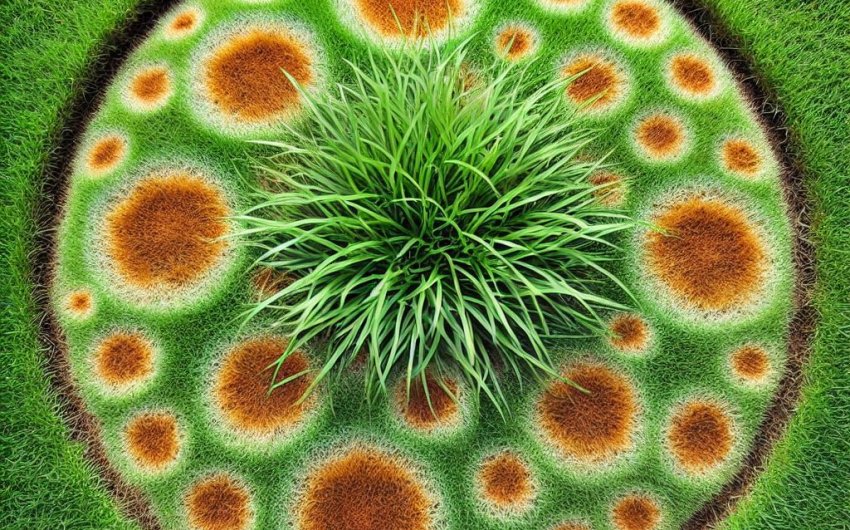
Few lawn diseases are as frustrating and persistent as Necrotic Ring Spot (NRS). This aggressive fungal infection creates distinct, unsightly patterns in turfgrass, often leaving homeowners wondering how to restore their once-pristine green spaces. Successfully preventing and treating lawn Necrotic Ring Spot disease requires a deep understanding of its triggers and a multi-faceted approach. This comprehensive guide will equip you with the knowledge to identify NRS, implement effective cultural practices, and utilize targeted treatments to protect your lawn from this challenging pathogen.
What is Necrotic Ring Spot (NRS) Disease?
Necrotic Ring Spot (NRS) is a chronic and destructive fungal disease that primarily affects cool-season turfgrasses, especially Kentucky bluegrass, but also fescues and perennial ryegrass. It is caused by the fungus Ophiosphaerella korrae. Unlike some other lawn diseases that affect grass blades, NRS is a root disease, attacking and rotting the grass roots and crowns, which makes it particularly challenging to manage.
Identifying Necrotic Ring Spot:
- Distinct Ring Patterns: The most characteristic symptom is the appearance of circular or irregular rings or patches of dead, brown, or straw-colored grass.
- "Frog-Eye" Pattern: Often, NRS patches exhibit a "frog-eye" appearance. This means the outer ring of grass is dead, there's a ring of healthy green grass just inside the dead ring, and then a re-greened or still-living center. This happens because the fungus grows outward from a central point, killing grass as it spreads, but then the original center may recover as the fungus moves on.
- Size: Rings can range from a few inches to several feet in diameter. They may merge to form larger irregular patterns.
- Timing: Symptoms are most visible during periods of moderate temperatures in spring and fall, especially after periods of cool, wet weather. However, the root damage occurs during warmer temperatures (60-80°F or 15-27°C) when the fungus is actively growing. The stress of summer heat or winter cold makes the root damage visible.
- Root Symptoms: If you dig up affected turf, you'll see dark, rotted roots and crowns. Healthy roots should be white.
- Spongy Turf: Affected areas might feel spongy underfoot due to the dying root system.
Conditions that Favor NRS Development:
NRS typically appears when turfgrass is under stress and environmental conditions align for the fungus.
- Susceptible Turfgrass: Primarily Kentucky bluegrass, fine fescues, and perennial ryegrass. Older turf stands are more vulnerable.
- Compacted Soil: Poorly drained and compacted soils create anaerobic (low oxygen) conditions that stress grass roots and favor fungal growth.
- Excessive Thatch: A thick thatch layer (over 1/2 inch) traps moisture, harbors the fungus, and prevents water and nutrients from reaching the roots.
- Improper Watering: Frequent, shallow watering encourages shallow roots, making grass less resilient. Also, prolonged leaf wetness can exacerbate symptoms, though the primary damage is in the roots.
- Improper Fertilization:
- Excessive Nitrogen: Can promote lush growth that becomes highly susceptible.
- Low Nitrogen/Potassium: Weakens overall turf health.
- Poor Drainage: Areas with standing water or consistently soggy soil.
- High Soil pH: NRS often thrives in soils with a high pH (alkaline conditions).
- Drought Stress: While the fungus acts in warmer, moister soil, symptoms often become visible when the affected turf is stressed by subsequent drought or heat, as its compromised roots cannot absorb enough water.
What Are Immediate Steps to Take When You Spot NRS?
Early intervention, while challenging for a root disease, can help mitigate the spread and severity of Necrotic Ring Spot.
- Confirm Diagnosis: The "frog-eye" pattern is a strong indicator. If unsure, contact your local university extension office for confirmation. Misdiagnosis can lead to ineffective treatments.
- Adjust Watering:
- Deep and Infrequent: Water deeply (to moisten the root zone to 4-6 inches) but less often. This encourages deeper root growth.
- Early Morning: Water only in the early morning (before 10 AM) to allow the grass blades to dry completely, reducing surface moisture.
- Core Aeration: This is a critical immediate step. Use a core aerator to pull plugs of soil from the affected areas. This immediately improves air and water penetration to the roots, helping to reduce compaction and stress.
- Light Nitrogen Application: A light application of nitrogen (e.g., 0.1-0.2 lbs N per 1,000 sq ft) can sometimes help re-green the outer ring and healthy grass within the patch, masking symptoms. Avoid heavy nitrogen applications.
- Remove Thatch (if applicable): If thatch is thick, very gently rake it out of the affected areas to expose the soil and improve air circulation. Be cautious not to spread the fungus.
What Cultural Practices Provide the Best Long-Term Prevention and Treatment?
Since NRS is a root disease driven by environmental stress, excellent cultural practices are the most powerful tools for prevention and long-term management. These practices create a robust, healthy root system less susceptible to fungal attack.
1. Improve Soil Health and Drainage:
- Aeration (Regular): Regularly aerate your lawn, especially in spring or fall for cool-season grasses. This is the single most important cultural practice for managing NRS. It alleviates compaction, improves air and water movement, and promotes deep root growth.
- Dethatching: If your thatch layer is consistently thicker than 1/2 inch (1.2 cm), dethatch your lawn to remove it. Thatch traps moisture and harbors fungal spores.
- Topdressing with Compost: Applying a thin layer (1/4 to 1/2 inch) of high-quality organic compost after aeration can gradually improve soil structure, drainage, and microbial activity over time. This enhances overall soil health and disease resistance. Organic lawn compost.
2. Optimize Watering:
- Deep and Infrequent: Continue with deep and infrequent watering to encourage strong, deep roots.
- Avoid Drought Stress: During dry periods, ensure adequate water. While the fungus needs moisture to grow, dry conditions make its root damage visible.
3. Balanced Fertilization:
- Soil Test: Conduct a soil test kit to understand your lawn's specific nutrient needs, including pH.
- Controlled Nitrogen: Avoid excessive quick-release nitrogen, especially during periods when the fungus is active (warm soil temperatures). Consider slow-release nitrogen fertilizers.
- Potassium: Ensure adequate potassium (the "K" in NPK), as it improves overall plant stress tolerance and disease resistance.
- Manganese: NRS can be associated with manganese deficiency. If your soil test indicates low manganese, a foliar application can sometimes help.
- pH Adjustment: If your soil pH is high (alkaline), apply elemental sulfur or other acidifying amendments (like peat moss) to gradually lower it to the ideal range for cool-season grasses (6.0-7.0).
4. Proper Mowing:
- Mowing Height: Mow at the highest recommended height for your grass type (3 inches or more). Taller grass has a deeper root system, shading the soil and making it more resilient.
- Sharp Blades: Use sharp mower blades for a clean cut, reducing stress on the grass blades.
- Clean Mower: Clean your mower after mowing affected areas to prevent spreading spores.
5. Reseeding with Resistant Varieties:
- Long-Term Solution: This is one of the most effective long-term strategies. When overseeding thin spots or renovating severely damaged areas, choose NRS-resistant cultivars of Kentucky bluegrass, perennial ryegrass, or fescues.
- Many modern turfgrass cultivars have been bred for disease resistance. Look for labels that specifically mention NRS resistance.
- Timing: Overseed during the optimal time for your grass type (late summer/early fall for cool-season grasses).
What Are Organic or Natural Treatments for NRS?
While challenging for a persistent root disease like NRS, some organic approaches focus on improving soil biology and plant vigor to naturally suppress the pathogen.
- Beneficial Microbes: Products containing specific beneficial bacteria (e.g., Bacillus subtilis) or fungi (e.g., Trichoderma species) can be applied as soil drenches. These microbes can outcompete the NRS fungus or promote root health. Look for biological fungicides for lawns.
- Compost Tea: Regularly applying compost tea can introduce a diverse range of beneficial microorganisms to the soil, which can contribute to overall soil health and disease suppression. Its direct effect on curing NRS is debated, but it promotes a healthy environment.
- Humic Acid and Fulvic Acid: These organic compounds can improve nutrient uptake, enhance soil structure, and stimulate microbial activity, leading to healthier roots that are more resistant to disease. Liquid humic acid for lawns.
- Silica: Some studies suggest that silica can strengthen plant cell walls, making them more resistant to fungal penetration. Liquid silica for plants.
These natural methods are best used as part of a long-term preventative program to build turf resilience, rather than as a quick cure for an active, severe outbreak.
When Should I Consider Chemical Fungicides for NRS?
Chemical fungicides should be considered for severe or recurring NRS infestations, especially on high-value turf. They are a tool to manage the disease but must be combined with good cultural practices for long-term success.
- Timing of Application:
- Preventative: This is often the most effective approach for NRS. Apply in early spring (when soil temperatures reach 55-60°F or 13-16°C) and/or in fall, before symptoms become severe, to suppress fungal activity as roots grow.
- Curative: Apply at the first sign of symptoms, but understand that damaged roots won't instantly recover. Multiple applications are usually needed.
- Active Ingredients: Look for fungicides specifically labeled for Necrotic Ring Spot on turfgrass. Common active ingredients include:
- Propiconazole (e.g., in Bonide Infuse Systemic Disease Control)
- Azoxystrobin
- Tebuconazole
- Flutolanil (often very effective for patch diseases like NRS)
- Thiophanate-methyl
- Application:
- Read Label Strictly: Follow all label directions for mixing rates, application frequency, safety precautions (PPE), and watering-in instructions. Many NRS fungicides need to be watered into the root zone to be effective.
- Thorough Coverage: Ensure even and thorough application to the affected areas and slightly beyond.
- Rotation: To prevent the fungus from developing resistance to fungicides, it's crucial to rotate between products with different active ingredients or modes of action if you are making multiple applications over a season.
- Professional Consultation: For large-scale problems or persistent issues, consulting with a lawn care professional or a university extension agent is highly recommended. They can accurately diagnose and recommend the most effective and appropriate fungicides for your specific situation.
Repairing and Revitalizing NRS-Affected Areas:
Once the NRS is under control, you'll need to help your lawn recover.
- Assess Damage: Give the lawn some time after treatment to see if any grass recovers. Dead grass will not green up.
- Rake Out Dead Grass: Gently rake out the dead grass and thatch from the affected rings to prepare the soil for new growth.
- Aerate and Amend Soil: Follow up with core aeration in these areas, and consider topdressing with compost to improve soil health.
- Overseed with Resistant Varieties: This is the best long-term repair method. Use NRS-resistant grass seed varieties to fill in the bare spots. The "frog-eye" centers usually remain alive and can help fill in from the inside.
- Water Consistently (for new seed): New seedlings need consistent moisture to germinate and establish. Water lightly every day until they are established, then transition to deep and infrequent watering.
Preventing and treating lawn Necrotic Ring Spot disease is a journey that requires vigilance and a commitment to excellent lawn care practices. By understanding how this root disease operates and implementing a proactive strategy of cultural management, organic support, and targeted fungicide applications when necessary, you can protect your turfgrass, reduce recurring outbreaks, and maintain a beautiful, resilient lawn. Patience and consistency are your greatest allies against this formidable foe.