
How to Treat Septoria Leaf Spot on Lawns?
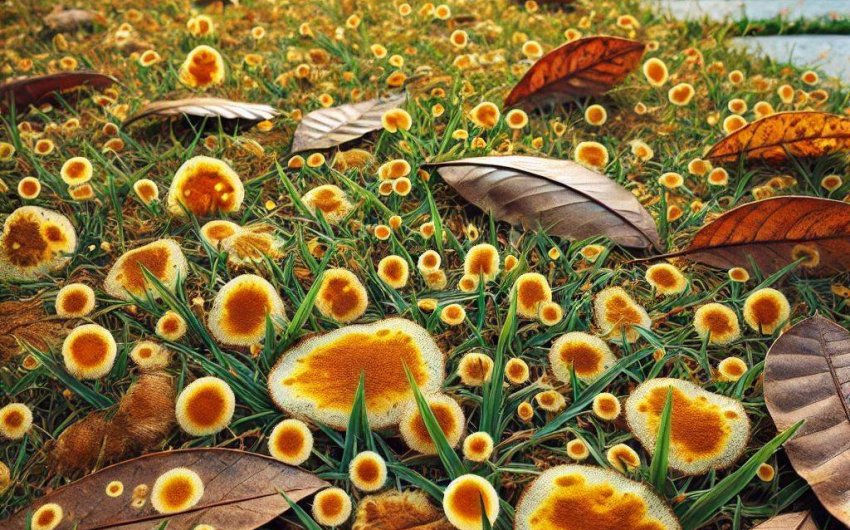
Observing unsightly spots on your lawn can be disheartening, and one common culprit is a fungal affliction known as Septoria leaf spot. Effectively managing this pervasive lawn disease requires understanding its characteristics and implementing targeted treatment strategies to restore your turf's health and vibrancy. This guide will walk you through identifying, preventing, and treating Septoria leaf spot to ensure your lawn remains lush and green.
What is Septoria Leaf Spot and How Does It Affect Lawns?
Septoria leaf spot is a common fungal disease that can affect various types of grasses, particularly Kentucky bluegrass, perennial ryegrass, and fine fescues. It is caused by fungi belonging to the Septoria genus. This disease primarily targets the leaves of the grass plants, leading to a decline in the overall health and appearance of your lawn. While not typically fatal to the entire lawn, severe infections can significantly weaken the grass, making it more susceptible to other stresses like drought, heat, or further disease, and can drastically reduce its aesthetic appeal. Understanding its lifecycle and preferred conditions is crucial for effective management.
What Causes Septoria Leaf Spot?
Like many fungal diseases, Septoria leaf spot thrives under specific environmental conditions that favor fungal growth and spore dissemination.
- Fungus: The primary cause is the Septoria fungus itself. Spores of this fungus are typically present in the environment and can lie dormant until conditions are right for them to germinate and infect grass blades.
- Moisture: Prolonged periods of leaf wetness are the most critical factor. This can result from:
- Frequent, Light Rain: Drizzly weather or light, consistent rain keeps grass blades wet for extended periods.
- Overhead Irrigation: Watering in the evening or at night, which doesn't allow grass to dry before cooler nighttime temperatures, creates ideal conditions.
- Poor Drainage: Areas of the lawn where water tends to sit for a long time.
- High Humidity: Stagnant air with high moisture content.
- Temperature: Septoria leaf spot favors moderate temperatures, typically between 60°F and 80°F (15°C to 27°C). It can be prevalent in spring and fall, or during cooler, wet periods in summer.
- Air Circulation: Poor air circulation, often due to dense turf, nearby shrubs, or trees, prevents grass blades from drying out quickly, creating a humid microclimate conducive to fungal growth.
- Nutrient Imbalance: Lawns that are either over-fertilized with nitrogen or severely under-fertilized can be more susceptible. Excessive nitrogen can lead to lush, tender growth that is more vulnerable, while nutrient-deficient grass is simply weaker and less resistant.
- Thatch Buildup: A thick layer of thatch (a layer of organic matter between the green grass and the soil surface) can trap moisture and create a breeding ground for fungal spores.
- Mowing Practices: Mowing too low can stress the grass, and mowing when the grass is wet can help spread fungal spores.
What are the Symptoms of Septoria Leaf Spot?
Identifying the characteristic symptoms of Septoria leaf spot early is vital for timely intervention and effective treatment. The disease progresses from small spots to more widespread discoloration and decline.
- Small, Dark Spots: The initial symptom is the appearance of small, oval or irregularly shaped spots on the grass blades. These spots are typically dark brown or purplish-black.
- Yellow Halo: As the spots mature, they often develop a distinct yellow or tan halo around their dark center. This creates a "fried egg" appearance.
- Elongation and Merging: The spots will gradually enlarge and may merge together, causing larger areas of the grass blade to become discolored.
- Grey or Tan Centers (with Black Dots): In advanced stages, the center of the spots may turn light grey or tan. A key diagnostic feature is the presence of tiny, black pinhead-sized dots within these light centers. These are the fruiting bodies of the fungus (pycnidia), which contain the spores. You might need a magnifying glass to see them clearly.
- Tip Blight: The disease often progresses from the tip of the grass blade downwards, causing the tips to turn yellow, then brown, and eventually die back.
- Overall Thinning and Discoloration: In severe cases, the affected lawn areas may appear thin, faded, or generally unhealthy due to the widespread damage to the grass blades. The entire lawn might take on a brownish, blighted appearance.
- Absence of Root or Crown Rot: Unlike some other lawn diseases, Septoria leaf spot primarily affects the leaves and does not typically cause rot in the roots or crowns of the grass plants.
How Can You Prevent Septoria Leaf Spot?
Prevention is always the best approach when it comes to lawn diseases. By implementing good cultural practices, you can create an environment that is less hospitable to the Septoria fungus and strengthen your grass's natural defenses. Many preventive measures for Septoria leaf spot are simply good lawn care practices that promote overall turf health.
Proper Watering Techniques
Watering correctly is perhaps the most impactful way to prevent fungal diseases by controlling leaf wetness.
- Water Deeply and Infrequently: Instead of shallow, frequent watering, which keeps the surface wet, water deeply to encourage deep root growth. This means applying enough water to moisten the soil to a depth of 4-6 inches.
- Water in the Morning: The best time to water your lawn is early in the morning (between 4 AM and 9 AM). This allows the grass blades to dry completely before nightfall, reducing the duration of leaf wetness.
- Avoid Evening/Night Watering: Never water your lawn in the late afternoon, evening, or at night. This leaves the grass wet for extended periods, creating ideal conditions for fungal diseases to thrive.
- Check Soil Moisture: Don't water on a fixed schedule. Instead, check the soil moisture. Stick a screwdriver or a soil probe into the lawn; if it goes in easily, there's enough moisture. If it's hard to push, it's time to water. A rain gauge can also help you track natural rainfall.
Optimized Mowing Practices
How and when you mow your lawn can significantly influence its susceptibility to disease.
- Mow at the Correct Height: Most turfgrasses perform best when mowed at a height of 2.5 to 3 inches, or even higher (3.5-4 inches) during hot summer months. Taller grass has deeper roots and can better withstand stress. Mowing too short (scalping) stresses the grass and makes it more vulnerable.
- Mow When Dry: Always mow your lawn when the grass blades are dry. Mowing wet grass can spread fungal spores from infected areas to healthy areas. Wet grass also clumps, leading to uneven cuts and potential smothering.
- Use Sharp Blades: Dull mower blades tear and shred grass blades, leaving jagged edges that are more susceptible to disease entry. Sharpen your lawn mower blades regularly (at least once a month).
- Mulch Clippings: Unless the infection is severe, leaving grass clippings on the lawn (mulching) returns valuable nutrients to the soil. If the disease is active, however, bag and remove clippings to prevent spore spread.
Proper Fertilization
A balanced fertilization program is crucial for a strong, healthy lawn that can resist disease.
- Soil Test: The best way to know your lawn's specific nutrient needs is to conduct a soil test kit every 2-3 years. This will provide recommendations for nitrogen, phosphorus, potassium, and micronutrients.
- Balanced Nutrients: Avoid excessive nitrogen, especially in spring and late summer/fall, as lush, succulent growth is more prone to fungal attacks. Use a balanced lawn fertilizer with a good N-P-K ratio.
- Slow-Release Nitrogen: Opt for fertilizers with slow-release nitrogen sources. These provide a steady supply of nutrients over time, promoting healthy, consistent growth rather than sudden flushes.
- Don't Under-Fertilize: While over-fertilizing is an issue, under-fertilizing also weakens the grass, making it less resilient to disease and other stresses.
Improving Air Circulation and Drainage
Good airflow and proper drainage help keep grass blades dry and prevent stagnant, humid conditions.
- Aeration: Over time, soil can become compacted, restricting air and water movement. Lawn aeration tools or a core aerator create small holes in the soil, improving air and water penetration and encouraging deeper root growth. Aerate compacted lawns annually in spring or fall.
- Dethatching: A thick layer of thatch (over ½ inch) can harbor fungal spores and trap moisture. Dethatching rakes or a power dethatcher can remove excess thatch. Dethatch in late spring or early fall when the grass is actively growing.
- Pruning: If your lawn is shaded by dense trees or shrubs, consider pruning lower branches to improve light penetration and air circulation across the lawn surface.
- Address Drainage Issues: For areas with standing water, consider amending the soil with organic matter, installing a French drain, or regrading the area to improve surface runoff.
Selecting Resistant Grass Varieties
For new lawns or overseeding, choosing grass varieties with natural resistance is a long-term preventive measure.
- Disease-Resistant Cultivars: When purchasing grass seed, look for varieties labeled as resistant or tolerant to Septoria leaf spot (and other common local diseases like dollar spot or rust). Many newer cultivars of Kentucky bluegrass and perennial ryegrass have improved disease resistance.
- Mixtures and Blends: Using a blend of different turfgrass species or varieties within a species can increase overall lawn resilience, as different grasses have varying susceptibilities to diseases. If one variety succumbs, others may remain healthy.
How Do You Treat Septoria Leaf Spot?
If prevention efforts aren't enough or if Septoria leaf spot is already established, active treatment may be necessary. This involves both cultural adjustments and, in severe cases, the application of fungicides.
Cultural Controls for Active Infections
Before reaching for fungicides, always reinforce good cultural practices, as they are fundamental to recovery and future prevention.
- Adjust Watering: Immediately stop evening or night watering. Switch to early morning watering only, ensuring the grass blades dry quickly.
- Improve Air Circulation: If possible, prune back any overgrown shrubs or tree limbs that are creating excessive shade and blocking airflow to the affected areas.
- Mowing Changes:
- Increase Mowing Height: Raise your mower blade to the upper end of the recommended range (e.g., 3-4 inches). Taller grass is stronger and less stressed.
- Bag Clippings: If the infection is widespread and severe, bag and remove grass clippings from the affected areas. This prevents the spread of spores to healthy parts of the lawn.
- Clean Equipment: After mowing, thoroughly clean your mower deck and blades to avoid transferring fungal spores from infected areas to uninfected ones. A deck wash attachment can be helpful.
- Reduce Thatch and Compaction: If thatch buildup or soil compaction is contributing to the problem, carefully consider aeration or dethatching. However, if the lawn is severely stressed by disease, wait until it shows signs of recovery before performing these intensive cultural practices.
- Fertilization Adjustments: Temporarily reduce nitrogen fertilization during active infection, especially if using a quick-release nitrogen product. A soil test will help you apply the right amount of nutrients.
Fungicide Application
For severe or persistent cases of Septoria leaf spot, a targeted fungicide application may be warranted. It's important to choose the right product and apply it correctly.
- When to Apply: Fungicides are most effective when applied preventatively or at the very first signs of disease. They work by protecting healthy tissue or stopping the spread of the fungus. They cannot repair already damaged grass blades.
- Types of Fungicides:
- Systemic Fungicides: Absorbed by the plant and move throughout its tissues, providing protection from within. They offer longer-lasting protection but can be more expensive.
- Contact Fungicides: Form a protective barrier on the plant surface. They are effective but wash off with rain or irrigation and require more frequent reapplication.
- Active Ingredients: Look for fungicides containing active ingredients effective against leaf spot diseases, such as:
- Chlorothalonil
- Propiconazole
- Azoxystrobin
- Mancozeb
- Tebuconazole
- A broad-spectrum lawn fungicide will often list several diseases it controls.
- Application Method:
- Granular: Applied with a broadcast spreader. Requires watering in after application.
- Liquid Concentrate: Mixed with water and applied with a pump sprayer or hose-end sprayer. Provides good coverage.
- Follow Label Instructions: Always, always read and strictly follow the product label instructions regarding:
- Application Rates: Applying too little will be ineffective, too much can harm your lawn.
- Application Frequency: How often you can apply the product.
- Personal Protective Equipment (PPE): Wear gloves, safety glasses, and sometimes a respirator.
- Re-entry Interval (REI): How long you must wait before re-entering the treated area.
- Rainfastness: How long before rain will wash off the product.
- Rotation of Fungicides: To prevent the fungus from developing resistance, it's wise to alternate between fungicides with different active ingredients (different "FRAC codes" on professional products) if multiple applications are needed over a season.
Integrated Pest Management (IPM) Approach
An IPM approach combines various strategies to manage disease effectively and sustainably, minimizing reliance on chemicals.
- Identification: Correctly identify Septoria leaf spot.
- Monitor: Regularly check your lawn for early signs of disease.
- Prevention: Implement all cultural practices diligently (watering, mowing, fertilizing, aeration, dethatching, resistant varieties).
- Action Threshold: Decide when the damage warrants active intervention. For most homeowners, this is when the disease becomes aesthetically unacceptable or threatens the health of the entire lawn.
- Control: Start with the least impactful cultural controls. If symptoms persist or worsen, consider fungicide application, ensuring proper use.
- Evaluate: Observe the results of your treatment and adjust your practices as needed for future prevention.
What is the Long-Term Outlook for a Lawn with Septoria Leaf Spot?
With consistent effort and the right strategies, a lawn affected by Septoria leaf spot can make a full recovery and maintain its health long-term. The key is not just to treat the current infection but to adopt proactive measures that prevent future outbreaks and build a more resilient turf.
Recovery and Regrowth
Once the environmental conditions become less favorable for the fungus and appropriate treatment is applied, the grass will begin to recover.
- New Growth: The existing damaged blades will not heal, but new, healthy grass blades will emerge from the crowns of the plants.
- Filling In: If the thinning was severe, overseeding with a disease-resistant grass variety can help accelerate the recovery and density of the lawn. Do this in early fall or spring when temperatures are conducive to germination and growth, and after the active infection is under control.
- Patience: Recovery takes time, often several weeks or even months, especially if the damage was widespread. Consistent good care is paramount during this period.
Building Long-Term Resistance
Sustained prevention is the cornerstone of a healthy, disease-free lawn.
- Ongoing Cultural Practices: Continue all the preventative measures discussed previously:
- Deep, Morning Watering: Remain vigilant about your watering schedule.
- Correct Mowing Height and Frequency: Never scalp your lawn; keep blades sharp.
- Balanced Fertilization: Conduct regular soil tests and adjust your fertilizer program accordingly.
- Regular Aeration and Dethatching: Perform these practices as needed to maintain soil health and air circulation.
- Pruning for Airflow: Keep trees and shrubs pruned if they cast too much shade or block air movement.
- Monitoring and Early Detection: Regularly inspect your lawn for any early signs of disease. The sooner you catch it, the easier it is to manage.
- Record Keeping: Keep notes on when you observe disease, what conditions were present, and what treatments you applied. This will help you identify patterns and optimize your lawn care strategy over time.
- Professional Consultation: If you consistently struggle with Septoria leaf spot or other lawn diseases despite your best efforts, consider consulting with a local lawn care professional or your university extension office. They can provide tailored advice based on your specific climate, soil, and grass type.
Successfully addressing Septoria leaf spot on your lawn requires a multi-faceted approach, combining timely identification, diligent cultural adjustments, and, when necessary, appropriate fungicide application. By maintaining optimal watering, mowing, and fertilization practices, you can create a robust, resilient turf that shrugs off this common fungal challenge, ensuring your outdoor space remains a source of pride and enjoyment.