
What Is a Parlor Palm and How Do I Care for It?
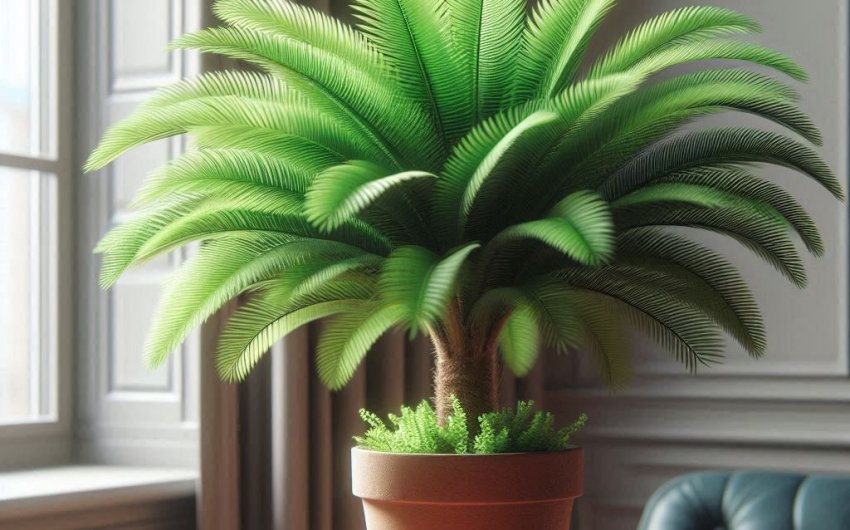
The parlor palm (Chamaedorea elegans) stands out as a remarkably popular and enduring choice for indoor plant enthusiasts, gracing homes with its elegant, tropical allure. Known for its graceful, feathery fronds and relatively compact size, this beautiful plant brings a touch of the rainforest indoors without demanding excessive care. Understanding what is a parlor palm and its specific needs is the first step toward successfully cultivating this charming botanical specimen, ensuring it thrives and enhances your living space for years to come.
What is a Parlor Palm?
The parlor palm, scientifically known as Chamaedorea elegans, is a small, slow-growing palm tree native to the rainforests of southern Mexico and Guatemala. It gained its common name in the Victorian era when it became a staple in dimly lit parlors due to its ability to tolerate low light conditions. This elegant plant is celebrated for its delicate, feathery fronds that emerge from multiple slender, bamboo-like stems, creating a lush, bushy appearance. It’s a favorite among houseplant enthusiasts for its classic beauty and relatively forgiving nature.
What are its Key Characteristics?
The parlor palm is characterized by its deep green, pinnate leaves, meaning they are divided into many small leaflets arranged on either side of a central stem, giving them a feathery look. Each individual palm can grow multiple stems from its base, contributing to its bushy and full appearance. Unlike some larger palm varieties, the parlor palm remains quite compact, typically reaching heights of 2 to 6 feet indoors, making it suitable for a wide range of spaces from tabletops to floor displays. It's also known for being a very long-lived houseplant, often thriving for decades with proper care.
Is the Parlor Palm Pet-Friendly?
One of the significant advantages of the parlor palm is that it is considered non-toxic to cats and dogs by the ASPCA (American Society for the Prevention of Cruelty to Animals). This makes it an excellent choice for homes with pets, as you can enjoy its tropical beauty without worrying about your furry friends if they happen to nibble on the leaves. Always double-check with a reliable source if you have any doubts about plant toxicity, but the parlor palm is generally a safe bet.
What Kind of Light Does a Parlor Palm Need?
Providing the right amount of light is crucial for the health and vitality of your parlor palm. While it is famously tolerant of lower light conditions, understanding its optimal light preferences will help it thrive and maintain its vibrant green foliage. Too much or too little light can lead to various issues, affecting its growth and appearance.
Ideal Light Conditions
Parlor palms prefer medium to low indirect light. In their natural habitat, they grow under the canopy of larger trees, receiving filtered sunlight rather than direct rays. Replicating this indoors means placing them near a north-facing window, or a few feet away from an east- or west-facing window. The goal is to provide consistent, gentle light without exposing them to harsh, direct sun, which can scorch their delicate fronds.
Signs of Too Much Light
If your parlor palm is receiving too much direct sunlight, you'll likely notice its fronds turning yellow or brown, particularly along the tips and edges. The leaves might also appear bleached or faded. This "sunburn" indicates that the light intensity is too high for the plant. Move your palm further away from the window or provide sheer curtains to filter the light, protecting its delicate foliage.
Signs of Too Little Light
Conversely, if your parlor palm is not getting enough light, its growth may become stunted or leggy, with new fronds appearing sparse and weak. The vibrant green color might also fade, becoming a duller shade. While parlor palms are tolerant of low light, prolonged periods in very dim conditions can weaken the plant. In such cases, move it to a slightly brighter spot with more indirect light to encourage healthier growth.
How Should You Water a Parlor Palm?
Proper watering is one of the most critical aspects of parlor palm care. These plants prefer consistent moisture but are highly susceptible to root rot if overwatered. Finding the right balance will ensure your palm stays hydrated and healthy, preventing common issues related to either too much or too little water.
Watering Frequency
The key to watering a parlor palm is to allow the top inch or two of soil to dry out between waterings. This typically means watering every 1-2 weeks, but this can vary greatly depending on factors like room temperature, humidity, light levels, and pot size. Always check the soil moisture with your finger before watering. If the topsoil feels dry, it's time to water; if it still feels damp, wait a few more days. In winter, when growth slows, reduce watering frequency.
Signs of Overwatering
Overwatering is a common killer of parlor palms. Signs include yellowing lower leaves, black spots on the fronds, a foul odor from the soil, or soft, mushy stems. These symptoms indicate that the roots are suffocating and potentially rotting due to excessive moisture. If you notice these signs, stop watering immediately, allow the soil to dry out completely, and consider repotting into fresh, well-draining soil if the problem persists. Ensure your planter for indoor plants like the Ceramic Plant Pot with Drainage Hole has proper drainage.
Signs of Underwatering
Underwatering can also stress your parlor palm, though it's generally less fatal than overwatering. Symptoms include crispy brown leaf tips, droopy or limp fronds, and overall dull-looking foliage. If the soil is bone dry and pulling away from the sides of the pot, your palm is definitely thirsty. Give it a thorough watering until water drains from the bottom of the pot. Consistent underwatering can lead to stunted growth and eventually plant decline.
The Importance of Drainage
Regardless of your watering schedule, excellent drainage is essential for parlor palms. Always choose a pot with drainage holes at the bottom. A saucer underneath can catch excess water, but make sure to empty it promptly to prevent the pot from sitting in standing water, which can lead to root rot. Good drainage allows oxygen to reach the roots, which is vital for plant health.
What Kind of Soil and Pot Does a Parlor Palm Need?
The right soil mix and an appropriately sized pot are fundamental for providing a healthy environment for your parlor palm's root system. These choices directly impact drainage, aeration, and nutrient availability, all of which are critical for the palm's long-term well-being.
Ideal Soil Mix
Parlor palms thrive in a well-draining, peat-based potting mix that retains some moisture but doesn't become waterlogged. A good standard indoor potting soil for palms like Miracle-Gro Palm & Citrus Potting Mix is usually suitable. You can enhance drainage by mixing in perlite or coarse sand to a standard mix. The key is a mix that offers good aeration for the roots while providing enough structure to support the plant. Avoid heavy, dense soils that compact easily and retain too much water.
Choosing the Right Pot Size and Material
When selecting a pot for your parlor palm, consider both size and material.
- Size: Parlor palms prefer to be slightly root-bound rather than in a pot that is too large. When repotting, only go up one pot size (e.g., from a 6-inch to an 8-inch pot). A pot that's too big holds too much excess moisture, increasing the risk of root rot.
- Material: Terracotta pots are excellent for parlor palms as they are porous and allow excess moisture to evaporate through their walls, which helps prevent overwatering. However, they can also dry out faster, requiring more frequent watering. Plastic pots retain moisture more effectively, so you'll need to be more careful with watering frequency, but they are lighter and less prone to breaking. Regardless of material, ensure the pot has drainage holes.
When to Repot Your Parlor Palm
Parlor palms are slow growers and generally don't need frequent repotting. You'll typically only need to repot every 2-3 years, or when you notice signs that the palm is root-bound.
- Signs of being root-bound: Roots growing out of the drainage holes, water sitting on top of the soil after watering, or stunted growth despite proper care.
- Repotting process: Choose a pot that is only 1-2 inches larger in diameter. Gently remove the palm from its current pot, loosen any circling roots, and place it in the new pot with fresh potting mix. Water thoroughly after repotting to help settle the soil.
What Are the Ideal Temperature and Humidity for a Parlor Palm?
Replicating the warm, humid conditions of their native rainforest environment is crucial for keeping your parlor palm healthy and thriving indoors. Temperature and humidity play significant roles in its overall well-being, influencing everything from growth rate to resistance against pests.
Optimal Temperature Range
Parlor palms prefer average to warm indoor temperatures, ideally between 65°F and 80°F (18°C - 27°C). They can tolerate slightly cooler temperatures down to 50°F (10°C) for short periods, but prolonged exposure to cold can damage the foliage and stress the plant. Avoid placing your palm near drafty windows, air conditioning vents, or heating elements, as sudden temperature fluctuations can be detrimental. Consistent warmth without extremes is key.
Humidity Requirements
Parlor palms thrive in high humidity, ideally above 50%. In typical indoor environments, especially during winter months when heating systems dry out the air, humidity levels can be much lower. Low humidity can lead to crispy brown leaf tips, especially on newer fronds, and can also make your palm more susceptible to common houseplant pests like spider mites.
How to Increase Humidity for Your Parlor Palm
There are several ways to boost humidity for your parlor palm:
- Misting: Regularly misting the foliage with a fine plant mister can provide temporary humidity. Aim for once a day or every other day, especially during dry periods.
- Pebble Tray: Place the pot on a saucer filled with pebbles and a small amount of water, ensuring the bottom of the pot doesn't sit directly in the water. As the water evaporates, it creates a more humid microclimate around the plant.
- Humidifier: For consistent high humidity, especially if you have multiple tropical plants, a room humidifier is the most effective solution.
- Grouping Plants: Grouping your parlor palm with other humidity-loving plants can create a localized humid environment, as plants release moisture through transpiration.
How Do You Fertilize a Parlor Palm?
Fertilizing your parlor palm provides essential nutrients for healthy growth and vibrant foliage. However, palms are not heavy feeders, and over-fertilization can cause more harm than good. Understanding when and how to fertilize is crucial for supporting your palm's long-term health without risking nutrient burn.
Fertilization Schedule
Parlor palms should be fertilized primarily during their active growing season, which is typically from spring through early fall. During winter, when light levels are lower and growth slows down, reduce or completely stop fertilization. A good general rule is to fertilize every 2-4 weeks during the growing season. Always check the specific instructions on your chosen fertilizer, as concentrations can vary.
Type of Fertilizer to Use
Choose a balanced liquid houseplant fertilizer or a specialized palm fertilizer that has a balanced N-P-K (Nitrogen-Phosphorus-Potassium) ratio, such as a 8-2-12 or similar. Look for fertilizers that also contain essential micronutrients like magnesium, iron, and manganese, which are important for palms. A good example is Dyna-Gro Grow 7-9-5.
How to Apply Fertilizer
When applying fertilizer, it's generally best to dilute it to half strength or even a quarter strength of what the package recommends. This "weakly, weekly" approach helps prevent fertilizer burn, especially for plants that aren't heavy feeders. Always apply fertilizer to moist soil, never to dry soil, as this can severely damage the roots. Water your palm first, then apply the diluted fertilizer solution.
Signs of Under- or Over-Fertilization
- Under-fertilization: Slow or stunted growth, pale or yellowing new leaves, and a general lack of vigor can indicate a need for more nutrients.
- Over-fertilization: More commonly, over-fertilization leads to brown or crispy leaf tips, especially on older leaves, or a white crust forming on the soil surface (salt buildup). If you see these signs, flush the soil thoroughly with plain water to wash out excess salts, and reduce your fertilization frequency or strength.
How Do You Prune and Groom a Parlor Palm?
Pruning and grooming are important aspects of parlor palm care, not just for aesthetic reasons but also for maintaining the plant's health. Unlike some plants that benefit from extensive pruning, parlor palms require a more conservative approach, focusing on removing dead or damaged fronds.
When and How to Prune
Parlor palms do not require heavy pruning. Focus on removing dead, yellowed, or brown fronds. These fronds are no longer contributing to the plant's health and can even become a breeding ground for pests. Use clean, sharp pruning shears to cut the frond as close to the main stem as possible without cutting into healthy tissue. Only prune fronds that are completely brown and dry; green or partially green fronds are still photosynthesizing and should be left alone. Avoid cutting the top "growing point" of the palm, as this can severely harm or kill the plant.
Grooming for Appearance
Beyond pruning dead fronds, some light grooming can keep your parlor palm looking its best.
- Dusting: Periodically wipe down the leaves with a soft, damp cloth to remove dust buildup. Dust can block pores on the leaves, reducing the plant's ability to photosynthesize effectively.
- Removing debris: Clear any fallen leaves or debris from the soil surface to prevent fungal growth and pest harborage.
- Checking for pests: While grooming, take the opportunity to inspect your palm closely for any signs of pests (more on this in the next section). Early detection is key to effective treatment.
What Pests and Diseases Affect Parlor Palms?
While parlor palms are generally resilient, they can occasionally fall victim to common houseplant pests or diseases. Regular inspection and prompt action are key to keeping your palm healthy and preventing widespread issues. Early detection and proper treatment can save your plant from significant damage.
Common Pests
- Spider Mites: These tiny pests are the most common issue for parlor palms, especially in low-humidity environments. Signs include fine webbing on the undersides of leaves and tiny yellow or brown dots (feeding damage).
- Solution: Increase humidity. Wipe down leaves with a damp cloth or a mixture of water and Neem oil for plants. For severe infestations, use an insecticidal soap spray.
- Mealybugs: These look like small, white, cottony masses, usually found in leaf axils (where the leaf meets the stem) or along veins. They suck plant sap, leading to stunted growth.
- Solution: Dab mealybugs with a cotton swab dipped in rubbing alcohol. For larger infestations, use insecticidal soap.
- Scale Insects: These appear as small, immobile bumps on stems and leaves, often brown or black. They also suck sap and can cause yellowing and sticky residue (honeydew).
- Solution: Scrape off scale insects with a fingernail or old toothbrush. Apply rubbing alcohol or insecticidal soap.
- Fungus Gnats: These small, dark flies hover around the soil surface and are more of a nuisance than a direct threat to the plant, though their larvae can feed on roots if severe.
- Solution: They indicate consistently wet soil. Allow the topsoil to dry out more between waterings. Use yellow sticky traps to catch adults. Mosquito bits for fungus gnats can kill larvae in the soil.
Common Diseases
Parlor palms are generally not prone to many diseases, but fungal issues can arise, usually due to overwatering or poor air circulation.
- Root Rot: This is the most common and serious disease, caused by consistently soggy soil that starves roots of oxygen and promotes fungal growth. Signs include wilting, yellowing, and mushy stems.
- Solution: Prevent by ensuring proper drainage and allowing soil to dry out between waterings. If severe, repot into fresh, well-draining soil after trimming away any rotten, mushy roots.
- Leaf Spot Fungi: Can appear as small, dark spots on leaves, often surrounded by a yellow halo. Usually a result of high humidity combined with poor air circulation or overhead watering.
- Solution: Improve air circulation, avoid overhead watering, and remove affected leaves. Fungicides are rarely necessary for houseplants.
Prevention and Regular Inspection
The best defense against pests and diseases is prevention.
- Regular Inspection: Routinely check your parlor palm's leaves (tops and undersides) and stems for any signs of trouble. The earlier you catch an issue, the easier it is to resolve.
- Proper Care: A healthy, thriving palm is more resistant to pests and diseases. Ensure proper watering, light, humidity, and fertilization.
- Quarantine New Plants: Always isolate new plants for a few weeks before introducing them to your existing collection to prevent the spread of hidden pests.
What Are Some Common Problems with Parlor Palms and How Do You Fix Them?
Even with diligent care, your parlor palm might occasionally exhibit signs of stress or common issues. Knowing how to interpret these signals and apply the correct remedies will help you keep your palm healthy and vibrant, ensuring it remains a beautiful addition to your indoor plant collection.
Brown Tips on Leaves
This is perhaps the most common issue for parlor palms and can have a few causes:
- Low Humidity: The most frequent culprit. Dry air causes the delicate leaf tips to dry out and turn brown.
- Solution: Increase humidity around the plant using misting, pebble trays, or a humidifier.
- Underwatering: If the soil is consistently too dry, the plant can't take up enough water, leading to browning tips.
- Solution: Adjust your watering schedule to ensure the top few inches of soil dry out between waterings, but the plant never goes bone dry for too long.
- Salt Buildup: Minerals and salts from tap water or excess fertilizer can accumulate in the soil and burn leaf tips.
- Solution: Periodically flush the soil with plain, dechlorinated water until it drains thoroughly. Use distilled or rainwater for watering if your tap water is very hard. Reduce fertilizer strength.
- Over-fertilization: Too much fertilizer can cause root burn, leading to brown tips.
- Solution: Reduce fertilizer strength and frequency. Flush the soil.
Yellowing Leaves
Yellowing leaves can indicate several problems, depending on which leaves are affected:
- Lower, Older Leaves Yellowing: This is often a normal part of the parlor palm's life cycle. As new fronds emerge, older ones may naturally yellow and eventually die off.
- Solution: Simply prune these off once they are fully yellow or brown.
- Overall Yellowing, Especially New Growth: This can point to nutrient deficiency or overwatering.
- Solution: Check your watering schedule; if too wet, reduce watering. If soil is well-draining, consider a balanced fertilizer if you haven't fertilized recently.
- Yellowing with Black Spots: A strong sign of overwatering and root rot.
- Solution: Allow the soil to dry out completely. If severe, repot and check roots.
Drooping Fronds
- Underwatering: The most common reason for drooping. The plant is simply thirsty.
- Solution: Water thoroughly until water drains from the bottom. The fronds should perk up within a few hours.
- Overwatering: While less common for initial drooping, if combined with yellowing and soft stems, it could indicate root rot.
- Solution: Allow soil to dry out completely; check for signs of root rot.
Stunted Growth
If your parlor palm isn't growing much or appears stunted:
- Too Little Light: While tolerant of low light, extremely dim conditions will limit growth.
- Solution: Move to a brighter spot with indirect light.
- Nutrient Deficiency: If it's been a long time since fertilizing during the growing season.
- Solution: Begin a diluted fertilization schedule during active growth.
- Being Root-Bound: The palm might have outgrown its pot and its roots are too constricted.
- Solution: Check for roots circling the pot. If so, repot into a slightly larger container.
Pests (Revisit)
As mentioned, spider mites are very common. If you notice tiny webs or speckles:
- Solution: Increase humidity, wipe leaves frequently, and treat with Neem oil or insecticidal soap.
By understanding these common signs and their solutions, you can effectively troubleshoot issues and ensure your parlor palm remains a beautiful, low-maintenance centerpiece in your home. Its resilience and classic appeal make it a rewarding choice for any indoor garden.