
What’s the Best Way to Grow Phalaenopsis Orchids?
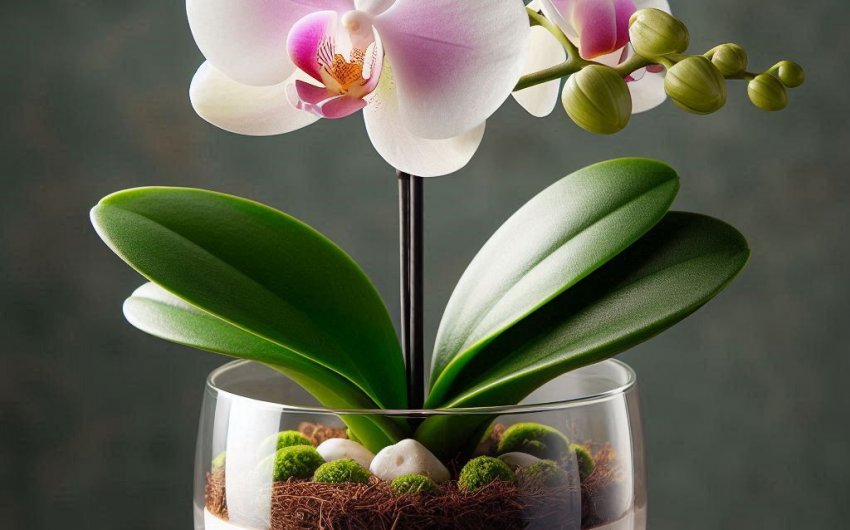
The Phalaenopsis orchid, often affectionately called the "Moth Orchid," has captivated plant lovers worldwide with its ethereal beauty and surprisingly long-lasting blooms. Once seen as a plant for expert growers only, the Phalaenopsis orchid has emerged as the perfect entry point into the enchanting world of orchids, proving that even beginners can keep these tropical beauties thriving and re-blooming year after year.
If you've recently brought home a stunning Phalaenopsis or are contemplating adding one to your collection, you're in the right place! This comprehensive guide will answer the essential question: How do you care for a Phalaenopsis orchid? We'll break down everything from understanding its unique needs as an epiphyte to mastering light, water, potting, and re-blooming techniques. Get ready to transform your home with the enduring elegance of the Phalaenopsis orchid!
Understanding Your Phalaenopsis Orchid: An Epiphyte's Unique Needs
To truly succeed with a Phalaenopsis orchid, it's crucial to understand its natural habitat. Unlike most houseplants that grow in traditional soil, Phalaenopsis orchids are epiphytes.
What is an Epiphyte and Why Does It Matter?
- Epiphytes are plants that grow on other plants (like trees) for support, but they are not parasitic. They get their moisture primarily from the air (humidity), rainfall, and nutrients from decaying organic matter that collects on tree bark. They do not draw nutrients from their host tree.
- Key Care Implications: This tells us that Phalaenopsis orchids absolutely require:
- Excellent Air Circulation: Especially around their roots.
- Well-Draining Media: They cannot tolerate traditional soggy potting soil.
- High Humidity: Mimicking their tropical rainforest environment.
- Bright, Indirect Light: They thrive under the dappled light of a tree canopy, not direct scorching sun.
Key Characteristics of a Phalaenopsis Orchid:
- Blooms: Known for their elegant, often moth-like flowers on long, arching spikes. Blooms can last for weeks to several months and come in a vast array of colors and patterns (white, pink, purple, yellow, striped, spotted).
- Leaves: Broad, thick, fleshy, dark green leaves that grow in a basal rosette (a circular arrangement at the base).
- Roots: Thick, silvery-green aerial roots that often grow outside the pot. These roots have a specialized outer layer (velamen) that quickly absorbs moisture. They turn bright green when wet.
- Growth Habit: Monopodial, meaning they grow upward from a single stem, producing new leaves from the crown.
Essential Care Elements for a Thriving Phalaenopsis Orchid
Providing the right conditions is the fundamental secret to getting your Phalaenopsis to not just survive, but truly flourish and re-bloom.
1. Light: The Right Glow is Key!
Light is arguably the most crucial factor for Phalaenopsis orchid health, growth, and particularly for encouraging re-blooming.
- Ideal Light: They thrive in bright, indirect light. Think of the dappled light of a rainforest floor or under the tree canopy.
- Window Placement: An east-facing window is often considered ideal, providing gentle morning sun without the intensity of afternoon rays. A north-facing window can work but might be too dim for consistent re-blooming. A few feet away from a south or west-facing window (where light is filtered by sheer curtains or other plants) can also be suitable.
- Signs of Too Little Light: If your orchid isn't blooming, its leaves are very dark green (but healthy), or new growth is slow/small, it might need more light.
- Signs of Too Much Light: Yellowing leaves, bleached spots (sunburn), or red/purple tinges on leaves indicate too much direct sun.
- Supplemental Lighting: If natural light in your home is limited (especially in winter), an LED grow light can provide the necessary intensity for 12-14 hours a day to support growth and re-blooming.
2. Watering: The Art of "Less is More"
Overwatering is the #1 killer of Phalaenopsis orchids (and most orchids!). Remember their epiphytic nature: their roots need air.
- When to Water: The golden rule is: Only water when the potting media is nearly dry. Do not water on a schedule (e.g., "every Sunday"). Frequency depends on your home's humidity, light levels, temperature, and the type of potting media. It could be every 7-10 days, every two weeks, or even longer.
- How to Check Moisture:
- Weight Test: Lift the pot. A dry pot (especially with bark media) will feel significantly lighter than a freshly watered one.
- Finger Test: Stick your finger 1-2 inches deep into the potting media. If it feels dry, it's time.
- Root Color: Healthy, well-hydrated roots are plump and bright green. Dry roots are silvery-gray. After watering, they should turn vibrant green. If they stay green for too long, you're likely overwatering.
- How to Water (Soak Method Recommended):
- Place the pot (with excellent drainage holes!) in a sink or tub.
- Pour room-temperature water through the media for a minute or two until it runs freely from the bottom.
- Alternatively, let the pot sit in a few inches of water for 15-20 minutes to absorb moisture from the bottom up.
- Crucially: Allow All Excess Water to Drain Completely. Never let an orchid sit in standing water, as this leads to root rot.
- Water Type: Ideally, use filtered water, distilled water, or collected rainwater. Orchids can be sensitive to chemicals (like chlorine) and mineral salts (from hard tap water) which can build up in the potting media and harm roots over time.
3. Humidity: Recreating the Rainforest Feel
Phalaenopsis orchids naturally thrive in the high humidity of tropical rainforests.
- Ideal Humidity: They prefer 50-70% humidity. Most indoor home environments are much drier, especially in winter with heating/cooling systems.
- How to Increase Humidity (Effective Methods):
- Humidifier: The most effective way is to use a room humidifier near your orchid.
- Pebble Tray: Place the pot on a pebble tray (a saucer or tray filled with pebbles and a shallow layer of water, ensuring the pot doesn't sit directly in the water). As the water evaporates, it increases humidity directly around the plant.
- Group Plants: Grouping your orchid with other houseplants can create a small microclimate with higher humidity.
- Avoid Misting: Misting leaves does little to raise ambient humidity effectively and can encourage bacterial or fungal spots on leaves, especially if airflow is poor.
4. Potting Media & Repotting: The Right Roots for the Right Stuff!
Phalaenopsis orchids absolutely do not grow in traditional potting soil. Their roots need air!
- Media Types: They require a coarse, airy potting media that allows for excellent drainage and airflow around their roots.
- Orchid Bark Mix (typically fir bark): This is the most common and widely recommended media. It drains quickly and provides good aeration.
- Sphagnum Moss: Retains more moisture than bark, which can be good if you tend to underwater, live in a very dry climate, or for smaller orchids. However, it's easier to overwater in moss.
- Charcoal, Perlite, Coconut Husk Chips: Often mixed into bark or moss blends to improve drainage and aeration.
- Pots: Always use pots with ample drainage holes. Clear plastic orchid pots are highly recommended because they allow you to easily see the roots, which helps you gauge moisture levels. Outer decorative pots (cachepots) are fine, as long as the orchid's inner pot can drain fully into it, and you dump out any excess water.
- Repotting: Orchids typically need repotting every 1-2 years, or when the media breaks down (looks mushy, holds too much water, or starts to smell "sour") or the plant becomes significantly root-bound.
- Timing: The best time to repot is after the blooms have faded and new root growth (green tips on roots) is emerging.
- Process: Gently remove the orchid from its old pot. Carefully remove all old, broken-down media. Prune away any dead, mushy, or completely dried-up roots with clean, sterilized pruning shears. Place the orchid in the new (or cleaned old) pot and carefully fill with fresh, new media, gently tucking it around the roots.
5. Fertilizing: "Weakly, Weekly"
Orchids are light feeders. It's better to under-fertilize than over-fertilize.
- Frequency: During the active growing season (typically spring and summer), fertilize weekly to bi-weekly with a very dilute liquid orchid fertilizer (quarter to half strength).
- "Flush" Regularly: Every 3-4 weeks, skip the fertilizer application and just water thoroughly with plain water to flush out any accumulated mineral salts from the media. This prevents root burn.
- Reduce/Stop in Winter: Reduce or stop fertilizer application entirely in winter when the plant's growth naturally slows down.
6. Air Circulation: Keep it Moving!
- Avoid Stagnant Air: Good airflow around your Phalaenopsis orchid is crucial. It helps dry out the potting media between waterings (preventing root rot) and discourages fungal diseases on leaves.
- Ventilation: Ensure your orchid isn't in a completely stagnant corner. A gentle breeze from an open window or a small fan can be beneficial.
7. Temperature: Stable and Warm
- Ideal Range: Phalaenopsis orchids prefer stable, warm temperatures, ideally between 65-80°F (18-27°C) during the day and slightly cooler at night (60-70°F / 15-21°C).
- Avoid Extremes: Protect them from sudden cold drafts (from open windows in winter, AC vents) or extreme heat.
Encouraging Your Phalaenopsis Orchid to Re-bloom
Getting your Phalaenopsis to re-bloom is the ultimate reward for good care.
1. The Temperature Drop Trick (The Most Common Trigger!)
- Cooler Nights: After the initial blooms fade (usually in late fall or early winter), provide a period of cooler night temperatures (55-65°F / 13-18°C) for 3-4 weeks. Day temperatures can remain normal. This slight difference often acts as a trigger for flower spike formation.
- Placement: A cooler room, or near a slightly open (but not freezing cold) window at night, can help.
2. Adequate Light (Essential for Energy)
- Bright, Indirect Light: As mentioned, sufficient light is non-negotiable for Phalaenopsis to produce enough energy to re-bloom.
3. Consistent Care
- Healthy Plant First: A healthy, well-cared-for orchid with robust roots and leaves is much more likely to re-bloom. A stressed plant will put energy into survival, not flowers.
4. What to Do with the Old Flower Spike?
After the flowers fade, inspect the spike.
- Option 1 (For Potential Quick Re-bloom): If the spike is still green, locate a dormant node (a small swollen bump) about 2-3 nodes up from the base of the plant. Cut the spike just above this node. This may encourage a new, smaller spike to emerge from that node, leading to quicker (but often fewer) flowers.
- Option 2 (For Stronger Future Spikes): If the spike is turning brown or has no viable nodes, cut the entire spike off near the base. This encourages the plant to put energy into growing a completely new, stronger spike from the crown next season.
Troubleshooting Common Phalaenopsis Orchid Problems
Even with good care, issues can arise. Here's how to diagnose and fix them.
1. Yellowing Leaves
- Cause: Often too much direct sun (bleached yellow), overwatering/root rot (soggy yellow), or natural aging and shedding of lower, older leaves.
- Solution: Adjust light, check watering/roots, or accept natural leaf drop.
2. Wrinkled Leaves
- Cause: Usually severe underwatering (plant is dehydrated and roots are dry) or root rot (damaged roots can't absorb water even if media is wet).
- Solution: Check roots. If healthy and dry, water thoroughly. If mushy, prune rot and repot.
3. Mushy, Black Roots
- Cause: Overwatering or constantly soggy potting media. This is root rot.
- Solution: This is serious. Unpot immediately. Prune all affected roots. Repot in fresh, dry media. Delay watering for several days.
4. No Blooms
- Cause: Insufficient light (most common), no cool night temperature drop, or the plant is too young/stressed.
- Solution: Optimize light, provide temperature fluctuations, ensure consistent care.
5. Pests (Mealybugs, Scale, Spider Mites)
- Symptoms: Sticky residue, white cottony masses, tiny webs, or visible tiny insects.
- Solution: Isolate. Wipe visible pests with rubbing alcohol. Spray with neem oil spray for orchids or insecticidal soap (test first). Repeat treatments are essential.
By understanding the unique needs of the Phalaenopsis orchid as an epiphyte and applying these detailed care and re-blooming tips, you'll soon be enjoying its elegant blooms not just once, but year after year. Welcome to the wonderful world of orchid keeping!