
Why a Garden Trellis is More Than Just Decorative?
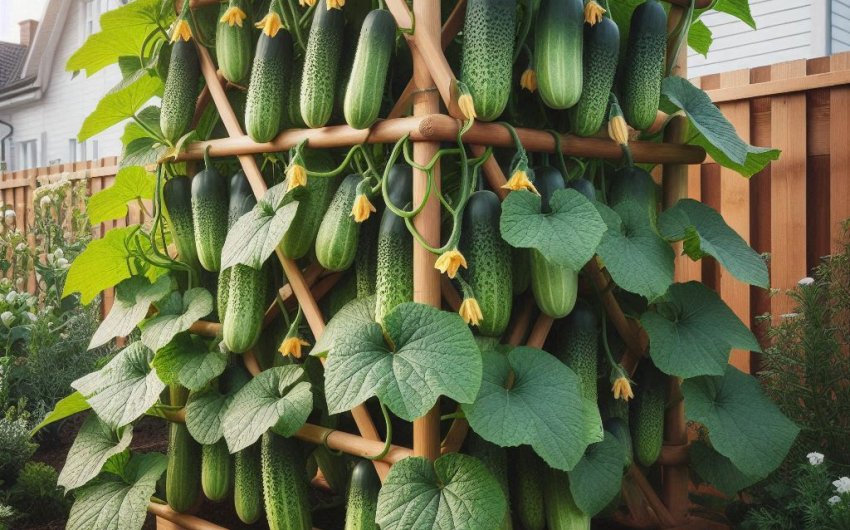
A garden trellis is far more than just a decorative element; it serves crucial functional purposes by providing vertical support for climbing plants, maximizing growing space, improving plant health, and making harvesting easier. Its utility extends well beyond aesthetics, boosting productivity in any garden.
How Does a Garden Trellis Support Plant Growth?
The primary functional role of a garden trellis is to provide essential physical support for vining and climbing plants. Without a trellis, these plants would sprawl across the ground, leading to numerous problems.
Physical Support for Vining Plants
Many popular garden plants, from vegetables to flowering vines, have a natural tendency to climb. They use various mechanisms, such as tendrils, twining stems, or adhesive roots, to grip onto structures and grow upwards. A trellis offers them the necessary framework to fulfill this growth habit.
- Tendril Climbers: Plants like peas, cucumbers, and grapes produce slender tendrils that wrap around thin supports. A trellis with a mesh or grid pattern (like a Garden Netting Trellis) gives these tendrils plenty to grab onto.
- Twining Climbers: Beans, morning glories, and some types of clematis have stems that literally coil or twine around a support as they grow. Sturdy poles, obelisks, or a simple Wooden Garden Trellis provide the upright structure they need.
- Scramblers/Leaners: Some plants, like certain roses or determinate tomatoes, don't truly "climb" but benefit greatly from leaning on a support to prevent sprawling. A trellis provides stable structure for these plants.
Without a trellis, these plants would either collapse under their own weight or spread out, taking up valuable ground space and becoming more susceptible to disease.
Keeping Plants Off the Ground
One of the most significant benefits of using a garden trellis is elevating plants off the soil surface. This single action addresses several common gardening challenges.
- Prevents Fruit Rot: When fruits like melons, squash, or tomatoes sit directly on damp soil, they are highly prone to rot and fungal diseases. A trellis lifts them into the air, allowing for better air circulation and keeping them dry.
- Reduces Pest Access: Many ground-dwelling pests (slugs, snails, certain insects) have easier access to plants and fruits that are sprawling on the ground. Elevating the plants on a trellis creates a physical barrier, making them harder for some pests to reach.
- Cleaner Harvest: Fruits and vegetables grown off the ground are cleaner and easier to pick, free from soil splashes and mud.
How Does a Garden Trellis Maximize Garden Space?
For gardeners with limited space, a garden trellis is an invaluable tool for significantly increasing planting capacity without expanding the physical footprint of the garden.
Vertical Gardening
Trellises are the cornerstone of vertical gardening, a method that involves growing plants upwards rather than outwards. This allows you to produce more food or flowers in a smaller area.
- Small Yards and Balconies: In urban environments, small yards, patios, or balconies often lack horizontal space. A trellis transforms a tiny footprint into a productive vertical growing wall. You can grow climbing cucumbers, pole beans, or even mini-pumpkins up a trellis against a wall or fence.
- Raised Beds: Trellises are perfect for maximizing the yield from raised beds. Instead of your squash taking over the entire bed, it can climb up a trellis, leaving space below for other crops.
- Increased Yields: By growing vertically, plants get more access to sunlight and air, often leading to healthier plants and higher yields per square foot compared to ground-level sprawling.
Space-Saving Solutions
- Narrow Garden Beds: A trellis allows you to plant vining crops in narrow beds that would otherwise be impractical for sprawling plants.
- Along Fences and Walls: Utilize existing structures like fences or shed walls by attaching trellises to them, turning otherwise unused vertical space into productive garden areas. A Wall-Mounted Trellis is perfect for this.
- Container Gardening: Many trellises are designed to be used with large containers, allowing you to grow climbing vegetables or flowering vines even if you don't have an in-ground garden.
How Does a Garden Trellis Improve Plant Health?
Beyond just physical support, a garden trellis contributes significantly to the overall health and vigor of your plants. This is due to improved environmental conditions around the plants.
Enhanced Air Circulation
When plants sprawl on the ground, their leaves are often packed tightly together, creating dense canopies that trap moisture and restrict airflow.
- Reduced Fungal Diseases: Lifting plants onto a trellis allows air to circulate freely around the foliage. This increased airflow helps leaves dry out faster after rain or watering, significantly reducing the likelihood of fungal diseases such as powdery mildew, blight, and rust, which thrive in damp, stagnant conditions.
- Pest Control: Better air circulation can also make the environment less appealing to some pests that prefer humid, sheltered conditions. It also makes it easier to spot and treat any pests that do appear.
Better Sunlight Exposure
Plants need sunlight for photosynthesis, the process that converts light energy into food. When plants sprawl, lower leaves and inner parts of the plant can be shaded.
- Even Ripening: Lifting fruits and vegetables onto a trellis ensures that more parts of the plant and its produce receive direct sunlight. This leads to more even ripening and often better flavor development.
- Increased Photosynthesis: More light reaching all parts of the plant means more efficient photosynthesis, leading to a stronger, healthier plant and potentially larger yields.
- Reduced Shade on Companion Plants: A trellised plant takes up less horizontal space, casting less shade on nearby companion plants that might need full sun.
Easier Management and Harvesting
- Accessibility: Plants grown on a trellis are much easier to inspect for pests, diseases, or nutrient deficiencies, as the foliage is more openly displayed.
- Effortless Harvesting: No more bending over, digging through dense foliage, or searching for hidden produce. Fruits and vegetables grown on a trellis are often at eye level or easily accessible, making harvesting a joy.
What are the Different Types of Garden Trellises?
Garden trellises come in a wide variety of materials, shapes, and sizes, each suited for different plants and aesthetic preferences. Choosing the right type depends on your plant's growth habit, your garden's style, and your budget.
Materials Used for Trellises
- Wood: Classic and natural-looking, wood trellises blend well into most garden settings. They can be painted or stained to match your decor.
- Pros: Aesthetic, sturdy (depending on construction), customizable.
- Cons: Can rot or degrade over time, may require treatment, can be heavy.
- Metal: Durable, long-lasting, and often available in intricate designs. Metal trellises can be made of steel, wrought iron, or aluminum.
- Pros: Very durable, rust-resistant (if coated or made of aluminum), can be highly decorative, good for heavy plants.
- Cons: Can get hot in direct sun, heavier, typically more expensive. A Heavy-Duty Metal Trellis is ideal for grapes or large climbing roses.
- Plastic/PVC: Lightweight, inexpensive, and often come in flexible netting or rigid panel forms.
- Pros: Very lightweight, inexpensive, rot-proof, easy to install.
- Cons: Can be less aesthetic, may degrade from UV exposure over time, not as sturdy for very heavy plants. Plastic Garden Netting is great for peas and beans.
- Bamboo: A natural, eco-friendly option, bamboo poles are strong and relatively inexpensive.
- Pros: Natural look, sustainable, lightweight, good for temporary structures.
- Cons: Can break down faster than other materials, limited shapes.
- Natural Materials (Twigs, Branches): For a rustic or cottage garden look, you can construct temporary trellises from pruned branches.
- Pros: Free, natural, biodegradable.
- Cons: Very temporary, less sturdy, inconsistent look.
Common Trellis Shapes and Structures
- Flat Panel Trellis: The most common type, a flat grid or lattice that can be freestanding or attached to a wall or fence. Excellent for cucumbers, tomatoes, and smaller vines.
- Obelisk Trellis: A pyramidal or conical structure that tapers upwards, often used as a central feature in a garden bed. Ideal for clematis, morning glories, or even small climbing roses. A Garden Obelisk Trellis adds vertical interest.
- A-Frame Trellis: Two flat panels hinged at the top, forming an "A" shape. Great for maximizing space, as plants can grow on both sides, like beans or peas.
- Arbor/Pergola: Larger, more elaborate structures that create shaded walkways or entrances. Perfect for very vigorous vines like wisteria, climbing roses, or grapes.
- Stake or Cage Trellis: Often used for indeterminate tomatoes, these support structures can be simple stakes or more elaborate cages. A Tomato Cage is a familiar sight in vegetable gardens.
- Netting/Mesh Trellis: Flexible netting (plastic or natural fiber) stretched between posts or a frame. Very versatile for peas, beans, and cucumbers.
Choosing the right type of trellis requires considering the mature size and weight of your climbing plant, as well as the overall aesthetic of your garden.
How to Choose the Right Trellis for Your Plants?
Selecting the appropriate trellis is crucial for your plants' success. A mismatch can lead to damaged plants, collapsing structures, or ineffective support. Consider the plant's growth habit, mature size, and weight.
Matching Trellis to Plant Type
- Lightweight Climbers (e.g., Peas, Bush Beans, Morning Glories, Sweet Peas): These plants have delicate tendrils or slender stems.
- Best Trellis Types: Garden netting, lightweight bamboo stakes (in a teepee shape), thin wire mesh, or small obelisks. The openings in the trellis should be small enough for tendrils to grip.
- Medium-Weight Climbers (e.g., Cucumbers, Pole Beans, Small Melons, Nasturtiums): These produce more foliage and moderate-sized fruits.
- Best Trellis Types: Sturdy plastic or metal netting, cattle panels, A-frame trellises, stronger bamboo poles, or medium-gauge wire mesh. Ensure the structure is anchored well.
- Heavyweight Climbers (e.g., Large Tomatoes (Indeterminate), Winter Squash, Small Pumpkins, Grapes, Kiwi, Vigorous Roses): These plants produce abundant foliage and heavy fruits, requiring very robust support.
- Best Trellis Types: Heavy-duty metal trellises (wrought iron, thick steel rebar), cattle panels, sturdy wooden arbors or pergolas, or custom-built structures with thick lumber. Consider supplemental support for individual fruits (like slings for melons). A Sturdy Garden Arch can support heavy flowering vines.
Size and Height Considerations
- Mature Plant Height: Research how tall your chosen plant typically grows. Your trellis should be at least as tall as the plant's expected mature height, ideally a foot or two taller to allow for continued growth and easy access at the top.
- Width: Ensure the trellis is wide enough to accommodate the plant's spread. Some plants, like indeterminate tomatoes, can get quite wide.
- Spacing: If you're planting multiple vining plants, ensure your trellises are spaced far enough apart to allow for air circulation and light penetration once the plants are mature.
Installation and Stability
- Anchoring: Any trellis supporting plants should be securely anchored to the ground or to a sturdy existing structure (like a fence or wall). Wind and the weight of the plants can cause poorly anchored trellises to fall over.
- Material Strength: Choose materials strong enough to bear the weight of the mature plant, especially if it's a heavy fruiting vine.
- Maintenance: Consider the longevity of the material. Wood may need sealing, and some metals can rust if not properly treated.
By carefully matching your trellis to your plants' needs, you'll provide the optimal support for healthy growth and bountiful harvests, demonstrating that a garden trellis truly is more than just decorative.