
Why is my jade plant dropping leaves?
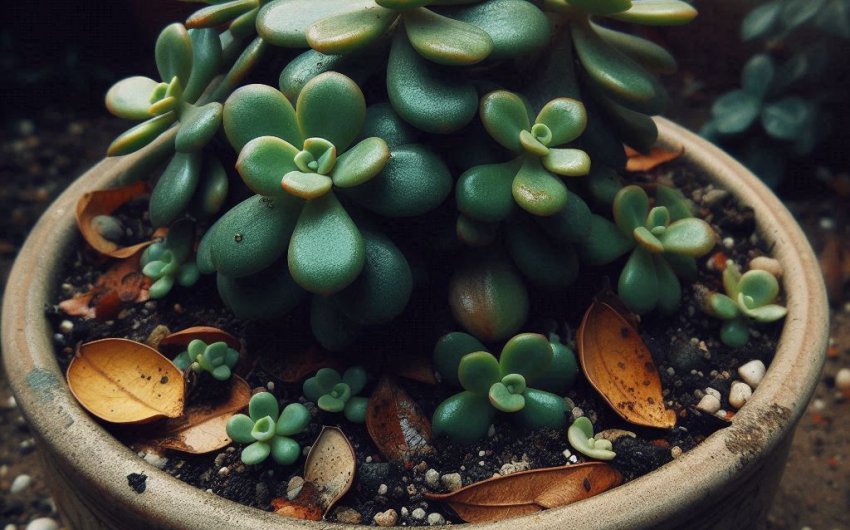
Your Jade plant (known scientifically as Crassula ovata) is a true classic. With its thick, shiny, oval leaves and sturdy, tree-like stems, it's a popular choice for good reason. Jades are often seen as symbols of good luck and prosperity, and they can live for many, many years, even decades, becoming beautiful, sculptural plants. But then you notice it: some of those plump, green leaves are starting to fall off, seemingly for no reason. It can be concerning, making you wonder what's going wrong. Don't worry! While a little leaf drop can be normal, a lot of it usually signals that your Jade plant is trying to tell you something about its care. Let’s figure out why your Jade plant might be losing its leaves and how you can help it get back to its happy, healthy self.
Why Are My Jade Plant Leaves Falling Off?
Jade plants are succulents, meaning they store water in their leaves and stems. This makes them incredibly drought-tolerant but very sensitive to too much moisture. Most problems, including leaf drop, often go back to watering.
Is It Due to Overwatering?
This is, by far, the most common reason for a Jade plant dropping leaves. Jade plants hate sitting in soggy soil. If the roots are constantly wet, they can’t breathe, which leads to root rot. When roots rot, they can't take up water and nutrients properly, and the plant essentially "drowns" or starves. As a result, the leaves will absorb too much water, become mushy, turn yellow, and then fall off easily with just a slight touch.
How to tell if it's overwatering:
- The soil stays wet for a long time after watering.
- The leaves that drop are often yellow, swollen, soft, or mushy.
- The stem near the soil line might feel soft or look discolored (dark brown/black).
- Leaves drop with just a gentle bump or touch.
- The pot might feel heavier than usual due to water retention.
Could It Be Underwatering?
While less common to cause extensive dropping, underwatering can also lead to leaf loss. If your Jade plant doesn't get enough water for a long time, its leaves will start to shrivel as the plant uses up its stored moisture. Eventually, these shriveled leaves will dry out, turn brown, and fall off. The plant is essentially shedding parts to conserve water and survive.
How to tell if it's underwatering:
- The soil is bone dry and hard.
- The leaves that drop are typically shriveled, thin, dry, and crispy.
- The remaining leaves on the plant might also look wrinkled or deflated.
- The plant might look overall dull and unhealthy.
What About Not Enough Light?
Jade plants are sun-lovers. They need plenty of bright light to thrive. If your plant isn't getting enough light, especially direct sunlight, it can become weak, leggy (stretched out), and start shedding leaves. The plant might drop older leaves to conserve energy when light is scarce.
How to tell if it's not enough light:
- The stems look stretched out with large gaps between leaves (etiolation).
- New leaves are smaller and paler than older ones.
- The plant grows unevenly, reaching towards a light source.
- The leaves might be a uniform pale green, without any reddish blush on the edges that Jades often get in bright light.
Can Sudden Temperature Changes Cause Leaf Drop?
Yes, Jade plants are sensitive to sudden changes in temperature, especially cold drafts. They are tropical succulents and prefer consistent, warm temperatures. If your plant is exposed to a sudden drop in temperature, cold air from a window, or even a very strong air conditioning vent, it can cause stress, leading to leaves yellowing and dropping.
How to tell if it's temperature stress:
- Leaf drop occurs suddenly after a temperature change (e.g., moving plant, opening a window in winter).
- Leaves might turn black or brown rapidly from frost damage.
Is It a Normal Part of Aging?
Just like any living thing, Jade plants naturally shed old leaves. As the plant grows and the stem becomes woody, the very lowest, oldest leaves on the stem will yellow, shrivel slightly, and eventually fall off. This is perfectly normal and nothing to worry about if it's just a few leaves at a time and the rest of the plant looks healthy and is actively growing.
How to tell if it's normal aging:
- Only the very oldest, lowest leaves are dropping.
- The rest of the plant looks vibrant, is putting out new growth, and shows no other signs of stress.
- The leaves drop one by one, not in large quantities suddenly.
What About Pests or Diseases?
While less common than watering issues, pests like mealybugs or scale insects can weaken your Jade plant and lead to leaf drop. They suck sap from the leaves, causing them to yellow, shrivel, and fall off. Fungal diseases, often linked to overwatering, can also cause problems.
How to tell if it's pests or disease:
- Look closely for white, cottony masses (mealybugs) or small, brown, scale-like bumps (scale) on the leaves and stems.
- Sticky residue (honeydew) might be present on leaves or surfaces below the plant.
- Unusual spots, lesions, or mold growth on stems or leaves could indicate disease.
Is Nutrient Deficiency a Factor?
Jade plants are not heavy feeders, so nutrient deficiency is less common, especially if you're using fresh potting mix. However, if your plant has been in the same soil for many years without repotting or fertilizing, a lack of essential nutrients can sometimes contribute to overall poor health and leaf yellowing/drop.
How to tell if it's nutrient deficiency:
- General slow growth and pale leaves, not just old ones.
- No other clear signs of over/underwatering or pests.
How Can I Stop My Jade Plant from Dropping Leaves?
Once you've figured out the likely cause, fixing the problem usually involves adjusting your care routine.
How Do I Water My Jade Plant Correctly?
This is the most critical adjustment for most leaf drop issues.
- The "Soak and Dry" Method: This is the golden rule for Jades.
- Check the soil: Only water when the soil is completely dry. Stick your finger 2-3 inches deep. If it feels dry, it's time. For larger pots, wait until the soil is dry even deeper. You can also use a soil moisture meter.
- Water thoroughly: When it's time to water, water deeply and slowly until water flows freely out of the drainage holes. This ensures all the roots get a drink.
- Drainage is key: Never let your Jade plant sit in standing water. Empty any excess water from the saucer after about 15-30 minutes.
- Adjust for Seasons: Your Jade will need significantly less water in fall and winter when light levels are lower and it's in a period of slower growth. In summer, with more light and warmth, it will need more frequent watering.
- If you suspect overwatering: Unpot the plant. Gently remove any soggy soil and check the roots for rot (mushy, black roots). Cut off any rotten parts with a sterile knife. Let the plant air dry for a few days to a week to allow cuts to callous. Repot in fresh, dry, well-draining succulent soil. Do not water for at least a week after repotting.
Where Is the Best Place for Light?
Jade plants need a lot of bright light, preferably with some direct sun.
- Best Window: A south-facing window is usually ideal in the Northern Hemisphere, providing the most intense and prolonged light.
- Alternative Spots: A bright west-facing window can also work, but be cautious of intense afternoon sun in summer, which might cause scorching if the plant isn't used to it. East-facing windows offer good morning sun, but might not be enough light to prevent legginess. North-facing windows are almost always too dim for Jades.
- Rotate: Rotate your plant every few weeks to ensure all sides get even light exposure and prevent it from growing unevenly towards the window.
- Use Grow Lights: If your home doesn't offer enough natural light, especially in winter, consider supplementing with a full-spectrum LED grow light. Position it 6-12 inches above the plant for 12-16 hours a day. A Barrina T5 grow light or a GE grow light bulb can make a huge difference.
What Kind of Soil and Pot Should I Use?
The right potting mix and pot are just as vital as watering technique for preventing root rot.
- Soil: Use a fast-draining cactus and succulent potting mix. This kind of soil is specifically designed to prevent waterlogging. You can further improve drainage by mixing in extra perlite or pumice. A good Miracle-Gro Succulent Potting Mix is a great base.
- Pot: Always use a pot with a drainage hole! Terracotta pots are highly recommended because they are porous and allow the soil to dry out faster, which is excellent for Jade plants. A small terracotta pot is often ideal.
How Do I Regulate Temperature?
Try to keep your Jade plant in an environment with consistent temperatures, ideally between 65-80°F (18-27°C) during the day.
- Avoid Drafts: Keep it away from cold windows in winter, or direct blasts from air conditioners or heating vents.
- Acclimatize Outdoor Moves: If you move your Jade plant outdoors for the summer (which they often love!), do so gradually over a week or two, exposing it to increasing amounts of sun and temperature changes to prevent shock and sunburn. Bring it back indoors before nighttime temperatures drop below 50°F (10°C).
When Should I Fertilize My Jade Plant?
Jade plants are not heavy feeders. Over-fertilizing can also lead to leaf drop due to salt buildup.
- Frequency: Fertilize very sparingly, no more than once or twice during the spring and summer growing season.
- Type: Use a balanced liquid succulent fertilizer or a general houseplant fertilizer diluted to half or even quarter strength. Always apply to moist soil, never dry.
How Do I Handle Pests?
If you spot pests like mealybugs (white, cottony masses) or scale (small, brown bumps), act quickly:
- Isolation: Immediately move the affected plant away from other plants.
- Manual Removal: Use a cotton swab dipped in rubbing alcohol to wipe off visible pests.
- Treatment: For larger infestations, use an insecticidal soap for plants or neem oil spray by following the product instructions carefully.
By carefully observing your Jade plant and making these adjustments to its watering, light, soil, and environment, you can help it recover from leaf drop and continue to grow into a beautiful, resilient houseplant. Patience and consistency are key to its long-term health.