
What’s the best way to water an indoor Haworthia?
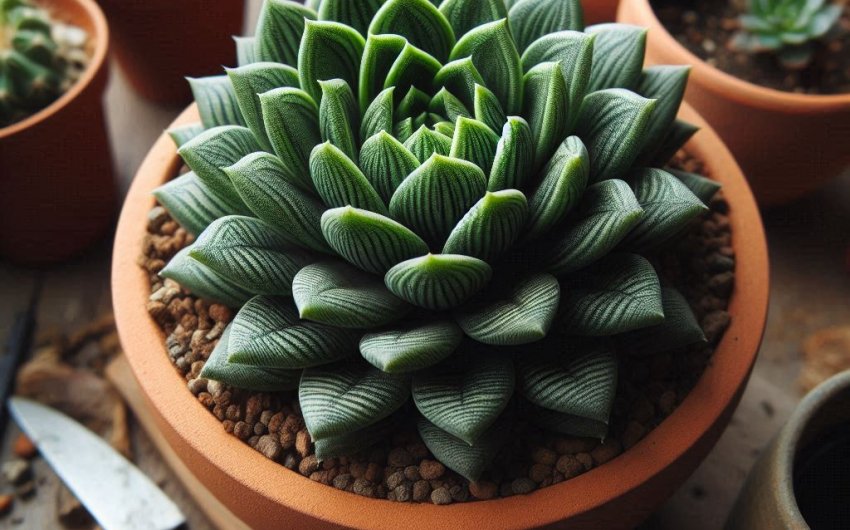
You’ve got a Haworthia! Good choice. These small, often spiky or window-leaved succulents are absolutely fascinating. From the zebra-striped Haworthia fasciata to the translucent-tipped Haworthia cooperi, they bring a unique texture and subtle beauty to any plant collection. Haworthias are famously low-maintenance, making them perfect for beginners or those with busy lives. However, like all succulents, their biggest vulnerability lies in watering. Get it wrong, and you risk losing your precious plant to rot. But get it right, and your Haworthia will thrive for years. So, what’s the best way to water your indoor Haworthia? Let's uncover the secrets.
Why Is Watering Haworthias So Important?
Haworthias are native to the arid (dry) regions of Southern Africa. They've evolved to store water in their thick, fleshy leaves and roots to survive long periods of drought. This means they absolutely hate having "wet feet."
What is Root Rot and Why Is It Bad for Haworthias?
Root rot is the ultimate enemy of the Haworthia. It happens when the roots sit in soggy, poorly draining soil for too long. In waterlogged conditions, the roots are deprived of oxygen and begin to decompose. Once the roots rot, they can no longer absorb water or nutrients, and the decay can quickly spread up into the rest of the plant, turning it to mush. Root rot is notoriously difficult to reverse, often proving fatal for the plant. Proper watering is the best defense against this common succulent killer.
How Does Water Storage Work in Haworthias?
That's why their leaves are so thick and plump! Like other succulents, Haworthias are masters of water storage. Their leaves act like tiny reservoirs, holding onto precious moisture for when times get tough (i.e., dry). This adaptation means they can go for long periods without water. It also means they are very sensitive to overwatering because they simply don't need or want a constant supply of moisture. Their internal storage system does the heavy lifting.
Why Is Good Drainage Essential for Haworthias?
This ties directly into preventing root rot. No matter how carefully you water, if your pot and soil don't allow water to drain away quickly, your Haworthia will eventually suffer. Good drainage ensures that excess water flows out of the pot promptly, preventing the roots from sitting in standing water. It allows air to reach the roots, which is just as important as water.
When Should I Water My Indoor Haworthia?
The golden rule for watering Haworthias (and most succulents) is: when the soil is completely dry. This is the most crucial piece of advice you’ll get.
How Do I Know When the Soil Is Completely Dry?
Don't just look at the top of the soil. The surface might look dry, but the soil deeper down could still be damp.
- The Finger Test: Stick your finger about 2-3 inches (5-7.5 cm) deep into the soil. If it feels dry to the touch, it's probably safe to water. If it still feels damp or cool, wait a few more days.
- The Skewer/Chopstick Test: For deeper pots, insert a wooden skewer or chopstick all the way to the bottom. Leave it for a few minutes. When you pull it out, if it feels damp or has soil clinging to it, the soil is still wet. If it comes out clean and dry, it's watering time!
- Pot Weight Test: Once you get to know your plant, you can lift the pot when it's just been watered (it will be heavy) and again when it's completely dry (it will be surprisingly light). This is a great way to gauge moisture levels.
- Soil Moisture Meter: For extra precision, a soil moisture meter can give you a clear reading of moisture levels at various depths.
Should I Water on a Schedule (e.g., Every 2 Weeks)?
No, absolutely not. Watering on a strict schedule is a common mistake for succulent owners. The frequency of watering depends on many factors that change constantly:
- Season: Plants need less water in winter (dormant period).
- Temperature: Warmer temperatures mean faster drying soil.
- Humidity: Higher humidity means slower drying soil.
- Light levels: More light means faster water usage by the plant.
- Pot material: Terracotta dries faster than plastic.
- Pot size: Smaller pots dry faster than larger ones.
- Soil type: Fast-draining soil dries faster than dense soil.
Always check the soil before you water, rather than following a rigid schedule.
What are Signs My Haworthia Needs Water?
Your Haworthia will give you subtle clues when it's thirsty.
- Leaves feel softer or slightly pliable: Healthy Haworthia leaves are firm and plump. If they feel a little soft or squishy (but not mushy and translucent from rot), it could be thirst.
- Leaves look slightly wrinkled or deflated: This is especially noticeable on the "window" varieties like H. cooperi. The plumpness of the leaves will decrease.
- Slight color change: Some Haworthias might show a very slight dullness or even a bit of reddish tint when extremely thirsty, though this is less common than with Echeverias.
- No other signs of rot: Crucially, if you see these signs, ensure there are no other symptoms of overwatering (like mushy base or black spots) before you water.
How Do I Water My Haworthia Properly?
Once you’ve determined it’s time to water, how you deliver that water is just as important as when.
Should I Use Top Watering or Bottom Watering?
Both top watering and bottom watering can work for Haworthias, but many succulent enthusiasts prefer bottom watering.
- Top Watering:
- Method: Pour water directly onto the soil surface, around the base of the plant, until water drains freely from the bottom of the pot.
- Pros: Simple and quick. Helps flush out accumulated salts from the topsoil.
- Cons: Can cause water to sit in the leaf rosette, leading to rot if it doesn't dry quickly (especially on dense varieties). Can wash away top dressing.
- Bottom Watering:
- Method: Place your Haworthia pot (which must have drainage holes!) into a tray or bowl of water. Let the plant sit in the water for 15-30 minutes, or until the top of the soil appears damp. The plant wicks water up from the bottom.
- Pros: Encourages deeper root growth. Prevents water from sitting in the rosette. Less disturbance to the topsoil.
- Cons: Takes longer. Doesn't flush out salts from the topsoil as effectively (so occasionally top water if you bottom water regularly).
Whichever method you choose, always allow the pot to drain completely afterward. Never leave your Haworthia sitting in a saucer of drained water.
How Much Water Should I Give My Haworthia?
When you water, water thoroughly! This means soaking the soil until water runs freely out of the drainage holes. The goal is to rehydrate all the roots. Giving small sips of water can encourage shallow root growth, making the plant less resilient during dry periods.
What Kind of Water Is Best?
Most tap water is fine for Haworthias. If your tap water is very hard (high in minerals like calcium and magnesium), you might notice white mineral deposits on the pot or soil over time. This isn't usually harmful, but if you're concerned, you can use filtered water, distilled water, or rainwater. Just avoid softened water, which often contains high levels of sodium that can be detrimental to plants.
What Potting Mix and Pot Are Best for Haworthias?
Even perfect watering won't save your Haworthia if the soil and pot aren't set up for success.
What Kind of Soil Does a Haworthia Need?
This is just as important as watering frequency. Haworthias need a fast-draining, gritty soil mix. Standard potting soil holds too much moisture and is a recipe for root rot.
- Cactus and Succulent Potting Mix: Start with a good quality cactus and succulent potting mix.
- Add amendments: To make it even grittier and faster draining, mix in extra components like:
- Perlite: A lightweight, porous material that improves drainage and aeration.
- Pumice: Another volcanic rock, similar to perlite but heavier, also excellent for drainage.
- Coarse sand: Not play sand or builders' sand, which can compact. Look for horticultural sand.
- Small gravel or grit: Adds weight and ensures good drainage.
A good mix might be 50-60% inorganic materials (perlite, pumice, grit) and 40-50% organic material (cactus/succulent potting mix).
What Type of Pot Is Ideal for Haworthias?
The pot material and presence of drainage holes are non-negotiable.
- Drainage holes: Your pot absolutely, 100% must have a drainage hole (or multiple holes!) at the bottom. Without it, excess water has nowhere to go, leading to root rot.
- Terracotta pots: These are highly recommended for Haworthias and other succulents. Terracotta is a porous material, meaning it allows air and moisture to pass through its walls. This helps the soil dry out faster between waterings, reducing the risk of rot. You can find small terracotta pots in many sizes.
- Unglazed ceramic pots: Similar benefits to terracotta.
- Avoid: Glazed ceramic pots and plastic pots hold moisture for much longer. If you use them, be extra careful with your watering frequency and ensure excellent drainage.
How Do Seasonal Changes Affect Haworthia Watering?
Your Haworthia's watering needs will change throughout the year, primarily due to temperature and light fluctuations.
Do Haworthias Go Dormant?
Yes, Haworthias have a period of dormancy or reduced growth, typically during the hottest summer months or the coldest winter months, depending on the specific species and your local climate. During dormancy, their metabolic rate slows down, and they require significantly less water.
- Summer Dormancy (common in very hot climates): If your summers are very hot (consistently above 85-90°F or 30-32°C), your Haworthia might go dormant. Growth will slow or stop, and they will need less water. Water very sparingly, or not at all, during this period.
- Winter Dormancy (common in temperate climates): For most indoor growers in temperate climates, winter is the dormant period due to shorter days and lower light. Reduce watering significantly, maybe to once a month or even less, ensuring the soil dries out completely between waterings.
How Does Light and Temperature Influence Water Needs?
- More light/higher temperatures: The soil will dry out faster, and the plant will be more active, needing more frequent watering.
- Less light/lower temperatures: The soil will dry out slower, and the plant's growth will slow down, requiring less frequent watering.
Always consider these factors when checking your soil, rather than sticking to a fixed schedule.
Troubleshooting Common Haworthia Watering Problems
Even with the best intentions, issues can arise. Here's how to identify and address them.
What if My Haworthia Is Mushy or Transparent?
This is a classic sign of overwatering and root rot. The leaves will become soft, mushy, translucent (see-through), and may turn black at the base.
- Action: Immediately unpot the plant. Gently remove all soil from the roots. Inspect the roots: healthy roots are white and firm; rotten roots are black, mushy, and might smell foul. Cut off all rotten parts with a sterile knife. Let the plant air dry for several days (up to a week or more) until any cuts have calloused over. Repot in fresh, dry, gritty succulent soil. Do not water for at least a week after repotting to allow new roots to form. Cross your fingers and be patient.
What if My Haworthia Is Wrinkled but the Soil Is Wet?
This is a tricky one, as wrinkles usually mean thirst. But if the soil is wet, it indicates root rot. The roots are too damaged to absorb water, even though it's available. Treat it as an overwatering issue (unpot, trim roots, dry, repot).
My Haworthia Is Stretching (Etiolation), What's Wrong?
While not a watering issue directly, etiolation (long, leggy growth with widely spaced leaves) is a sign of insufficient light. Your Haworthia is stretching to find more light. Move it to a brighter spot, ideally a south-facing window, or under a full-spectrum LED grow light for 12-14 hours a day.
Watering your indoor Haworthia boils down to a few simple, yet critical, rules: always prioritize proper drainage, check the soil thoroughly before watering, and err on the side of underwatering rather than overwatering. By following these guidelines, you'll ensure your fascinating Haworthia remains a vibrant, healthy, and rot-free addition to your indoor garden.