
Why Is My Lawn Soil Compacting and How to Fix It?
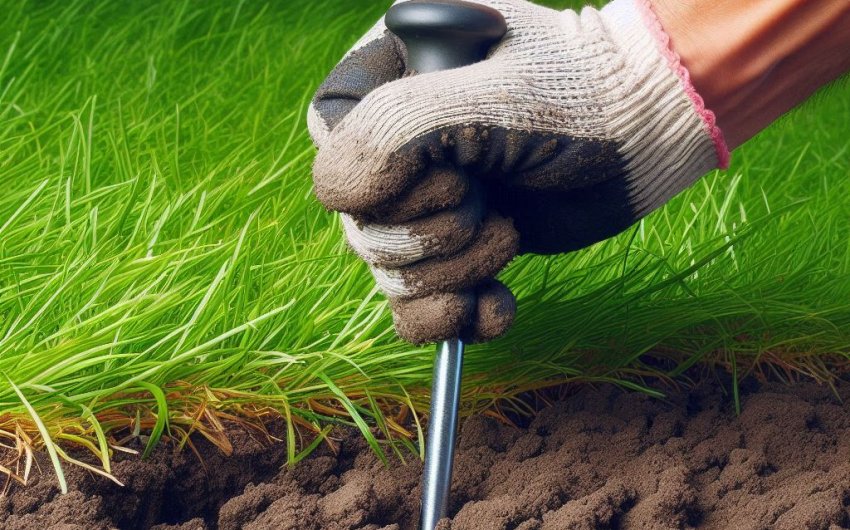
Your lawn soil compacting is primarily caused by heavy foot traffic, construction, and soil composition, leading to reduced air and water flow. To fix it, the most effective method is core aeration, combined with regular topdressing with organic matter and proper watering techniques.
Why is My Lawn Soil Compacting?
Lawn soil compacting is a common problem that can severely hinder your lawn's health and appearance. It's the process where soil particles are pressed together, reducing the spaces between them. These spaces, or pores, are absolutely vital for a healthy lawn.
What is Soil Compaction?
Imagine a sponge. It has many tiny holes that allow it to absorb water and air. Healthy soil is much like a sponge, full of pore spaces that hold:
- Air (Oxygen): Crucial for grass roots to breathe and for beneficial soil microbes to thrive.
- Water: Held in tiny films around soil particles, making it available to roots.
- Nutrients: Dissolved in water or held on soil particles, accessible to roots.
When soil compacts, these pore spaces are squeezed out. The soil becomes dense, hard, and resembles concrete more than a sponge.
Common Causes of Lawn Soil Compacting
Several factors contribute to lawn soil compacting:
- Foot Traffic: This is the most prevalent cause in home lawns. Regular walking, playing, or running on the same areas of the lawn repeatedly presses down on the soil.
- High-Traffic Areas: Pathways, play areas, and areas around mailboxes or frequently used gates are typically the first to show signs of compaction.
- Heavy Equipment and Vehicles:
- Construction: If your lawn was recently part of a construction site, heavy machinery (bulldozers, dump trucks) can cause severe deep compaction.
- Lawn Mowers: While light, repeated passes of a heavy riding lawn mower on wet soil can contribute over time.
- Soil Composition:
- High Clay Content: Clay soil particles are very small and can pack together tightly, making them inherently prone to compaction. They drain slowly and retain water, which exacerbates the problem when walked on.
- Low Organic Matter: Organic matter (decomposed plant and animal material) acts like glue and tiny sponges, creating stable soil aggregates and pore spaces. Soils poor in organic matter are more susceptible to compaction.
- Improper Watering:
- Compacted Soil & Water: If your soil is already compacted, water tends to sit on the surface, making the soil even heavier and more prone to compaction when walked on. It's a vicious cycle.
- Rainfall and Snow:
- Raindrop Impact: Heavy raindrops can pound the bare soil surface, breaking down soil aggregates and forming a crust that limits air and water penetration.
- Snow Compaction: Heavy snow loads can also contribute to compaction, especially if the ground is already wet.
Understanding these causes is the first step in diagnosing why your lawn soil compacting is occurring and selecting the most effective solutions to restore your lawn's health.
What Are the Signs of Compacted Lawn Soil?
Recognizing the signs of lawn soil compacting is crucial for early intervention. If you notice these symptoms, it's a strong indicator that your lawn is suffering from a lack of healthy pore spaces and needs attention.
Visual Clues
- Thinning or Bare Patches: Compacted areas often have sparse grass growth or completely bare spots. Grass roots struggle to penetrate the hard soil, limiting their ability to access water and nutrients.
- Stunted or Stressed Grass: Even where grass grows, it may appear weak, dull, discolored, or stunted. It often looks generally unhealthy despite adequate watering and fertilization.
- Weed Invasion: Weeds like dandelions, crabgrass, plantain, and knotweed are often the first plants to colonize compacted areas. These weeds are more tolerant of harsh, dense soil conditions where grass struggles.
- Water Pooling or Runoff: If water sits on the surface after rain or irrigation for a long time, or runs off quickly rather than soaking in, it's a clear sign of poor drainage due to compaction.
- Hard Soil Texture: The most direct sign. If you try to push a screwdriver or a tent stake into the ground, and it's extremely difficult, your soil is compacted.
Performance Indicators
- Poor Water Penetration: Even if you water for a long time, the water might not penetrate deeply, leading to shallow-rooted grass.
- Reduced Fertilizer Effectiveness: Fertilizers applied to compacted soil may not reach the roots effectively, or they might wash away with runoff, leading to wasted product and continued nutrient deficiency.
- Increased Disease Susceptibility: Weak, stressed grass in compacted soil is more vulnerable to various lawn diseases, as its natural defenses are compromised.
- Moss and Algae Growth: In areas with poor drainage and persistent surface moisture (a result of compaction), moss and algae can thrive, creating slick, unsightly patches.
- Puddles and Erosion: Heavy rain on compacted soil can lead to water pooling, and severe runoff can cause erosion, washing away topsoil.
If you observe a combination of these signs in your lawn, it's highly likely that lawn soil compacting is the underlying issue. Addressing it promptly will be key to revitalizing your turf.
What is Core Aeration and How Does It Fix Compaction?
Core aeration is the single most effective method to fix lawn soil compacting. It's a mechanical process that directly addresses the problem by physically creating new pore spaces in the soil, allowing your lawn to breathe again.
What is Core Aeration?
Core aeration involves using a specialized machine called an aerator (or core aerator) to systematically remove small plugs or "cores" of soil, thatch, and grass from your lawn. These plugs are typically 2-3 inches deep and about 1/2 inch in diameter.
How Core Aeration Works to Fix Compaction
- Relieves Pressure: By removing hundreds of small cores, the aerator immediately creates new channels in the compacted soil. This instantly relieves the pressure on the remaining soil particles, allowing them to expand and loosen.
- Improves Air Circulation: The new holes create pathways for vital oxygen to reach the grass roots. Roots need oxygen to breathe, absorb water, and take up nutrients. Without oxygen, roots suffer and die.
- Enhances Water Penetration: When water can't soak into compacted soil, it runs off. The aeration holes act as mini-funnels, allowing water (from rain or irrigation) to penetrate deeply into the root zone where it's needed, rather than evaporating or running off.
- Boosts Nutrient Uptake: With improved air and water flow, fertilizers and soil amendments can reach the roots more effectively. This means your grass can absorb and utilize nutrients efficiently, leading to stronger, healthier growth.
- Promotes Deeper Root Growth: Roots naturally grow towards air, water, and nutrients. The channels created by aeration encourage grass roots to grow deeper, making the turf more resilient to drought and stress.
- Breaks Down Thatch: While thatch (a layer of dead and living organic matter between the grass blades and the soil surface) is a separate issue, aeration helps break it down by introducing soil microorganisms into the thatch layer, speeding up decomposition.
- Reduces Puddling: By improving overall drainage, aeration significantly reduces surface puddling after rain.
Timing for Core Aeration
- Cool-Season Grasses (Kentucky Bluegrass, Fescue, Ryegrass): Best done in early fall (August to October, depending on climate) or early spring (March to May). Fall is often preferred as it allows the grass to recover during cooler, moister conditions and establish new root growth before winter.
- Warm-Season Grasses (Bermudagrass, Zoysiagrass, St. Augustine): Best done in late spring to early summer (late April to July) when the grass is actively growing and can quickly recover.
Tips for Effective Aeration
- Moisture is Key: Aerate when the soil is moist but not saturated. This allows the tines to penetrate deeply and cleanly. If the soil is too dry, it will be difficult. If too wet, it will become muddy and difficult. Water the lawn thoroughly the day before if needed.
- Leave the Plugs: Leave the soil plugs on the lawn. They will break down and return nutrients to the soil. Mowing over them can help break them up.
- Follow with Topdressing and Overseeding: After aeration is an ideal time to topdress with compost and overseed to fill in bare spots and thicken the lawn.
Core aeration is a temporary fix, as compaction can reoccur. Regular aeration (often annually or biannually for high-traffic areas) combined with good cultural practices is the long-term solution to combating lawn soil compacting. Consider renting a Gas Powered Core Aerator for larger lawns, or using a manual aerator for smaller areas.
How Can Topdressing with Organic Matter Help Compacted Soil?
Topdressing with organic matter is a powerful and sustainable way to fix and prevent lawn soil compacting. While aeration provides immediate relief, topdressing continuously improves soil structure, making it more resilient to future compaction.
What is Topdressing?
Topdressing involves spreading a thin, even layer of organic material over the surface of your lawn. This material is then allowed to filter down into the soil over time or is gently raked in.
Why Organic Matter is So Effective
Organic matter is the "glue" and the "sponge" of healthy soil. It directly combats compaction in several ways:
- Builds Soil Aggregates: Organic matter acts as a binding agent, helping tiny soil particles clump together into larger, stable structures called "aggregates." These aggregates create natural pore spaces, improving aeration and drainage.
- Improves Water Infiltration and Retention: Healthy soil with plenty of organic matter acts like a sponge. It allows water to soak in quickly (improving drainage) and then holds onto that water, making it available to roots for longer periods. This is a critical benefit for compacted soil that sheds water.
- Enhances Airflow: The stable aggregates and improved pore spaces created by organic matter directly increase the amount of air circulating within the soil profile, ensuring roots get the oxygen they need.
- Feeds Soil Microbes: Organic matter is food for a vast array of beneficial soil microorganisms (bacteria, fungi, earthworms). These microbes secrete sticky substances that further bind soil particles into stable aggregates, actively resisting compaction. Earthworms, in particular, tunnel through the soil, creating channels that improve aeration and drainage.
- Reduces Bulk Density: Organic matter is lightweight compared to mineral soil particles. Adding it to heavy, compacted soil reduces its overall bulk density, making it lighter and looser.
Best Materials for Topdressing
The ideal material for topdressing a compacted lawn is finished compost.
- Finished Compost:
- Nutrient Rich: Provides a slow, steady release of essential nutrients.
- Rich in Microbes: Introduces beneficial microorganisms to your soil.
- Improves Structure: Excellent for building soil aggregates.
- Well-Draining: Finished compost has a good crumbly texture that helps drainage.
- Weed-Free: Should be free of weed seeds.
- Consider a Worm Castings Organic Fertilizer for an added boost.
- Other Options (Less Ideal for Lawns):
- Sand: Only use sand if a professional soil test recommends it to amend a very heavy clay soil, and always with organic matter. Adding sand alone to clay can create concrete-like soil.
- Peat Moss: Can improve water retention but has a low nutrient content and can become hydrophobic when dry. Less effective for long-term structure than compost.
How to Topdress a Lawn
- Aerate First (Recommended): The best time to topdress is immediately after core aeration. The aeration holes provide direct pathways for the organic matter to get deep into the soil.
- Prepare the Lawn: Mow the lawn relatively short and remove any leaves or debris.
- Spread Evenly:
- Method: Use a shovel or a topdressing spreader to apply a thin, even layer of compost. Aim for 1/4 to 1/2 inch thick.
- Rake In: Gently rake the compost into the grass, ensuring it falls into the aeration holes and between the blades of grass. Don't smother the grass.
- Water Lightly: Water the lawn lightly after topdressing to help settle the compost into the soil.
Frequency
- For severely compacted lawns, topdress once or twice a year (e.g., spring and fall) in conjunction with aeration.
- For maintenance, an annual or biennial light topdressing can sustain healthy soil structure.
By regularly topdressing with organic matter, you provide continuous improvement to your soil structure, directly combating lawn soil compacting and fostering a robust, healthy root system for your turf.
How Do Proper Watering Practices Affect Soil Compaction?
Proper watering practices play a crucial, though often misunderstood, role in both contributing to and alleviating lawn soil compacting. While a common instinct is to water a struggling lawn more, incorrect watering can actually worsen compaction, making strategic watering a key part of the solution.
How Improper Watering Worsens Compaction
- Shallow, Frequent Watering:
- Shallow Roots: Watering lightly every day encourages grass roots to stay near the surface, where they can easily access the readily available water. This creates a dense, shallow root mat that contributes to surface compaction. Deep roots are essential for breaking up compaction.
- Surface Hardening: If water doesn't penetrate deeply, the topsoil can dry out and become hard and crusty, especially in clay soils, further hindering water absorption and air exchange.
- Waterlogging (Too Much Water on Already Compacted Soil):
- Displaces Oxygen: If your soil is already compacted, it has fewer pore spaces. Adding too much water fills these limited spaces, pushing out all the air (oxygen) that roots and beneficial microbes need to survive. This leads to anaerobic conditions.
- Increased Weight: Saturated soil is much heavier. If foot traffic or equipment passes over overly wet, already compacted soil, it compacts even further under the increased weight.
- Disease Risk: Perpetually wet, poorly aerated soil is a breeding ground for various lawn diseases and can promote moss and algae.
How Proper Watering Alleviates Compaction (Indirectly)
While watering doesn't directly de-compact soil (aeration does that), it supports healthy soil processes that resist future compaction and allows treatments to be more effective.
- Deep and Infrequent Watering:
- Encourages Deep Roots: Watering deeply (to a depth of 4-6 inches) but less often trains grass roots to grow downwards in search of moisture. These deeper, stronger roots help to naturally break up compacted layers over time.
- Promotes Water Infiltration: When water is applied slowly and deeply, it has more time to percolate through the soil profile, encouraging the opening of tiny natural channels and preventing runoff.
- Aids Nutrient Movement: Water acts as a solvent and a transport mechanism. Proper watering ensures that nutrients (from fertilizers and organic matter) are dissolved and moved down to the deeper root zones where they can be absorbed by the grass.
- Supports Microbial Activity: Beneficial soil microbes, essential for breaking down organic matter and building healthy soil structure, require both moisture and oxygen. Proper watering provides the right balance, keeping them active.
- Optimal Conditions for Aeration: As discussed, aerating when the soil is moist (but not saturated) allows the aerator tines to penetrate effectively, creating clean holes that truly break up compaction.
Watering Strategy for Compacted Lawns
- Test Before Watering: Always check the soil moisture before turning on the sprinklers. Water only when the top few inches of soil are dry.
- Measure Water Applied: Use a rain gauge or tuna cans placed on your lawn to measure how much water your sprinklers are delivering over a given time. Aim for 1 inch of water per week (including rainfall) in most active growing seasons.
- Consider a Smart Sprinkler Controller for efficient watering.
- Observe Your Lawn: Watch for signs of stress (wilting, dull color) to fine-tune your schedule.
By adopting deep and infrequent watering practices, you empower your lawn's root system to thrive and support the very soil structure that combats lawn soil compacting, making it an integral part of long-term soil health.
How Do I Avoid Future Soil Compacting in My Lawn?
Once you've addressed existing lawn soil compacting through aeration and topdressing, the focus shifts to prevention. Adopting specific long-term practices is essential to maintain healthy soil structure and prevent future compaction in your lawn.
1. Minimize Foot and Equipment Traffic
- Designated Pathways: If there are areas of your lawn that receive constant foot traffic, consider installing designated pathways (e.g., stepping stones, gravel paths) to divert traffic away from the turf.
- Vary Mowing Patterns: Don't mow in the exact same pattern every time. Varying your mowing direction helps distribute the weight of the mower more evenly, reducing localized compaction.
- Avoid Wet Mowing: Never mow your lawn when the soil is saturated or muddy. Mowing wet grass compacts the soil more easily and can also damage the grass blades.
- Light Equipment: If possible, use lighter lawn care equipment (e.g., push mowers for smaller lawns) to reduce overall pressure on the soil.
2. Promote Healthy Root Growth
- Mow at the Correct Height: Most cool-season grasses (fescue, bluegrass) should be mowed at 2.5 to 3.5 inches, and warm-season grasses (Bermuda, St. Augustine) typically around 2-3 inches. Taller grass blades mean longer, deeper root systems. Deeper roots naturally help break up compaction and improve soil aeration.
- Proper Watering (Re-emphasized): Continue with the deep and infrequent watering method. This trains roots to grow deep into the soil, resisting compaction.
- Balanced Fertilization: A healthy, vigorous lawn with a robust root system is more resistant to compaction. Provide balanced nutrients based on soil test results. Avoid excessive nitrogen, which promotes shallow, lush top growth at the expense of root development.
3. Continual Organic Matter Addition
- Regular Topdressing: Continue topdressing your lawn with a thin layer of finished compost (e.g., 1/4 inch every year or two). This continuously adds organic matter, which is the best long-term defense against compaction.
- Leave Grass Clippings (Mulching Mower): If you mow regularly and remove no more than one-third of the blade height, leave grass clippings on the lawn. They are a free source of nitrogen and organic matter. Use a Greenworks Cordless Lawn Mower with Mulching Capability.
- Aeration-Topdressing Cycle: Maintain a schedule of regular aeration (annually or biannually for highly prone lawns) followed by topdressing. This cycle continually improves soil structure.
4. Address Thatch Buildup
- Thatch Layer: A thick layer of thatch (over 1/2 inch) can exacerbate compaction issues by creating a barrier that prevents water, air, and nutrients from reaching the soil.
- Dethatching: If thatch builds up, dethatch your lawn to remove the excess organic layer. This is often done with a dethatching rake or machine.
5. Soil Amendments (Long-Term)
- Gypsum (for Sodicity): If your soil has high sodium content (common in arid regions or from poor water quality), gypsum (calcium sulfate) can help displace sodium and improve soil structure. Only apply if a soil test indicates a sodium problem.
- Soil Conditioners: Some products are marketed as "liquid aerators" or soil conditioners. While they don't replace core aeration, some can contain humic acids or microbial blends that support soil health. Use these as a supplement to good practices, not a primary solution.
By combining proactive practices like minimizing traffic and consistent organic matter application with occasional aeration, you can effectively prevent lawn soil compacting and ensure a thriving, resilient turf for years to come.