
Why Is My Lawn Spongy and How to Fix It?
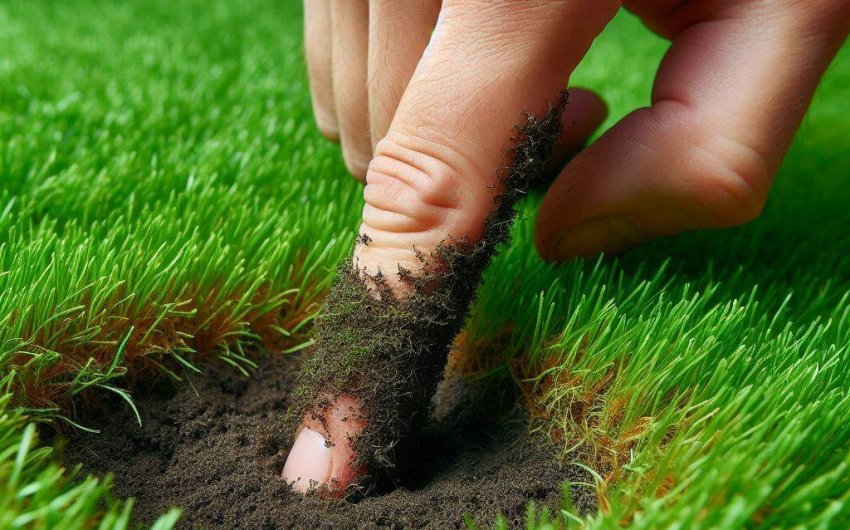
Have you ever walked across your lawn and felt like you were treading on a giant sponge? That soft, bouncy, often squishy feeling underfoot is a common problem for many homeowners. A spongy lawn isn't just an odd sensation; it's a clear sign that something is off with your soil health, drainage, or overall lawn care. Left unaddressed, it can lead to unhealthy grass, increased disease, and even make your lawn harder to maintain. The good news is that understanding why your lawn is spongy is the first step to fixing it. This guide will explore the main culprits and provide practical solutions to get your turf back to firm, healthy ground.
What Does a Spongy Lawn Feel Like?
When you walk on a spongy lawn, it feels overly soft, springy, and might even sink down a bit under your weight. It's different from a healthy, firm lawn that offers solid support. Sometimes, if it's accompanied by poor drainage, it might also feel squishy or soggy.
Top Reasons Why Your Lawn is Spongy
There are a few primary culprits behind a spongy lawn. Identifying the correct one (or combination) is key to the fix.
1. Excessive Thatch Buildup (Most Common Cause)
Thatch is a layer of dead and living organic matter (like grass stems, roots, and clippings) that accumulates between the green blades of grass and the soil surface. A small amount (less than 1/2 inch) is normal and even beneficial, protecting crowns and conserving moisture. However, when it gets too thick, it causes problems.
- How it causes sponginess: A thick thatch layer acts like a dense mat or sponge on top of the soil. When you walk on it, it compresses and then springs back.
- Problems caused by thick thatch:
- Prevents Water and Nutrients from Reaching Roots: Water and fertilizer get trapped in the thatch layer and evaporate or run off, rather than soaking into the soil where roots can access them.
- Restricts Airflow: Thatch smothers the grass roots, depriving them of essential oxygen.
- Promotes Pests and Diseases: It creates an ideal breeding ground for insects and fungal diseases.
- Reduces Drought Tolerance: Shallow roots develop because they stay in the moist thatch layer.
- Scalping: Mower blades tend to sink into the spongy thatch, leading to uneven cuts and scalping.
- Why Thatch Builds Up:
- Over-fertilization (especially nitrogen): Encourages rapid top growth that can't decompose fast enough.
- Compacted Soil: Slows down the activity of soil microbes and earthworms that naturally break down thatch.
- Poor Soil Biology: Lack of beneficial microorganisms that break down organic matter.
- Excessive Watering: Keeps the thatch consistently wet, encouraging matting.
- Mowing Too Short: Stresses the grass, leading to more dead material.
- Certain Grass Types: Some grass types (e.g., Bermuda grass, Zoysia grass, Kentucky bluegrass) are more prone to thatch buildup than others.
2. Overwatering or Poor Drainage
While distinct from thatch, excessive water can also make a lawn feel spongy or squishy.
- How it causes sponginess: If water isn't draining away from the soil, it saturates the root zone, making the ground feel soft and waterlogged.
- Problems caused: Root rot, fungal diseases, and general grass decline due to lack of oxygen.
- Why it happens:
- Compacted Soil: Prevents water from percolating down.
- Heavy Clay Soil: Naturally drains slowly due to small soil particles.
- Poor Grading: Lawn slopes towards itself or the house, creating low spots where water collects.
- Over-irrigation: Simply watering too much or too often.
3. Pest Activity (Less Common Cause)
Sometimes, while not the primary cause of widespread sponginess, certain pests can contribute.
- Grubs: Larvae of beetles (like Japanese beetles) feed on grass roots, severing them from the blades. This can make the sod feel loose and spongy, and you can often lift sections of turf like a rug. If you see signs of grubs (irregular brown patches, increased bird/mammal activity digging in your lawn), investigate further.
How to Fix a Spongy Lawn: Step-by-Step Solutions
Once you've identified the likely cause, here's how to tackle that spongy lawn.
Solution 1: Dethatching (for Thatch Buildup)
This is the direct approach to removing excessive thatch.
- When to Dethatch:
- Cool-Season Grasses: Early fall is best, or early spring.
- Warm-Season Grasses: Late spring to early summer, when the grass is actively growing and can recover quickly.
- Only dethatch when the thatch layer is 1/2 inch (1.2 cm) or thicker. You can check this by cutting a small triangular plug of turf and examining the layers.
- How to Dethatch:
- Mow Short: Mow your lawn slightly shorter than usual before dethatching.
- Dethatching Rake: For small areas, a dethatching rake can manually pull up thatch. It's labor-intensive but effective.
- Power Dethatcher (Verticutter): For larger lawns, rent a power dethatcher machine (also called a verticutter or vertical mower) from a local hardware store. These machines have vertical blades that cut into the thatch and pull it out. Follow the machine's instructions carefully.
- Clean Up: Rake up and remove all the pulled-out thatch. It's a lot of material! You can compost it (if weed-seed free) or bag it for yard waste.
- After Dethatching Care: Your lawn will look messy and possibly bare initially. It will recover.
- Overseed: Immediately after dethatching, overseed your lawn with fresh grass seed, especially if there are thin or bare spots. The new seed will have excellent soil contact.
- Top-Dress: Apply a thin layer (1/4 inch) of finished compost after dethatching and overseeding. This will add nutrients and microbes to aid recovery.
- Water: Keep the lawn consistently moist (light watering 1-2 times a day) until new grass germinates and establishes.
Solution 2: Core Aeration (for Compaction and Thatch)
Core aeration (also called lawn aeration) is crucial for both thatch and soil compaction.
- How it Works: A core aerator machine pulls out small plugs of soil, creating holes that allow air, water, and nutrients to penetrate the soil and reach the grass roots. This also helps break up existing thatch and encourages microbial activity that naturally decomposes thatch.
- When to Aerate:
- Cool-Season Grasses: Early fall (late August to mid-October) is ideal. Spring (late March to early May) is also acceptable.
- Warm-Season Grasses: Late spring to early summer (May to July), during their active growing season.
- How to Aerate: Rent a core aerator machine from a local hardware store. Make multiple passes over the spongy areas.
- Follow Up is Key: After aerating:
- Leave Plugs: You can leave the soil plugs on the lawn; they will break down and return nutrients.
- Top-Dress with Compost: Immediately spread a thin layer (1/4 to 1/2 inch) of finished compost over the aerated lawn. The compost will fall into the holes, greatly improving soil structure and microbial life.
- Overseed: This is the perfect time to overseed your lawn as the new seeds get excellent soil contact in the aeration holes.
- Water: Water thoroughly to settle the compost and seeds.
Solution 3: Improve Drainage (for Waterlogging)
If your spongy lawn is due to persistent wetness.
- Stop Overwatering: First and foremost, adjust your watering schedule. Water deeply and infrequently, allowing the soil to dry out somewhat between waterings. Use a rain gauge to monitor natural rainfall.
- Address Compaction: Core aeration (as above) is critical for improving drainage in compacted soils.
- Amend Soil with Organic Matter: Regularly top-dress with finished compost. The compost will gradually improve the soil structure, especially in heavy clay soils, making them drain better over time.
- Check Grading: Look for low spots or areas where water naturally collects. You might need to add soil to raise these depressions slightly (lawn leveling) or consider installing a simple French drain or dry creek bed to redirect water away from the area.
Solution 4: Manage Pests (Grubs)
If grubs are the primary cause of sponginess (and accompanied by brown patches and loose turf).
- Confirm Grubs: Dig a small square of sod (about 1 foot x 1 foot) in a brown or thinning area. If you find more than 5-10 grubs per square foot, treatment is warranted.
- Organic Solutions:
- Beneficial Nematodes: These are microscopic worms that naturally prey on grubs. Apply them when soil temperatures are appropriate and grubs are actively feeding (check package for timing, often late spring or early fall). A beneficial nematodes product is usually mixed with water and applied.
- Milky Spore: A natural bacterium that infects and kills grubs. It's a long-term solution that builds up over time and provides decades of control.
Long-Term Prevention of a Spongy Lawn
Once you've fixed the sponginess, adapt your lawn care routine to prevent it from coming back.
1. Mow High
- Benefits: Taller grass shades the soil, keeps it cooler, and reduces water evaporation. It also promotes deeper roots and helps prevent thatch buildup by providing more surface area for microbes to work on.
2. Grasscycle
- Benefits: Leave grass clippings on the lawn. They are a free source of nitrogen and organic matter that continually feeds soil microbes, encouraging them to break down thatch naturally. Use a mulching mower.
3. Fertilize Organically
- Benefits: Organic lawn fertilizers feed the soil, promoting a healthy microbial population that naturally breaks down thatch and improves soil structure. Avoid excessive synthetic nitrogen, which can lead to rapid top growth and thatch.
- Soil Test: Continue to get a soil test every few years to guide your fertilization needs.
4. Top-Dress with Compost Annually
- A light top-dressing (1/4 inch) of finished compost once a year is one of the best things you can do for ongoing soil health and thatch prevention. The microbes in the compost will help break down any accumulating thatch.
5. Water Smartly
- Continue to water deeply and infrequently to encourage deep root growth and good drainage.
6. Consider Grass Type
- If you're planning to overseed or establish a new lawn, choose grass varieties that are less prone to thatch buildup or are better adapted to your specific soil conditions (e.g., Tall Fescue if you have heavy clay).
7. Avoid Over-Compaction
- Minimize heavy foot traffic on wet soil. Consider adding stepping stones or pathways in areas of very high traffic to divert wear from the grass.
A spongy lawn is a sign that your soil and grass ecosystem need some help. By understanding the causes, primarily excessive thatch and compaction, and implementing solutions like dethatching, core aeration, and consistent application of compost, you can restore your lawn to a firm, healthy, and vibrant state. Embrace these preventative measures in your ongoing lawn care, and you'll enjoy a beautiful turf that feels great underfoot for years to come.