
Your Indoor Herb Garden: Fresh Flavors Year-Round!
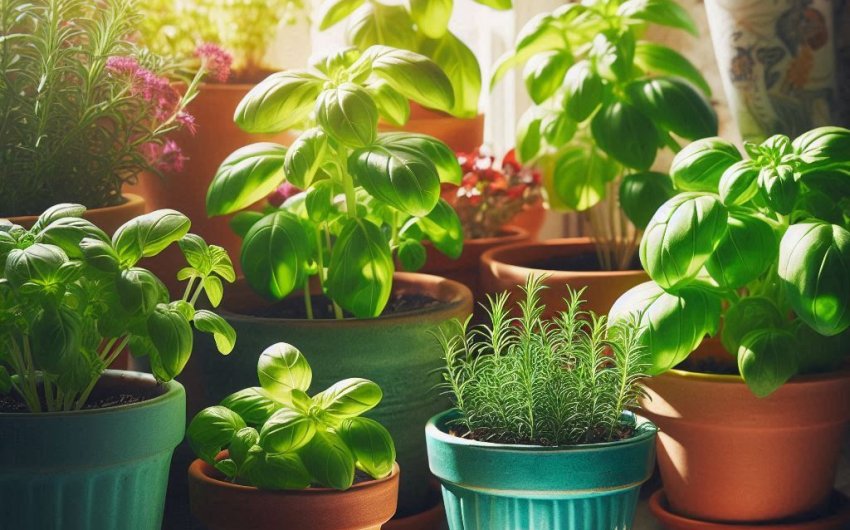
Have you ever dreamed of having fresh basil for your pasta or mint for your tea, right from your own kitchen? Well, you've come to the right place! Growing herbs indoors for beginners is much easier than you might think. Imagine stepping into your kitchen and plucking a fragrant sprig of rosemary whenever you need it. It’s not just a dream; it’s totally achievable! This guide will show you how to grow herbs at home and enjoy a bounty of fresh flavors, no matter the season.
Why Grow Herbs Indoors?
There are so many great reasons to start your own indoor herb garden. First off, it's incredibly convenient. No more last-minute runs to the grocery store for that one herb you forgot! You’ll have fresh, organic herbs at your fingertips anytime. Plus, it’s a wonderful way to add a touch of green to your home, making your space feel more vibrant and alive. It's also a fantastic way to save money since fresh herbs can be surprisingly expensive. And for those of us with limited outdoor space, indoor herb gardening for beginners is the perfect solution. You can enjoy the benefits of gardening even if you live in an apartment!
How to Get Started: What You'll Need
Starting an indoor herb garden on a windowsill doesn't require a lot of fancy equipment. You probably have most of what you need already!
The Right Containers
Choosing the right pots is important. Make sure your containers have drainage holes at the bottom. This lets extra water escape, which prevents your herbs from getting "wet feet" and rotting. Terracotta pots are great because they allow the soil to breathe, but plastic pots work too. You can find a good set of terracotta pots with drainage that are perfect for herbs. The size of the pot depends on the herb. Smaller herbs like chives or cilantro can start in 4-6 inch pots, while larger herbs like rosemary or basil might prefer 6-8 inch pots.
Quality Potting Mix
Don't just grab any old dirt from your backyard! You need a good quality potting mix designed for containers. This soil is lighter, drains well, and usually has some nutrients already mixed in. Look for a mix that's specifically for herbs or vegetables. A good option is organic potting mix for herbs. This helps give your herbs the best start.
Seeds or Small Plants (Starts)
You have two choices here: start from seeds or buy small herb plants (often called "starts" or "seedlings").
- Starting from Seeds: This is usually cheaper and gives you more variety. However, it takes longer for the herbs to grow big enough to harvest.
- Buying Small Plants: This is quicker and easier for beginners. You get to enjoy your fresh herbs sooner! Many nurseries and even grocery stores sell small herb plants.
For beginners, buying small plants is often the easiest way to jump into indoor herb gardens for beginners.
Where to Put Your Herbs: The Power of Light!
This is probably the most important factor for growing herbs indoors. Herbs love sunlight!
Sunny Windowsills
Most herbs need at least 4-6 hours of direct sunlight every day. A south-facing window is usually the best spot, as it gets the most sun throughout the day. East or west-facing windows can also work, but north-facing windows typically don't provide enough light for most herbs. When you are looking for tips for growing herbs indoors year-round, remember that light is key, especially in winter when days are shorter. If your windowsill isn't getting enough sun, your herbs will look "leggy" (tall and stretched out) and their leaves might be pale.
Supplemental Lighting
If you don't have enough natural light, don't worry! You can use grow lights. These are special lights that mimic sunlight and provide the spectrum of light plants need to grow. There are many types, from simple LED grow lights for indoor plants that clip onto a shelf to more elaborate systems. For a few pots, a simple LED grow light that can be placed a few inches above your herbs will do the trick. Usually, you'll want to keep the lights on for 12-16 hours a day.
Watering Your Herbs: Not Too Much, Not Too Little!
Watering is where many new gardeners make mistakes. The goal is to keep the soil moist but not soggy.
How to Tell When to Water
The best way to check is to stick your finger about an inch or two into the soil. If it feels dry, it's time to water. If it still feels moist, wait a bit longer. Don't water on a fixed schedule (like every Monday) because the soil dries out at different rates depending on the humidity in your home, the temperature, and the size of the plant. Overwatering is a common problem and can lead to root rot, which will kill your herb. Underwatering will make your herb wilt, but it can usually recover if you water it quickly.
The Right Way to Water
When you water, do so slowly and thoroughly until you see water draining out of the bottom of the pot. This makes sure all the soil gets wet. If your pots are sitting in saucers, empty any excess water from the saucers after about 30 minutes. You don't want your herbs sitting in standing water.
Feeding Your Herbs: A Little Boost
While your potting mix will have some nutrients, your herbs will eventually use them up.
When and How to Fertilize
Most herbs don't need a lot of fertilizer. A light feeding every 2-4 weeks during their active growing season (spring and summer) is usually enough. During fall and winter, when light is less and growth slows, you can reduce or stop fertilizing. Use a liquid organic herb fertilizer that is diluted to half strength. You can find great options like organic liquid plant food for herbs. Follow the directions on the package carefully. Too much fertilizer can actually harm your plants.
Air and Humidity: Keeping Your Herbs Happy
Herbs also benefit from good air circulation and the right amount of humidity.
Air Circulation
Good airflow helps prevent fungal diseases, especially in humid environments. If your herbs are crowded, consider giving them a bit more space. If you have many plants in a small area, a small fan nearby can help circulate the air, but don't point it directly at the plants all day.
Humidity
Most herbs prefer moderate humidity. Indoor air, especially in winter when the heat is on, can be very dry. You can increase humidity by:
- Misting: Lightly misting your herbs with water a few times a week. Use a fine mist spray bottle for this.
- Pebble Tray: Placing your pots on a tray filled with pebbles and water. Make sure the bottom of the pot doesn't sit directly in the water. As the water evaporates, it creates humidity around the plants.
- Grouping Plants: Grouping your herbs together can also create a slightly more humid microclimate.
Harvesting Your Herbs: The More You Pick, The More They Grow!
One of the best tips for growing herbs indoors is to harvest them regularly. This encourages the plant to produce more leaves, making it bushier and more productive.
How to Harvest
- Pinch or Snip: Use clean scissors or your fingers to pinch off the leaves or stems you need.
- Don't Take Too Much: Never take more than about one-third of the plant's leaves at one time, especially if it's a young plant. This allows the plant to recover and continue growing.
- Harvest from the Top: For many herbs like basil, mint, and oregano, harvesting from the top by pinching just above a set of leaves encourages branching and a bushier plant.
- For herbs like chives or cilantro: You can snip off the outer leaves or stems close to the base.
Regular harvesting is key to enjoying fresh herbs year-round.
Common Herbs for Indoor Growing
Not all herbs are equally suited for indoor life. Here are some of the best choices for your indoor herb garden:
Basil
Basil loves warmth and lots of light. It's a bit more demanding but incredibly rewarding. Harvest frequently by pinching off the top sets of leaves to encourage bushier growth. Keep the soil consistently moist but not soggy.
Mint
Mint is super easy to grow and can actually spread quite aggressively, so it’s perfect for its own pot. There are many varieties like peppermint, spearmint, and chocolate mint. It likes consistently moist soil and bright, indirect light.
Chives
Chives are members of the onion family and are very forgiving. They are happy in bright, indirect light and don't mind drying out a little between waterings. Just snip off the green tops as needed.
Rosemary
Rosemary loves lots of sun and good air circulation. It prefers its soil to dry out between waterings. Be careful not to overwater it. Rosemary can grow quite large, so be prepared to repot it as it grows.
Oregano
Oregano is another sun-lover that prefers its soil on the drier side. It’s pretty hardy and can tolerate a range of conditions. Pinch back the stems to encourage fuller growth.
Thyme
Thyme is very drought-tolerant and needs less water than many other herbs. It loves bright light and can even handle some direct sun. It's a great choice for beginners.
Parsley
Parsley (especially flat-leaf Italian parsley) likes bright light but can tolerate slightly less sun than basil. Keep its soil consistently moist. You can snip off the outer stems from the base.
Troubleshooting Your Indoor Herb Garden
Even with the best intentions, you might run into some issues. Here are some common problems and solutions:
Yellowing Leaves
- Overwatering: This is the most common cause. Let the soil dry out more between waterings.
- Nutrient Deficiency: If your plant isn't getting enough food, it might turn yellow. Try a diluted liquid fertilizer.
- Not Enough Light: If leaves are also spindly, it might need more light.
Wilting Leaves
- Underwatering: The plant is thirsty! Give it a good drink.
- Overwatering: Yes, too much water can also cause wilting as roots suffocate. Check the soil moisture.
- Too Much Heat: If it's near a very hot vent, it might be wilting from heat stress.
Leggy Growth (Tall and Stretched Out)
- Not Enough Light: This is almost always the cause. Your plant is reaching for light. Move it to a brighter spot or add a grow light. Prune back the leggy growth to encourage bushier growth.
Pests
Indoor herbs can sometimes attract tiny pests like aphids or spider mites, especially if conditions are dry.
- Prevention: Check your plants regularly for any signs of pests. Healthy, happy plants are less likely to get pests.
- Treatment: For minor infestations, you can often spray the plant with a strong stream of water to dislodge the pests. For more persistent problems, use an organic insecticidal soap for plants. Follow the directions carefully. Neem oil is another natural option.
Enjoying Your Homegrown Herbs
Now that you know how to grow herbs indoors, you can look forward to endless culinary possibilities! Sprinkle fresh chives on your eggs, add basil to your homemade pizza, or brew a soothing cup of mint tea. The flavor of fresh, homegrown herbs is truly unmatched. Indoor herb gardening for beginners is a rewarding hobby that brings beauty, fragrance, and deliciousness into your home. With these tips for growing herbs indoors year-round, you'll be enjoying your own fresh harvest in no time. Happy growing!