
The Advantages of Using a Garden Cart
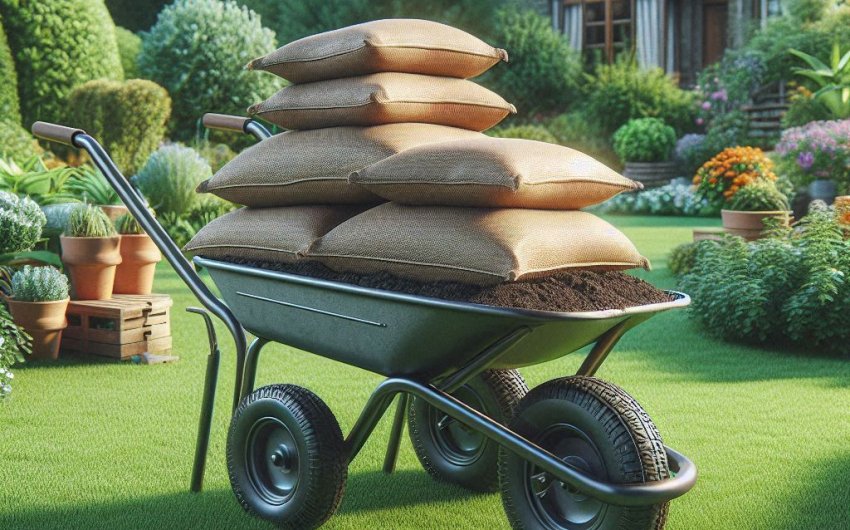
Having a reliable helper for various outdoor tasks can transform your gardening and yard work experience, and that's precisely where the advantages of using a garden cart become evident. More than just a simple wagon, these versatile tools offer unmatched convenience, efficiency, and ergonomic benefits, making even the most daunting chores feel lighter and more manageable. Whether you're moving heavy bags of soil, transporting tools, or hauling away debris, a well-chosen garden cart quickly proves to be an indispensable asset for any homeowner or avid gardener.
Why Should I Consider a Garden Cart?
Many people might wonder if a garden cart is truly necessary, especially if they already own a wheelbarrow or just rely on carrying items by hand. However, once you experience the diverse advantages of using a garden cart, it becomes clear why this tool is a worthwhile investment. Its unique design and features set it apart, offering benefits that traditional methods often cannot match.
A primary reason to consider a garden cart is its superior stability and ease of use compared to a traditional wheelbarrow. Wheelbarrows, with their single front wheel, can be notoriously unstable, especially when heavily loaded or traversing uneven terrain. This can lead to spills, lost materials, and even potential back strain from constantly rebalancing. Garden carts, on the other hand, typically feature two or four wheels, providing a much more stable base. This multi-wheeled design distributes weight more evenly, making it easier to maneuver heavy loads without constant effort to keep it upright. This enhanced stability reduces the risk of accidents and makes transportation of materials much more efficient and less physically demanding. The convenience of simply pulling or pushing a stable load, rather than wrestling with an unbalanced one, is a significant ergonomic benefit that saves your back and reduces fatigue.
What Are the Key Benefits for Carrying Heavy Loads?
One of the most compelling advantages of using a garden cart is its exceptional capacity for carrying heavy loads. Whether you're dealing with bulky materials or dense items, a garden cart is engineered to handle substantial weight, making arduous tasks much simpler.
Imagine moving multiple bags of topsoil, heavy paving stones, or large quantities of firewood. Attempting this by hand, or even with a standard wheelbarrow, can be incredibly taxing and inefficient. Garden carts are designed with robust frames and durable bins, often capable of holding hundreds of pounds. Their multi-wheeled construction distributes this weight evenly, preventing tipping and making it much easier to pull or push the load across various terrains. This stability is particularly crucial when transporting dense items that would easily destabilize a single-wheeled cart.
Furthermore, many garden carts feature high sides or deep beds, allowing you to stack materials without worrying about them falling off during transport. This means fewer trips back and forth, saving you valuable time and energy. For instance, hauling a pile of concrete bags from your driveway to a project site becomes a far less strenuous endeavor with a sturdy garden cart. The ability to move such significant weight with relative ease is a major ergonomic benefit, protecting your back and reducing physical strain, which is especially important for extended outdoor projects. This heavy-duty hauling capability truly sets garden carts apart as indispensable tools for serious garden work.
How Do Garden Carts Improve Maneuverability?
Beyond their capacity, the enhanced maneuverability of a garden cart is another standout benefit. Their design allows for easier navigation in tight spaces and around obstacles, making them much more agile than their single-wheeled counterparts. This improved control is one of the distinct advantages of using a garden cart in varied outdoor settings.
Traditional wheelbarrows require constant balancing and a certain knack for steering, especially when loaded. Their single pivot point often makes sharp turns cumbersome, and backing up can be a genuine challenge. Garden carts, however, typically feature either a two-wheel or four-wheel design, often with steerable front axles. This allows them to pivot smoothly and turn corners with much less effort. Some models even boast a "dump cart" feature, where the entire bed can tilt to unload contents, further simplifying the process.
The ability to steer with precision means you can navigate winding paths, work around garden beds, or move through narrow gates without bumping into things or getting stuck. This agility is particularly valuable in complex garden layouts or smaller yards where space is at a premium. For instance, hauling a large bag of mulch directly to where you need it, rather than unloading at a distance and carrying by hand, saves time and effort. The ease of pulling or pushing a garden cart, even when full, combined with its superior steering capabilities, significantly reduces physical strain and increases the efficiency of almost any outdoor task, from distributing fresh soil to collecting garden waste.
What Ergonomic Benefits Do Garden Carts Offer?
The ergonomic benefits provided by a garden cart are among its most significant advantages of using a garden cart, making outdoor work much safer and more comfortable. By reducing physical strain, these tools help prevent injuries and allow you to work longer without excessive fatigue.
One of the primary ergonomic advantages is the reduction of back strain. Lifting heavy bags of soil, sacks of fertilizer, or piles of debris can put immense stress on your back, leading to muscle pulls, spasms, or even long-term injuries. A garden cart takes the direct lifting out of the equation for most bulk materials. Instead of repeatedly bending and lifting, you simply load items into the cart and wheel them to their destination. This shift in effort from lifting to pulling or pushing a wheeled load significantly lessens the impact on your spine and joints.
Furthermore, the stable, multi-wheeled design of a garden cart eliminates the constant need to balance that is inherent with wheelbarrows. This balancing act can strain core muscles and lead to awkward movements that increase the risk of injury, especially when dealing with uneven weight distribution. With a garden cart, the weight is evenly supported, allowing for a more natural posture and less compensatory effort from your body. This makes it easier to transport items over uneven terrain without fear of tipping or losing control.
Many garden carts also come with ergonomic handles that are comfortable to grip and designed to minimize hand and wrist strain. The reduced physical exertion means you can tackle larger projects or work for longer periods without feeling as fatigued. This can be particularly beneficial for older individuals, those with pre-existing back issues, or anyone looking to make their gardening tasks less physically demanding and more enjoyable. Investing in a tool that actively protects your body is a smart choice for long-term gardening health.
How Can Garden Carts Help with Versatility in Tasks?
The sheer versatility of a garden cart is another key element among the advantages of using a garden cart. These tools are not limited to just one type of job; their adaptable design makes them suitable for an impressive array of outdoor tasks, streamlining your efforts across the entire yard.
Think beyond just hauling dirt. A garden cart can become your mobile command center for planting projects. Load it up with potting mix, seed trays, small hand tools like a hand trowel and cultivators, gloves, and even your watering can. This allows you to move everything you need to the exact spot in your garden without repeated trips back to the shed. When it's time for weeding, the cart can carry your weeding tools and then serve as a convenient receptacle for all the pulled weeds, keeping your work area tidy.
For larger landscaping projects, a garden cart is indispensable. It can transport bags of gravel, stepping stones, bags of bark for new flower beds, or even small shrubs and saplings. When autumn arrives, it becomes the perfect vehicle for collecting fallen leaves, making yard clean-up much faster than using a rake and tarp. During colder months, if you have a fireplace or wood stove, it can easily move firewood from your woodpile to your house.
Many modern garden carts feature convertible designs, further extending their versatility. Some have removable sides that transform the cart into a flatbed wagon, ideal for oversized items like long branches, logs, or even small pieces of furniture. Others have a dump feature, allowing you to tilt the bed and easily unload loose materials like soil, sand, or mulch with minimal effort. This wide range of applications, from daily gardening chores to seasonal clean-ups and heavy-duty landscaping, solidifies the garden cart's position as a multi-purpose workhorse, maximizing its value for any outdoor enthusiast. You can find many versatile garden dump carts available.
Are There Different Types of Garden Carts?
Yes, the market offers a variety of garden cart types, each designed with specific materials, features, and capacities to suit different needs and preferences. Understanding these distinctions helps you choose the best cart to maximize the advantages of using a garden cart for your particular tasks.
Steel Carts
Steel garden carts are known for their exceptional durability and strength. They typically feature a sturdy steel frame and a mesh or solid steel bed, capable of handling very heavy and rugged loads like rocks, bricks, firewood, and large bags of concrete. Their robust construction makes them ideal for demanding landscaping projects and prolonged heavy use.
- Pros: Unmatched strength and weight capacity, excellent durability, often feature removable sides for flatbed conversion.
- Cons: Can be heavy, may rust if not properly cared for (though many are powder-coated for rust resistance), can be noisy.
- Best for: Heavy-duty landscaping, hauling logs, construction materials, large garden debris. A rugged steel utility cart is a great investment.
Plastic (Poly) Carts
Plastic or poly garden carts are popular for their lightweight nature and rust resistance. Their beds are typically made from heavy-duty polyethylene, which is easy to clean and won't rust, dent, or corrode. Many poly carts feature a convenient dumping mechanism, allowing you to tip the bed to unload contents quickly.
- Pros: Lightweight, rust-proof, easy to clean, often have a dump feature, quieter than steel carts.
- Cons: Generally lower weight capacity than steel, can be less durable for extreme heavy loads or sharp objects.
- Best for: Hauling soil, mulch, compost, leaves, general gardening tasks, and easy unloading. Check out a versatile poly dump cart.
Fabric Carts (Folding Wagons)
Fabric garden carts, often referred to as folding utility wagons, offer superb portability and storage convenience. They feature a collapsible frame and a durable fabric liner, often made of canvas or polyester. These carts can fold down compactly for easy storage in small spaces or transport in a car trunk.
- Pros: Extremely portable, folds for compact storage, lightweight, often has cup holders and side pockets.
- Cons: Much lower weight capacity than steel or poly carts, not suitable for very heavy or sharp objects, fabric can tear.
- Best for: Light gardening tasks, carrying tools, smaller bags of soil, sports equipment, beach trips, picnics. A handy folding utility wagon is perfect for quick trips.
Wood Carts
Wood garden carts offer a classic, attractive aesthetic, often associated with traditional garden wagons. They are typically very sturdy and durable, with slatted or solid wood sides and beds. They can handle moderate to heavy loads.
- Pros: Attractive appearance, durable, can handle moderate to heavy loads, often come with pneumatic tires for smooth rolling.
- Cons: Can be heavier than poly carts, wood requires maintenance (sealing, painting) to prevent rot and weathering, typically do not have dump features.
- Best for: General garden hauling, decorative purposes, transporting potted plants, firewood.
Each type of garden cart offers distinct features that cater to different needs, reinforcing the diverse ways the advantages of using a garden cart can benefit your outdoor activities.
How Do Tire Types Affect Performance?
The tire type on your garden cart significantly influences its performance, particularly its maneuverability, stability, and suitability for different terrains. Understanding these differences is crucial when selecting a cart to truly unlock the advantages of using a garden cart for your specific outdoor environment.
Pneumatic Tires
Pneumatic tires are air-filled tires, similar to those on bicycles or cars. They offer excellent cushioning and shock absorption, providing a smoother ride, especially over rough, uneven terrain like gravel paths, bumpy lawns, or dirt tracks. Their ability to absorb impact also makes pushing or pulling a loaded cart easier on your arms and back.
- Pros: Superior shock absorption, smooth ride, good traction, less jarring on the user.
- Cons: Can puncture (requiring repairs or patching), need to be checked for air pressure periodically.
- Best for: Rough terrain, uneven surfaces, heavy loads where cushioning is important. Many heavy-duty garden carts with pneumatic tires are available.
Solid Rubber Tires
Solid rubber tires (also known as hard rubber or sometimes "puncture-proof" tires) are made entirely of dense rubber and do not contain air. They are incredibly durable and maintenance-free, as they cannot go flat or be punctured.
- Pros: Puncture-proof, no maintenance (no need to check air pressure), very durable, long-lasting.
- Cons: Offer very little cushioning, resulting in a bumpier ride over uneven terrain, less shock absorption, potentially harder to push/pull heavy loads.
- Best for: Smooth, paved surfaces, concrete, or for users who prioritize maintenance-free convenience over ride comfort.
Foam-Filled Tires (Flat-Free)
Foam-filled tires are a hybrid option, offering a compromise between pneumatic and solid tires. They are essentially pneumatic tires filled with a special foam material instead of air. This makes them puncture-proof like solid tires, but they still offer some degree of cushioning and bounce that is superior to solid rubber.
- Pros: Puncture-proof (flat-free), offer better cushioning than solid rubber, no air pressure to maintain.
- Cons: Heavier than pneumatic tires, more expensive, less shock absorption than fully inflated pneumatic tires.
- Best for: Those who want the benefits of pneumatic tires without the risk of flats, good for mixed terrain. Look for flat-free garden cart tires if durability is a priority.
The right tire choice ensures that your garden cart operates optimally for your specific needs, truly harnessing the advantages of using a garden cart in any outdoor task.
What Features Should I Look for When Buying a Garden Cart?
When investing in a garden cart, considering specific features will ensure you select a model that perfectly aligns with your needs and maximizes the advantages of using a garden cart for your outdoor projects. A well-chosen cart will serve you reliably for years.
- Weight Capacity: This is arguably the most crucial factor. Determine the heaviest loads you anticipate moving. Carts can range from capacities of 100 pounds for small fabric wagons to over 1000 pounds for heavy-duty steel or poly dump carts. Don't underestimate your needs; it's better to have more capacity than not enough.
- Bed Material: As discussed, choose between steel, poly (plastic), or fabric. Steel is for ultimate durability and heavy loads, poly for rust-resistance and easy cleaning (often with dump feature), and fabric for portability and light tasks.
- Tire Type: Consider your typical terrain. Pneumatic tires are best for uneven ground and cushioning, solid rubber for maintenance-free use on hard surfaces, and foam-filled for a good compromise between the two.
- Handle Type: Look for a comfortable handle. Some carts have a traditional "T" bar handle for pushing/pulling, while others have a "D" handle for easier grip. Many heavy-duty carts feature a convertible pull handle that allows you to attach it to a lawn tractor or ATV for towing.
- Dump Feature: For hauling loose materials like soil, sand, gravel, or mulch, a dump cart with a tilting bed (common in poly carts) significantly speeds up unloading. This feature saves you from shoveling out the contents manually.
- Removable/Foldable Sides: Many steel carts have removable sides that convert the cart into a flatbed. This is invaluable for transporting oversized or oddly shaped items like long branches, logs, or even small pieces of furniture. Fabric carts excel with their folding design for compact storage.
- Maneuverability and Steering: Look for carts with a steerable front axle or a well-designed pivot system. This allows for tighter turns and easier navigation in confined spaces.
- Assembly: Check reviews regarding the ease of assembly. Some carts arrive mostly pre-assembled, while others require more effort.
- Overall Size: Consider where you'll store the cart and if it will fit through gates or narrow garden paths.
By carefully evaluating these features against your specific gardening and yard work requirements, you can select a garden cart that not only makes your tasks easier but truly enhances your outdoor experience, embodying the multifaceted advantages of using a garden cart.