
Hand Cultivator: A Must-Have for Small Gardens
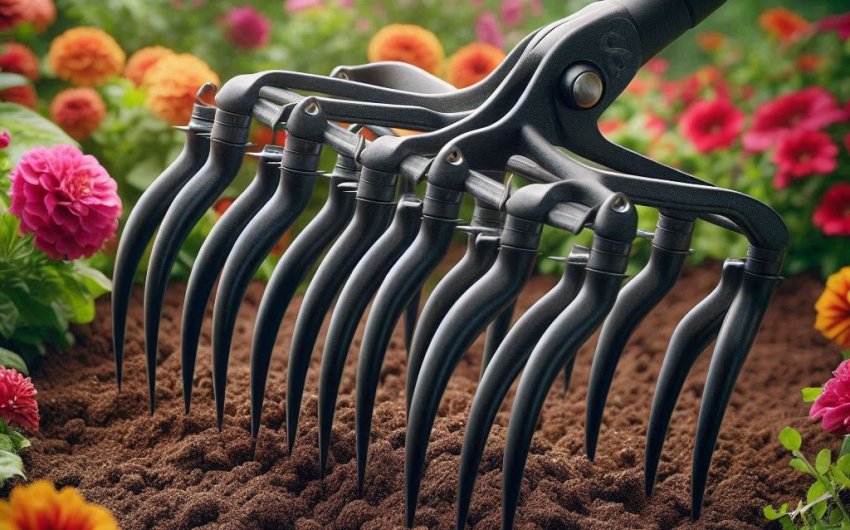
A hand cultivator is an indispensable tool for anyone tending to small garden spaces. Its compact size and specific design make it remarkably effective for a variety of tasks that larger, motorized equipment simply cannot perform with the same precision and ease. From preparing small beds to aerating soil around delicate plants, this humble implement proves its worth repeatedly in the intimate scale of a home garden.
What is a Hand Cultivator?
A hand cultivator is a fundamental gardening tool designed for precision tasks that require working directly with the soil. Unlike larger, powered tillers, it’s operated manually, offering gardeners close control and versatility in confined spaces. Its unique design makes it exceptionally effective for light soil work and maintenance.
What Does a Hand Cultivator Look Like?
A typical hand cultivator consists of a sturdy handle, often ergonomically shaped for comfort, attached to a head with several short, sharp tines or prongs. These tines usually curve slightly downward and outward, resembling a miniature claw or fork. The number of tines can vary, but commonly they have three or five. The material of the head is usually durable steel or forged metal to withstand soil resistance, while handles can be made from wood, plastic, or composite materials. For example, the Fiskars Ergo Cultivator offers a comfortable grip.
How Does it Differ from Other Hand Tools?
While often confused with hand rakes or small trowels, the hand cultivator has distinct features and uses.
- Hand Rake: A hand rake typically has numerous fine teeth and is used primarily for clearing debris or leveling soil surfaces. Its teeth are too thin and numerous for effective soil breaking.
- Trowel: A trowel is a small, scoop-shaped tool used for digging small holes, transplanting, or scooping soil. It's not designed for breaking up compacted soil or weeding large areas.
- Hand Cultivator: Its sturdy, spaced prongs are specifically designed to penetrate and loosen compacted soil, mix amendments, and uproot weeds efficiently. It combines elements of a small fork and a hoe in a compact form.
What are its Primary Uses?
The primary applications of a hand cultivator revolve around soil preparation, aeration, and weed control in small, detailed areas.
- Loosening Soil: It's excellent for breaking up crusted or lightly compacted soil in garden beds, allowing better water and air penetration.
- Weeding: The tines effectively dislodge and uproot weeds, especially shallow-rooted annuals, without disturbing nearby plants.
- Mixing Amendments: It's perfect for blending in compost, fertilizers, or other soil amendments into the top layer of soil.
- Creating Furrows: For planting seeds, it can quickly draw shallow furrows.
- Aerating: It can gently aerate the soil around established plants without damaging their roots, improving oxygen flow.
Why is it Essential for Small Gardens?
For small gardens, whether raised beds, container gardens, or narrow perennial borders, the hand cultivator is irreplaceable.
- Precision: Its small size allows for precise work between closely spaced plants, where larger tools would be cumbersome or cause damage.
- Control: Manual operation provides direct control over the depth and aggressiveness of cultivation, crucial for delicate plants.
- Accessibility: It can reach tight spots and corners that mechanical tillers cannot.
- Efficiency for Scale: For small areas, it’s often faster and more practical than firing up larger equipment for a quick task. A good quality Zenport Cultivator can make these tasks easy.
Understanding what a hand cultivator is and its specific advantages underscores its "must-have" status for any enthusiast of small-scale gardening.
How Does a Hand Cultivator Help with Soil Preparation?
A hand cultivator is incredibly effective for soil preparation in confined areas, allowing gardeners to create an optimal growing environment without heavy machinery. Its design is perfectly suited for working the top layers of soil where seeds germinate and young roots establish.
How Does It Loosen Compacted Soil?
The robust, claw-like tines of a hand cultivator are designed to penetrate and break apart soil that has become dense and compressed. By inserting the tines into the soil and gently pulling or twisting, the gardener can effectively loosen clods and create a more friable (crumbly) texture. This process is particularly useful in garden beds that have been walked on or where rainfall has caused the surface to become crusty. Loosened soil allows tender new roots to penetrate easily, accessing water and nutrients more effectively.
How Can It Help Mix Amendments?
Once organic matter like compost, well-rotted manure, or slow-release fertilizers are spread on the surface of a garden bed, a hand cultivator becomes an excellent tool for mixing these amendments into the top few inches of existing soil. The tines efficiently incorporate these beneficial materials, ensuring they are distributed evenly throughout the root zone. This allows plants to access the nutrients more readily and helps improve overall soil structure, increasing aeration and water retention where needed. For instance, mixing in a Dr. Earth Organic Fertilizer is easy with this tool.
Is it Useful for Preparing Seedbeds?
Yes, a hand cultivator is highly useful for preparing small seedbeds. After loosening the soil, its tines can be used to smooth the surface, remove small stones, and create shallow, uniform furrows for planting seeds. The precision of the hand cultivator ensures that the furrows are at the correct depth and spacing for optimal germination, a level of detail often difficult to achieve with larger tools. This delicate control prevents overly deep or inconsistent planting.
Can It Be Used for Raised Beds?
A hand cultivator is virtually indispensable for raised garden beds. These elevated structures typically have a smaller surface area and often contain specially prepared soil mixes. Large tillers are impractical or even impossible to use in raised beds. The hand cultivator allows gardeners to:
- Refresh Soil: Loosen and aerate the soil between planting seasons without disturbing the bed's structure.
- Incorporate Nutrients: Easily blend in fresh compost or amendments.
- Precise Weeding: Target weeds without damaging the roots of vegetables or flowers in the confined space.
- Minimize Compaction: As raised beds are usually not walked upon, the hand cultivator helps maintain their light, airy soil structure. A comfortable Corona Hand Cultivator is ideal for these spaces.
The versatility of a hand cultivator in soil preparation tasks makes it an essential tool, particularly for maintaining the health and fertility of small garden plots.
How Does a Hand Cultivator Help with Weeding?
Weeding is an ongoing task in any garden, and for small spaces, a hand cultivator often proves to be the most efficient and least disruptive tool. Its design allows for targeted removal of unwanted plants, preserving the integrity of desirable crops and ornamentals.
How Does it Uproot Weeds Effectively?
The sharp, sturdy tines of a hand cultivator excel at penetrating the soil around weeds and dislodging their root systems. Instead of merely breaking off the top of the weed (which often allows it to regrow), the cultivator helps to lift the entire plant, roots and all, out of the ground. This is especially effective for shallow-rooted annual weeds. For tougher, deeper-rooted weeds, it can loosen the soil around them, making it easier to pull them out by hand. The tines act as a lever, prying the weed free from its hold.
Is it Good for Weeding Between Plants?
One of the greatest advantages of a hand cultivator is its precision, making it perfect for weeding between closely spaced plants. Its compact size means you can maneuver it into tight spots where a larger hoe or rake would damage the desired plants. You can carefully work around delicate seedlings, established perennials, or vegetable rows, targeting only the weeds without disturbing the surrounding soil or roots of your valuable plants. This minimizes stress on your garden and reduces collateral damage.
How Does it Help Prevent New Weeds?
A hand cultivator can indirectly help prevent new weeds from sprouting. By disturbing the top layer of soil, it exposes weed seeds to the air and sunlight, which can help dry them out and prevent germination. Additionally, by removing existing weeds before they go to seed, it breaks their life cycle, preventing future generations of weeds from emerging. Regular, light cultivation can also deter weed seedlings from taking hold firmly in the first place, making subsequent weeding easier.
Does it Minimize Soil Disturbance?
Compared to large rototillers or hoes, a hand cultivator significantly minimizes overall soil disturbance. While it breaks up the very top layer, it doesn't deeply invert or churn the soil. This is beneficial for:
- Preserving Soil Structure: Less disruption helps maintain the delicate balance of soil aggregates and beneficial microorganisms.
- Not Bringing Up Dormant Seeds: Deep tilling can bring buried dormant weed seeds to the surface, where they can germinate. A hand cultivator primarily works the shallow layer, reducing this effect.
- Targeted Approach: Its precise action means you only disturb the necessary areas for weeding, leaving the rest of the garden bed undisturbed. A well-designed Edward Tools Hand Cultivator is built for this.
The hand cultivator is an unparalleled tool for effective and precise weeding in small gardens, making the task less daunting and more efficient.
How Can a Hand Cultivator Improve Plant Health?
Beyond preparing soil and removing weeds, a hand cultivator plays a subtle yet significant role in improving the overall health and vigor of your garden plants. By addressing critical aspects of soil environment, it helps plants thrive and reach their full potential.
How Does It Improve Aeration?
The tines of a hand cultivator are excellent for gently aerating the top layer of soil, particularly around established plants. Over time, garden soil can become compacted due to foot traffic, heavy rain, or even just regular watering. Compaction reduces the amount of air pockets in the soil, which are vital for plant roots. Roots need oxygen to respire and absorb nutrients efficiently. By lightly working the soil with a hand cultivator, you create small air channels, allowing essential oxygen to penetrate deeper into the root zone. This enhanced aeration promotes healthier root growth, which in turn leads to stronger, more robust plants.
How Does It Help with Water Penetration?
Compacted or crusted soil can prevent water from soaking in effectively, leading to runoff and wasted irrigation. A hand cultivator breaks up this surface crust, creating a more open and porous soil texture. This improved texture allows water from rain or irrigation to penetrate deeply and quickly into the soil, directly reaching the plant roots where it's needed. Instead of pooling on the surface or running off, water is absorbed efficiently, ensuring your plants receive adequate hydration. This is especially beneficial after dry spells when soil surfaces become hardened.
Can It Promote Root Growth?
By loosening compacted soil and improving aeration and water penetration, a hand cultivator directly contributes to healthier root growth. Roots naturally grow into areas where they can easily access oxygen, water, and nutrients. When the soil is loose and well-aerated, roots can spread out more freely and penetrate deeper, anchoring the plant more firmly and allowing it to access a larger volume of soil for essential resources. A robust and extensive root system makes plants more resilient to drought, nutrient deficiencies, and overall stress, leading to more vigorous above-ground growth and better yields.
Is it Good for Girdling Weeds?
While typically used for uprooting, the action of a hand cultivator can also be effective at girdling small weeds. Girdling involves disrupting the flow of nutrients and water within a plant by cutting around its stem, typically at the soil line. For very tiny, newly emerged weed seedlings, a quick flick or scrape with the cultivator tines can sever the stem just below the soil surface, effectively killing the weed before it establishes. This method is particularly useful for light cultivation and weed suppression in busy garden areas, preventing competition for resources between weeds and your desired plants. An AMES Ergo Gel Grip Cultivator offers precise control for these tasks.
Ultimately, by ensuring better soil conditions, the hand cultivator plays an unsung role in fostering optimal plant health, making it an invaluable asset for any small garden.
What Are Different Types of Hand Cultivators?
While the basic design of a hand cultivator remains consistent, there are several variations in its construction, materials, and specific features. Understanding these differences can help you choose the best tool to meet the unique needs and preferences for your small garden.
What is a Traditional Claw Cultivator?
The traditional claw cultivator is the most common and recognizable type of hand cultivator. It features three (or sometimes four or five) rigid, curved metal tines, often sharpened at the tips. The tines are typically arranged in a fan-like or parallel fashion, extending from a sturdy tang that connects to the handle.
- Purpose: Excellent for breaking up compacted soil, weeding, and mixing amendments in medium-sized garden beds or pots.
- Materials: Heads are usually forged steel or stainless steel, while handles can be wood, plastic, or composite. A Radius Garden Ergonomic Cultivator exemplifies this type.
- Pros: Very versatile, durable, and provides good leverage for most tasks.
- Cons: Can be tiring for extended use if the handle isn't ergonomic; may be too wide for very tight spaces.
What is a Hand Rake/Cultivator Combo?
Some hand cultivators come as a combo tool, featuring a cultivator head on one side and a small hand rake or flat hoe blade on the opposite side. This offers dual functionality in a single tool.
- Purpose: Ideal for gardeners who want to switch between loosening soil/weeding and smoothing/leveling without changing tools.
- Materials: Typically steel heads with various handle materials.
- Pros: Saves space in the toolbox; convenient for quick transitions between tasks; cost-effective.
- Cons: The fixed design means one side might be less optimal than a dedicated tool; can sometimes feel unbalanced depending on the task.
What are Ergonomic Hand Cultivators?
Ergonomic hand cultivators prioritize user comfort and reduced strain, especially during prolonged use. They feature specially designed handles that fit naturally in the hand, often with cushioned grips or angles that minimize wrist stress.
- Purpose: Best for gardeners with hand fatigue issues, arthritis, or those who spend significant time cultivating.
- Materials: Handles often made of soft-grip rubber, gel, or textured plastics. The head is still durable metal. A DeWit Forged Hand Cultivator is known for its excellent ergonomics.
- Pros: Significantly reduces hand and wrist strain; more comfortable to use for longer periods.
- Cons: Can be slightly more expensive than traditional models; sometimes the handle design can be bulkier.
What are Japanese Hand Cultivators (Hori Hori)?
While not strictly a "cultivator" in the traditional sense, a Hori Hori knife (Japanese digging knife) is a versatile tool often used for tasks that a hand cultivator would perform, especially for weeding and light soil work. It has a sharp, serrated blade, often with depth markings.
- Purpose: Excellent for digging, cutting roots, weeding, transplanting, and breaking up small clumps of soil. It's an all-in-one gardening tool.
- Materials: High-carbon steel blade, often with a wooden handle.
- Pros: Extremely versatile; very sharp and durable; can handle a wider range of tasks than a dedicated cultivator.
- Cons: Not specifically designed for broad cultivation, more for individual weed removal and digging; requires more caution due to the sharp blade.
Choosing the right type of hand cultivator depends on the specific tasks you perform most often, the size of your hand, and any ergonomic considerations you might have, ensuring it remains a true "must-have" for your small garden.
How Do I Choose and Maintain a Hand Cultivator?
Selecting the right hand cultivator and ensuring its longevity through proper maintenance are crucial steps to making it a reliable and effective tool for your small garden. A well-chosen and cared-for cultivator will serve you for many gardening seasons.
What Should I Look for When Buying?
When choosing a hand cultivator, consider these key factors to ensure you get a durable and effective tool:
- Material Quality:
- Head: Look for a head made from forged steel or stainless steel. Forged steel is exceptionally strong and durable, while stainless steel resists rust, which is excellent for prolonged use in moist soil. Avoid cheap stamped metal heads that can bend or break easily.
- Handle: Choose a handle material that feels comfortable and sturdy. Wood is classic and ages well, but can splinter if not treated. High-quality plastic or composite materials can be very durable and often feature ergonomic grips.
- Ergonomics and Comfort:
- Grip: The handle should fit comfortably in your hand, allowing for a firm grip without causing strain. Look for cushioned grips (rubber or gel) or ergonomic shapes if you have hand fatigue or arthritis.
- Weight and Balance: A good cultivator should feel balanced in your hand, not top-heavy or unwieldy.
- Tine Design:
- Number and Spacing: Three tines are common and versatile. Consider five tines for slightly broader coverage if your soil is consistently loose. Ensure the tines are sturdy and well-attached.
- Sharpness: While not razor-sharp, the tips of the tines should be able to penetrate soil easily.
- Overall Construction: Check for solid construction. The connection between the head and the handle should be robust and show no wobbling. Read reviews for insights on durability. A highly-rated option is the Garden Weasel Claw Cultivator.
How Do I Clean My Hand Cultivator?
Proper cleaning after each use is essential to prevent rust, prolong the life of your hand cultivator, and keep it performing efficiently.
- Remove Soil: Immediately after use, knock off any large clumps of soil adhering to the tines. Use a stiff brush or a stick to remove stubborn dirt.
- Wash Off Dirt: If the soil is muddy or sticky, rinse the head under a hose. You can use a stiff scrub brush to remove all remaining debris.
- Dry Thoroughly: This is the most crucial step. Use an old rag or towel to completely dry the metal head and tines. Leaving moisture on the metal will lead to rust.
- Handle Care: Wipe down the handle as well. For wooden handles, ensure they are dry.
How Do I Store My Hand Cultivator?
Correct storage protects your hand cultivator from the elements and keeps it ready for its next use.
- Dry Location: Always store your cultivator in a dry place, such as a garden shed, garage, or tool bench, away from direct moisture.
- Hang or Organize: Hang it on a pegboard or place it in a tool caddy where it's not exposed to standing water or excessive humidity.
- Prevent Damage: Avoid throwing it into a pile of other tools where the tines could be bent or damaged.
What About Sharpening and Rust Prevention?
These maintenance steps ensure your cultivator remains effective and durable.
- Sharpening: Over time, the tips of the tines can become dull. Use a metal file or a small sharpening stone to gently sharpen the outer edges of each tine. This isn't necessary as frequently as sharpening pruning shears, but it helps maintain efficiency. Always wear gardening gloves when sharpening.
- Rust Prevention: For non-stainless steel tools, a light coating of mineral oil, linseed oil, or even general-purpose lubricating oil applied to the metal parts after cleaning and drying will help prevent rust, especially during prolonged storage or in humid environments. Reapply as needed.
By investing in a quality hand cultivator and committing to its simple maintenance, you ensure it remains a reliable "must-have" tool that efficiently supports the health and beauty of your small garden.