
Choosing the Right Loppers for Pruning
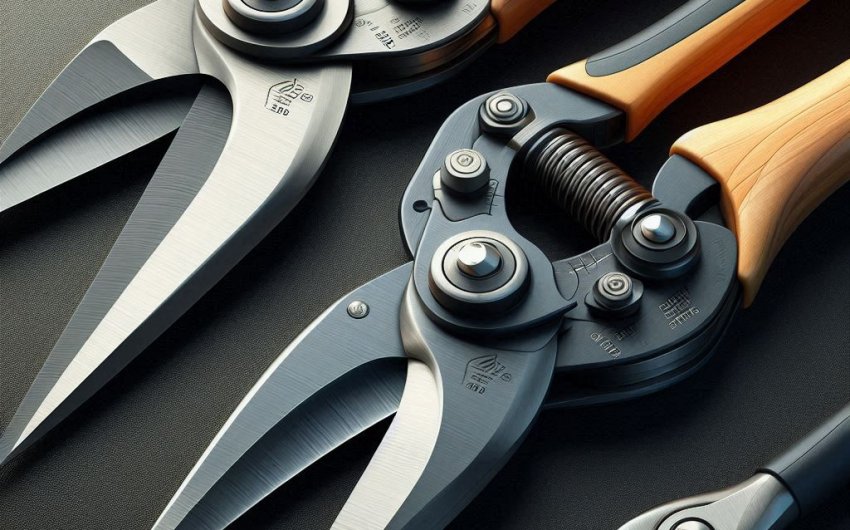
Selecting the ideal tool for trimming thicker branches is crucial for maintaining the health and aesthetics of your garden, and understanding how to effectively choose the right loppers for pruning is a game-changer for any gardener. Unlike hand pruners, loppers offer extended reach and increased leverage, making them indispensable for tackling woody stems that are too robust for smaller tools. This extensive guide will navigate the various types of loppers, highlight key features to consider, and provide expert tips on maintenance, ensuring you make the best choice for your specific gardening needs and achieve clean, precise cuts every time.
What are the different types of lopper blades?
The blade mechanism is the most critical factor when choosing loppers for pruning, as it dictates the type of cuts they excel at and the kind of material they are best suited to handle. Understanding the distinction between bypass and anvil loppers will significantly influence your pruning success.
Bypass Loppers
- How they work: Bypass loppers operate much like a pair of scissors. They feature two blades that slide past each other, with one sharpened blade passing by a thicker, unsharpened "hook" blade. This creates a clean, precise cut.
- Best for:
- Live, green branches: Their scissor-like action minimizes crushing and bruising, allowing for clean cuts that heal quickly. This is crucial for the health of your plants.
- Branches typically ranging from 1.5 to 2 inches (3.8 to 5 cm) in diameter, though some heavy-duty models can handle slightly more.
- Tasks where clean cuts are paramount, such as shaping shrubs, pruning fruit trees, or maintaining ornamental plants.
- Why they're great: They make the cleanest cuts, which is essential for plant health. The precision prevents damage to surrounding tissue, reducing the risk of disease entry.
- Limitations:
- Not ideal for dead or very tough, dry wood. The blades can become twisted or jammed when forced through unyielding material.
- They require more hand strength than anvil loppers for the same size cut, especially on harder wood, though long handles compensate for this.
- Recommendation: For the majority of pruning tasks involving live wood, bypass loppers are the preferred choice for gardeners who prioritize plant health and clean cuts. You can find many reliable bypass loppers available.
Anvil Loppers
- How they work: Anvil loppers have a single sharp blade that closes down onto a flat, unsharpened "anvil" surface. The cutting action is more like a knife pressing onto a cutting board.
- Best for:
- Dead, dry, or very woody branches: They excel at crushing through tough, unyielding material that might damage bypass blades.
- Branches similar in diameter to bypass loppers, usually up to 1.5 to 2 inches (3.8 to 5 cm).
- Removing old, dead growth from shrubs or trees.
- Why they're great: They require less squeezing force to cut through hard material because the blade pushes directly onto the anvil. This makes them a good choice for gardeners with less hand strength or for large quantities of tough pruning.
- Limitations:
- They tend to crush or bruise live plant tissue rather than making a clean slice. This can leave ragged wounds that are slow to heal and more susceptible to disease.
- Not recommended for delicate pruning or shaping of live plants.
- Recommendation: If your primary task involves removing a lot of deadwood or very tough, fibrous branches, anvil loppers can be a useful addition to your tool shed. Look for anvil loppers for this purpose.
What handle features are important for loppers?
The handles of your loppers for pruning are crucial for comfort, reach, and the leverage you can apply. Different handle materials and lengths offer distinct advantages.
Handle Length
- Longer handles: Provide greater leverage, meaning you can cut thicker branches with less effort. They also offer extended reach, allowing you to access branches higher up or deeper within dense shrubs without a ladder. Common lengths range from 20 inches (50 cm) to 32 inches (80 cm) or more.
- Shorter handles: Are more compact and easier to maneuver in tight spaces. They require more effort for larger cuts but offer more control for precision work.
- Consider your needs:
- For general garden maintenance and occasional thicker cuts, a mid-range length (around 24-28 inches) is often a good all-around choice.
- For reaching high branches or consistently tackling very thick material, longer handles are beneficial.
- For detailed shaping in confined spaces, shorter handles might be preferred.
Handle Material
The material of the lopper handles affects their weight, durability, and shock absorption.
- Steel (tubular steel):
- Pros: Very strong and durable.
- Cons: Can be heavy, which might lead to fatigue during extended use. Less shock absorption.
- Aluminum:
- Pros: Lightweight, reducing fatigue. Rust-resistant.
- Cons: Not as strong as steel for extreme leverage, can bend under excessive force.
- Fiberglass:
- Pros: Very lightweight and strong. Excellent at absorbing shock and vibrations, reducing impact on your hands and wrists.
- Cons: Can be more expensive than steel or aluminum.
- Wood:
- Pros: Traditional look, good shock absorption, generally affordable.
- Cons: Can be prone to rot or splintering if not maintained. Heavier than fiberglass or aluminum.
Grip and Ergonomics
Comfortable grips and good ergonomics are vital, especially if you plan to do a lot of pruning.
- Non-slip grips: Look for handles with rubberized or textured grips that provide a secure hold, even when wet or when wearing gloves.
- Shock absorption: Some loppers incorporate features like rubber bumpers or spring systems to absorb the shock of cutting, protecting your joints.
- Weight distribution: The balance of the loppers can affect how they feel in your hands. Test them out if possible to see if they feel balanced and easy to wield.
What cutting capacity do loppers offer?
The cutting capacity of loppers refers to the maximum diameter of branch they are designed to cut. This is a critical specification when choosing loppers for pruning, as attempting to cut branches thicker than the tool's capacity can damage the loppers or result in a poor, unsafe cut.
Understanding Cutting Capacity Ratings
- Lopper manufacturers typically state the maximum cutting capacity in inches or millimeters (e.g., "cuts up to 1.5 inches" or "up to 38mm").
- This rating is an indicator, but actual performance can vary based on:
- Blade sharpness: A sharp blade cuts more efficiently.
- Wood type: Cutting through hard, dense oak is different from soft, green willow.
- Lopper design: The specific leverage mechanism and blade strength play a role.
- User strength: How much force the gardener can apply.
Why is matching capacity important?
- Tool damage: Forcing loppers to cut branches beyond their capacity can bend or break blades, handles, or pivot mechanisms.
- Poor cuts: Trying to cut too-thick branches often results in ragged, incomplete cuts that damage the plant and are slow to heal.
- Safety: Over-extending the tool's limits increases the risk of the blades slipping or the tool breaking, leading to injury.
What are common cutting capacities?
- Standard duty: Typically handle branches up to 1.5 inches (3.8 cm). Good for general shrub maintenance and smaller tree limbs.
- Heavy duty: Can cut branches up to 2 inches (5 cm), sometimes slightly more. These are robust tools for more demanding tasks.
- Bypass vs. Anvil: While both types of loppers can have similar cutting capacities, bypass loppers are limited by the hardness of the live wood, whereas anvil loppers are often better for tougher, dead wood within their rated capacity.
Power-Assisted Mechanisms
To enhance cutting capacity and reduce user effort, some loppers incorporate special gearing or mechanisms:
- Gearing mechanisms: Many loppers, especially bypass types, feature gearing systems that amplify the force applied to the handles, making it easier to cut thicker branches. This is similar to the concept of ratchet loppers but usually with a single, smooth cut rather than a multi-stage action. Look for terms like "power gear" or "compound action."
- Blade designs: Some loppers have specialized blade designs or coatings that reduce friction, further improving cutting efficiency.
When choosing, consider the thickest branches you realistically expect to cut regularly. It's often better to have a slightly higher capacity than you think you'll need, giving you a margin of safety and efficiency.
What are important blade materials and coatings?
The quality of the blades on your loppers for pruning directly impacts their sharpness, durability, and resistance to wear and rust. Different materials and coatings offer various advantages.
Blade Materials
- High-Carbon Steel:
- Pros: This is a very common and popular material for quality lopper blades. It holds a sharp edge exceptionally well, allowing for precise and clean cuts.
- Cons: Prone to rust and corrosion if not properly cleaned and maintained (wiped down and oiled after each use).
- Stainless Steel:
- Pros: Much more resistant to rust and corrosion than high-carbon steel, making maintenance slightly easier.
- Cons: Generally does not hold as sharp an edge as high-carbon steel and may dull more quickly. Less common for primary cutting blades on heavy-duty loppers.
- Forged Steel:
- Pros: Blades are heated and hammered into shape, aligning the grain of the metal for superior strength, durability, and edge retention. This is characteristic of high-quality, long-lasting tools.
- Cons: Often more expensive due to the manufacturing process.
Blade Coatings
Many manufacturers apply coatings to lopper blades to enhance their performance and longevity.
- Non-stick Coatings (e.g., PTFE/Teflon, often black):
- Pros: Reduces friction during cutting, making cuts easier and smoother. Prevents sap and other plant residues from sticking to the blades, making cleaning much easier. Offers some protection against rust.
- Cons: Can wear off over time, especially with heavy use.
- Rust-Resistant Coatings:
- Pros: Provides an extra layer of protection against corrosion, extending the life of the blades, particularly in humid environments.
- Hard Chrome Plating:
- Pros: Creates a very hard, durable surface that resists wear, rust, and sap buildup. Often found on professional-grade tools.
- Cons: Can be more expensive.
Tips for Blade Care
No matter the material or coating, proper care is essential:
- Clean after every use: Wipe off sap and debris.
- Sharpen regularly: Even the best blades will dull over time. Use a lopper sharpener or diamond file appropriate for your blade type.
- Lubricate: Apply a light coat of tool oil to the blades and pivot point before storing to prevent rust and ensure smooth operation.
Investing in loppers with high-quality blade materials and durable coatings will provide you with a tool that remains sharp, cuts efficiently, and lasts for many seasons of pruning.
What safety features should loppers have?
Safety should always be a top priority when working with sharp tools like loppers for pruning. While proper technique is key, certain design features can enhance user safety and prevent accidents.
Essential Safety Features:
- Secure Locking Mechanism:
- Importance: This is crucial for safe storage and transport. The loppers should have a sturdy and reliable lock that keeps the blades securely closed when not in use.
- Functionality: It should be easy to engage and disengage with one hand, without accidental opening.
- Non-Slip Grips:
- Importance: Handles should have a firm, comfortable, non-slip grip to prevent hands from slipping, especially when wet, sweaty, or gloved.
- Material: Rubberized or textured plastic coatings provide better grip than smooth metal or plastic.
- Shock Absorption:
- Importance: Features that absorb the impact of cutting (like rubber bumpers or internal spring systems) reduce strain on your hands, wrists, and arms. This not only improves comfort but also reduces the risk of injury from repetitive stress.
- Benefits: Especially important for heavy-duty loppers or for gardeners with joint issues.
- Blade Guards/Covers (for storage):
- Importance: While not always built-in, some loppers come with, or you can purchase separately, blade guards or sheaths. These protect the sharp blades from damage and prevent accidental cuts when the loppers are stored in a shed or toolbox.
General Safety Practices When Using Loppers:
Even with safety features, your own vigilance is paramount:
- Wear appropriate safety gear: Always wear gardening gloves to protect your hands. Consider safety glasses when cutting overhead or through springy branches, as debris can fly.
- Maintain a stable stance: Ensure you have firm footing before making a cut, especially when reaching.
- Clear the area: Make sure no one is in the line of cut, and there are no obstacles or tripping hazards around you.
- Inspect branches: Check branches for hidden wires, nails, or other foreign objects before cutting, as these can damage blades and cause kickbacks.
- Don't overreach: If a branch is out of comfortable reach, use a pole pruner or a sturdy ladder instead of stretching precariously.
- Use the right tool for the job: Never use loppers for branches that are too thick; switch to a pruning saw. Forcing the cut is dangerous.
- Keep hands clear: Always position your hands safely away from the cutting blades.
- Store safely: When finished, clean, dry, and lock your loppers before storing them in a designated, secure place away from children and pets.
By prioritizing safety features and adhering to safe practices, you can confidently and effectively use your loppers for pruning while minimizing the risk of injury.
How do you maintain and sharpen loppers?
Just like any other valuable garden tool, your loppers for pruning require regular maintenance and sharpening to ensure they perform optimally, make clean cuts, and last for many years. Neglecting them will lead to dull blades, inefficient cutting, and premature wear.
Why is Lopper Maintenance Important?
- Plant Health: Sharp, clean loppers make precise cuts that heal quickly, reducing the plant's vulnerability to diseases and pests. Dull blades tear and crush plant tissue, leaving open, vulnerable wounds.
- Tool Longevity: Regular cleaning, sharpening, and lubrication prevent rust, corrosion, and excessive wear on the blades and pivot points, extending the life of your investment.
- Effort Reduction: Sharp tools require significantly less force to make a cut, reducing strain and fatigue on your arms and shoulders.
Steps for Cleaning Loppers:
- After Every Use: This is the most crucial step.
- Remove Sap and Debris: Use a stiff brush or a damp cloth to wipe off all plant sap, dirt, and debris from the blades, pivot points, and handles. Sap is particularly sticky and can harden, making subsequent cuts difficult and promoting rust.
- Clean Stubborn Residue: For tough sap or light rust:
- Rubbing Alcohol: Excellent for dissolving sap and sterilizing the blades.
- Steel Wool or Wire Brush: For scrubbing off stubborn sap or superficial rust spots.
- Fine-Grit Sandpaper: Can be used for more persistent rust or grime.
- Specialized Tool Cleaner: Products like resin remover spray are formulated to dissolve sap.
- Sterilize (especially between plants or after diseased cuts):
- Wipe down blades with rubbing alcohol (70% isopropyl alcohol or higher).
- Alternatively, use a 10% bleach solution (1 part bleach to 9 parts water), but ensure you rinse the blades thoroughly with water immediately afterwards and dry completely, as bleach is highly corrosive.
- Dry Thoroughly: Moisture is the enemy of metal. Ensure all parts of your loppers are completely dry before storing them. Use a clean, dry cloth.
- Lubricate: Apply a light coating of camellia oil, WD-40, or a general tool lubricant to the blades and pivot point. This prevents rust, allows the blades to glide smoothly, and keeps the overall action fluid.
Steps for Sharpening Loppers:
How often you sharpen depends on usage, but a dull blade will "chew" rather than slice.
- Disassemble (if possible): Some loppers can be taken apart, making sharpening easier. Consult your tool's manual.
- Use the Right Sharpening Tool: A diamond sharpening file or a carbide sharpener designed for garden tools are good choices.
- Identify the Cutting Bevel:
- Bypass Loppers: Only sharpen the beveled (angled) edge of the cutting blade. The flat back side of this blade should generally not be sharpened, or only very lightly to remove burrs.
- Anvil Loppers: Sharpen the single cutting blade on its beveled edge.
- Maintain the Original Angle: This is critical. Hold your sharpening tool at the exact same angle as the original bevel of the blade. Consistency is key to a truly sharp edge.
- Sharpening Technique:
- For the beveled side, draw the sharpening tool firmly along the cutting edge, always pushing away from the edge (as if you're pushing metal off the blade).
- Use firm, even strokes, starting at the base of the blade and moving towards the tip. Repeat 5-10 times.
- For the flat side of a bypass blade (or the flat side of an anvil blade), make one or two light passes with the sharpener held completely flat against the blade to remove any burrs that formed during sharpening.
- Test for Sharpness: Carefully (and safely!) test the blade on a piece of paper or a small twig. It should cut cleanly with minimal effort.
- Reassemble and Lubricate: If you disassembled the loppers, put them back together. Apply lubricant to the pivot point and blades for smooth operation.
By dedicating a small amount of time to caring for your loppers for pruning, you ensure they remain a reliable and effective tool for all your gardening endeavors, making light work of otherwise challenging cuts.