
Efficient Watering with a Soaker Hose
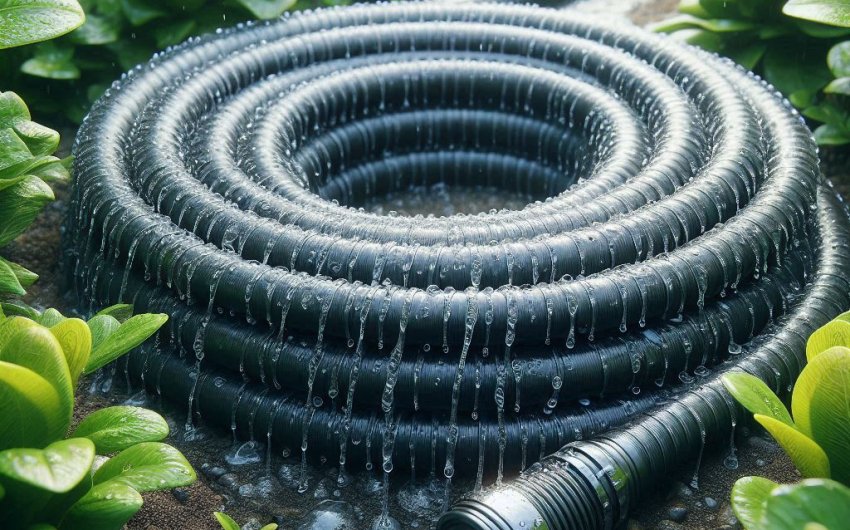
Maintaining a thriving garden requires consistent moisture, but traditional watering methods often waste precious resources. Discover the benefits of efficient watering with a soaker hose, a method that delivers water directly to plant roots, minimizing evaporation and runoff. This guide explores everything you need to know about setting up and using this smart irrigation solution for healthier plants and lower water bills.
Why Should I Use a Soaker Hose for Watering?
Using a soaker hose is a game-changer for gardeners looking to conserve water and provide their plants with optimal hydration. It's a far cry from the wasteful splash of a sprinkler or the uneven coverage of hand watering.
What Are the Water Efficiency Benefits?
Water conservation is increasingly important, and a soaker hose stands out as one of the most efficient ways to hydrate your garden.
- Direct Root Delivery: Unlike sprinklers that spray water into the air, a soaker hose delivers water slowly and directly to the plant's root zone. This means minimal water is lost to evaporation or wasted on areas where it's not needed.
- Reduced Evaporation: Because the water seeps out slowly at ground level, less surface area is exposed to the sun and wind, drastically cutting down on evaporative loss, especially during hot, sunny weather.
- Minimized Runoff: The slow, steady release of water allows the soil to absorb it effectively. Fast-flow sprinklers or hand watering can lead to water pooling on the surface and running off before it can penetrate deeply, especially in dense or sloped soils.
- Targeted Watering: You can place the soaker hose precisely where your plants need water, avoiding watering pathways or weeds. This means every drop counts for your intended plants.
- Less Water Waste: By avoiding evaporation and runoff, a soaker hose system uses significantly less water than traditional methods, leading to lower water bills and a more sustainable gardening practice.
What Are the Plant Health Benefits?
Beyond saving water, soaker hoses contribute directly to healthier and more robust plants.
- Deep and Consistent Watering: Plants thrive on deep, infrequent watering rather than shallow, frequent sprinkles. Soaker hoses provide a slow, steady soak that encourages roots to grow deeper, making plants more resilient to drought. This consistency prevents the stress of fluctuating moisture levels.
- Reduced Disease Risk: Sprinkler watering or overhead watering wets plant foliage, which can create a humid environment conducive to fungal diseases like powdery mildew, black spot, or blight. A soaker hose keeps leaves dry, drastically reducing the risk of these common plant ailments.
- Better Nutrient Absorption: Deep watering helps nutrients in the soil dissolve and become accessible to plant roots. When water only penetrates the surface, nutrients can remain locked away, leading to deficiency symptoms.
- Less Soil Compaction: The gentle seep of a soaker hose doesn't disturb the soil structure like a forceful spray might. This maintains soil aeration and prevents compaction, which is vital for healthy root growth and water penetration.
- Fewer Weeds: Since water is delivered directly to your desired plants and not the spaces in between, fewer weed seeds in the unwatered areas will germinate and grow. This means less weeding for you!
What Are the Convenience and Cost Benefits?
Using a soaker hose can make your gardening life much easier and even save you money in the long run.
- Time-Saving: Once set up, a soaker hose allows for "set it and forget it" watering. You simply turn on the faucet and let it run for the recommended time, freeing you up for other tasks. This is a huge time saver compared to hand watering.
- Flexibility: Soaker hoses are easy to move and reconfigure if your garden layout changes or if you plant new areas. You can customize them to fit specific bed shapes.
- Cost-Effective: While there's an initial investment for the hose, the long-term savings on water bills (due to increased efficiency) can be substantial. They also tend to be less expensive and simpler to install than complex drip irrigation systems.
- Hands-Off Operation: No more standing with a hose or moving sprinklers around. This is especially beneficial for large gardens or for gardeners with physical limitations.
- Can Be Automated: Combine a soaker hose with an automatic water timer for ultimate convenience. You can set it to water at specific times and durations, even when you're away from home.
What Types of Soaker Hoses Are Available?
Not all soaker hoses are created equal. Understanding the different types can help you choose the best one for your garden's specific needs and budget.
Recycled Rubber Soaker Hoses
These are often the most common and budget-friendly type of soaker hose. They are made from recycled rubber, giving them a dark, sometimes black, appearance.
- Pros:
- Cost-effective: Generally the cheapest option.
- Environmentally friendly: Made from recycled materials, often old tires.
- Durable: Tend to be quite robust and resistant to kinking once laid out.
- Flexible: More flexible than some vinyl options, making them easy to snake through garden beds.
- Cons:
- Leaching: Some concerns about chemicals potentially leaching from the rubber, though most manufacturers assure safety for gardening.
- Odor: Can have a strong rubber smell, especially when new.
- Weight: Heavier than vinyl hoses, which can be a pro for stability but a con for portability.
- Perforation: Pores can sometimes clog with sediment over time if water isn't filtered.
- Best For: General garden beds, vegetable patches, areas where cost and durability are key. Many gardeners find a reliable rubber soaker hose to be their go-to.
Porous Vinyl Soaker Hoses
These hoses are made from various types of vinyl or plastic, often appearing lighter in color (green, brown, or black) and feeling softer than rubber.
- Pros:
- Lightweight: Easier to move and manipulate.
- Clean: No rubber odor and generally fewer concerns about leaching (though check manufacturer specifics).
- Flexible: Very pliable, making them good for winding around plants.
- Cons:
- Less Durable: Can be more prone to kinking, cracking, or damage from UV light over time compared to rubber.
- Pressure Sensitivity: Can sometimes weep more unevenly if water pressure isn't consistent along the length.
- Cost: Often slightly more expensive than recycled rubber.
- Best For: Smaller garden beds, container gardens, or areas where flexibility and weight are a priority.
Flat Soaker Hoses
These hoses are designed to lie flat when not in use and swell into a round shape when pressurized with water. They are usually made from a combination of fabric and a porous inner liner.
- Pros:
- Compact Storage: Very easy to roll up and store when not in use.
- Lightweight: Extremely light.
- Even Water Distribution: Often praised for their even water distribution along the hose length.
- Cons:
- Durability: Can be less puncture-resistant than rubber or standard vinyl.
- Kinking: Can be prone to twisting or kinking if not laid out carefully.
- Puncture Risk: Fabric outer layer can be susceptible to damage from garden tools or sharp objects.
- Best For: Raised beds, temporary watering needs, or gardeners who prioritize easy storage.
Soaker Hose Connectors and Accessories
To make your soaker hose system truly efficient and customized, you'll need a few key accessories.
- Fittings: Look for durable brass fittings over plastic ones, as they are less likely to crack or leak over time. You'll need connectors to attach the hose to your faucet, to extend lengths, or to cap off ends.
- Water Pressure Regulator: Soaker hoses are designed to work at low pressure (typically 10-25 PSI). A water pressure regulator is crucial to prevent bursting and ensure even weeping.
- Filter: A small filter attached to your spigot can prevent sediment from clogging the tiny pores of your soaker hose, especially if you have well water.
- Y-Connectors: A Y-connector allows you to run two soaker hoses (or a soaker hose and a regular hose) from a single spigot.
- Hose Stakes: Hose stakes can help hold your soaker hose in place in your garden beds, preventing it from shifting.
- End Caps: If your soaker hose doesn't come with a sealed end, you'll need an end cap or crimp to close it off.
How Do I Set Up My Soaker Hose System?
Setting up your soaker hose for efficient watering is a straightforward process, but a little planning goes a long way.
- Plan Your Layout:
- Garden Beds: Sketch out your garden beds. Soaker hoses are best laid in straight lines or gentle curves, following rows of plants.
- Spacing: Place the hose 6-12 inches from the base of plants, or in between rows. For wider beds, you might need multiple parallel runs of hose, spaced about 12-24 inches apart.
- Length: Soaker hoses are most effective in lengths of no more than 100 feet per single run. Longer runs can lead to uneven watering, with the end of the hose getting less water than the beginning.
- Gather Your Materials:
- Soaker hose (recycled rubber soaker hose, porous vinyl soaker hose, or flat soaker hose) in the appropriate length(s).
- Garden hose (regular hose) to connect the soaker hose to your spigot.
- Water pressure regulator (essential to prevent bursting and ensure even weeping).
- Filter (optional but recommended if your water has sediment).
- Fittings (if your hose doesn't come with them, or if you need to extend/cap).
- Hose stakes (optional, to secure the hose).
- Hacksaw or sharp utility knife (if cutting the hose).
- Connect the Components (in order):
- Spigot: Connect your regular garden hose to the spigot.
- Filter: If using, attach the filter to the end of the garden hose.
- Pressure Regulator: Attach the water pressure regulator to the filter (or directly to the garden hose if no filter). This is crucial!
- Soaker Hose: Attach the soaker hose directly to the pressure regulator.
- End Cap: Ensure the very end of the soaker hose is capped or crimped to prevent water from gushing out.
- Lay Out the Soaker Hose:
- Position Carefully: Gently lay the soaker hose in your garden beds according to your plan. Avoid sharp bends or kinks, which can restrict water flow.
- Secure (Optional): Use hose stakes every few feet to keep the hose in place, especially around curves or if you have curious pets.
- Bury or Mulch (Recommended):
- Burying: You can lightly bury the soaker hose 1-3 inches deep. This hides it, protects it from UV damage, and further reduces evaporation. Be careful not to damage it with garden tools later.
- Mulching: Covering the soaker hose with a layer of mulch (e.g., wood chips, straw, shredded leaves) is an excellent option. Mulch hides the hose, significantly reduces evaporation, and helps maintain consistent soil temperature.
- Test the System:
- Turn on Water: Slowly turn on your spigot.
- Check for Weeping: Observe the entire length of the soaker hose. You should see a slow, even "weeping" or dripping of water from the pores. It shouldn't be spraying or gushing water.
- Adjust Pressure: If the weeping is uneven, check your water pressure regulator. If it's gushing, your pressure is too high.
- Check for Leaks: Look for any leaks at connection points and tighten if necessary.
How Long Should I Water with a Soaker Hose?
Determining the right watering duration with a soaker hose is key to providing deep, efficient hydration without wasting water or overwatering. It's not a one-size-fits-all answer, as many factors come into play.
Factors Affecting Watering Duration
- Soil Type:
- Sandy Soil: Drains quickly, so it will need more frequent, shorter watering sessions.
- Loamy Soil: A good balance, holds moisture well, so average watering times.
- Clay Soil: Drains slowly, needs less frequent but longer watering sessions to allow water to penetrate deeply without runoff.
- Plant Needs:
- Shallow-rooted plants: May need shorter watering times.
- Deep-rooted plants (e.g., tomatoes, squash): Need longer watering sessions to encourage deep root growth.
- Thirsty plants (e.g., corn, squash, cucumbers): Will require more water.
- Drought-tolerant plants (e.g., rosemary, lavender): Need less frequent watering.
- Weather Conditions:
- Hot, Sunny, Windy Days: Evaporation rates are higher, and plants use more water, so you'll need longer or more frequent watering.
- Cool, Cloudy Days: Evaporation is low, and plants use less water, so reduce watering time or frequency.
- Rainfall: Obviously, reduce or stop watering after significant rain.
- Hose Length and Water Pressure:
- Longer Hoses: May require longer run times to ensure the entire length is saturated, especially the far end.
- Water Pressure: The pressure regulator ensures low, consistent pressure, but variations in water flow can affect saturation time.
The Tuna Can Test (Recommended for First-Timers)
This simple test helps you gauge how long it takes for water to penetrate your soil and reach a sufficient depth.
- Place Cans: Place empty tuna cans or similar shallow containers around your soaker hose, ensuring they are near weeping sections.
- Run Water: Turn on your soaker hose for a specific amount of time (e.g., 30 minutes, 1 hour).
- Check Penetration: After the watering time, dig into the soil a few inches away from the hose. Use a trowel or small shovel to see how deep the water has penetrated. You want the soil to be moist at least 6-8 inches deep for most vegetables.
- Adjust and Repeat:
- If the water hasn't gone deep enough, increase your watering time.
- If the soil is saturated deeper than needed or you see runoff, decrease the time.
- Repeat the test until you find the ideal duration that wets the soil to the desired depth.
General Guidelines (Start Here, Then Adjust)
- Most Vegetable Gardens: Start with 30 minutes to 2 hours of watering, 2-3 times a week, depending on your climate and soil.
- Clay Soils: Water longer (e.g., 1.5-3 hours) but less frequently (e.g., 1-2 times a week).
- Sandy Soils: Water shorter (e.g., 30 minutes to 1.5 hours) but more frequently (e.g., 3-4 times a week).
- Established Perennials/Shrubs: May need longer, less frequent soaks once established to encourage very deep roots.
When to Water
- Early Morning: This is generally the best time. It allows water to soak in before the sun causes significant evaporation, and any moisture on foliage (though minimal with soaker hoses) has time to dry, reducing disease risk.
- Avoid Midday: High evaporation.
- Avoid Evening: Soil stays wet overnight, which can encourage fungal issues.
What Are Common Soaker Hose Problems and How Do I Fix Them?
While efficient watering with a soaker hose is generally straightforward, you might encounter a few common issues. Knowing how to troubleshoot them will keep your system running smoothly.
Uneven Water Distribution (Some Parts Weep More/Less)
This is a frequent complaint, especially with longer hoses.
- Cause 1: High Water Pressure: Soaker hoses are designed for low pressure. Too much pressure will cause water to gush out near the faucet and hardly trickle at the end, and can even burst the hose.
- Fix: Ensure you have a water pressure regulator installed right at the spigot connection. This is the most crucial fix for uneven watering. Adjust it to the recommended PSI (usually 10-25 PSI).
- Cause 2: Too Long a Run: Most soaker hoses are effective up to about 100 feet in a single run. Beyond that, the pressure naturally drops too much to provide even distribution.
- Fix: If your run is longer than 100 feet, split it into two shorter runs using a Y-connector at the spigot. You might need a pressure regulator on each run.
- Cause 3: Kinks or Obstructions: A sharp bend or a partial blockage inside the hose can restrict flow.
- Fix: Carefully straighten any kinks. If you suspect an internal blockage, disconnect the hose and try flushing it out.
- Cause 4: Clogged Pores: Sediment or mineral buildup in your water can clog the tiny pores of the hose over time.
- Fix: Use a filter at the spigot connection to prevent sediment. If already clogged, try flushing the hose in reverse. For mineral buildup, some suggest soaking the hose in a diluted vinegar solution, but check manufacturer recommendations first.
Hose is Not Weeping at All
If no water is coming out, it's usually a simple blockage or connection issue.
- Cause 1: Kinked or Pinched Hose: The hose might be bent sharply, blocking water flow.
- Fix: Inspect the entire length of the hose and straighten any kinks.
- Cause 2: Closed End Cap: The end of the hose might be completely sealed shut (which is good) but preventing any water from entering if the main connection isn't properly attached.
- Fix: Ensure your soaker hose is properly connected to your water source and the spigot is turned on.
- Cause 3: No Water Pressure: The faucet might not be fully open, or there's a problem with your main water supply.
- Fix: Check your spigot and overall water pressure.
Hose Bursts or Sprays Water
This is almost always due to excessive water pressure.
- Cause: The water pressure from your home's spigot is too high for the soaker hose's delicate pores.
- Fix: Immediately install a water pressure regulator at the beginning of your soaker hose system. This is non-negotiable for soaker hose longevity.
Pests Chewing on the Hose
Rodents like voles, mice, or even pets can sometimes chew through soaker hoses.
- Fix:
- Burying: Lightly burying the hose (1-3 inches deep) can deter some pests.
- Mulching: Covering with a thick layer of mulch (like wood chips) provides a physical barrier.
- Placement: If possible, avoid placing the hose right next to known rodent burrows.
- Repellents: Some gardeners use natural repellents like castor oil or peppermint oil around the garden.
- Protection: In severe cases, you might need to run the soaker hose inside a larger, tougher pipe in areas prone to chewing.
Weeds Growing on or Around the Hose
While soaker hoses generally reduce weeds, some can still sprout close to the hose.
- Cause: Water seeping from the hose can still moisten soil where weed seeds are present.
- Fix:
- Mulch: A thick layer of mulch on top of the hose is the best defense against weeds.
- Targeted Placement: Ensure the hose is only watering your desired plants, not wide open areas.
- Hand Weeding: Quickly pull any weeds that do sprout.
- Fix:
What Are Advanced Tips for Soaker Hose Optimization?
Once you've mastered the basics of efficient watering with a soaker hose, you can implement some advanced strategies to further optimize your system, enhance water conservation, and boost your garden's health.
Use a Water Timer
- Automation: The best way to achieve truly efficient watering is to combine your soaker hose with an automatic water timer.
- Benefits:
- Consistency: Ensures your plants get water at the precise times and durations you set, eliminating guesswork and forgetfulness.
- Optimal Timing: Allows you to water in the early morning (the ideal time) even if you're not awake.
- Water Savings: Prevents overwatering or underwatering by delivering exact amounts.
- Freedom: You can go on vacation without worrying about your plants drying out.
- Types: Look for a simple mechanical timer or a programmable digital water timer with multiple start times and durations. Some even have rain sensors.
- Benefits:
Bury or Mulch Your Soaker Hose
This simple step dramatically increases the efficiency of your soaker hose.
- Burying: Lightly bury the hose 1-3 inches deep.
- Benefits: Completely eliminates surface evaporation from the hose, protects it from UV degradation (extending its lifespan), and hides it for aesthetics.
- Caution: Mark the location of your hose to avoid accidentally damaging it with garden tools later.
- Mulching: Laying a thick layer of mulch (2-4 inches) over your soaker hose.
- Benefits: Just like burying, mulch significantly reduces evaporation from the soil surface and protects the hose from UV. It also suppresses weeds, regulates soil temperature, and slowly adds organic matter to your soil.
- Recommended Mulches: Wood chips, straw, shredded leaves, or coco coir mulch.
Group Plants by Water Needs
For maximum efficiency, design your garden so that plants with similar water requirements are on the same soaker hose line.
- Example: Don't put drought-tolerant herbs like rosemary and lavender on the same line as thirsty tomatoes and squash.
- Benefits: Allows you to tailor watering durations and frequencies to the specific needs of each plant group, preventing overwatering sensitive plants and underwatering thirsty ones.
Use Dedicated Main Lines
Instead of running your soaker hose directly from a distant spigot, consider installing a dedicated, non-porous main line (e.g., standard garden hose or PVC pipe) to the beginning of your garden bed.
- Benefits:
- Even Pressure: Ensures consistent pressure at the start of your soaker hose line, even if it's far from the spigot.
- No Wasted Water: Water isn't slowly leaking along pathways or areas where it's not needed.
- Neater Appearance: Less visible hose snaking across your yard.
Check Soil Moisture Regularly
Even with a perfectly calibrated system, it's wise to regularly check the soil moisture.
- Finger Test: Stick your finger 2-3 inches deep into the soil. If it feels moist, wait. If it feels dry, it's time to water.
- Moisture Meter: For a more precise reading, use a soil moisture meter. These tools give you a numerical indication of soil wetness, helping you fine-tune your watering schedule.
- Plant Signs: Learn to recognize the signs of thirsty plants (wilting, drooping) so you can adjust your schedule before stress sets in.
Install a Rain Sensor
Some advanced automatic water timers can be connected to a rain sensor.
- Benefits: Automatically pauses your watering schedule when it rains, preventing unnecessary watering and saving even more water. This is an excellent feature for conserving water during unpredictable weather.
By implementing these strategies, your soaker hose will become an even more powerful tool for efficient watering, ensuring your garden thrives while conserving precious resources.