
The Benefits of Using a Planting Fork
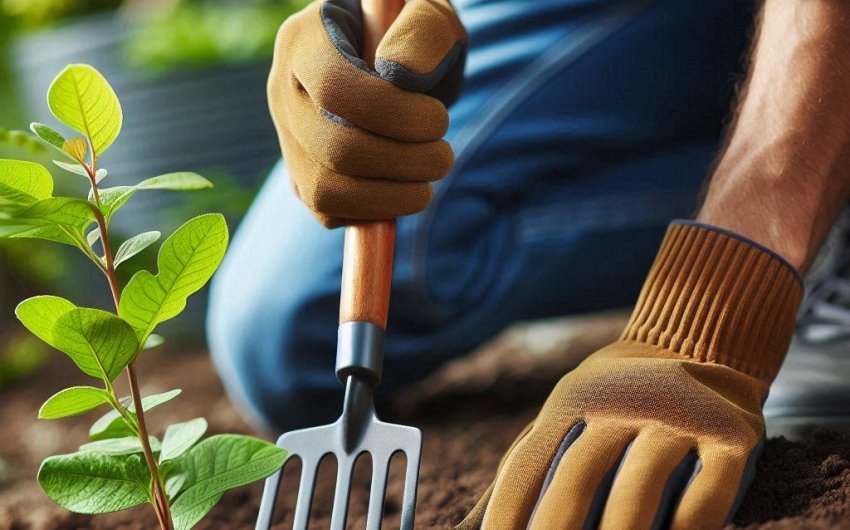
Every passionate gardener knows that the right tools can transform daunting tasks into enjoyable experiences. While spades and trowels are garden staples, the planting fork, sometimes called a digging fork or broadfork depending on its size and design, often remains an unsung hero. This versatile tool is far more than just a pitchfork; its unique design makes it exceptionally effective for a variety of soil preparation and cultivation tasks. Understanding the distinct advantages of incorporating a planting fork into your gardening arsenal can significantly improve soil health, plant vigor, and overall gardening efficiency, making your efforts more rewarding.
What Exactly is a Planting Fork?
A planting fork is a gardening tool with a long handle and a head composed of several sturdy tines (prongs). Unlike a shovel, which has a solid blade, the tines of a fork allow it to penetrate soil more easily and with less disturbance. The specific design and number of tines can vary, leading to different names for forks used in gardening, but their core purpose is similar: to work the soil without inverting its layers.
How Does a Planting Fork Differ from a Spade or Shovel?
The primary difference lies in the head of the tool.
- A spade or shovel has a solid, flat, or slightly curved blade. Its main purpose is to lift and move soil, or to cut through roots. When you dig with a shovel, you often create a sharp, distinct hole and can easily invert (turn over) soil layers. This can disrupt the delicate soil ecosystem.
- A planting fork, with its multiple tines, is designed to pierce and loosen soil. It excels at breaking up clumps, aerating, and incorporating amendments without inverting the soil layers. This minimal disturbance is key to maintaining soil structure and microbial life.
- Imagine trying to fluff up compacted soil: a shovel would cut out chunks, while a fork would gently wiggle and loosen the entire area.
What are the Different Types of Garden Forks?
While often referred to simply as "planting forks," variations exist, each suited for slightly different tasks:
- Digging Fork (Garden Fork): This is the most common type. It typically has four square-shaped, strong tines and a D-handle. It's excellent for breaking up compacted soil, turning compost, lifting root crops, and mixing in amendments.
- Border Fork: A smaller, lighter version of the digging fork, designed for working in tighter spaces like perennial borders or raised beds where a full-sized digging fork might be too cumbersome.
- Broadfork: A much larger, two-handled tool with longer, wider-spaced tines, designed to aerate and loosen large areas of garden beds with minimal effort, allowing the user to stand upright while working. It's ideal for no-dig or deep mulching systems.
- Pitchfork (Manure Fork): While similar in appearance, a pitchfork typically has longer, more widely spaced, rounded tines designed for moving loose, bulky materials like hay, straw, or manure, rather than for digging or breaking up soil. For most home gardening tasks involving soil, a standard digging fork is what people generally mean by a "planting fork."
What Materials are Best for a Planting Fork?
The durability and performance of a planting fork depend heavily on its construction materials.
- Tines: Look for tines made from forged steel or stainless steel. Forged steel is incredibly strong and durable, capable of withstanding heavy use in tough soil. Stainless steel offers excellent rust resistance, which is a big plus for a tool that frequently touches moist earth. Cheaper forks often use stamped or mild steel, which can bend or break more easily.
- Handle: Handles are commonly made from ash wood (known for its strength and flexibility) or fiberglass (durable, weather-resistant, and lighter). Ash handles offer a classic feel and good shock absorption, while fiberglass is virtually indestructible and maintenance-free.
- Handle Shape: The traditional D-handle or T-handle provides a secure grip and leverage. A good quality planting fork feels solid and balanced in your hands.
What Are the Key Benefits of Using a Planting Fork for Soil?
The core advantage of a planting fork lies in its ability to improve soil health and structure, which in turn leads to stronger plants and better harvests. It's a tool that works with your soil, rather than against it.
How Does it Improve Soil Aeration?
One of the most significant benefits of a planting fork is its ability to improve soil aeration. When you push the tines into the ground and rock the handle back and forth, you create small air pockets throughout the soil.
- Oxygen for Roots: Roots need oxygen to breathe and grow properly. Compacted soil starves roots of oxygen, leading to stunted plant growth.
- Microbial Activity: Good aeration encourages beneficial soil microbes and fungi, which are essential for breaking down organic matter and making nutrients available to plants.
- Water Infiltration: Aerated soil allows water to penetrate deeply and quickly, reducing runoff and ensuring moisture reaches the root zone. This makes the planting fork an excellent tool for preparing new garden beds or revitalizing existing ones.
Why is it Better for Soil Structure than a Shovel?
A planting fork is superior to a shovel for maintaining soil structure. When you dig with a shovel, especially in heavy clay, you can create hardpan (a compacted layer) and invert the soil layers, burying beneficial topsoil and bringing less fertile subsoil to the surface. This also disrupts the natural layering of microorganisms.
- Minimal Disturbance: A planting fork gently loosens and lifts the soil without flipping it over. This preserves the delicate network of fungal hyphae and bacterial colonies that form the soil food web.
- Retains Layers: It respects the natural stratification of soil horizons, keeping organic matter and microbial activity where it's most beneficial in the upper layers. This approach supports no-dig gardening or low-till gardening principles, which are highly beneficial for long-term soil health.
How Does it Help with Water Infiltration and Drainage?
Compacted soil acts like a barrier, causing water to run off the surface rather than soaking in. By aerating with a planting fork, you directly address this issue.
- Improved Penetration: The channels created by the tines allow water to quickly infiltrate compacted layers, ensuring that valuable moisture reaches deeper into the root zone where plants can access it.
- Reduced Runoff: Less runoff means less wasted water and less soil erosion.
- Better Drainage: For areas prone to waterlogging, a planting fork can help improve drainage by loosening the soil and preventing standing water, which can lead to root rot. Proper water management is critical for plant health, and the planting fork is a key tool in this.
How Does it Aid Nutrient Uptake?
Healthy soil structure directly impacts a plant's ability to absorb nutrients.
- Root Growth: When soil is loose and aerated, plant roots can easily spread and grow deeper and wider, exploring more soil volume for nutrients and water.
- Microbial Action: Improved aeration supports the activity of soil microorganisms that convert organic matter and minerals into forms readily absorbed by plants.
- Even Distribution: When incorporating compost or other soil amendments, a planting fork helps distribute these materials evenly throughout the soil, making them accessible to roots. By making the soil a more welcoming environment, a planting fork indirectly boosts the nutrient uptake efficiency of your plants.
What Tasks is a Planting Fork Best Suited For?
The versatility of a planting fork makes it invaluable for a range of gardening tasks, from initial bed preparation to harvesting. Its unique design shines in situations where a shovel would be too disruptive or inefficient.
Preparing New Garden Beds and Loosening Soil?
For preparing new garden beds or revitalizing existing ones, a planting fork is far superior to a rototiller or shovel for deep loosening.
- Breaking Up Hardpan: If you have compacted soil or a hardpan layer, the strong tines of a digging fork can penetrate and break up these dense layers with leverage. Simply push the tines in, rock the handle back and forth, and gently lift.
- Creating Fine Tilth: After initial loosening, you can work through the area again, wiggling the fork to break down larger clods into a finer, more workable tilth (the physical condition of the soil in relation to plant growth), ideal for planting seeds or seedlings. This process helps establish a deep, aerated foundation for healthy root development.
Incorporating Compost and Amendments?
When adding organic matter like compost, well-rotted manure, or other soil amendments, a planting fork is the ideal tool for mixing.
- Even Distribution: Unlike a shovel, which might just move large piles around, the tines of a fork allow you to effectively blend amendments throughout the top layer of soil without burying them too deeply or disrupting the soil structure.
- Improved Drainage and Aeration: As you mix, you're simultaneously aerating the soil and improving its drainage, creating a more fertile and hospitable environment for roots. This ensures nutrients are distributed where plant roots can readily access them. Consider a compost bin to generate your own amendments.
Lifting Root Vegetables?
For harvesting root crops like potatoes, carrots, beets, and onions, a planting fork is the tool of choice.
- Minimal Damage: Its tines gently lift the entire plant and surrounding soil, reducing the risk of piercing or damaging the delicate roots and tubers, which is common with a shovel.
- Easy Separation: The tines allow soil to fall away from the roots easily, making it simpler to separate the harvest.
- Less Effort: It requires less brute force than digging up compacted soil with a spade.
Dividing Perennials and Shrubs?
When it's time to divide overcrowded perennials or small shrubs, a planting fork is invaluable.
- Clean Separation: The tines can be inserted into the center of a dense root ball, allowing you to gently pry and separate clumps without excessively damaging the root system.
- Leverage: The long handle provides excellent leverage for lifting heavy root clumps. This helps rejuvenate plants and provides new starts for other areas of the garden or to share.
Removing Weeds with Deep Taproots?
For stubborn weeds with deep taproots like dandelions, dock, or thistles, a planting fork can be more effective and less destructive than simply pulling.
- Loosening Soil: Push the tines deep alongside the taproot to loosen the surrounding soil.
- Gentle Extraction: Gently rock the fork and lift, allowing you to extract the entire taproot without breaking it off, which prevents regrowth. This minimizes soil disturbance while ensuring complete weed removal. A weeding fork can also be useful for smaller weeds.
How Do I Use a Planting Fork Effectively and Safely?
Using a planting fork correctly will maximize its benefits, minimize effort, and ensure your safety. It's a tool that relies on leverage and body weight more than brute strength.
What is the Proper Technique for Using a Planting Fork?
Using a planting fork efficiently involves proper body mechanics:
- Grip: Hold the handle firmly with both hands. Place one hand near the top of the handle and the other further down for leverage.
- Position: Stand squarely, with the fork positioned in front of you.
- Insert Tines: Step on the top bar of the fork (the "tread" or "foot rest") to push the tines vertically into the soil. Aim for full penetration.
- Leverage and Rock: Once the tines are fully inserted, lean back on the handle, using your body weight to leverage the soil upwards. Rock the handle back and forth slightly to further loosen the soil.
- Lift and Shake: Gently lift the fork to aerate or turn the soil, or to lift root crops. Shake off excess soil as needed. Repeat this process, moving across the area you are working on.
How Can I Prevent Back Strain?
Proper posture and technique are crucial to prevent back strain when using a planting fork.
- Bend Your Knees, Not Your Back: Always bend at your knees and hips, keeping your back straight, especially when inserting the tines or lifting.
- Use Your Legs: Push down with your legs and use your body weight to drive the fork into the ground, rather than relying on arm strength.
- Leverage is Key: Let the fork's design do the work. Use the leverage of the long handle to lift and loosen soil, rather than brute force.
- Take Breaks: Don't try to do too much at once. Take regular breaks and stretch.
- Sharp Tines: Keep your tines sharp and clean. Sharp tools require less effort to penetrate soil.
What Maintenance Does a Planting Fork Need?
Like any good garden tool, a planting fork will last longer and perform better with proper maintenance.
- Clean After Use: Always clean soil off the tines after each use. A stiff brush or a hose works well.
- Dry Thoroughly: Ensure the fork is completely dry before storing to prevent rust, especially for steel tines.
- Sharpen Tines: Periodically sharpen the tips of the tines with a metal file. Sharp tines penetrate the soil more easily.
- Oil Metal Parts: If storing for an extended period, or if you notice rust, lightly oil the metal parts (e.g., with linseed oil or WD-40).
- Inspect Handle: Check wooden handles for splinters or cracks and fiberglass handles for damage. Sand and oil wooden handles if they become dry. Proper care extends the life of your tool and makes gardening more enjoyable. A tool sharpening kit is a worthwhile investment.
When Should I Not Use a Planting Fork?
While versatile, there are situations where a planting fork is not the ideal tool:
- Cutting Sod/Thick Roots: A shovel or spade is better for cutting clean edges, slicing through dense sod, or severing thick roots.
- Digging Deep, Narrow Holes: For planting individual trees or fence posts, a post-hole digger or a narrow spade is more efficient.
- Moving Large Volumes of Loose Material: For shoveling large amounts of compost, mulch, or gravel, a scoop shovel is more effective.
- Working in Rocky Soil: While a good fork can handle some rocks, excessively rocky soil can damage the tines. A pickaxe or digging bar might be needed first. Understanding its limitations ensures you choose the right tool for the job.
How Does a Planting Fork Support Sustainable Gardening?
The use of a planting fork aligns perfectly with modern sustainable gardening practices, particularly those focused on building and preserving healthy soil ecosystems.
What is its Role in No-Dig Gardening?
The planting fork is a cornerstone of no-dig gardening (also known as no-till or minimal-till).
- Preserving Soil Layers: No-dig methods emphasize disturbing the soil as little as possible to protect its natural structure, microbial life, and nutrient cycling. A fork allows you to aerate and incorporate organic matter without inverting the soil or destroying its delicate network.
- Building Healthy Soil: By using a fork to loosen and then consistently adding layers of organic matter (mulch, compost) on top, you encourage earthworms and other soil organisms to naturally incorporate the organic matter and create a rich, crumbly soil structure over time. This approach reduces erosion, conserves moisture, and improves long-term soil fertility. For an in-depth look, consider a no-dig gardening book.
How Does it Conserve Soil Moisture?
Healthy, aerated soil, achieved with a planting fork, is much better at retaining moisture.
- Improved Infiltration: As water penetrates more easily into aerated soil, less runs off and more is held in the root zone.
- Reduced Evaporation: Looser soil allows for better capillary action, drawing moisture up from deeper levels, but also helps to break up a hard surface crust that can lead to rapid evaporation.
- Deeper Root Growth: By encouraging deeper root growth, plants become more drought-tolerant and less reliant on frequent surface watering. This contributes to water conservation in the garden.
What About Enhancing Soil Biology?
A thriving soil food web (microbes, fungi, earthworms, insects) is the foundation of a healthy garden. The planting fork supports this vital ecosystem.
- Minimal Disturbance: Unlike tilling, which can destroy fungal networks and harm earthworms, using a fork causes less trauma to the soil's inhabitants.
- Improved Habitat: Aerated soil provides better oxygen levels for aerobic microbes and earthworms, fostering their populations.
- Organic Matter Integration: The fork helps incorporate organic matter (which feeds soil life) into the upper soil layers gently. By nurturing soil biology, you create a more self-sustaining and fertile growing environment.
How Does It Reduce the Need for Synthetic Inputs?
By improving soil health naturally, the use of a planting fork can indirectly reduce the need for synthetic fertilizers and pesticides.
- Better Nutrient Cycling: A robust soil food web makes nutrients more available to plants, potentially reducing the need for supplemental synthetic fertilizers.
- Stronger Plants: Plants grown in healthy, aerated soil with good drainage and nutrient access are naturally more vigorous and resistant to pests and diseases, minimizing the need for chemical interventions. This makes your gardening efforts more environmentally friendly and sustainable in the long run.