
How to Set Up a Garden Sprinkler System?
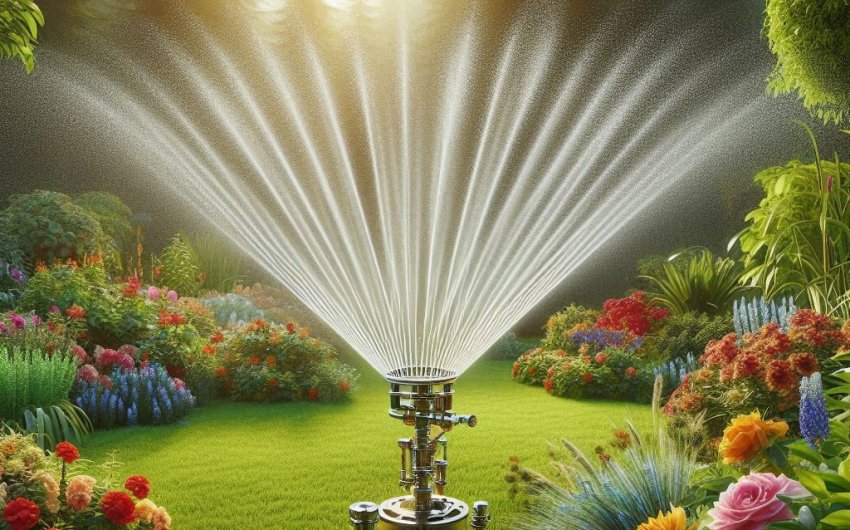
Ensuring your lawn and garden receive consistent, adequate moisture without the daily chore of hand-watering can significantly enhance their health and your free time. Understanding how to set up a garden sprinkler system offers an efficient and automated solution to irrigation, delivering water precisely where and when it's needed. This comprehensive guide will walk you through the essential steps, from initial planning and component selection to installation and programming, empowering you to create a customized watering solution that conserves water, minimizes effort, and keeps your landscape thriving.
Why install a garden sprinkler system?
Installing a dedicated garden sprinkler system offers numerous advantages over manual watering, transforming the way you irrigate your lawn and plants. The benefits extend beyond simple convenience, impacting water conservation, plant health, and your valuable time.
What are the main benefits of a sprinkler system?
- Water Conservation:
- Efficiency: A well-designed sprinkler system delivers water more precisely and evenly than hand-watering, reducing runoff and evaporation.
- Targeted Application: Different zones can be set up to deliver varying amounts of water to different plant types (e.g., thirsty lawn vs. drought-tolerant shrubs), preventing overwatering in some areas and underwatering in others.
- Timing: Automated systems can be programmed to water during the cooler parts of the day (early morning), minimizing evaporation losses and ensuring water penetrates the soil effectively.
- Convenience and Time-Saving:
- Automation: Once installed and programmed, the system handles watering automatically. No more dragging hoses or standing with a sprayer.
- Consistency: Plants receive water regularly, even when you're away on vacation or too busy. This consistency is vital for plant health and growth.
- Increased Free Time: Frees up significant time that would otherwise be spent on manual watering, allowing you to enjoy your garden more or focus on other tasks.
- Improved Plant Health:
- Deep and Even Watering: Encourages deeper root growth, making plants more resilient to drought and stress.
- Reduced Disease: Watering at the right time (early morning) allows foliage to dry before nightfall, reducing the risk of fungal diseases that thrive on wet leaves.
- Nutrient Absorption: Consistent moisture helps plants absorb nutrients more efficiently from the soil.
- Increased Property Value: A professionally installed and well-maintained irrigation system can be an attractive feature for potential homebuyers, subtly indicating a well-cared-for property.
- Customization: Modern systems allow for multiple zones, different sprinkler types, and smart controllers, enabling you to tailor watering to the specific needs of various areas of your landscape.
Whether you have a small lawn, extensive flower beds, or a mix of landscape features, a garden sprinkler system offers an efficient, automated, and ultimately more effective way to ensure your plants receive the moisture they need to thrive.
What type of sprinkler system is right for your garden?
Before diving into installation, understanding the different types of garden sprinkler systems is crucial. Each type is best suited for specific landscape features and watering needs.
1. Pop-Up Sprinkler Systems (In-Ground)
- Description: These are the most common type for lawns. The sprinkler heads are buried below ground and pop up when water pressure is applied, retracting flush with the ground when watering is complete.
- Best for:
- Lawns: Their in-ground design makes them ideal for turf areas, as they are out of sight and won't interfere with mowing.
- Large, open areas: Designed for broad, even coverage.
- Pros:
- Aesthetic: Discreet and virtually invisible when not in use.
- Convenience: Won't get in the way of foot traffic or lawn mowers.
- Even Coverage: Can be designed for very uniform water distribution.
- Durable: Protected underground from damage.
- Cons:
- Complex Installation: Requires trenching, burying pipes, and more planning.
- Less Flexible for Changes: Once installed, reconfiguring zones or head placement is difficult.
- High Initial Cost: Generally the most expensive to install.
- Types of Pop-Up Heads:
- Spray Heads: Deliver a fixed pattern (e.g., quarter circle, half circle, full circle) in a single spray. Best for smaller turf areas or narrow strips.
- Rotor Heads: Deliver water in a rotating stream, covering larger distances. Best for larger lawn areas.
- Rotary Nozzles: A hybrid, fitting onto spray head bodies but delivering multiple rotating streams, offering better efficiency than traditional sprays and less runoff.
2. Drip Irrigation Systems
- Description: Drip irrigation delivers water slowly and directly to the plant's root zone through a network of tubing, emitters, and drippers.
- Best for:
- Flower beds, vegetable gardens, trees, shrubs, containers: Any area with individual plants rather than a uniform turf.
- Water conservation: Highly efficient, minimizes evaporation and runoff.
- Pros:
- Highly Water Efficient: Minimal waste, delivers water precisely where it's needed.
- Reduces Disease: Keeps foliage dry, preventing fungal issues.
- Reduces Weeds: Water only reaches desired plants, starving weeds in between.
- Flexible and Expandable: Relatively easy to customize and add to over time.
- Lower Pressure Requirements: Often works well with lower water pressure.
- Cons:
- Less Aesthetic (can be visible): Tubing can be visible on the surface, though it can be hidden under mulch.
- Can Clog: Emitters can become clogged by sediment or mineral buildup, requiring periodic cleaning.
- Not for Lawns: Impractical for broad turf areas.
- Components: Drip tubing, emitters, pressure reducers, filters. A drip irrigation kit is a great starting point.
3. Soaker Hoses
- Description: Porous hoses that "sweat" water along their entire length, delivering water slowly and directly to the soil.
- Best for:
- Garden beds, rows of vegetables, foundation plantings: Similar to drip but less precise.
- Pros:
- Very Water Efficient: Minimal evaporation.
- Easy to Install: Simply lay them out.
- Inexpensive: Often the most budget-friendly option.
- Cons:
- Can clog over time.
- Water distribution can be uneven along the length, especially on slopes.
- Not suitable for lawns or complex plant layouts.
- Look for: Durable soaker hoses.
4. Portable Sprinklers (Hose-End Sprinklers)
- Description: Connect directly to a garden hose and are moved manually from spot to spot.
- Best for:
- Small lawns, temporary watering, spot watering: Very flexible.
- Pros:
- Very Affordable: Low initial cost.
- Zero Installation: Just connect to a hose.
- Flexible: Can be moved anywhere.
- Cons:
- Not automated: Still requires manual intervention.
- Less Efficient: Prone to runoff and evaporation.
- Time-consuming: Requires you to move and monitor them.
- Types: Oscillating, pulsating, rotating. A simple oscillating sprinkler is a common choice.
While portable sprinklers are easy, for a truly automated garden sprinkler system, you'll be looking at pop-up or drip/soaker systems, or a combination of them.
How do you plan your sprinkler system layout?
Careful planning is the most crucial step in setting up a garden sprinkler system. A well-thought-out design ensures efficient water distribution, prevents waste, and minimizes future headaches.
1. Map Your Property:
- Sketch It Out: Draw a scaled diagram of your property. Include:
- House and other structures (sheds, decks, patios).
- Existing planting beds, trees, shrubs, and lawn areas.
- Paved areas (driveways, walkways).
- Water source (spigots, main water line).
- Any known utility lines (gas, electric, cable – call 811 before you dig!).
- Measure Everything: Use a measuring tape to get accurate dimensions of all areas to be watered and the distances from your water source.
2. Assess Your Water Supply:
This is a critical step that determines how many sprinklers or drip zones you can run simultaneously.
- Water Pressure (PSI): Use a water pressure gauge to measure the static water pressure at your outdoor spigot. This tells you the force available.
- Flow Rate (GPM - Gallons Per Minute): This is even more important.
- Get a 5-gallon bucket and a stopwatch.
- Turn your spigot on full blast.
- Time how long it takes to fill the 5-gallon bucket.
- Calculate GPM: (60 seconds / time to fill bucket in seconds) x 5 gallons. Example: If it takes 20 seconds to fill a 5-gallon bucket, (60/20) x 5 = 15 GPM.
- Why it matters: Every sprinkler head or drip zone has a specific GPM requirement. Your total GPM for a single zone should not exceed your water supply's GPM. This dictates how many zones you'll need.
3. Divide Your Garden into Zones:
- Group Similar Needs: This is essential for efficient watering. Separate areas based on:
- Plant Type: Lawn (needs frequent, shallow watering) vs. Shrubs/Trees (prefer deep, infrequent watering) vs. Flower Beds (variable needs).
- Sun Exposure: Sunny areas dry out faster than shady areas.
- Sprinkler Type: Drip irrigation zones should be separate from pop-up sprinkler zones.
- Pressure/Flow: Each zone must operate within your available GPM.
- Draw Zones on Your Map: Clearly outline each distinct watering zone.
4. Select Sprinkler Heads/Drip Layouts for Each Zone:
- Pop-Up Sprinklers (for lawns):
- Head-to-Head Coverage: Ensure that each sprinkler head sprays to the next sprinkler head. This creates even coverage and prevents dry spots.
- Nozzle Patterns: Choose appropriate patterns (full circle, half circle, quarter circle, or adjustable) for the area they cover.
- Pressure Compatibility: Select heads that operate optimally at your measured water pressure.
- Drip Irrigation (for beds/plants):
- Mainline Tubing: Plan the path of your mainline drip tubing (usually 1/2 or 3/4 inch).
- Branch Lines/Emitters: Decide on the placement of smaller micro-tubing or individual drip emitters near each plant.
- Consider Future Growth: Plan for mature plant sizes so sprinklers don't get blocked.
5. Calculate Materials List:
- Based on your scaled plan and chosen sprinkler types, calculate the length of pipes/tubing, number of heads/emitters, fittings (elbows, tees, couplings), valves, controller, and other accessories.
Detailed planning is the blueprint for a functional and efficient garden sprinkler system. Take your time with this stage to ensure accuracy.
What components do you need for a basic sprinkler system?
Setting up a garden sprinkler system involves several key components that work together to deliver water efficiently. Understanding these parts will help you gather the right materials for your installation.
1. Water Source and Connection:
- Spigot/Hose Bib: For a simple, DIY system, your existing outdoor spigot is often the starting point.
- Backflow Preventer: Crucial for safety. This device prevents contaminated garden water from flowing back into your home's potable water supply. Many municipal codes require it. A simple hose bib backflow preventer is often sufficient for home systems.
- Pressure Reducer/Filter (for Drip/Soaker): If you're installing a drip or soaker hose system, you'll need a pressure reducer (to lower pressure to safe levels for drip emitters) and a filter (to prevent clogging of emitters). These typically attach directly to the spigot.
2. Main Water Line (for Pop-Up/Underground Systems):
- Pipes: Typically PVC (rigid) or poly tubing (flexible).
- PVC Pipe: Durable, good for buried lines. Requires PVC cement and primer for connections.
- Poly Tubing: More flexible and easier to work with, but may be more susceptible to kinking if not buried properly. Uses compression or barbed fittings. A good choice for many DIYers. Polyethylene tubing for irrigation is common.
- Fittings: Elbows, tees, couplings, and adapters to connect pipes and change direction.
3. Valves (Zone Control):
- Manifold/Valves: These direct water to different zones. For DIY hose-end systems, a simple hose manifold or multi-zone timer can suffice. For in-ground systems, you'll use automatic electric valves connected to a controller.
4. Sprinkler Heads/Emitters:
- Pop-Up Sprinkler Heads: As discussed, choose spray, rotor, or rotary nozzles based on your lawn's layout.
- Drip Emitters/Tubing: Individual drip emitters or drip line tubing with integrated emitters for beds.
- Soaker Hoses: The porous hose itself.
5. Controller/Timer:
- Hose-End Timer: For simple systems, a battery-powered hose-end timer attaches directly to your spigot and can manage one or two zones.
- Irrigation Controller: For multi-zone, in-ground systems, a dedicated irrigation controller (or smart controller) is wired to your automatic valves and programmed to control watering schedules.
6. Installation Tools and Accessories:
- Pipe Cutters: For PVC or poly tubing.
- Trenching Shovel: For digging trenches (if burying lines). A trenching shovel is narrow.
- Riser Pipes: For connecting buried pipes to pop-up heads.
- Stakes/Staples: To secure drip tubing or soaker hoses.
- Thread Seal Tape: For threaded connections.
Having a clear understanding of these components will allow you to confidently purchase the necessary parts for your chosen garden sprinkler system and begin the installation process.
How do you install the sprinkler system?
Installing a garden sprinkler system can range from very simple (hose-end drip) to complex (full in-ground). This section outlines the general steps for common DIY installations, focusing on practicality.
Step-by-Step Installation (General Guide):
- Prepare the Site:
- Mark Layout: Use gardening spray paint or flags to mark the planned locations of all pipes, sprinkler heads, or drip lines according to your design.
- Call 811: Crucial! Before digging ANY trenches, call 811 (the national "Call Before You Dig" hotline) at least a few days in advance to have underground utility lines marked. This prevents dangerous accidents.
- Connect to Water Source:
- Spigot Connection: Attach your backflow preventer directly to the outdoor spigot.
- Manifold/Timer: If using a hose-end system, connect your timer or manifold (if you have multiple zones) to the backflow preventer.
- Lay Out Mainlines and Branch Lines:
- Surface Systems (Drip/Soaker): Simply lay out your main drip tubing or soaker hoses according to your plan. Use garden staples to secure them to the ground.
- Buried Systems (Pop-Up/Poly Tubing):
- Dig Trenches: Dig narrow trenches (typically 6-12 inches deep, depending on climate and local codes) along your marked lines. A trenching shovel or trencher tool can help.
- Lay Pipes/Tubing: Lay your PVC pipe or poly tubing in the trenches.
- Connect Fittings: Use appropriate fittings (elbows, tees, couplings) to connect sections of pipe and change direction. For PVC, use PVC cement and primer. For poly tubing, use barbed fittings and clamps.
- Install Valves (for multi-zone systems): Connect your automatic zone valves to the main water line and then to their respective zone lines. Bury them in a valve box for easy access.
- Install Sprinkler Heads or Emitters:
- Pop-Up Sprinkler Heads:
- Attach riser pipes from the main line to the desired location for each head.
- Screw the sprinkler head onto the riser, ensuring it's flush with the ground once buried.
- Adjust the spray pattern and distance of each head once water is on.
- Drip Emitters:
- Use a hole punch tool for drip irrigation to insert individual emitters directly into the mainline tubing near each plant.
- Alternatively, run smaller micro-tubing from the mainline to individual plants and attach emitters.
- Pop-Up Sprinkler Heads:
- Connect Controller/Timer:
- Hose-End Timer: Simply attach directly to your spigot or manifold.
- Irrigation Controller: For electric valves, wire the valves to the appropriate terminals on your irrigation controller (refer to controller's manual for specific wiring instructions). Plug in or hardwire the controller.
- Test the System:
- Before backfilling trenches (if applicable), turn on the water slowly.
- Check for leaks at all connections. Tighten or re-seal as needed.
- Run each zone individually to check for proper coverage, water pressure, and head/emitter function. Make adjustments to head spray patterns/distances.
- Backfill Trenches (if applicable):
- Once everything is tested and working correctly, carefully backfill the trenches, ensuring pipes are not crushed.
Installation involves patience and attention to detail. Don't rush, and always refer to specific product manuals for your chosen components.
How do you program and fine-tune your sprinkler system?
Once your garden sprinkler system is installed, programming and fine-tuning it are crucial steps to ensure efficient watering, optimal plant health, and water conservation.
1. Basic Programming (Hose-End Timers):
- Most hose-end timers are straightforward:
- Start Time: When you want watering to begin.
- Duration: How long you want the water to run for each cycle (e.g., 20 minutes).
- Frequency: How often you want it to water (e.g., every day, every other day, every 3 days).
- Multiple Cycles: Some advanced hose-end timers allow for multiple start times per day.
2. Advanced Programming (Automatic Irrigation Controllers):
- Modern irrigation controllers offer extensive programming options:
- Multiple Programs: Set different watering schedules for different zones (e.g., Program A for lawn, Program B for drip).
- Start Times per Zone: Each zone can have its own start time.
- Run Times per Zone: Customize the duration for each zone based on plant needs and soil type.
- Watering Days: Select specific days of the week, odd/even days, or interval watering (every X days).
- Seasonal Adjust: Easily increase or decrease watering duration across all zones as seasons change.
- Rain Delay: Pause watering for a set number of days after rainfall.
- Smart Controllers: Many modern controllers can connect to Wi-Fi and use local weather data to automatically adjust watering, saving significant water. Look for Wi-Fi irrigation controllers.
3. Fine-Tuning for Efficiency:
- Perform a Catch Can Test (for Sprinkler Heads):
- Place several catch cans (tuna cans, empty pet food cans) evenly throughout each sprinkler zone.
- Run the zone for a set time (e.g., 15 minutes).
- Measure the amount of water in each can. This helps you identify dry spots, areas of too much water, and calculate the average precipitation rate. Adjust head placement or nozzle type to achieve even coverage.
- Monitor Drip Emitters: Regularly check that all drip emitters are flowing correctly and not clogged. You can collect water from a few emitters for a short time to verify flow rate.
- Observe Your Plants and Soil: The ultimate gauge is your plants' health and how the soil responds.
- Wilting/Stressed Plants: Not enough water. Increase duration or frequency.
- Mushy Soil/Runoff: Too much water. Decrease duration or frequency.
- Dry Spots: Check sprinkler coverage or emitter placement.
- Mushrooms/Algae: Could indicate overwatering.
- Adjust Seasonally:
- Spring/Fall: Less frequent watering as temperatures are moderate.
- Summer: More frequent watering due to heat and evaporation.
- Winter: Most systems should be turned off or significantly reduced in cold climates.
- Consider a Rain Sensor: A rain sensor automatically shuts off your system when it rains, preventing overwatering and saving water.
Proper programming and ongoing fine-tuning are crucial to maximize the benefits of your garden sprinkler system, ensuring your landscape remains healthy while conserving water resources.
What is seasonal maintenance for a sprinkler system?
Maintaining your garden sprinkler system throughout the year is crucial for its longevity, efficiency, and to prevent costly damage, especially in climates with freezing winters.
Spring Startup (After Last Frost):
- Inspect for Winter Damage: Check all visible components for cracks, leaks, or damage from freezing.
- Slowly Open Main Water Valve: Turn the water supply to your sprinkler system on very slowly to allow pipes to fill gradually and prevent water hammer, which can cause damage.
- Check Backflow Preventer: Ensure it's not leaking and functioning correctly.
- Inspect Sprinkler Heads/Emitters:
- Run each zone. Look for broken or tilted heads, clogged nozzles, or emitters not dripping.
- Clean or replace clogged nozzles/emitters.
- Adjust head alignment, spray patterns, and distance to ensure proper coverage (do a catch can test if needed).
- Remove any debris or turf growing around pop-up heads that might obstruct them.
- Check for Leaks: Look and listen for any leaks in pipes or fittings, especially visible ones or areas of unusual pooling.
- Reprogram Controller: Adjust your irrigation controller to your spring watering schedule, increasing duration or frequency as needed for new growth.
Summer Operation:
- Monitor Plant Health: Observe your lawn and plants closely. Are they showing signs of stress (wilting, browning) or overwatering (mushy, yellowing)? Adjust watering durations or frequencies as needed.
- Watch the Weather: Utilize rain sensors or manually adjust programs based on recent rainfall. Don't water unnecessarily.
- Check for Obstructions: Ensure growing plants or new landscape features aren't blocking sprinkler sprays. Trim or adjust heads if necessary.
- Clean Filters (for Drip/Soaker): Periodically check and clean the filter in your drip or soaker hose system to prevent clogging.
Fall Winterization (Before First Freeze):
This is perhaps the most critical step in cold climates to prevent pipes from bursting.
- Turn Off Water Supply: Locate the main water shut-off valve for your sprinkler system and turn it off completely.
- Drain the System:
- Manual Drains: If your system has manual drain valves, open them at the lowest points to allow all water to drain out.
- Automatic Drains: Some systems have automatic drain valves that open when pressure drops.
- Compressed Air (Recommended for most systems): The most effective way to remove all water.
- You'll need an air compressor (typically 5-6 CFM at 80-100 PSI, often available for rent).
- Attach the compressor to the designated "blow-out" port on your system (often near the backflow preventer).
- CRITICAL: Open one zone valve at a time. Slowly increase air pressure. Never exceed 50 PSI for PVC or 80 PSI for poly. Allow air to blow through until no more water comes out. Close that zone, then open the next. Never blow air through a closed valve or with all zones closed.
- Remove the backflow preventer if it's designed to be removed for winter.
- Turn Off Controller: Turn off or put your irrigation controller into "rain delay" or "off" mode for the winter.
- Protect Components: For hose-end systems, disconnect hoses, drain them, and store them indoors. Protect exposed valves or backflow preventers with insulation.
Regular, proactive maintenance of your garden sprinkler system ensures its longevity and reliability, allowing you to enjoy automated, efficient watering for your landscape for many years to come.