
Air-Purifying Houseplants List: Breathe Easier Indoors
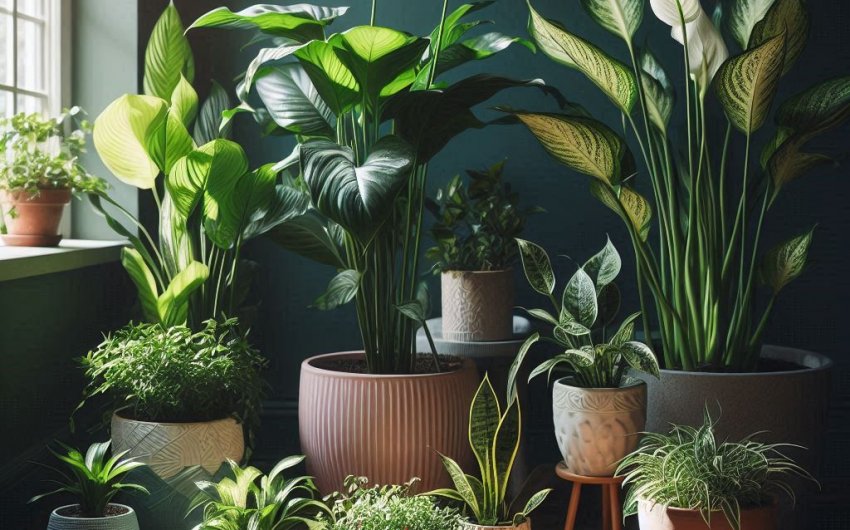
An air-purifying houseplants list includes plants scientifically shown to help remove common indoor air pollutants. These plants absorb harmful chemicals and release fresh oxygen, contributing to a healthier living environment.
Why are air-purifying houseplants important?
Our homes, offices, and indoor spaces can trap harmful airborne chemicals released from everyday items like furniture, cleaning products, paints, and even building materials. These invisible pollutants, known as Volatile Organic Compounds (VOCs), can contribute to "sick building syndrome" and various health issues, including headaches, dizziness, and respiratory problems. Air-purifying houseplants play a natural and beautiful role in improving indoor air quality by absorbing these toxins through their leaves and roots, converting them into nutrients, and releasing fresh oxygen.
What is the NASA Clean Air Study?
The concept of air-purifying houseplants gained significant attention thanks to the groundbreaking NASA Clean Air Study in 1989. Conducted by NASA and the Associated Landscape Contractors of America (ALCA), this study researched ways to purify the air in space stations. Their findings revealed that common houseplants could effectively remove specific toxic agents from the air, including benzene, formaldehyde, and trichloroethylene. This study was a landmark in highlighting the remarkable air-cleaning capabilities of indoor plants. While a contained spacecraft environment differs from a typical home, the study firmly established the mechanism by which plants can improve air quality.
How do houseplants purify the air?
Houseplants purify the air through several mechanisms, primarily a process called phytoremediation.
- Absorption through Leaves: Plants absorb VOCs and other airborne particles through small pores on their leaves, called stomata, during photosynthesis. These toxins are then transported to the root zone.
- Microorganisms in Soil: The primary air-cleaning powerhouse isn't just the leaves, but also the microorganisms (bacteria and fungi) living in the plant's soil. These microbes break down and neutralize the absorbed toxins, converting them into a food source for the plant.
- Transpiration: As plants release water vapor into the air (transpiration), they create a pumping action that pulls air down towards the roots, further enhancing the pollutant removal process.
- Oxygen Release: During photosynthesis, plants absorb carbon dioxide and release oxygen, improving the overall freshness of the indoor environment.
It's important to note that for a noticeable effect on air quality in a typical home, you'd likely need several plants per room. However, even a few plants can contribute to a healthier atmosphere and offer aesthetic and well-being benefits.
What are the best air-purifying houseplants?
Here is a comprehensive air-purifying houseplants list, focusing on common and effective varieties known for their ability to remove toxins.
1. Snake Plant (Sansevieria trifasciata)
Key Features: Also known as Mother-in-Law's Tongue, the Snake Plant is incredibly hardy and requires minimal care. It's famous for releasing oxygen at night, making it ideal for bedrooms.
- Removes: Benzene, Formaldehyde, Trichloroethylene, Xylene, Toluene.
- Light Needs: Very adaptable, from low to bright indirect light. Prefers medium to bright indirect.
- Water Needs: Drought-tolerant. Water only when soil is completely dry. Overwatering is its biggest enemy.
- Pet Safety: Toxic if ingested by pets.
- Recommended Products: Well-Draining Potting Mix for Succulents
2. Peace Lily (Spathiphyllum)
Key Features: Elegant white flowers (actually modified leaves called spathes) and dark green foliage. Peace Lilies are excellent indicators of when they need water, as they dramatically droop when thirsty.
- Removes: Ammonia, Benzene, Formaldehyde, Trichloroethylene, Xylene.
- Light Needs: Low to medium indirect light. Direct sun can scorch leaves.
- Water Needs: Keep soil consistently moist but not soggy. Water when leaves begin to droop.
- Pet Safety: Toxic if ingested by pets.
- Recommended Products: Self-Watering Planter with Drainage
3. Spider Plant (Chlorophytum comosum)
Key Features: Easy to grow, tolerant of neglect, and famous for producing "spiderettes" (baby plants) that dangle from the mother plant, making them fun to propagate.
- Removes: Formaldehyde, Xylene, Toluene, Carbon Monoxide.
- Light Needs: Bright, indirect light is best. Can tolerate lower light but won't produce as many spiderettes.
- Water Needs: Water when the top inch of soil feels dry. Avoid soggy soil.
- Pet Safety: Non-toxic to pets.
- Recommended Products: Hanging Planter for Indoor Plants
4. Pothos (Epipremnum aureum)
Key Features: Also known as Devil's Ivy, Pothos is incredibly versatile and resilient, thriving in various conditions. Its vining nature makes it perfect for hanging baskets or shelves.
- Removes: Formaldehyde, Benzene, Carbon Monoxide, Xylene, Toluene.
- Light Needs: Low to bright indirect light. Variegated varieties need brighter light to maintain their patterns.
- Water Needs: Allow soil to dry out between waterings. Yellow leaves often indicate overwatering.
- Pet Safety: Toxic if ingested by pets.
- Recommended Products: Indoor Plant Soil with Perlite
5. Boston Fern (Nephrolepis exaltata 'Bostoniensis')
Key Features: Known for its lush, feathery fronds, the Boston Fern is excellent for humid environments like bathrooms and effectively removes indoor pollutants while also adding moisture to the air.
- Removes: Formaldehyde, Xylene, Toluene.
- Light Needs: Bright, indirect light. Avoid direct sun.
- Water Needs: Keep soil consistently moist. Requires high humidity; mist regularly or use a pebble tray.
- Pet Safety: Non-toxic to pets.
- Recommended Products: Plant Mister for Humidity
6. Dracaena (various species)
Key Features: A large genus with many varieties (e.g., Dracaena fragrans 'Massangeana' - Corn Plant, Dracaena marginata - Dragon Tree), all known for their upright growth and ease of care.
- Removes: Benzene, Formaldehyde, Trichloroethylene, Xylene.
- Light Needs: Medium to bright indirect light. Avoid direct sun.
- Water Needs: Allow top inch of soil to dry before watering. Susceptible to fluoride toxicity (use filtered water).
- Pet Safety: Toxic if ingested by pets.
- Recommended Products: Activated Carbon Water Filter
7. Aloe Vera (Aloe barbadensis miller)
Key Features: A succulent known for its medicinal properties (gel inside leaves for burns) and its ability to clear the air.
- Removes: Formaldehyde, Benzene.
- Light Needs: Bright, direct to indirect light. Prefers a sunny spot.
- Water Needs: Drought-tolerant. Water thoroughly, then let soil dry completely before watering again.
- Pet Safety: Toxic if ingested by pets.
- Recommended Products: Terracotta Pot with Drainage Hole
8. Chinese Evergreen (Aglaonema)
Key Features: Beautiful foliage with patterns of green, silver, red, or pink. Very forgiving and can tolerate low light, making it a great choice for less bright spaces.
- Removes: Benzene, Formaldehyde, Carbon Monoxide, Trichloroethylene.
- Light Needs: Low to medium indirect light. Too much direct sun can scorch leaves.
- Water Needs: Keep soil consistently moist but not soggy. Allow top inch to dry before re-watering.
- Pet Safety: Toxic if ingested by pets.
- Recommended Products: Plant Mister for Humidity
9. Areca Palm (Dypsis lutescens)
Key Features: A graceful palm with feathery, arching fronds. It's an excellent humidifier, releasing a significant amount of moisture into the air.
- Removes: Formaldehyde, Xylene, Toluene, Carbon Monoxide.
- Light Needs: Bright, indirect light. Direct sun can yellow fronds.
- Water Needs: Keep soil consistently moist but not waterlogged. Susceptible to fluoride toxicity.
- Pet Safety: Non-toxic to pets.
- Recommended Products: Filtered Water Pitcher
10. Weeping Fig (Ficus benjamina)
Key Features: A popular indoor tree with glossy, ovate leaves. While beautiful, they can be a bit finicky and drop leaves if moved or stressed.
- Removes: Formaldehyde, Benzene, Trichloroethylene.
- Light Needs: Bright, indirect light. Avoid low light or direct sun.
- Water Needs: Allow the top few inches of soil to dry between waterings.
- Pet Safety: Toxic if ingested by pets.
- Recommended Products: Well-Draining Potting Mix
11. Kimberly Queen Fern (Nephrolepis obliterata)
Key Features: Similar to the Boston Fern but with more upright and sword-shaped fronds. It's less messy and generally more tolerant of drier air than the Boston Fern.
- Removes: Formaldehyde, Xylene, Toluene.
- Light Needs: Bright, indirect light.
- Water Needs: Keep soil consistently moist but not soggy. Appreciates higher humidity.
- Pet Safety: Non-toxic to pets.
- Recommended Products: Pebble Tray for Humidity
12. English Ivy (Hedera helix)
Key Features: A classic vining plant, often seen trailing from hanging baskets or climbing on trellises. Can be grown indoors with proper care.
- Removes: Benzene, Formaldehyde, Trichloroethylene, Xylene, Toluene.
- Light Needs: Bright, indirect light is best. Can tolerate medium light.
- Water Needs: Keep soil consistently moist but not waterlogged.
- Pet Safety: Toxic if ingested by pets.
- Recommended Products: Plant Clips for Climbing Plants
13. Money Plant (Crassula ovata / also Pothos often called this)
Key Features: While Crassula ovata (Jade Plant) is a succulent, the common "Money Plant" often refers to Pothos (Epipremnum aureum), which is already listed. Assuming the Pothos variety, it remains a strong air purifier. If referring to Jade Plant, its primary benefits are aesthetic and easy care.
- Removes (Pothos): Formaldehyde, Benzene, Carbon Monoxide, Xylene, Toluene.
- Light Needs: Adaptable, as Pothos.
- Water Needs: As Pothos.
- Pet Safety: Toxic if ingested by pets.
- Recommended Products: Ceramic Pot with Drainage Hole
14. Broadleaf Lady Palm (Rhapis excelsa)
Key Features: A beautiful and elegant palm known for its broad, fan-shaped leaves. It's a robust air cleaner and relatively easy to care for compared to some other palms.
- Removes: Ammonia, Formaldehyde, Xylene, Toluene.
- Light Needs: Medium to bright indirect light. Tolerates lower light but grows slower.
- Water Needs: Keep soil consistently moist, but not soggy.
- Pet Safety: Non-toxic to pets.
- Recommended Products: Large Indoor Plant Pot
15. Chrysanthemum (Chrysanthemum morifolium)
Key Features: These beautiful flowering plants are not just for seasonal decor; they are powerful air purifiers. However, they typically only flower for a few weeks once purchased.
- Removes: Ammonia, Benzene, Formaldehyde, Xylene, Toluene.
- Light Needs: Bright light, including some direct sun to encourage flowering.
- Water Needs: Keep soil consistently moist.
- Pet Safety: Toxic if ingested by pets.
- Recommended Products: Flowering Plant Fertilizer
16. Gerbera Daisy (Gerbera jamesonii)
Key Features: Known for their vibrant, colorful blooms, Gerbera Daisies are excellent for removing common household toxins. Like Chrysanthemums, they are often bought for their blooms and may not be long-term houseplants.
- Removes: Benzene, Formaldehyde, Trichloroethylene.
- Light Needs: Bright light, including some direct sun.
- Water Needs: Keep soil consistently moist.
- Pet Safety: Toxic if ingested by pets.
- Recommended Products: Small Plant Pot with Drainage
17. Bamboo Palm (Chamaedorea seifrizii)
Key Features: A beautiful and effective air purifier, known for its elegant, slender stems and graceful fronds. It's a good alternative to the Areca Palm.
- Removes: Benzene, Formaldehyde, Trichloroethylene.
- Light Needs: Low to medium indirect light. Avoid direct sun.
- Water Needs: Keep soil consistently moist but not soggy.
- Pet Safety: Non-toxic to pets.
- Recommended Products: Humidifier for Plants
18. Warneckii Dracaena (Dracaena deremensis 'Warneckii')
Key Features: A popular variety of Dracaena with stiff, upright leaves often striped with white, cream, or light green. It's exceptionally hardy and low-maintenance.
- Removes: Benzene, Formaldehyde, Trichloroethylene, Xylene.
- Light Needs: Low to bright indirect light.
- Water Needs: Allow soil to dry out between waterings. Susceptible to fluoride.
- Pet Safety: Toxic if ingested by pets.
- Recommended Products: Filtered Water Bottle
19. Red-Edged Dracaena (Dracaena marginata)
Key Features: Also known as the Dragon Tree, this Dracaena features slender, upright stems topped with narrow, green leaves edged in red. It adds a striking vertical element to any room.
- Removes: Benzene, Formaldehyde, Trichloroethylene, Xylene.
- Light Needs: Medium to bright indirect light.
- Water Needs: Allow soil to dry out between waterings. Sensitive to fluoride.
- Pet Safety: Toxic if ingested by pets.
- Recommended Products: Indoor Plant Food Sticks
20. Rubber Plant (Ficus elastica)
Key Features: With its large, glossy leaves, the Rubber Plant is a bold and attractive choice. It's relatively easy to care for and grows into an impressive specimen.
- Removes: Formaldehyde, Carbon Monoxide, Trichloroethylene.
- Light Needs: Bright, indirect light. Direct sun can scorch leaves.
- Water Needs: Water when the top few inches of soil are dry.
- Pet Safety: Toxic if ingested by pets.
- Recommended Products: Plant Leaf Shine Wipes
21. English Ivy (Hedera helix)
Key Features: This versatile vining plant, as mentioned earlier, is known for its ability to reduce airborne fecal particles and other indoor pollutants. Its trailing habit makes it perfect for shelves.
- Removes: Benzene, Formaldehyde, Trichloroethylene, Xylene, Toluene.
- Light Needs: Bright, indirect light is ideal.
- Water Needs: Keep soil moist but not soggy.
- Pet Safety: Toxic if ingested by pets.
- Recommended Products: Plant Training Wire
22. Aloe Vera (Aloe barbadensis miller)
Key Features: Beyond its air-purifying capabilities, the Aloe Vera plant is well-known for the soothing gel inside its leaves, which can be used for minor burns and skin irritations.
- Removes: Formaldehyde, Benzene.
- Light Needs: Loves bright, direct to indirect light.
- Water Needs: Water deeply, then let the soil dry out completely.
- Pet Safety: Toxic if ingested by pets.
- Recommended Products: Gritty Succulent Potting Mix
23. Green Spider Plant (Chlorophytum comosum 'Vittatum')
Key Features: While the general Spider Plant was listed, the 'Vittatum' variety specifically refers to the one with a central white stripe on its leaves. Its air-purifying capabilities are the same as its all-green counterparts.
- Removes: Formaldehyde, Xylene, Toluene, Carbon Monoxide.
- Light Needs: Bright, indirect light for best variegation.
- Water Needs: Keep soil lightly moist.
- Pet Safety: Non-toxic to pets.
- Recommended Products: Hanging Plant Basket
24. Dwarf Date Palm (Phoenix roebelenii)
Key Features: A smaller, more manageable palm than the Areca, with delicate, arching fronds. It brings a tropical feel and helps purify the air.
- Removes: Formaldehyde, Xylene, Toluene.
- Light Needs: Bright, indirect light.
- Water Needs: Keep soil consistently moist but not soggy.
- Pet Safety: Non-toxic to pets.
- Recommended Products: Palm Potting Mix
25. Schefflera (Schefflera actinophylla - Umbrella Tree)
Key Features: The Umbrella Tree is a popular choice for its distinctive leaf clusters and relatively easy care, growing into a sizeable indoor plant.
- Removes: Benzene, Formaldehyde, Toluene.
- Light Needs: Bright, indirect light.
- Water Needs: Allow the top few inches of soil to dry out before watering again.
- Pet Safety: Toxic if ingested by pets.
- Recommended Products: Large Plant Drip Tray
26. Dumb Cane (Dieffenbachia)
Key Features: Striking foliage with patterns of green, cream, and yellow. While beautiful, all parts of the plant are toxic and can cause significant irritation if ingested. Handle with care.
- Removes: Formaldehyde, Xylene, Toluene.
- Light Needs: Medium to bright indirect light. Direct sun can bleach leaves.
- Water Needs: Keep soil consistently moist but not soggy.
- Pet Safety: Highly toxic if ingested by pets. Wear gloves when handling.
- Recommended Products: Rubber Gardening Gloves
27. Norfolk Island Pine (Araucaria heterophylla)
Key Features: Often mistaken for a true pine, this plant is a conifer that makes a lovely indoor tree, especially during holidays. It's effective at removing specific airborne pollutants.
- Removes: Formaldehyde, Benzene, Trichloroethylene.
- Light Needs: Bright, indirect light. Can tolerate some direct morning sun.
- Water Needs: Keep soil consistently moist, especially during active growth. Prefers high humidity.
- Pet Safety: Non-toxic to pets (though needles can be irritating if ingested).
- Recommended Products: Digital Humidity Monitor
28. Fittonia (Fittonia albivenis - Nerve Plant)
Key Features: Small, bushy plant with strikingly veined leaves (red, pink, or white). It's known for being quite dramatic when thirsty, quickly wilting but perking up after water.
- Removes: Limited data on specific VOCs, but generally improves air quality.
- Light Needs: Low to medium indirect light. Direct sun will scorch delicate leaves.
- Water Needs: Keep soil consistently moist. Requires high humidity; ideal for terrariums or humid rooms.
- Pet Safety: Non-toxic to pets.
- Recommended Products: Terrarium for Plants
29. String of Hearts (Ceropegia woodii)
Key Features: While not featured in NASA's primary study, succulents and many common houseplants contribute to better indoor air quality by absorbing carbon dioxide and releasing oxygen, and some anecdotal evidence suggests a role in VOC removal. Its cascading heart-shaped leaves are very decorative.
- Removes: Primarily CO₂ and produces oxygen.
- Light Needs: Bright, indirect light. Some direct morning sun is fine.
- Water Needs: Drought-tolerant. Water when soil is completely dry.
- Pet Safety: Non-toxic to pets.
- Recommended Products: Succulent Potting Mix with Drainage
30. Bird's Nest Fern (Asplenium nidus)
Key Features: Distinctive, wavy, bright green fronds that emerge from a central "nest." It adds a beautiful textural element and is a great air purifier for humid spots.
- Removes: Formaldehyde, Xylene, Toluene.
- Light Needs: Low to medium indirect light. Avoid direct sun.
- Water Needs: Keep soil consistently moist. Requires high humidity. Water around the base, not into the central "nest," to prevent rot.
- Pet Safety: Non-toxic to pets.
- Recommended Products: Humidifier for Room
How many air-purifying plants do I need for a room?
The effectiveness of air-purifying houseplants depends on several factors, including the size of the room, the amount of fresh air ventilation, the size of the plants, and the concentration of pollutants.
- General Guideline (NASA's suggestion for a sealed environment): NASA suggested roughly one plant per 100 square feet (about 9.3 square meters) for maximum air cleaning in a contained space.
- Realistic Home Application: For a typical home with air exchange, you would likely need more plants to see a significant impact. Aim for 2-3 medium-sized plants (or more smaller ones) per 100 square feet for a noticeable difference.
- Factors to Consider:
- Plant Size: Larger plants with more foliage surface area will process more air.
- Pollutant Levels: If you have new furniture, paint, or live in an area with higher outdoor pollution, more plants might be beneficial.
- Air Circulation: Good air circulation in a room helps the plants come into contact with more airborne toxins.
- The Benefit Beyond Air Quality: Even if the air-cleaning effect isn't as dramatic as an air purifier, the presence of plants offers numerous other benefits, including reduced stress, improved mood, increased humidity, and beautiful aesthetics. Consider combining plants with a HEPA Air Purifier for comprehensive air quality improvement.
Where should I place air-purifying houseplants?
Strategic placement of your air-purifying houseplants can maximize their benefits and ensure their health.
- Near Pollutant Sources: Place plants in rooms where VOCs are more prevalent:
- Bedroom: Snake plant, Peace Lily (for oxygen at night, and relaxation).
- Living Room: Larger plants like Rubber Plant, Ficus, or Areca Palm.
- Kitchen: Spider plant, Pothos (can help with cooking fumes).
- Bathroom: Boston Fern, Peace Lily (thrive in humidity).
- Office/Workspace: Chinese Evergreen, Pothos (can improve focus and reduce fatigue).
- Consider Light Needs: Always match the plant's light requirements to the room's conditions. A sun-loving Aloe Vera won't thrive in a dark bathroom.
- Avoid Drafts: Keep plants away from cold drafts from windows or air conditioning units, and hot drafts from heating vents, as this can stress them.
- Pet and Child Safety: If a plant is toxic, ensure it's placed out of reach of pets and small children. Use hanging baskets, high shelves, or secure plant stands.
How to care for air-purifying houseplants?
While specific air-purifying houseplants have varying needs, general care practices apply to most.
- Light: Understand each plant's specific light requirements. Most indoor plants prefer bright, indirect light. Direct sun can scorch leaves, while too little light can lead to leggy growth or fading colors.
- Watering: The most common mistake is overwatering. Always check the soil moisture before watering. Allow the top inch or two (or more, depending on the plant) to dry out. Use pots with drainage holes.
- Soil: Use a well-draining potting mix. A good mix allows water to pass through freely while retaining some moisture.
- Humidity: Many air-purifying plants are tropical and appreciate higher humidity. Grouping plants, using a pebble tray, or running a Room Humidifier can help.
- Temperature: Most houseplants prefer temperatures between 18°C and 27°C (65°F and 80°F). Protect them from extreme cold or heat.
- Fertilizing: Fertilize sparingly during the active growing season (spring and summer) with a balanced liquid houseplant fertilizer diluted to half strength.
- Cleaning Leaves: Dust can accumulate on leaves, hindering photosynthesis and reducing the plant's ability to absorb pollutants. Gently wipe leaves with a damp cloth every few weeks.
- Pest Control: Inspect your plants regularly for pests. Treat infestations promptly with organic methods like insecticidal soap or neem oil.
- Repotting: Repot your plants every 1-2 years, or when they become root-bound, moving them to a pot that is only 1-2 inches larger in diameter.
Incorporating an air-purifying houseplants list into your home or office is a fantastic way to enhance indoor air quality naturally. From the robust Snake Plant to the elegant Peace Lily, each plant on this list contributes to a healthier environment by absorbing common toxins and releasing fresh oxygen. Beyond their scientific benefits, these green companions add beauty, reduce stress, and create a more serene living space. With proper care, these natural air filters will thrive, helping you breathe easier and enjoy a healthier home.