
ZZ Plant Care Tips: Your Guide to a Thriving Zamioculcas
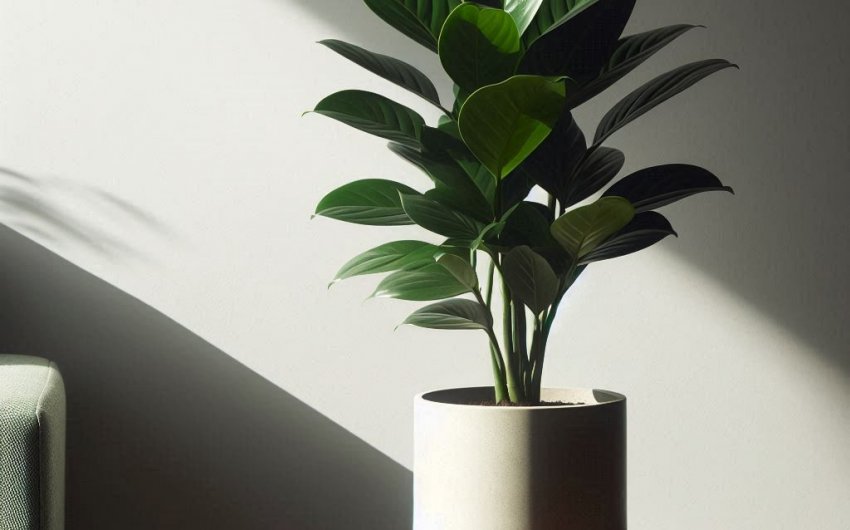
ZZ plant care is incredibly straightforward, making it ideal for beginners, busy individuals, or those with less-than-green thumbs. The key to a happy ZZ plant is minimal watering, well-draining soil, and indirect light.
What is a ZZ Plant?
The ZZ plant, scientifically known as Zamioculcas zamiifolia, is a popular houseplant celebrated for its striking appearance and incredible resilience. Native to arid regions of eastern Africa, it has adapted to survive long periods without water, thanks to its thick, potato-like rhizomes that store water. Its glossy, dark green leaves emerge on tall, upright stems, giving it a sleek, architectural look that fits perfectly in any modern or traditional home décor. It's often called the "eternity plant" or " कार्डबोर्ड plant" due to its hardiness.
How much light does a ZZ Plant need?
One of the most appealing aspects of ZZ plant care is its tolerance for a wide range of light conditions, from low to bright indirect light. However, bright indirect light will encourage the best growth.
- Low Light: ZZ plants can survive in low-light conditions, such as a north-facing window or a corner of a room with minimal natural light. In low light, growth will be slower, and the plant might become a bit leggy.
- Medium to Bright Indirect Light: This is the ideal condition for a ZZ plant. Place it near an east-facing window, or a few feet away from a south or west-facing window where it receives plenty of bright light but no direct sun.
- Avoid Direct Sun: Direct sunlight, especially harsh afternoon sun, can scorch the leaves, leading to yellowing or brown patches. If you notice burned leaves, move your plant further from the window.
- Grow Lights: If your home lacks sufficient natural light, especially in darker corners, a LED Grow Light for Indoor Plants can help encourage more robust growth.
What is the best watering schedule for a ZZ Plant?
Overwatering is the number one killer of ZZ plants. The key to successful ZZ plant care is to water sparingly and allow the soil to dry out completely between waterings.
- Check the Soil: Before watering, always stick your finger 2-3 inches into the soil. Better yet, use a Soil Moisture Meter to ensure the soil is completely dry throughout the pot.
- Watering Frequency: In most homes, this means watering every 2-4 weeks, or even less frequently in winter (once a month or every 6 weeks). The actual frequency will depend on:
- Light Levels: Plants in brighter light will dry out faster than those in low light.
- Pot Size & Material: Smaller pots dry faster; terracotta pots dry faster than plastic.
- Temperature & Humidity: Warmer, less humid environments lead to faster drying.
- How to Water: When you do water, water thoroughly until water drains from the bottom of the pot. Ensure the pot has drainage holes.
- Drain Excess Water: Never let your ZZ plant sit in standing water. Empty any excess water from the saucer within 30 minutes. Standing water leads to root rot.
- Signs of Underwatering: While hard to underwater a ZZ plant, severe dehydration can lead to shrivelled rhizomes and drooping, wrinkled leaves.
- Signs of Overwatering: Yellowing leaves, soft and mushy stems, and a foul odor from the soil are classic signs of root rot caused by overwatering. If you see these, act fast.
What kind of soil does a ZZ Plant need?
A well-draining potting mix is absolutely essential for the health of your ZZ plant. It mimics their natural environment where water quickly drains away.
- Key Soil Qualities:
- Good Drainage: Prevents water from sitting around the rhizomes.
- Aeration: Allows air to reach the roots, preventing suffocation.
- Ideal Mix Components:
- Standard Potting Mix: A good base.
- Perlite or Pumice: Crucial for drainage and aeration.
- Coarse Sand or Small Gravel: Further improves drainage.
- DIY Potting Mix Recipe: A common mix is 1 part high-quality indoor potting mix to 1 part perlite or coarse sand. Some people also add a small amount of orchid bark for extra aeration.
- Avoid Heavy Soil: Dense, compacted soils will retain too much moisture and inevitably lead to root rot. If your current soil feels heavy, consider repotting with a lighter, grittier mix. A pre-made Cactus and Succulent Potting Mix is often suitable.
What humidity level is best for a ZZ Plant?
ZZ plants are highly adaptable and do not require high humidity, making them perfect for most indoor environments.
- Tolerance: They thrive in average household humidity levels. You do not need to mist them or use a humidifier specifically for a ZZ plant.
- Extremes: While they tolerate low humidity, extremely dry air rarely causes issues. High humidity, however, combined with overwatering, can increase the risk of fungal problems.
- Benefits of Average Humidity: Their waxy leaves help them retain moisture, making them quite self-sufficient in terms of humidity.
What is the ideal temperature range for a ZZ Plant?
ZZ plants prefer warm temperatures, reflecting their tropical origins.
- Optimal Range: Keep your ZZ plant in temperatures between 18°C and 32°C (65°F and 90°F). They are comfortable in typical room temperatures.
- Avoid Cold: Do not expose your ZZ plant to temperatures below 10°C (50°F). Cold drafts from windows, air conditioning units, or heating vents can damage the plant and cause leaves to yellow or drop.
- Consistency: Try to maintain a relatively consistent temperature. Sudden fluctuations can stress the plant.
How often should I fertilize my ZZ Plant?
ZZ plants are not heavy feeders and actually prefer to be under-fertilized rather than over-fertilized.
- Frequency: Fertilize sparingly, only during the active growing season (spring and summer), about once every 2-3 months.
- Fertilizer Type: Use a balanced liquid houseplant fertilizer, diluted to half or even quarter strength. An NPK ratio of 10-10-10 or similar is suitable. Look for a Balanced Liquid Plant Food.
- Dormancy: Do not fertilize during fall and winter when the plant's growth slows down or stops.
- Signs of Over-fertilization: Brown leaf tips or edges, stunted growth, or white crust on the soil surface are signs of too much fertilizer. If this happens, flush the soil with plenty of plain water to rinse out excess salts.
- Signs of Nutrient Deficiency: Slow growth and generally pale foliage could indicate a need for nutrients, but this is rare for ZZ plants.
When should I repot my ZZ Plant?
ZZ plants are slow growers and prefer to be a bit root-bound. You generally only need to repot them every 2-3 years, or when they show clear signs of needing more space.
- Signs of Needing Repotting:
- Roots growing out of the drainage holes.
- The pot bulging or cracking from the rhizomes pushing against the sides.
- Water draining very quickly, indicating compacted soil or too many roots.
- Significantly stunted growth.
- Choosing a Pot: Select a pot that is only 1-2 inches larger in diameter than the current one. Over-potting can lead to the soil retaining too much moisture, increasing the risk of root rot.
- Material: Terracotta pots are excellent for ZZ plants because they are porous and allow for better airflow and quicker drying of the soil, which is beneficial for these drought-tolerant plants. Plastic pots work too, but require even more careful watering. Always ensure the pot has drainage holes.
- Repotting Steps:
- Carefully remove the plant from its current pot. The rhizomes can be quite large and firm.
- Gently loosen any circling roots, but don't worry about completely untangling them.
- Add a layer of fresh, well-draining soil to the new pot.
- Place the plant in the center and fill with more soil, leaving about an inch of space from the rim.
- Do not water immediately after repotting. Wait a few days to a week to allow any damaged roots to heal, preventing potential rot. This is a crucial ZZ plant care tip after repotting.
How do I prune a ZZ Plant?
Pruning a ZZ plant is generally minimal and done more for aesthetics or to remove damaged growth than for encouraging bushiness.
- Why Prune?
- Remove Yellow/Damaged Stems: Cut off any yellowing, mushy, or otherwise damaged stems. This redirects the plant's energy to healthy growth.
- Shape and Size: If your plant is getting too large or leggy (stretching for light), you can prune it to maintain a desired shape or size.
- How to Prune:
- Use clean, sharp Pruning Shears to prevent the spread of diseases.
- Cut the stem at its base, close to the soil line. Be aware that the sap of the ZZ plant can be irritating to skin and eyes, so it's advisable to wear Gardening Gloves.
- Avoid over-pruning, as each stem is essentially a separate plant emerging from the rhizome.
How do I propagate a ZZ Plant?
Propagating a ZZ plant is a slow but rewarding process, typically done from stem or leaf cuttings. It can take several months to see new growth.
- Propagation Methods:
- Stem Cuttings (most common):
- Cut a healthy stem from the plant, ensuring it has at least two sets of leaves.
- Let the cutting callus over for a few hours or even a day in a dry spot. This prevents rot.
- Place the cut end in a glass of water. Change the water every week or two. Place in bright, indirect light. Roots and new rhizomes will slowly form over several months.
- Alternatively, plant the callused stem cutting directly into a well-draining potting mix. Keep the soil slightly moist but not wet.
- Leaf Cuttings (slowest):
- Carefully pull individual leaves from a healthy stem.
- Allow the leaves to callus for a few hours.
- Insert the base of each leaf into a well-draining potting mix (e.g., perlite and peat moss) about 1/2 inch deep.
- Keep the soil lightly moist. Over several months, a small rhizome will form at the base of the leaf, eventually sprouting a new stem. This method requires a lot of patience.
- Rhizome Division (fastest):
- When repotting, you can gently separate a portion of the rhizome that has at least one stem and some roots attached.
- Plant each division into its own pot with fresh, well-draining soil. This method yields faster results than cuttings.
- Stem Cuttings (most common):
- Patience is Key: ZZ plant propagation is a marathon, not a sprint. Don't get discouraged if you don't see results immediately.
What pests commonly affect a ZZ Plant?
ZZ plants are remarkably pest-resistant, making them even easier to care for. However, no plant is completely immune.
- Common Pests (Rarely Seen):
- Spider Mites: Tiny red or brown mites that create fine webbing, especially on the undersides of leaves.
- Mealybugs: Small, white, cottony insects found in leaf axils and along stems.
- Scale: Small, immobile, brown bumps that attach to stems and leaves, feeding on sap.
- Pest Control Methods:
- Isolation: Immediately isolate any infested plant to prevent pests from spreading to other plants.
- Manual Removal: For small infestations, wipe pests off with a damp cloth or cotton swab dipped in rubbing alcohol.
- Insecticidal Soap: Spray the plant thoroughly with an Organic Insecticidal Soap, ensuring to coat the undersides of leaves. Repeat every 5-7 days until pests are gone.
- Neem Oil: A natural pesticide that disrupts the life cycle of many pests. Mix Cold-Pressed Neem Oil with water and a few drops of dish soap, then spray the plant thoroughly.
- Prevention: Regularly inspect your plant, especially when watering. A healthy plant is less susceptible to pests.
What are common issues with a ZZ Plant and how do I fix them?
Even with its reputation for hardiness, ZZ plants can experience a few common problems. Knowing how to troubleshoot is key to successful ZZ plant care.
- Yellowing Leaves:
- Cause: The most common cause is overwatering and subsequent root rot. It can also be a sign of extreme underwatering, very low light, or natural aging of older leaves (though this usually happens one by one).
- Fix: Immediately check the soil. If wet, reduce watering frequency and ensure excellent drainage. If you suspect root rot, unpot the plant, inspect rhizomes (cut away any mushy, black parts), and repot in fresh, dry, well-draining soil. If underwatering, give it a good soak. Increase light if too dim.
- Drooping Stems/Leaves:
- Cause: Usually underwatering. The plant is drawing water from its leaves and stems. Can also be severe overwatering leading to root rot, where roots can no longer absorb water.
- Fix: If the soil is bone dry, give it a thorough watering. If the soil is wet and mushy, check for root rot.
- Mushy Stems or Rhizomes / Foul Odor:
- Cause: Root rot from persistent overwatering. This is a serious issue.
- Fix: Act immediately. Unpot the plant, carefully examine the rhizomes and roots. Cut away any black, brown, soft, or mushy parts with sterile scissors. Let the healthy parts air dry for a day or two to callus. Repot in fresh, dry, well-draining soil and a clean pot. Do not water for at least a week.
- Brown Tips or Edges on Leaves:
- Cause: Can be from over-fertilizing, very low humidity (rare for ZZ), or inconsistent watering (allowing soil to go bone dry for too long).
- Fix: Flush the soil with water if you suspect over-fertilizing. Ensure watering is consistent, allowing for complete drying between waterings.
- No New Growth:
- Cause: Can be insufficient light, lack of nutrients (rare), or the plant is root-bound and needs repotting.
- Fix: Provide more bright, indirect light. Fertilize sparingly during the growing season. Check if it's root-bound and consider repotting.
Is the ZZ Plant toxic to pets and humans?
Yes, the ZZ plant is toxic if ingested by pets or humans.
- Toxic Components: It contains calcium oxalate crystals, similar to other plants in the Araceae family. These crystals can cause irritation.
- Symptoms of Ingestion (Pets): Oral irritation, pain and swelling of the mouth, tongue, and lips, excessive drooling, vomiting, and difficulty swallowing.
- Precaution: Keep your ZZ plant out of reach of curious pets and small children. Place it on high shelves or in rooms inaccessible to them. It's also recommended to wear Gardening Gloves when handling or pruning the plant to avoid skin irritation from the sap. If you suspect ingestion, contact your veterinarian or a poison control center immediately.
What are the different varieties of ZZ Plants?
While the classic Zamioculcas zamiifolia is most common, there are a few interesting ZZ plant varieties that have gained popularity.
- Zamioculcas zamiifolia (Standard ZZ): The original, with glossy, dark green leaves.
- 'Raven' ZZ Plant: Perhaps the most famous cultivar. New growth emerges a vibrant lime green and gradually matures to a striking, almost black color. This provides a beautiful contrast. Its care is identical to the standard ZZ.
- 'Zenzi' ZZ Plant: A dwarf variety with a more compact growth habit. Its leaves are thicker and curl slightly inwards, giving the stems a unique, almost succulent-like appearance. Ideal for smaller spaces.
- 'Chameleon' ZZ Plant: A newer variety where leaves transition through various shades of green, yellow, and orange before maturing to a darker green, creating a colorful display.
- 'Lucky Gem' ZZ Plant: Another dwarf, compact variety, similar to 'Zenzi', often recognized for its slightly broader leaflets.
Caring for these varieties follows the same essential ZZ plant care tips as the standard Zamioculcas zamiifolia.
Can a ZZ Plant live outdoors?
A ZZ plant can live outdoors only in very specific warm, tropical climates. For most regions, it is cultivated as an indoor houseplant.
- Climate Requirements: It thrives outdoors in USDA Hardiness Zones 9 to 11, where temperatures consistently stay above 10°C (50°F) and there is no risk of frost.
- Outdoor Placement: If grown outdoors, it should be placed in a shaded or partially shaded area, protected from direct, harsh sun and strong winds. Its natural habitat is under tree canopies.
- Seasonal Placement: In areas with cooler seasons, you can place your ZZ plant outdoors during the warm summer months, but it must be brought indoors before temperatures drop in the fall. Gradually acclimatize it to the outdoor environment (and back indoors) to avoid shock.
Providing optimal ZZ plant care hinges on understanding its minimalist needs: infrequent watering, well-draining soil, and adaptable light conditions. Remember that while tolerant of low light, brighter indirect light will lead to healthier, more vigorous growth. Always err on the side of underwatering, ensure your plant's pot has good drainage, and protect it from cold temperatures. By following these straightforward ZZ plant care tips, you'll enjoy a resilient, low-maintenance, and stylish addition to your indoor plant collection for years to come.