
Philodendron Pink Princess Care: Your Ultimate Guide
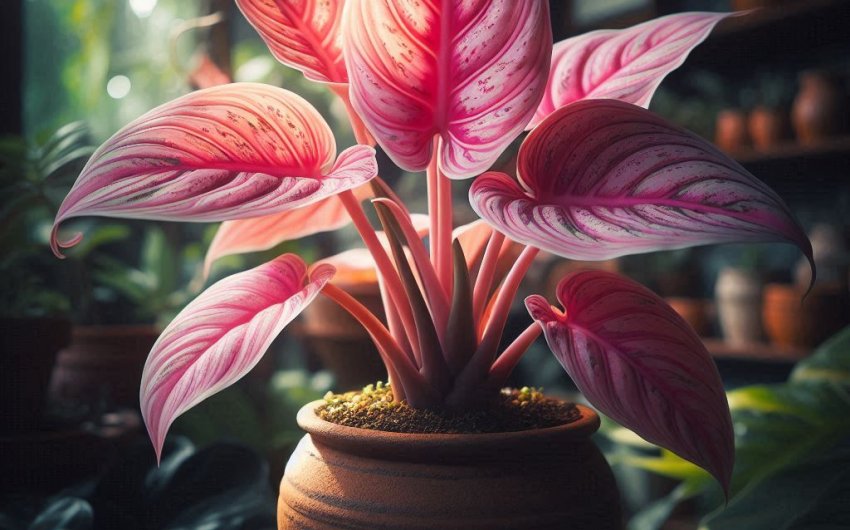
Caring for a Philodendron Pink Princess involves providing consistent, indirect light, maintaining high humidity, and using a well-draining potting mix. This guide will help you cultivate a thriving and beautifully variegated plant.
What is a Philodendron Pink Princess?
The Philodendron Pink Princess (Philodendron erubescens 'Pink Princess') is a highly sought-after aroid known for its striking dark green leaves mottled with bright pink variegation. Native to tropical rainforests, this hybrid plant is admired for its unique coloration and relatively easy care once you understand its specific needs. Its vining nature makes it an excellent choice for shelves, hanging baskets, or trained on a moss pole.
How much light does a Pink Princess need?
A Philodendron Pink Princess thrives in bright, indirect light. This means placing it near a window where it receives ample light but is shielded from direct sun rays, which can scorch its delicate leaves.
- Ideal Placement: An east-facing window is often perfect, offering gentle morning sun. A north-facing window can also work, but you might need to supplement with a grow light for optimal variegation.
- Avoid Direct Sun: Direct afternoon sun will burn the leaves and fade the pink variegation. If you notice brown or crispy spots on the leaves, move your plant further from the window.
- Low Light Issues: Insufficient light will lead to duller variegation, smaller leaves, and a leggy appearance as the plant stretches for light. The beautiful pink splashes may also revert to green. Consider using a LED Grow Light for Indoor Plants if your home lacks sufficient natural light.
What is the best watering schedule for a Pink Princess?
Water your Philodendron Pink Princess when the top 2-3 inches of soil feel dry to the touch. This typically means watering every 7-10 days, but it can vary based on light, humidity, and pot size.
- Check Before Watering: Always stick your finger into the soil or use a Soil Moisture Meter to determine if your plant needs water. Overwatering is a common cause of root rot, which can be fatal.
- Thorough Watering: When you do water, saturate the soil completely until water drains from the bottom of the pot. Ensure the pot has drainage holes to prevent water from sitting at the roots.
- Drain Excess Water: Never let your plant sit in standing water. Empty any excess water from the saucer within 30 minutes of watering.
- Signs of Underwatering: Drooping leaves, dry and crispy leaf edges, and very dry, compacted soil indicate your plant is thirsty.
- Signs of Overwatering: Yellowing leaves, soft and mushy stems, and a foul odor from the soil are signs of overwatering and potential root rot.
What kind of soil does a Pink Princess need?
A well-draining, airy, and rich potting mix is crucial for the health of your Philodendron Pink Princess. It needs soil that retains some moisture but allows excess water to escape quickly.
- Ideal Mix Components:
- Peat Moss or Coco Coir: Provides a good base for moisture retention.
- Perlite or Pumice: Enhances drainage and aeration.
- Orchid Bark or Horticultural Charcoal: Improves drainage and prevents compaction.
- Worm Castings or Compost: Adds nutrients.
- DIY Potting Mix Recipe: A good starting point is a mix of 1 part high-quality indoor potting mix, 1 part perlite or pumice, and 1 part orchid bark.
- Avoid Heavy Soil: Dense, heavy potting mixes will retain too much water, leading to root rot. If your current soil feels dense, consider repotting with a lighter mix. You can find pre-made Aroid Potting Mix specially formulated for plants like the Pink Princess.
What humidity level is best for a Pink Princess?
As a tropical plant, the Philodendron Pink Princess thrives in high humidity, ideally 60% or higher. Low humidity can lead to crispy leaf edges and slower growth.
- Increase Humidity Methods:
- Humidifier: The most effective way to increase humidity is by using a Room Humidifier near your plant. This provides consistent moisture in the air.
- Pebble Tray: Place a tray filled with pebbles and water beneath your plant's pot. As the water evaporates, it increases localized humidity around the plant. Ensure the bottom of the pot does not sit directly in the water.
- Grouping Plants: Grouping several plants together can create a microclimate with higher humidity as they release moisture through transpiration.
- Misting (Limited Effectiveness): While misting provides temporary relief, it doesn't significantly raise ambient humidity for long. If you do mist, use distilled water to avoid mineral buildup on leaves. Frequent misting without good air circulation can also encourage fungal issues.
- Signs of Low Humidity: Brown, crispy leaf edges, especially on newer leaves, and curled leaves are common signs of insufficient humidity.
What is the ideal temperature range for a Pink Princess?
The Philodendron Pink Princess prefers warm temperatures, typical of its tropical origins.
- Optimal Range: Keep your plant in temperatures between 18°C and 27°C (65°F and 80°F).
- Avoid Cold Drafts: Do not expose your Pink Princess to sudden temperature drops or cold drafts from open windows, air conditioning vents, or heating vents. This can stress the plant and cause leaf damage or stunted growth.
- Minimum Temperature: Temperatures below 10°C (50°F) can severely damage or kill the plant.
How often should I fertilize my Pink Princess?
Fertilize your Philodendron Pink Princess during its active growing season, which is typically spring and summer.
- Fertilizer Type: Use a balanced liquid fertilizer diluted to half strength. A fertilizer with an NPK ratio like 5-5-5 or 10-10-10 works well. Look for a Balanced Liquid Plant Food.
- Frequency: Fertilize every 2-4 weeks during the growing season.
- Dormancy: Do not fertilize during fall and winter when the plant's growth slows down. Over-fertilizing can lead to nutrient burn, visible as brown tips or edges on leaves.
- Signs of Nutrient Deficiency: Slow growth, pale or yellowing leaves (especially older ones), and lack of vigor can indicate a need for nutrients.
When should I repot my Pink Princess?
Repot your Philodendron Pink Princess when it becomes root-bound, typically every 1-2 years, or when you notice signs like roots growing out of drainage holes or stunted growth.
- Choosing a Pot: Select a pot that is only 1-2 inches larger in diameter than the current one. Over-potting can lead to the soil staying wet for too long, increasing the risk of root rot.
- Material: Terracotta pots can help with drainage and airflow, while plastic pots retain moisture longer. Choose based on your watering habits and home environment. Always ensure the pot has drainage holes.
- Repotting Steps:
- Gently remove the plant from its current pot.
- Loosen any circling roots.
- Add a layer of fresh, well-draining soil to the new pot.
- Place the plant in the center and fill with more soil, leaving about an inch of space from the rim.
- Water thoroughly after repotting.
How do I prune a Pink Princess?
Pruning your Philodendron Pink Princess can encourage bushier growth, remove leggy stems, and propagate new plants.
- Why Prune?
- Shape and Bushiness: Pruning encourages new growth points, leading to a fuller, bushier plant.
- Remove Leggy Growth: If your plant is stretching towards the light with long, bare stems, pruning can help.
- Remove Damaged Leaves: Trim off any yellow, brown, or diseased leaves to direct the plant's energy towards healthy growth.
- Propagation: Cuttings from pruning can be rooted to create new plants.
- How to Prune:
- Use clean, sharp Pruning Shears to prevent the spread of diseases.
- Cut just below a node (where a leaf or aerial root emerges) on the stem. This is where new growth will typically emerge.
- You can prune back to your desired length.
How do I propagate a Pink Princess?
Propagating a Philodendron Pink Princess is relatively easy using stem cuttings. This allows you to expand your collection or share with friends.
- Propagation Methods:
- Water Propagation:
- Take a stem cutting that has at least 1-2 nodes and a few leaves.
- Remove any leaves that would be submerged in water.
- Place the cutting in a clear glass or jar filled with filtered or distilled water.
- Change the water every few days to prevent bacterial growth.
- Place in a bright, indirect light location. Roots should appear within a few weeks.
- Once roots are 2-3 inches long, plant the cutting in a well-draining potting mix.
- Soil Propagation:
- Take a stem cutting as described above.
- Dip the cut end in Rooting Hormone Powder (optional, but can speed up rooting).
- Plant the cutting directly into a small pot filled with moist, well-draining propagation mix (e.g., perlite and peat moss).
- Keep the soil consistently moist but not soggy.
- You can cover the pot with a plastic bag or dome to create a mini-greenhouse effect and increase humidity, which aids rooting.
- Check for resistance after a few weeks to see if roots have formed.
- Water Propagation:
What pests commonly affect a Pink Princess?
While generally resilient, Philodendron Pink Princess plants can occasionally fall victim to common houseplant pests.
- Common Pests:
- Spider Mites: Tiny red or brown mites that create fine webbing, especially on the undersides of leaves. Leaves may appear stippled or discolored.
- Mealybugs: Small, white, cottony insects found in leaf axils and along stems. They secrete a sticky honeydew.
- Aphids: Small, pear-shaped insects that cluster on new growth, feeding on plant sap.
- Thrips: Tiny, slender insects that cause silvery streaks and distorted growth.
- Pest Control Methods:
- Isolation: Immediately isolate any infested plant to prevent pests from spreading to other plants.
- Manual Removal: For small infestations, wipe pests off with a damp cloth or cotton swab dipped in rubbing alcohol.
- Insecticidal Soap: Spray the plant thoroughly with an Organic Insecticidal Soap, ensuring to coat the undersides of leaves. Repeat every 5-7 days until pests are gone.
- Neem Oil: A natural pesticide that disrupts the life cycle of many pests. Mix Cold-Pressed Neem Oil with water and a few drops of dish soap, then spray the plant thoroughly.
- Horticultural Oil: Can be effective against a range of soft-bodied insects.
- Prevention: Regularly inspect your plant for signs of pests, especially on the undersides of leaves. Good air circulation and proper plant care can help deter infestations.
What are common issues with a Pink Princess and how do I fix them?
Understanding common problems helps in providing optimal Philodendron Pink Princess care.
- Yellowing Leaves:
- Cause: Most often caused by overwatering or poor drainage. Can also be a sign of underwatering (less common), nutrient deficiency, or natural aging of older leaves.
- Fix: Check soil moisture. If wet, reduce watering frequency and ensure good drainage. If very dry, water thoroughly. Consider fertilizing if it's been a while.
- Brown, Crispy Leaf Edges:
- Cause: Low humidity, underwatering, or too much direct sunlight.
- Fix: Increase humidity with a humidifier or pebble tray. Check soil moisture and water if dry. Move plant out of direct sun.
- Lack of Pink Variegation / Reversion to Green:
- Cause: Insufficient light is the primary culprit. Pink variegation requires bright, indirect light to develop and maintain its color. Can also be caused by genetic instability or an older plant producing less variegated growth.
- Fix: Move your plant to a brighter location with more indirect light. Prune back any purely green stems to encourage variegated growth.
- Leggy Growth:
- Cause: Insufficient light causing the plant to stretch, or simply its vining nature.
- Fix: Provide more bright, indirect light. Prune back leggy stems to encourage bushier growth. Provide a moss pole or trellis for support.
- Drooping Leaves:
- Cause: Most commonly underwatering. Can also be a sign of severe overwatering and root rot, or sudden temperature changes.
- Fix: Check soil moisture. If dry, water thoroughly. If soil is wet and plant is drooping, check for root rot.
- Mushy Stems / Foul Odor:
- Cause: Severe overwatering and root rot.
- Fix: Immediately unpot the plant. Inspect roots and cut away any black, mushy, or smelly roots with sterile scissors. Repot in fresh, well-draining soil and a clean pot, and adjust watering habits.
- Slow Growth:
- Cause: Can be insufficient light, lack of nutrients, too small a pot (root-bound), or low temperatures.
- Fix: Assess light levels, fertilize during the growing season, consider repotting, and ensure temperatures are adequate.
Should I use a moss pole for my Pink Princess?
Yes, using a moss pole is highly recommended for your Philodendron Pink Princess. As a vining plant, it naturally seeks to climb.
- Benefits of a Moss Pole:
- Support: Provides vertical support for the climbing stems, preventing them from sprawling or breaking.
- Larger Leaves & More Variegation: When provided with a climbing structure, especially one that allows aerial roots to attach (like a moss pole that can be kept moist), Philodendrons tend to produce larger leaves and often exhibit better variegation. This mimics their natural climbing habit in the rainforest.
- Aesthetics: Creates a more upright and architectural look for your plant.
- How to Use:
- Insert the Moss Pole for Climbing Plants into the pot when repotting, or carefully add it to an existing plant without disturbing roots too much.
- Gently tie the stems of your Pink Princess to the pole using soft plant ties or garden twine as it grows.
- Keep the moss pole moist by misting it or slowly pouring water down it. This encourages the aerial roots to attach, which is key for larger leaf development.
What is the best pot size for a Pink Princess?
The best pot size for your Philodendron Pink Princess depends on its current size and root system. As a rule of thumb, only increase the pot size by 1-2 inches in diameter when repotting.
- Matching Pot to Plant:
- Small Plant: A 4-6 inch pot is usually appropriate for a young plant.
- Medium Plant: An 8-10 inch pot works well for a more mature plant.
- Large Plant: For very large, established plants, you might go up to a 12-14 inch pot.
- Importance of Not Over-Potting: Using a pot that is too large for the root ball can lead to problems. Too much soil holds excess moisture for too long, increasing the risk of root rot because the roots can't absorb all the water before it becomes stagnant.
- Drainage: Regardless of size, ensure the pot has ample drainage holes at the bottom to prevent water from accumulating.
Is the Philodendron Pink Princess toxic to pets?
Yes, like many Philodendrons, the Philodendron Pink Princess is toxic to pets (and humans) if ingested.
- Toxic Components: It contains insoluble calcium oxalates, which can cause irritation.
- Symptoms of Ingestion (Pets): Oral irritation, pain and swelling of the mouth, tongue, and lips, excessive drooling, vomiting, and difficulty swallowing.
- Precaution: Keep your Philodendron Pink Princess out of reach of curious pets and small children. Place it on high shelves, in hanging baskets, or in rooms inaccessible to them. If you suspect ingestion, contact your veterinarian immediately.
How do I get more pink on my Pink Princess?
Maximizing the pink variegation on your Philodendron Pink Princess is a common goal for owners. The key lies primarily in providing optimal light.
- Bright, Indirect Light: This is the most crucial factor. The pink variegation is light-dependent. Without enough light, the pink areas will be dull, sparse, or even revert to green. Place your plant within a few feet of a bright window, avoiding direct sun.
- Grow Lights: If natural light isn't sufficient, a high-quality Full Spectrum LED Grow Light can make a significant difference. Aim for a light that provides a good intensity without being too hot.
- Genetics: Remember that the amount of pink can also be influenced by the specific genetics of your plant. Some Pink Princess varieties naturally have more variegation than others.
- Pruning: If you have purely green stems emerging, prune them back. This encourages the plant to put energy into growing more variegated sections. New growth from a node that previously produced variegated leaves is more likely to be variegated itself.
- Stable Environment: While not directly affecting color, a healthy, thriving plant in ideal conditions (proper watering, humidity, nutrients) will have the energy to produce vibrant, well-formed leaves, including the pink variegation.
What's the best way to clean Pink Princess leaves?
Cleaning the leaves of your Philodendron Pink Princess is important for its health and appearance. Dust can block light and hinder photosynthesis.
- Frequency: Aim to clean the leaves every few weeks or whenever you notice dust buildup.
- Method:
- Use a soft, damp cloth or sponge.
- Gently wipe each leaf, both top and bottom, to remove dust and debris.
- You can use distilled water or a very dilute solution of water and a mild dish soap for stubborn residue.
- Avoid using leaf shine products, as they can clog pores and interfere with respiration.
- Benefits: Clean leaves can absorb more light, leading to better growth and more vibrant variegation.
Can a Pink Princess live outdoors?
A Philodendron Pink Princess can live outdoors in very specific climates, but generally, it's best kept as an indoor houseplant in most regions.
- Tropical Climates Only: It can thrive outdoors only in warm, humid, frost-free climates (USDA Zones 9b-11) where temperatures consistently stay above 10°C (50°F).
- Outdoor Placement: If you do place it outdoors, ensure it's in a shaded or very indirect light spot, protected from direct sun, strong winds, and heavy rain.
- Bringing Indoors: In regions with cooler seasons, you must bring your Pink Princess indoors before temperatures drop in the fall. Acclimatize it gradually to the indoor environment.
Mastering Philodendron Pink Princess care comes down to understanding and consistently providing its essential tropical needs. Focus on bright, indirect light to encourage that stunning pink variegation, along with a well-draining soil mix to prevent root issues. Maintaining high humidity is crucial, as is a watchful eye for pests and clear signs of stress like yellowing or browning leaves. With proper attention to these factors, your Philodendron Pink Princess will flourish, becoming a vibrant and rewarding addition to your plant collection.