
Philodendron Birkin Care: Stripe Up Your Plant Game!
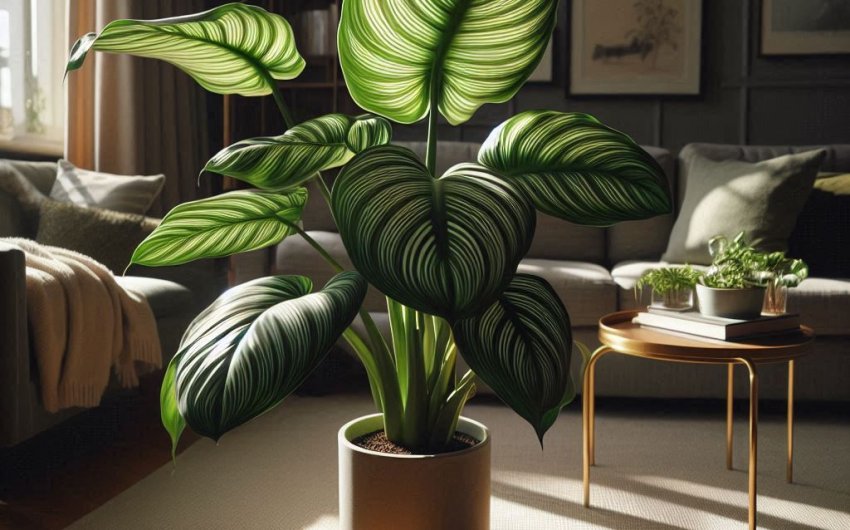
Philodendron Birkin care is relatively easy, making this stunning plant a fantastic choice for both beginners and experienced plant parents. It thrives in bright, indirect light, consistently moist but not soggy soil, and benefits from higher humidity.
What Makes the Philodendron Birkin So Special?
The Philodendron Birkin is a truly captivating houseplant, celebrated for its unique variegation and compact growth habit. A cultivar of Philodendron congo, its distinctive foliage sets it apart in the crowded world of indoor plants.
The Striking Stripes: A Visual Masterpiece
The most defining characteristic of the Philodendron Birkin is its gorgeous variegation. Each dark green leaf emerges with creamy white or pale yellow pinstripes that become more prominent as the leaf matures.
- Distinctive Foliage: Deep green leaves with contrasting white or creamy yellow pinstripes.
- Color Evolution: New leaves often emerge lighter and darken with age, with stripes becoming more defined.
- Glossy Texture: The leaves have a beautiful, slightly glossy sheen.
- Compact Growth: Unlike some philodendrons, the Birkin maintains a more upright, bushy form, making it perfect for shelves or tabletops.
A Designer Plant Without the Fuss: Why It's Popular
Despite its fancy appearance, Philodendron Birkin care is surprisingly straightforward, appealing to a wide range of plant enthusiasts.
- Relatively Easy Care: Forgiving of minor neglect, making it suitable for busy individuals.
- Air Purifying: Like many philodendrons, it helps improve indoor air quality.
- Growth Habit: Its self-heading nature means it grows upright and doesn't vine like many other philodendrons, eliminating the need for staking.
Is Birkin Unstable? Understanding Its Traits
While stable, some Philodendron Birkin plants might occasionally revert to a more plain green form, or show patches of Philodendron roxburgii (its likely parent) variegation. This is part of its genetic makeup.
- Reversion: Occasionally, a new leaf or stem might emerge completely green. You can prune these reverted sections to encourage the striped variegation.
- Roxburgii Traits: Some Birkins may show splashes of red or pink, indicating a connection to P. roxburgii, adding another layer of interest.
What Are the Ideal Light Conditions for Philodendron Birkin Care?
Light is a crucial element for Philodendron Birkin care, directly impacting its vibrant variegation and overall health.
Bright, Indirect Light: The Perfect Balance
The Philodendron Birkin thrives in bright, indirect light. This mimics its natural habitat on the jungle floor, where it receives dappled sunlight through the tree canopy.
- Ideal Placement:
- A few feet away from a south- or west-facing window, where it receives bright ambient light without direct sun.
- Near an east-facing window, which offers gentle morning sun that isn't too intense.
- In a brightly lit room, even if not directly next to a window.
- Even Light: Rotate your Philodendron Birkin periodically to ensure all sides receive adequate light, promoting even growth.
Signs of Too Much Light: Scorched Stripes
Direct, intense sunlight, especially harsh afternoon sun, can damage the delicate variegated leaves of your Philodendron Birkin.
- Symptoms:
- White stripes turning yellow or brown.
- Leaves developing crispy, scorched spots.
- Foliage appearing faded or washed out.
- Solution: Move the plant to a shadier location or use sheer curtains to diffuse intense light.
Low Light Tolerance: Slower Growth, Less Contrast
While the Philodendron Birkin can tolerate lower light conditions, its growth will be significantly slower, and its signature stripes may become less prominent or even disappear.
- Symptoms:
- New leaves appearing almost entirely green with faint or no stripes.
- Stunted growth and smaller leaves.
- Leggy stems (long stems with widely spaced leaves) as the plant stretches for light.
- Solution: Relocate the plant to a brighter area. If natural light is limited, consider supplementing with a Full Spectrum LED Grow Light to maintain its vibrant variegation and encourage bushier growth.
How Do You Water a Philodendron Birkin Properly?
Proper watering is fundamental to Philodendron Birkin care. It prefers consistently moist soil but absolutely abhors being waterlogged.
The "Top Inch Dry" Rule: Finding the Balance
The key to watering your Philodendron Birkin is to allow the top 1-2 inches of soil to dry out between waterings. This prevents the roots from sitting in overly wet conditions, which can lead to root rot.
- Check Before Watering: Stick your finger about 2 inches deep into the soil. If it feels dry, it's time to water. If it still feels moist, wait a few more days.
- Pot Weight: Over time, you'll learn to judge moisture by the weight of the pot. A lighter pot usually means it's dry.
- Frequency: This typically means watering every 1-2 weeks, but it heavily depends on factors like light, temperature, humidity, and pot size. You'll water more frequently in warmer, brighter conditions and less often in cooler, darker months.
How to Water: Thoroughly and with Good Drainage
When you water your Philodendron Birkin, do so thoroughly until you see water draining from the bottom of the pot.
- Water from the Top: Pour water slowly and evenly over the entire soil surface.
- Let it Drain: Allow all excess water to drain completely from the pot's drainage holes.
- Empty Saucer: Crucially, never let your Philodendron Birkin sit in standing water in its saucer. Prolonged exposure to standing water is a direct path to root rot.
- Bottom Watering (Optional): To ensure thorough saturation, especially if the soil has become compacted, you can place the pot in a basin filled with water for 15-30 minutes. Let it soak up water from the bottom, then remove and allow it to drain completely.
Signs of Watering Problems: Watch for Cues
Recognizing symptoms of improper watering is vital for timely intervention in Philodendron Birkin care.
- Overwatering Symptoms:
- Yellowing leaves, especially lower ones.
- Leaves becoming soft, mushy, or translucent.
- Blackened or mushy stems at the soil line.
- A foul, rotten smell from the soil.
- Fungus gnats (small flying insects) may appear, indicating constantly wet soil.
- Underwatering Symptoms:
- Drooping or wilting leaves.
- Leaves feeling crispy or brittle, especially at the edges.
- Stunted growth.
If you suspect overwatering:
- Stop watering immediately.
- Gently remove the plant from its pot.
- Inspect roots for rot (mushy, black, smelly roots). Trim away affected roots with clean, sharp scissors.
- Repot in fresh, dry, well-draining soil.
What Kind of Soil and Pot Does a Philodendron Birkin Need?
The right soil mix and pot are foundational elements for successful Philodendron Birkin care, ensuring proper drainage and aeration for healthy root development.
Soil: Chunky and Well-Draining
A chunky, well-draining potting mix is absolutely crucial for the Philodendron Birkin. These plants prefer airy soil that mimics their epiphytic tendencies in nature, allowing roots to breathe.
- Ideal Mix:
- A good quality indoor potting mix as the base.
- Plenty of perlite or pumice for aeration and drainage (at least 30-40% of the mix).
- Orchid bark or coco coir chunks for a coarser texture and improved airflow.
- A bit of worm castings or compost for gentle, slow-release nutrients.
- Avoid: Heavy, dense potting soils that compact easily and retain too much moisture, as this leads to root rot.
- pH: Prefers slightly acidic to neutral soil, typically between pH 6.0 and 7.0.
Consider an Aroid Potting Mix or create your own with Perlite and Orchid Bark.
Potting: Drainage is Key
Choosing the right pot material and ensuring excellent drainage holes are non-negotiable for Philodendron Birkin care.
- Drainage Holes: Absolutely essential. Always use a pot with at least one, preferably multiple, drainage holes.
- Material:
- Terracotta/Unglazed Ceramic: An excellent choice. These porous pots allow excess moisture to evaporate through their walls, which helps prevent overwatering. Terracotta Pot with Drainage
- Plastic: Fine, but requires more vigilant watering as it retains moisture longer.
- Nursery Pots: Often have excellent drainage. You can place these inside a decorative cachepot.
- Size:
- Not Too Large: Philodendron Birkins prefer to be slightly root-bound. Planting in a pot that is too large means the soil will stay wet for too long, increasing the risk of root rot.
- Gradual Increase: When repotting, only go up one pot size (e.g., from a 6-inch to an 8-inch pot).
Does a Philodendron Birkin Need Fertilizer or High Humidity?
Understanding the feeding and humidity preferences is key to optimizing Philodendron Birkin care and promoting lush, vibrant growth.
Fertilizing: Moderate Feeding for Vibrant Stripes
Philodendron Birkins are moderate feeders during their active growing season. Regular, diluted fertilization encourages strong growth and brilliant variegation.
- Frequency: Fertilize every 2-4 weeks during spring and summer (the active growing season). Reduce or stop entirely in fall and winter when growth naturally slows.
- Type: Use a balanced liquid houseplant fertilizer (e.g., 5-5-5 or 10-10-10 NPK ratio). Some growers prefer a fertilizer slightly higher in nitrogen for foliage growth.
- Dilution: Always dilute the fertilizer to half or quarter strength to avoid burning the roots, especially for aroids.
- Application: Apply to moist soil, never dry, to prevent root shock or burn.
An All-Purpose Liquid Houseplant Fertilizer is a good choice.
Humidity: The Birkin's Tropical Preference
Being a philodendron, the Birkin appreciates higher humidity, mimicking its native tropical environment. While it can adapt to average household humidity, it truly thrives with a boost.
- Ideal Humidity: Prefers 60% relative humidity or higher.
- Signs of Low Humidity:
- Crispy, brown leaf edges or tips.
- New leaves struggling to unfurl completely or tearing.
- Overall dull appearance.
- Solutions for Boosting Humidity:
- Humidifier: The most effective method. A Room Humidifier for Plants placed nearby will greatly benefit your plant.
- Pebble Tray: Place the pot on a tray filled with pebbles and a shallow layer of water. Ensure the bottom of the pot does not touch the water. Pebble Tray for Plants
- Grouping Plants: Grouping several plants together can create a localized humid microclimate.
- Misting: While it provides a temporary boost, misting alone is not sufficient to significantly increase ambient humidity. It can help clean leaves, though.
Temperature: Consistent Warmth
Maintain stable, moderate to warm temperatures for optimal Philodendron Birkin care.
- Ideal Range: Between 65-80°F (18-27°C).
- Avoid Extremes: Protect from cold drafts, sudden temperature drops below 60°F (15°C), or placement near heat vents/AC units.
How and When Should You Repot a Philodendron Birkin?
Repotting your Philodendron Birkin is an essential part of its long-term care, but it's not a frequent task. Knowing when and how to do it correctly supports its continued healthy growth.
When to Repot: Signs It's Time for a New Home
- Root Bound: Roots are circling the bottom of the pot, growing out of drainage holes, or pushing the plant up in the pot.
- Stunted Growth: If the plant's growth has significantly slowed despite good watering and light.
- Frequent Watering: You find yourself watering much more often than usual because the soil dries out too quickly.
- Every 1-2 Years: Generally, Philodendron Birkins benefit from repotting every 1-2 years, typically in spring or early summer when growth is most active.
Step-by-Step Repotting Guide
- Choose a Pot: Select a new pot that is only one size larger than the current one (e.g., if currently in a 6-inch pot, move to an 8-inch). Ensure it has excellent drainage holes.
- Prepare Soil: Have your fresh, chunky, well-draining aroid potting mix ready.
- Remove Plant: Gently tip the plant out of its current pot. You might need to gently squeeze the sides of a plastic pot or run a knife around the rim of a ceramic one. Be careful not to damage the delicate roots or stems.
- Inspect Roots: Carefully inspect the root ball. Trim away any soft, mushy, black, or smelly roots with clean, sharp scissors. Healthy roots are firm and white or light brown.
- Add Soil: Place a layer of fresh potting mix at the bottom of the new pot.
- Position Plant: Center the Philodendron Birkin in the new pot. Ensure the top of the root ball is at the same level as it was in the old pot, or slightly below the new pot's rim.
- Fill with Soil: Backfill around the roots and stems with more potting mix, gently tapping the pot or lightly patting the soil to settle it and remove large air pockets. Leave about 1 inch of space from the pot rim for watering.
- Water (Lightly): Water lightly after repotting, just enough to moisten the soil and help it settle. Avoid heavy watering for the first week to allow any disturbed roots to heal. Place in its usual bright, indirect light spot.
How Do You Propagate a Philodendron Birkin?
Propagating a Philodendron Birkin is a great way to create new plants from your existing one, especially if it's getting leggy or you want to share. It's relatively straightforward.
Method of Propagation: Stem Cuttings
The most effective method for propagating Philodendron Birkin is via stem cuttings. This plant does not produce pups like some other houseplants.
Steps for Stem Cutting Propagation:
- Select a Healthy Stem: Choose a healthy, mature stem section that has at least 2-3 leaves and a visible node (where a leaf attaches or has attached). This node is crucial as it's where new roots will emerge.
- Make the Cut: Using clean, sharp scissors or pruning shears, make a cut below a node, ensuring the cutting is about 4-6 inches long.
- Remove Lower Leaves: Remove any leaves from the bottom inch or two of the cutting to expose the node(s).
- Root in Water (Recommended):
- Place the cutting in a clear glass or jar filled with clean water, ensuring the node(s) are fully submerged but leaves remain above the waterline.
- Place the jar in a warm spot with bright, indirect light.
- Change the water every few days to keep it fresh and prevent bacterial growth.
- Roots should start to appear in a few weeks to a month.
- Once roots are about 1-2 inches long, it's ready for potting.
- Root in Soil:
- Alternatively, you can plant the cutting directly into a small pot (4-6 inches) filled with a moist, well-draining propagation mix (e.g., perlite and peat or a mix with sphagnum moss).
- Bury the node(s) about 1-2 inches deep.
- Keep the soil consistently moist but not soggy, and provide bright, indirect light and warmth.
- Patience: Rooting can take several weeks to a few months. Once new growth appears, it indicates successful rooting.
What Are Common Problems with Philodendron Birkin Care and How to Fix Them?
While beautiful and relatively easy, Philodendron Birkin care can sometimes present challenges. Recognizing these issues and knowing how to troubleshoot them ensures your plant stays vibrant.
Brown or Crispy Leaf Tips/Edges: Humidity or Water Stress
This is a common issue and often the first sign of less-than-ideal conditions.
- Problem: Leaf tips or edges turning brown and crispy.
- Cause:
- Low Humidity (Most Common): Air is too dry, especially in winter or arid climates.
- Underwatering: Soil is consistently too dry, and the plant isn't getting enough moisture.
- Mineral Buildup: Accumulation of salts from tap water or over-fertilization.
- Solution:
- Increase Humidity: Use a humidifier, pebble tray, or group plants.
- Adjust Watering: Ensure thorough watering when the top 1-2 inches of soil are dry.
- Flush Soil: Periodically flush the soil with distilled or filtered water to remove mineral buildup.
- Check Fertilizer: Ensure you are not over-fertilizing.
Yellowing Leaves: Usually a Watering Issue
Yellow leaves are a classic symptom that something is off with your Philodendron Birkin's environment.
- Problem: Leaves turning yellow, often starting from the bottom.
- Cause:
- Overwatering (Most Common): Roots are suffocating due to constantly wet soil, leading to root rot.
- Underwatering: If the plant has been severely dehydrated for an extended period.
- Natural Aging: Oldest, lowest leaves may yellow and drop naturally.
- Nutrient Deficiency: Possible, but less common if regularly fertilized.
- Solution:
- Assess Watering: Check soil moisture. If wet, let it dry out completely. If signs of rot, repot immediately after trimming. If bone dry, water thoroughly.
- Adjust Watering Schedule: Fine-tune based on observation.
Loss of Variegation (Green Leaves): Light Deficiency
The striking stripes are the Birkin's main appeal, so their disappearance is a concern.
- Problem: New leaves emerging mostly or entirely green, or existing stripes fading.
- Cause:
- Insufficient Light (Most Common): The plant isn't getting enough bright, indirect light to produce variegation.
- Reversion: Genetic tendency of the plant to revert to a less variegated form (sometimes producing solid green leaves or leaves resembling P. roxburgii).
- Solution:
- Increase Light: Move to a brighter spot. Supplement with a grow light if needed.
- Pruning (for reversion): If a stem produces consistent green leaves, prune that stem back to encourage variegated growth from a node below.
Drooping or Limp Stems: Dehydration or Root Problems
Stems that aren't standing upright indicate serious stress.
- Problem: Leaves and stems appear limp, wilting, or generally unhappy.
- Cause:
- Underwatering (Most Common): Plant is extremely thirsty.
- Overwatering/Root Rot: Roots are damaged and can't absorb water, causing symptoms similar to underwatering.
- Solution:
- Check Soil: If bone dry, water thoroughly. Plant should perk up quickly.
- Check for Rot: If soil is wet, immediately check for root rot and address it.
Pests: Watchful Eye
While generally robust, Philodendron Birkins can occasionally attract common houseplant pests.
- Common Pests: Spider mites, mealybugs, thrips, or fungus gnats.
- Cause: Often introduced from new plants, outdoor exposure, or consistent overwatering (fungus gnats).
- Solution:
- Inspect Regularly: Check leaves (especially undersides) and stems during watering.
- Isolate: Isolate any affected plant immediately.
- Wipe/Rinse: For minor infestations, wipe pests off with a damp cloth or cotton swab with rubbing alcohol. Rinse foliage gently.
- Organic Sprays: For heavier infestations, use Organic Insecticidal Soap or Neem Oil Spray for Plants according to package directions.
- Fungus Gnats: Let soil dry out more between waterings. Use sticky traps.
Mastering Philodendron Birkin care allows you to fully appreciate this plant's stunning beauty and enjoy a vibrant, low-maintenance addition to your indoor jungle.