
Chinese Money Plant Care: A Guide to Prosperous Growth
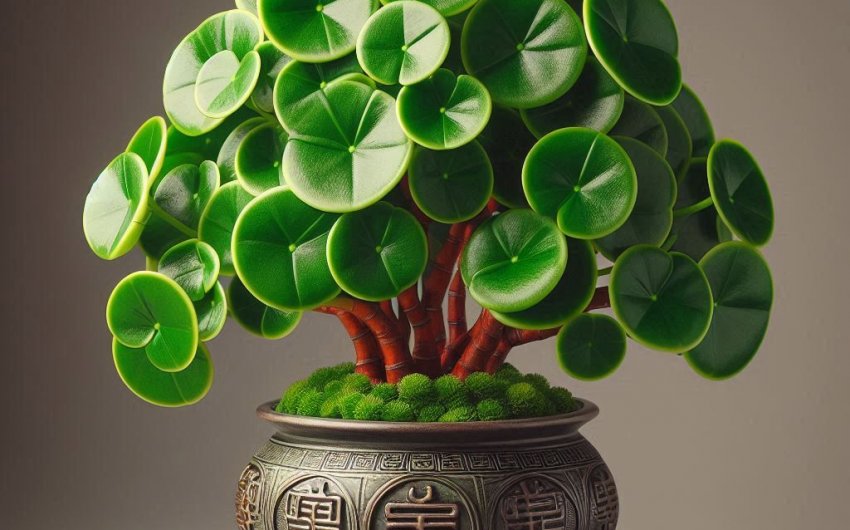
Chinese Money Plant care is surprisingly straightforward, making it an excellent choice for both new and experienced plant enthusiasts. This popular houseplant thrives with bright, indirect light, consistent watering when the topsoil is dry, and well-draining potting mix.
What is a Chinese Money Plant and Why Is It So Popular?
The Chinese Money Plant, officially known as Pilea peperomioides, has captivated plant lovers worldwide with its unique appearance and easy-care nature. Its round, coin-like leaves have earned it many nicknames, including UFO plant, Pancake Plant, and Missionary Plant.
Unique Appearance: The Allure of Round Leaves
The defining feature of the Chinese Money Plant is its perfectly circular, glossy green leaves. These leaves emerge from a central stem, giving the plant a whimsical, almost alien appearance.
- Distinctive Foliage: Its round, flat leaves are truly one-of-a-kind in the houseplant world.
- Upright Growth: Stems grow upwards, creating a pleasing architectural shape.
- Vibrant Green: The leaves are a lively, bright green, adding freshness to any space.
- Air Purifying: Like many houseplants, it contributes to cleaner indoor air.
Symbolism and Tradition: Bringing Good Fortune
Beyond its beauty, the Chinese Money Plant is often associated with good luck, prosperity, and abundance, particularly in Asian cultures. This symbolism adds to its widespread appeal, making it a popular gift.
- Lucky Charm: Believed to bring financial fortune to its owner.
- Friendship Plant: Easily propagated, making it a popular plant to share with friends.
- Modern Aesthetic: Fits perfectly into contemporary home decor styles.
Easy Care Reputation: A Beginner-Friendly Pick
The Chinese Money Plant has gained immense popularity not just for its looks but also for its forgiving nature. It's an excellent plant for those new to indoor gardening.
- Forgiving: Tolerates minor neglect better than some more finicky plants.
- Resilient: Bounces back from common issues with proper adjustments.
- Pest Resistant: Not commonly plagued by serious pest problems.
What Are the Ideal Light Conditions for a Chinese Money Plant?
Light is a critical factor in successful Chinese Money Plant care. Providing the right amount of light will encourage strong, healthy growth and vibrant leaf color.
Bright, Indirect Light: The Gold Standard
The Chinese Money Plant thrives in bright, indirect light. This means a location where it receives plenty of ambient light but is shielded from direct, intense sun exposure, especially in the afternoon.
- Ideal Placement:
- A few feet away from a south- or west-facing window.
- Near an east-facing window, which provides gentle morning sun.
- In a well-lit room, even if not directly next to a window.
- Rotate Regularly: To encourage even growth and prevent the plant from leaning towards the light, rotate your Chinese Money Plant a quarter turn every week or two.
Signs of Too Much Light: Sunburn Warnings
Direct, harsh sunlight can quickly damage the delicate leaves of your Chinese Money Plant.
- Symptoms:
- Leaves developing yellow or brown spots.
- Foliage appearing scorched or bleached.
- Leaves losing their vibrant green color and becoming dull.
- Solution: Move the plant to a shadier spot or use sheer curtains to diffuse intense sunlight.
Low Light Tolerance: Survival vs. Thriving
While the Chinese Money Plant can tolerate lower light conditions, it won't flourish as vigorously.
- Symptoms:
- Stunted growth.
- New leaves are smaller than usual.
- Plant becoming leggy (long stems between leaves) as it stretches for light.
- Leaves may appear darker green but less vibrant.
- Solution: Relocate the plant to a brighter area. If natural light is limited, consider using a LED Grow Light for Indoor Plants to supplement.
How Do You Water a Chinese Money Plant Properly?
Watering is perhaps the most crucial aspect of Chinese Money Plant care, as overwatering is the most common mistake leading to problems.
The "Dry Out Slightly" Rule: Perfect Moisture Balance
The Chinese Money Plant prefers its soil to dry out slightly between waterings. This prevents the roots from sitting in soggy conditions, which can lead to rot.
- Check Before Watering: Stick your finger about 2 inches deep into the soil. If it feels dry, it's time to water. If it feels moist, wait.
- Lift the Pot: Get familiar with the weight of your pot when it's dry. A light pot usually means it's ready for water.
- Frequency: This typically translates to watering every 1-2 weeks, depending on light, temperature, humidity, and pot size. You'll water more often in warmer, brighter conditions and less frequently in cooler, darker months.
How to Water: Thorough and Draining
When you do water, water thoroughly until you see water draining from the bottom of the pot.
- Water Slowly: Pour water evenly over the soil surface.
- Drain Completely: Allow all excess water to drain out of the pot's drainage holes.
- Empty Saucer: Never let your Chinese Money Plant sit in standing water in its saucer. This is a common cause of root rot.
- Bottom Watering (Optional): For thorough hydration, place the pot in a saucer or basin filled with water for 15-30 minutes, allowing the soil to absorb water from the bottom up. Remove and let drain thoroughly.
Signs of Watering Problems: Know the Cues
Recognizing the signs of improper watering is key to timely intervention in Chinese Money Plant care.
- Overwatering Symptoms:
- Yellowing leaves, especially lower ones.
- Leaves becoming soft, mushy, or translucent.
- Stems turning black or mushy at the base.
- Foul smell from the soil.
- Fungus gnats (small flying insects) may appear.
- Underwatering Symptoms:
- Drooping or wilting leaves.
- Leaves feeling crispy or brittle.
- Stems looking limp.
- Soil pulling away from the sides of the pot.
If you suspect overwatering:
- Stop watering immediately.
- Remove the plant from the pot.
- Inspect roots for rot (mushy, black, smelly roots). Trim affected roots with clean scissors.
- Repot in fresh, dry, well-draining soil.
What Kind of Soil and Pot Does a Chinese Money Plant Need?
The right soil and pot are foundational to good Chinese Money Plant care, as they directly impact drainage and root health.
Soil: The Importance of Good Drainage
A well-draining potting mix is absolutely vital for the Chinese Money Plant. Its roots are susceptible to rot if left in soggy conditions.
- Ideal Mix:
- A high-quality indoor potting mix as the base.
- Amendments for drainage: Add plenty of perlite, pumice, or coarse sand (about 30-40% of the mix).
- A bit of coconut coir can help with moisture retention while still allowing aeration.
- Avoid: Heavy, dense garden soil or potting mixes that hold too much water.
- pH: Prefers a slightly acidic to neutral soil pH, ideally between 6.0 and 7.0.
A Houseplant Potting Mix with Perlite is an excellent choice.
Potting: Drainage Holes Are Essential
The pot you choose for your Chinese Money Plant must have drainage holes. Without them, water will accumulate at the bottom, leading to root rot.
- Drainage Holes: Non-negotiable. Always use a pot with at least one, preferably multiple, drainage holes.
- Material:
- Terracotta/Unglazed Ceramic: Excellent choice. These porous pots allow excess moisture to evaporate through their walls, which is great for plants prone to root rot. Terracotta Pot with Drainage
- Plastic: Fine, but requires more careful watering as it retains moisture longer.
- Size:
- Not Too Large: Chinese Money Plants prefer to be slightly root-bound. Planting in a pot that is too large means the soil will hold too much moisture, increasing the risk of overwatering.
- Gradual Increase: When repotting, only go up one pot size (e.g., from a 4-inch to a 6-inch pot).
Does a Chinese Money Plant Need Fertilizer or Specific Humidity?
Providing the right nutrients and understanding humidity requirements are important aspects of holistic Chinese Money Plant care.
Fertilizing: Moderate Feeding
The Chinese Money Plant is not a heavy feeder, but it benefits from occasional fertilization during its active growing season.
- Frequency: Fertilize every 2-4 weeks during spring and summer (the growing season). Reduce or stop entirely in fall and winter.
- Type: Use a balanced liquid houseplant fertilizer (e.g., 5-5-5 or 10-10-10 NPK ratio).
- Dilution: Always dilute the fertilizer to half or quarter strength to avoid burning the roots.
- Application: Apply to moist soil, never dry, to prevent root shock.
An All-Purpose Liquid Houseplant Fertilizer will suffice.
Humidity: Average Household Conditions Are Fine
The Chinese Money Plant is quite adaptable to typical indoor humidity levels. High humidity is not usually a strict requirement.
- Average Humidity: It generally thrives in average household humidity (around 40-60%).
- Extremely Dry Air: In very dry environments (e.g., during winter with heating systems), you might notice crispy leaf edges or tips.
- Solutions for Dry Air (Optional):
- Pebble Tray: Place the pot on a tray filled with pebbles and water. Ensure the pot isn't sitting directly in the water. Pebble Tray for Plants
- Humidifier: Use a small room humidifier nearby.
- Misting: While not strictly necessary for humidity, light misting can clean leaves. Avoid over-misting.
Temperature: Moderate and Stable
Maintain consistent moderate temperatures for optimal Chinese Money Plant care.
- Ideal Range: Between 65-75°F (18-24°C).
- Avoid Extremes: Protect from cold drafts, sudden temperature drops, or placement near heat vents/AC units.
How and When Should You Repot a Chinese Money Plant?
Repotting your Chinese Money Plant is a relatively easy task, essential for its continued growth and health.
When to Repot: Signs It's Time
- Root Bound: Roots are circling the inside of the pot or growing out of the drainage holes.
- Stunted Growth: If the plant's growth has slowed significantly despite good care.
- Frequent Watering: You find yourself watering much more often than before.
- Every 1-2 Years: Generally, Chinese Money Plants benefit from repotting every 1-2 years in spring.
Step-by-Step Repotting Guide
- Choose a Pot: Select a new pot that is only one size larger than the current one (e.g., from a 4-inch to a 6-inch pot). Ensure it has drainage holes.
- Prepare Soil: Have your fresh, well-draining potting mix ready.
- Remove Plant: Gently tip the plant out of its current pot. If it's stuck, gently squeeze the sides of the plastic pot or run a knife around the rim of a ceramic one.
- Inspect Roots: Carefully inspect the roots. Trim away any mushy, black, or smelly roots with clean, sharp scissors. Healthy roots are white or light brown and firm.
- Add Soil: Place a small layer of fresh potting mix at the bottom of the new pot.
- Position Plant: Place the Chinese Money Plant in the center of the new pot. Ensure the base of the stems is at the same level as it was in the old pot.
- Fill with Soil: Gently backfill around the roots with more potting mix, lightly patting it down to remove large air pockets. Leave about 1 inch of space from the pot rim.
- Water: Water thoroughly after repotting to help the soil settle around the roots.
How Do You Propagate a Chinese Money Plant?
One of the most exciting aspects of Chinese Money Plant care is how easy it is to propagate! These plants readily produce "pups" or offsets, making them perfect for sharing.
Propagation Methods: Sharing the Wealth
There are two main ways to propagate a Chinese Money Plant, both quite simple.
1. Offsets (Pups): The Easiest Way
The Chinese Money Plant naturally produces small plantlets (pups) that grow from the soil around the base of the main stem. These are the easiest to propagate.
Steps:
- Identify Pups: Look for small, independent plantlets growing from the soil. They usually have their own root system.
- Separate with Care: Gently dig around the base of the pup to expose its roots. Use a clean, sharp knife or your fingers to carefully separate the pup from the mother plant's root system. Aim to get some roots with the pup.
- Pot Pup: Plant the separated pup in a small pot (2-4 inches) with fresh, well-draining potting mix.
- Water: Water the newly potted pup thoroughly.
- Care: Place in bright, indirect light. Treat it like a mature plant, but be extra careful with watering until it establishes.
2. Stem Cuttings: For Leggy Plants
If your Chinese Money Plant has grown tall and leggy, you can take stem cuttings to create new plants and encourage bushier growth on the mother plant.
Steps:
- Take Cutting: Using clean, sharp scissors or pruners, cut a healthy stem section that has at least 3-4 leaves. Make the cut below a node (where a leaf attaches).
- Remove Lower Leaves: Remove the bottom 1-2 leaves from the cutting to expose the node. This is where roots will emerge.
- Root in Water (Optional but Recommended): Place the cutting in a clear glass of water, ensuring the node is submerged but the leaves are above the waterline. Change the water every few days. You'll see roots forming in a few weeks.
- Root in Soil: Once roots are a few inches long (if rooting in water), or directly after taking the cutting, plant it in a small pot with moist, well-draining potting mix.
- Care: Place in bright, indirect light and keep the soil consistently moist until established.
What Are Common Problems with Chinese Money Plant Care and How to Fix Them?
While generally easygoing, Chinese Money Plants can encounter a few common issues. Knowing how to troubleshoot helps keep your plant healthy.
Drooping Leaves: A Thirst or Stress Signal
Drooping leaves are a common indicator of watering issues or other stress.
- Problem: Leaves appear soft, limp, or are pointing downwards.
- Cause:
- Underwatering (Most Common): The soil is bone dry, and the plant is thirsty.
- Overwatering/Root Rot: Though less common, severe overwatering can cause similar symptoms if roots are suffocated.
- Too Much Direct Sun: Plant is stressed from intense light.
- Cold Shock: Sudden exposure to cold temperatures.
- Solution:
- Check Soil: If dry, water thoroughly. The plant should perk up within hours.
- Check for Rot: If soil is wet, investigate for root rot and repot if necessary.
- Adjust Light/Temperature: Move to indirect light, protect from drafts.
Yellowing or Browning Leaves: A Water/Light Indicator
Discolored leaves usually point to watering inconsistencies or light issues.
- Problem: Leaves turning yellow, brown, or developing crispy edges.
- Cause:
- Overwatering (Most Common for Yellowing): Soil too wet for too long.
- Underwatering (Common for Browning/Crispy Edges): Soil too dry.
- Too Much Direct Sun (Browning/Scorching): Leaves are getting burned.
- Nutrient Deficiency: Possible if not fertilized for a very long time.
- Natural Aging: Lower, older leaves may yellow and drop naturally.
- Solution:
- Adjust Watering: Ensure correct watering frequency and drainage.
- Adjust Light: Move out of direct sun.
- Fertilize: If consistently proper watering/light but yellowing persists, consider light fertilization.
Leggy Growth: Reaching for the Light
When stems become long and stretched with sparse leaves, it's a sign the plant needs more light.
- Problem: Long, thin stems with large gaps between leaves.
- Cause: Insufficient light.
- Solution:
- Increase Light: Move the plant to a brighter location with more indirect light.
- Rotate: Rotate regularly to encourage even, compact growth.
- Prune/Propagate: You can prune back leggy stems to encourage bushier growth on the mother plant and use the cuttings for propagation.
Curling Leaves: Humidity or Watering Stress
Curling leaves can be a subtle sign of environmental stress.
- Problem: Leaves curling inwards or downwards.
- Cause:
- Low Humidity: Air is too dry.
- Underwatering: Plant is thirsty and trying to conserve moisture.
- Too Much Sun: Excessive light causing stress.
- Solution:
- Check Soil: Water if dry.
- Address Humidity: Use a pebble tray or humidifier if air is very dry.
- Adjust Light: Move to a spot with indirect light.
Pests: Rare but Possible
Chinese Money Plants are generally pest-resistant, but occasionally, you might encounter common houseplant pests.
- Common Pests: Mealybugs, spider mites, or fungus gnats.
- Cause: Often introduced from new plants or outdoor exposure. Fungus gnats indicate consistently wet soil.
- Solution:
- Inspect Regularly: Check leaves (especially undersides) during watering.
- Fungus Gnats: Let soil dry out more between waterings. Use sticky traps.
- Other Pests: Wipe off with a damp cloth or cotton swab dipped in rubbing alcohol. For heavier infestations, use Organic Insecticidal Soap.
By understanding these common issues and how to resolve them, your journey in Chinese Money Plant care will be smooth, leading to a thriving and beautiful addition to your home.