
Black ZZ Plant Care: Your Ultimate Guide
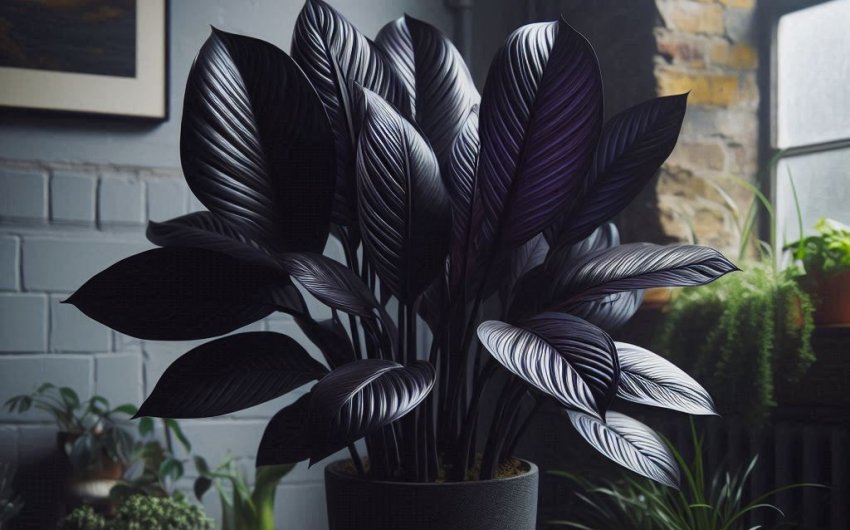
Black ZZ plant care is surprisingly easy, making it an ideal choice for both beginners and busy plant parents. The key to its thriving is infrequent watering, bright indirect light, and well-draining soil.
What Makes the Black ZZ Plant Unique?
The Black ZZ plant, scientifically known as Zamioculcas zamiifolia 'Raven', is a striking cultivar of the standard ZZ plant. Its dramatic dark foliage sets it apart, offering a sophisticated aesthetic that has captivated plant enthusiasts.
The Raven's Allure: Distinctive Features
What truly distinguishes the Black ZZ plant is its remarkable color transformation. New growth emerges a vibrant lime green, gradually darkening to an almost black, glossy finish as it matures.
- Striking Color: Its deep purple-black leaves are incredibly eye-catching.
- Glossy Texture: The foliage has a natural sheen, enhancing its luxurious look.
- Upright Growth: Stems grow upright, creating a stately, architectural presence.
- Thick Rhizomes: Stores water in potato-like rhizomes underground, making it incredibly drought-tolerant.
Low Maintenance Marvel: Why It's So Popular
Like its green counterpart, the Black ZZ plant is incredibly resilient, earning it a reputation as one of the easiest houseplants to care for.
- Drought Tolerant: Can go weeks without water thanks to its water-storing rhizomes.
- Low Light Tolerant: Adapts well to various light conditions, including lower light.
- Pest Resistant: Generally not bothered by common houseplant pests.
- Air Purifying: Helps improve indoor air quality, though not as efficiently as some other plants.
Growth Habits: What to Expect
Understanding how the Black ZZ plant grows helps you provide the best care.
- Slow Grower: It's a slow-growing plant, so don't expect rapid changes.
- New Shoots: New stems emerge from the soil, unfurling their leaves as they grow.
- Mature Size: Can reach 2-3 feet tall indoors, though growth depends on light and pot size.
What Are the Ideal Light Conditions for a Black ZZ Plant?
Light is one of the most crucial aspects of Black ZZ plant care. While tolerant of low light, it truly thrives with the right amount.
Bright, Indirect Light: The Sweet Spot
The Black ZZ plant prefers bright, indirect light. This means a spot near a window that gets plenty of light but isn't hit directly by harsh sunbeams for extended periods.
- Location Ideas:
- A few feet away from a south- or west-facing window.
- Near an east-facing window, which provides gentle morning sun.
- In a brightly lit room, even if not directly next to a window.
Low Light Tolerance: Adaptable but Slower
While the Black ZZ plant can survive in low light conditions, its growth will be significantly slower, and its characteristic dark color may not fully develop.
- Signs of Too Little Light:
- Stems becoming leggy or stretched.
- Leaves staying lighter green and not darkening.
- Very little new growth.
- Solutions:
- Move the plant to a brighter location.
- Consider supplementing with a LED Grow Light if natural light is insufficient.
Avoiding Direct Sun: Preventing Scorching
Direct, intense sunlight, especially during the hot afternoon, can harm your Black ZZ plant.
- Signs of Sunburn:
- Yellowing or browning leaves.
- Crispy spots on foliage.
- Leaves looking bleached or washed out.
- Solutions:
- Move the plant away from direct sun.
- Use sheer curtains to diffuse intense light.
How Do You Water a Black ZZ Plant Properly?
Overwatering is the number one killer of ZZ plants. Mastering Black ZZ plant care means understanding its unique watering needs.
The "Drought-Tolerant" Principle: Less is More
The Black ZZ plant stores water in its thick rhizomes, making it incredibly resilient to drought. It's much better to underwater than to overwater.
- Check the Soil: Only water when the soil is completely dry. Stick your finger 2-3 inches deep into the soil. If it feels moist at all, wait.
- Lift the Pot: Get used to the weight of your pot when dry. A light pot means it's time to water.
- Visual Cues: Watch for slight wrinkling on the leaves, which can indicate it's thirsty, but this is usually a sign of extreme thirst.
How to Water: Thoroughly and Infrequently
When you do water, water thoroughly until it drains out of the bottom of the pot.
- Water from the Top: Pour water slowly over the soil surface.
- Let it Drain: Allow excess water to drain completely from the drainage holes.
- Empty Saucer: Never let the pot sit in standing water in a saucer. This can lead to root rot.
- Frequency: In most indoor environments, this might mean watering every 2-4 weeks, or even less frequently in winter (once a month or every 6 weeks). Adjust based on light, temperature, and humidity.
Signs of Overwatering: Critical Warning Signs
Recognizing the signs of overwatering is vital for Black ZZ plant care.
- Yellowing Leaves: Especially lower leaves, turning yellow and soft.
- Mushy Stems or Rhizomes: If the base of the stem feels soft or mushy, it's a sign of rot.
- Foul Odor: A rotten smell from the soil or roots.
- Drooping: Limp, sad-looking stems, even though the soil feels wet.
If you suspect overwatering:
- Stop watering immediately.
- Gently remove the plant from its pot.
- Inspect the roots: Trim away any mushy, black, or smelly roots with clean scissors. Healthy roots are firm and white or light brown.
- Repot in fresh, dry, well-draining soil.
What Kind of Soil and Pot Does a Black ZZ Plant Need?
The right soil mix and pot are crucial for healthy Black ZZ plant care, especially concerning drainage.
Soil: Excellent Drainage is Non-Negotiable
A well-draining potting mix is absolutely essential to prevent water from sitting around the delicate rhizomes and causing rot.
- Ideal Mix:
- A good quality potting mix as a base.
- Plenty of perlite or pumice (at least 30-50% of the mix) for aeration and drainage.
- A bit of cactus or succulent mix can also improve drainage.
- Avoid: Heavy, dense potting soils that retain too much moisture.
- pH: Prefers slightly acidic to neutral soil, around pH 6.0-7.0.
A Succulent and Cactus Potting Mix is a great starting point. You can always add extra perlite.
Potting: Drainage Holes Are a Must
Choosing the right pot material and ensuring adequate drainage holes are fundamental to Black ZZ plant care.
- Drainage Holes: Non-negotiable. Always use a pot with at least one drainage hole.
- Material:
- Terracotta/Unglazed Ceramic: Excellent for ZZ plants as they are porous and allow excess moisture to evaporate through the pot walls. Terracotta Pot with Drainage
- Plastic: Fine, but choose a good quality pot. Be extra careful not to overwater, as plastic retains moisture more.
- Size:
- Not Too Large: ZZ plants prefer to be slightly root-bound. Planting in too large a pot holds too much moisture, increasing the risk of rot.
- Gradual Increase: When repotting, only go up one pot size (e.g., from a 6-inch to an 8-inch pot).
Does a Black ZZ Plant Need Fertilizer or Humidity?
While incredibly resilient, a Black ZZ plant does benefit from occasional feeding and doesn't require high humidity.
Fertilizing: Less Is More
Black ZZ plants are not heavy feeders. Too much fertilizer can actually harm them.
- Frequency: Fertilize sparingly, only during the active growing season (spring and summer). Once every 2-3 months is usually sufficient.
- Type: Use a balanced liquid houseplant fertilizer, diluted to half or quarter strength.
- Application: Apply to moist soil, never dry, to prevent root burn.
- Winter: Do not fertilize in fall or winter when the plant's growth naturally slows down.
An All-Purpose Liquid Houseplant Fertilizer will work well.
Humidity: Not a Primary Concern
Unlike many tropical plants, the Black ZZ plant is not particularly fussy about humidity levels. It adapts well to average household humidity.
- No Misting Needed: Misting is generally not required and can sometimes lead to fungal issues if water sits on leaves.
- Very Dry Environments: In extremely dry climates, you might see slightly crispy leaf tips, but this is rare and usually harmless.
How and When Should You Repot a Black ZZ Plant?
Repotting your Black ZZ plant is an infrequent task, given its slow growth and preference for being slightly snug in its pot.
When to Repot: Signs It's Time
- Root Bound: Roots are circling the bottom of the pot or growing out of drainage holes.
- Rhizomes Crowding: The potato-like rhizomes are pushing up against the sides of the pot or deforming the pot itself.
- Slowed Growth: If the plant has been in the same pot for several years and growth has significantly stalled, it might need more room.
- Every 2-3 Years: Generally, a Black ZZ plant needs repotting only every 2-3 years, or even less frequently.
Step-by-Step Repotting Guide
- Choose a Pot: Select a new pot that is only one size larger than the current one (e.g., from a 6-inch to an 8-inch pot). Ensure it has drainage holes.
- Prepare Soil: Have your well-draining potting mix ready.
- Remove Plant: Gently tip the plant out of its current pot. You might need to gently squeeze the sides of a plastic pot.
- Inspect Roots: Carefully inspect the rhizomes and roots. Remove any soft, mushy, or rotten sections with clean, sharp scissors.
- Add Soil: Place a layer of fresh potting mix at the bottom of the new pot.
- Position Plant: Place the Black ZZ plant in the new pot, ensuring the top of the rhizomes is at the same level as they were in the old pot, or slightly below the soil surface.
- Fill with Soil: Backfill around the rhizomes and stems with more potting mix, gently patting it down to remove large air pockets. Leave about 1 inch of space from the rim.
- Water (Lightly): Water lightly after repotting, just enough to settle the soil. Avoid heavy watering for the first week to allow any disturbed roots to heal.
How Do You Propagate a Black ZZ Plant?
Propagating a Black ZZ plant is a rewarding but slow process. It's a great way to create new plants from your existing one.
Methods of Propagation: Pick Your Patience Level
There are a few ways to propagate ZZ plants, each with varying success rates and timeframes.
1. Division: The Fastest Method
This is the quickest way to get a new, sizable plant. It's done during repotting.
Steps:
- Remove from Pot: Gently take the plant out of its pot.
- Identify Divisions: Look for natural sections of rhizomes and stems that can be easily separated. Each section should have at least one stem and some roots/rhizome.
- Separate: Gently pull or carefully cut the rhizomes apart with a clean, sharp knife.
- Plant: Pot each division in its own appropriately sized pot with fresh, well-draining soil.
- Water: Water lightly.
2. Stem Cuttings: Slower but Effective
This method involves rooting a portion of a stem. It takes a long time for a rhizome to form.
Steps:
- Take Cuttings: Cut a healthy stem with 2-3 sets of leaves. Make the cut at the base of the stem.
- Let Cure: Allow the cut end to air dry and form a callus for a few hours to a day. This helps prevent rot.
- Plant in Soil: Insert the callused end about 1-2 inches deep into a small pot filled with moist, well-draining potting mix (e.g., perlite and peat).
- Provide Warmth/Light: Place in a warm spot with bright, indirect light.
- Patience: It can take several months for roots and rhizomes to form, and new shoots to emerge. Keep the soil slightly moist.
3. Leaf Cuttings: The Slowest Path
Propagating from a single leaf is possible but requires extreme patience, as it can take many months to over a year.
Steps:
- Take Leaf: Gently twist or cut a healthy, firm leaf from a stem.
- Let Cure: Allow the cut end to callus over for a few hours.
- Plant: Insert the callused end of the leaf about 1/4 inch deep into a small pot or tray filled with moist, well-draining rooting medium (e.g., perlite or sand).
- Warmth/Light: Provide bright, indirect light and warmth.
- Patience: A tiny rhizome will form at the base of the leaf, and eventually, a new shoot will emerge. This process is very slow.
What Are Common Problems with Black ZZ Plant Care and How to Fix Them?
Even though the Black ZZ plant is low-maintenance, a few common issues can arise. Knowing how to identify and address them will keep your plant happy.
Yellowing Leaves: The Most Common Concern
This is often the first sign something is amiss with Black ZZ plant care.
- Problem: Leaves turning yellow, often starting from the bottom.
- Cause:
- Overwatering (Most Common): The soil stays wet for too long, leading to root rot.
- Underwatering (Less Common): If the soil is bone dry for an extended period.
- Nutrient Deficiency: Very rare, as they are not heavy feeders.
- Natural Aging: Oldest leaves may naturally yellow and drop.
- Solution:
- Assess Watering: Feel the soil. If wet, let it dry out completely. Check for root rot. If dry, water thoroughly.
- Adjust Schedule: Refine your watering frequency based on observation.
Drooping or Limp Stems: A Sign of Distress
Stems that are not standing upright are a clear indication of a problem.
- Problem: Stems appear limp, weak, or fall over.
- Cause:
- Overwatering/Root Rot (Most Common): Mushy stems mean rot.
- Extreme Underwatering: The plant is severely dehydrated.
- Solution:
- Overwatering: Immediately check for root rot. Repot if necessary after trimming rotten parts.
- Underwatering: Water thoroughly and consistently. The stems should perk up within hours to a day.
Crispy or Brown Leaf Tips: Humidity or Water
While ZZ plants don't need high humidity, very dry conditions can sometimes show.
- Problem: Tips of leaves turning brown and crispy.
- Cause:
- Underwatering: Not enough moisture reaching the tips.
- Low Humidity: Extremely dry air.
- Fertilizer Burn: Too much fertilizer.
- Solution:
- Adjust Watering: Ensure thorough watering when the soil is dry.
- Check Fertilizer: Dilute fertilizer more or fertilize less often.
- Humidifier (Optional): If air is extremely dry, a Small Room Humidifier can help, but usually not necessary.
No New Growth: The Patience Game
A slow-growing plant can lead to worries about stagnation.
- Problem: Plant shows no new shoots or leaves for months.
- Cause:
- Low Light: Not enough energy for growth.
- Too Cold: Growth slows significantly in cooler temperatures.
- Lack of Nutrients: Very rare, but possible if never fertilized.
- Pot Size: Too large a pot can make the plant focus on root growth.
- Dormancy: ZZ plants naturally slow growth or go dormant in winter.
- Solution:
- Increase Light: Move to a brighter location.
- Provide Warmth: Ensure stable temperatures.
- Fertilize (Sparingly): Only during growing season.
- Patience: Sometimes, it just needs time.
The Black ZZ plant is a remarkably resilient and stunning houseplant. With proper Black ZZ plant care focused on its minimal watering needs, good drainage, and bright indirect light, your Raven will thrive and provide years of dramatic beauty.