
Dracaena Warneckii Care: A Comprehensive Guide for Lush Growth
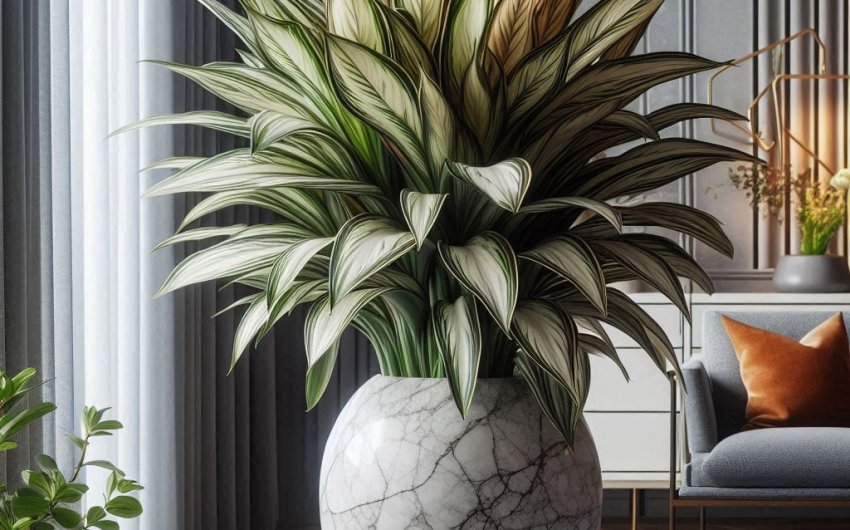
Dracaena Warneckii care is straightforward, making this elegant variegated plant a fantastic addition to almost any indoor space. It thrives with bright, indirect light, consistent but not excessive watering, and protection from cold drafts.
What is a Dracaena Warneckii?
A Dracaena Warneckii is a popular cultivar of Dracaena fragrans (formerly Dracaena deremensis), known for its distinctive stiff, sword-shaped leaves with striking green, white, and sometimes grey stripes. This resilient plant is cherished for its sophisticated appearance and its ability to improve indoor air quality.
What Makes the Dracaena Warneckii Stand Out?
The Dracaena Warneckii differentiates itself with its unique leaf variegation and robust nature, offering an elegant touch to any interior. Its strong, upright growth habit also makes it a great choice for adding vertical interest.
- Distinctive Variegation: Features dark green leaves with prominent white and grey-green stripes running down the center or along the edges, creating a refined look.
- Air-Purifying Qualities: Recognized by the NASA Clean Air Study for its ability to remove common indoor toxins like formaldehyde, xylene, and trichloroethylene.
- Tolerant and Adaptable: Generally forgiving of varying indoor conditions, making it suitable for both beginners and experienced plant enthusiasts.
- Architectural Form: Often grows as a straight, upright cane with a crown of foliage, providing a clean, modern aesthetic.
- Multiple Cultivars: While 'Warneckii' is a specific cultivar, variations like 'White Jewel' or 'Lemon Lime' also fall under the broader Dracaena fragrans umbrella, offering similar care with different patterns.
A healthy Dracaena Warneckii Plant can become a stunning focal point in your home.
What are the Light Requirements for Dracaena Warneckii?
The Dracaena Warneckii thrives best in bright, indirect light. Providing optimal light conditions is crucial for maintaining its vibrant leaf variegation and ensuring healthy, robust growth. Direct sunlight can harm its leaves.
How Much Light is Ideal?
Ideal light for your Dracaena Warneckii is a spot that receives plenty of bright light, but where the sun's rays are filtered or do not directly hit the leaves, especially during the intense midday and afternoon hours.
- Optimal Bright, Indirect Light: This is the sweet spot. Think near an east-facing window, or a few feet away from a south or west-facing window, where the light is ample but diffused.
- Moderate Light: The plant will tolerate medium light, but its distinctive white and green stripes may become less pronounced, and growth will slow down.
- Avoid Low Light: While it can survive in lower light than some other plants, prolonged periods in dim conditions will lead to leggy growth, smaller leaves, and a significant loss of variegation.
- No Direct Sun: Direct, unfiltered sunlight, particularly harsh afternoon sun, will scorch the leaves, causing unsightly brown or bleached spots. The variegated areas are especially sensitive.
To ensure consistent lighting, especially in darker rooms, consider using a Plant Grow Light for supplemental illumination.
What Happens if a Dracaena Warneckii Gets Too Much or Too Little Light?
Recognizing the signs of incorrect light exposure is vital for effective Dracaena Warneckii care.
- Too Much Light (Direct Sun):
- Symptoms: Brown, crispy patches on the leaves, especially on the variegated areas. Leaves may appear washed out or bleached.
- Solution: Immediately move the plant to a shadier location or filter the light with sheer curtains.
- Too Little Light:
- Symptoms: Fading or loss of the characteristic white and green stripes (the plant turns more uniformly green), slow growth, new leaves are smaller, and the plant may become leggy as it stretches for light.
- Solution: Relocate the plant to a brighter spot with indirect light. If natural light is limited, a grow light can significantly improve its health and appearance. Remember to rotate the plant occasionally for even growth.
How to Water Your Dracaena Warneckii Correctly?
Correct watering is paramount for successful Dracaena Warneckii care. These plants are highly susceptible to root rot if overwatered, making proper drainage and careful watering techniques essential.
What is the Best Watering Schedule?
The best watering schedule for a Dracaena Warneckii is to water thoroughly only when the top 2-3 inches of soil have completely dried out. The frequency will vary depending on your home's temperature, humidity, and the season.
- Feel the Soil: The most reliable method is to check the soil moisture. Stick your finger 2-3 inches deep into the potting mix. If it feels dry, it's time to water. If it's still damp, wait.
- Thorough Watering: When you do water, soak the soil until water freely drains from the bottom of the pot.
- Empty Saucer: Always ensure your pot has drainage holes, and promptly empty any collected water from the saucer within 30 minutes to prevent the plant from sitting in stagnant water.
- Seasonal Adjustment: Reduce watering frequency in fall and winter. During these cooler, darker months, plant growth slows, and they use significantly less water. Overwatering in winter is a common cause of Dracaena issues.
- Water Quality: Dracaenas are sensitive to fluoride, chlorine, and salts commonly found in tap water, which can cause brown leaf tips. If possible, use filtered water, distilled water, or rainwater. Alternatively, let tap water sit out for 24 hours to allow some chemicals to dissipate.
A Soil Moisture Meter can be a great tool to help you gauge when your plant is ready for water.
What are Signs of Overwatering vs. Underwatering?
Identifying the symptoms of incorrect watering is crucial for prompt intervention and effective Dracaena Warneckii care.
- Overwatering Symptoms (Most Common Problem):
- Yellowing leaves: Especially lower leaves, often accompanied by a mushy or limp texture.
- Brown leaf tips with a distinct yellow halo: A tell-tale sign of fluoride toxicity exacerbated by overwatering.
- Mushy or soft stems: Particularly at the base of the plant, indicating severe root rot.
- Foul, musty odor coming from the soil.
- Presence of fungus gnats: Small flying insects attracted to overly wet soil.
- Underwatering Symptoms:
- Brown, crispy leaf tips and edges: No yellow halo, just dry and brittle.
- Drooping or wilting leaves: Plant looks visibly thirsty.
- Lower leaves turning completely yellow and eventually drying up.
- Soil pulling away from the sides of the pot.
Solutions:
- Overwatering: Stop watering immediately. Allow the soil to dry out completely. If root rot is suspected (mushy stem or very strong odor), gently unpot the plant, inspect the roots, trim any black, mushy roots with sterile scissors, and repot into fresh, dry, well-draining soil. Increase air circulation around the pot.
- Underwatering: Water thoroughly until water drains from the bottom. The plant should perk up within a few hours to a day. Adjust your watering schedule to be more consistent and prevent future droughts.
What is the Best Soil and Pot for Dracaena Warneckii?
Choosing the correct soil and pot is a fundamental aspect of successful Dracaena Warneckii care, directly impacting the plant's health by ensuring proper drainage and aeration.
What Kind of Soil Mix is Ideal?
An ideal soil mix for Dracaena Warneckii is a well-draining, airy potting mix that allows excess water to pass through quickly while still retaining some essential moisture.
- Recommended Blend: A good quality general-purpose houseplant potting mix should be amended to improve drainage. A common recommendation is to mix 2 parts potting soil with 1 part perlite or coarse sand. You can also add some coco coir or bark chips for additional aeration.
- Purpose of Amendments: Perlite and coarse sand are crucial for preventing soil compaction and ensuring excellent drainage, which is vital to prevent root rot.
- Avoid Heavy Soils: Steer clear of dense, heavy soils that retain too much moisture, as they are a primary cause of overwatering issues and root rot in Dracaenas.
- pH Level: Dracaena Warneckii prefers a slightly acidic to neutral soil pH, ideally between 6.0 and 7.0.
You can start with a standard Indoor Plant Potting Mix and enhance it with Perlite for Drainage for optimal results.
What Potting Material and Size Are Best?
The best pot for your Dracaena Warneckii should prioritize excellent drainage, and its size should be appropriate for the plant's current root system.
- Non-Negotiable Drainage Holes: It cannot be stressed enough: the pot must have drainage holes at the bottom. Without them, water will accumulate, creating soggy conditions that lead to root rot.
- Pot Material:
- Terracotta: This material is porous, allowing moisture to evaporate through the sides of the pot. This helps the soil dry out faster, which is excellent for plants prone to overwatering.
- Plastic/Ceramic: These materials are less porous and retain moisture longer. If using these, you'll need to be extra vigilant with your watering schedule to avoid overwatering. They often offer more decorative options.
- Pot Size:
- Current Root Ball: Choose a pot that is only 1-2 inches larger in diameter than the plant's current root ball. Dracaenas prefer to be slightly snug in their pots.
- Avoid Oversizing: A pot that is too large holds an excessive amount of soil and, consequently, too much moisture, significantly increasing the risk of overwatering and root rot.
- Repotting Frequency: Only repot when the plant shows clear signs of being root-bound (roots growing out of drainage holes, water running straight through). This typically occurs every 2-3 years for mature plants.
A classic Terracotta Plant Pot with a Saucer is a safe and effective choice for Dracaenas.
What Are the Humidity and Temperature Needs of Dracaena Warneckii?
While relatively adaptable, providing the right humidity and temperature contributes significantly to optimal Dracaena Warneckii care, helping to prevent common issues like crispy leaf tips and promoting lush growth.
What is the Ideal Temperature Range?
The ideal temperature range for Dracaena Warneckii is between 65°F and 80°F (18°C-27°C). As tropical plants, they do not tolerate cold temperatures well.
- Consistent Warmth: Maintain a stable room temperature. Avoid placing your plant near drafty windows, exterior doors, or in direct paths of air conditioning or heating vents.
- Minimum Temperature: Do not expose your plant to temperatures below 55°F (13°C), as prolonged cold can lead to cold damage, stunted growth, and stress.
How Much Humidity Does It Need?
Dracaena Warneckii appreciates moderate to high humidity, mimicking the environment of its native tropical habitat. While average household humidity can sometimes suffice, supplemental humidity is often beneficial and helps prevent dry, brown leaf tips.
- Symptoms of Low Humidity: Brown, crispy leaf tips and edges are the most common sign, especially if watering practices are otherwise correct.
- Ways to Boost Humidity:
- Pebble Tray: Place the potted plant on a shallow tray filled with pebbles and water. Ensure the bottom of the pot does not sit directly in the water. As the water evaporates, it increases the humidity around the plant.
- Room Humidifier: Using a Cool Mist Humidifier for Plants is the most effective way to provide consistent and elevated humidity, particularly during dry winter months or in arid climates.
- Grouping Plants: Cluster several houseplants together. Their collective transpiration creates a small, localized humid microclimate that benefits all.
- Misting (Limited Benefit): While misting the leaves provides a temporary boost in humidity, it often isn't sustained enough to make a significant long-term difference. Moreover, water sitting on leaves can sometimes promote fungal issues. Focus on other methods for better, more consistent humidity.
How and When to Fertilize Dracaena Warneckii?
Fertilizing is a component of Dracaena Warneckii care, but it's important to approach it cautiously. These plants are not heavy feeders and are quite sensitive to excessive fertilizer salts, which can lead to leaf burn.
What Type of Fertilizer is Best and How Often?
Use a balanced liquid houseplant fertilizer at a significantly diluted strength, applied only during the active growing season.
- Fertilizer Type: A general-purpose liquid houseplant fertilizer with a balanced NPK ratio (e.g., 10-10-10 or 20-20-20). Look for a Balanced Houseplant Fertilizer Liquid.
- Dilution: This is critical. Always dilute the fertilizer to half or even quarter of the strength recommended on the product label. Dracaenas are known for their sensitivity to fertilizer salts, and stronger solutions can quickly cause damage.
- Frequency: Fertilize once every 2-4 weeks during the active growing season (spring and summer).
- Dormancy: Do not fertilize during fall and winter months. During these periods, the plant's growth slows, and it does not need extra nutrients. Fertilizing during dormancy can lead to harmful salt buildup in the soil.
- Application: Always water the plant thoroughly before applying fertilizer. Applying fertilizer to dry soil can cause severe root burn.
What are the Signs of Over-Fertilization?
Over-fertilization is a common issue with Dracaenas and can cause more harm than under-fertilization.
- Symptoms:
- Brown or yellow leaf tips and margins: Often appears as if the plant has been "burnt," and can be more widespread than just humidity-related browning.
- White crusty residue on the soil surface or the rim of the pot: This is a clear sign of excess salt accumulation from fertilizer.
- Stunted growth or general wilting: Even if the plant appears well-watered.
- Root damage: Can lead to the overall decline of the plant and increased susceptibility to rot.
- Solution:
- Flush the Soil: Take the plant to a sink and thoroughly flush the soil with plain, clean water (distilled or filtered if possible) for several minutes. Allow all the water to drain out completely. Repeat this flushing process a few times over the next few weeks.
- Reduce or Stop Fertilizing: Do not apply any more fertilizer until the plant shows clear signs of recovery. When you do resume, ensure you are using a much more diluted solution.
How to Prune and Propagate Dracaena Warneckii?
Pruning your Dracaena Warneckii is beneficial for maintaining its shape, controlling its size, and encouraging bushier growth. Propagation allows you to create new plants from existing cuttings.
Why and How to Prune a Dracaena Warneckii?
You should prune a Dracaena Warneckii to manage its height, remove any leggy or damaged sections, and encourage new branching for a fuller, denser appearance.
- Tools: Use sharp, sterile pruning shears or a clean, sharp knife. Clean tools prevent the spread of disease.
- Removing Unsightly Leaves: Simply pull off any yellowed, brown, or dry lower leaves that are starting to detach naturally. If they are firmly attached, use your shears to make a clean cut close to the main stem.
- Controlling Height and Encouraging Branching (Topping):
- Identify the desired height for your plant.
- Locate a point on the main cane (stem) where you want new growth to emerge. This is typically just below a leaf node (the point where a leaf was or is attached).
- Make a clean cut horizontally across the cane.
- Within a few weeks, dormant buds located just below the cut will activate, leading to two or more new shoots emerging from the cane, creating a bushier plant.
- Timing: The best time to prune is during the active growing season (spring or early summer) when the plant is most vigorous and can recover quickly.
What are the Methods for Propagating Dracaena Warneckii?
Dracaena Warneckii is relatively easy to propagate through stem cuttings, particularly top cuttings and cane cuttings.
- Top Cuttings (Most Common and Fastest):
- When pruning for height, take the top 6-8 inch section of the stem that has several healthy leaves.
- Remove the lower leaves to expose at least 2-3 leaf nodes (where leaves were attached) that will be submerged.
- Water Propagation: Place the cutting in a glass of clean water, ensuring the exposed nodes are fully submerged. Change the water every few days to keep it fresh. Roots should start appearing in 4-8 weeks. Once roots are a few inches long, plant the cutting in potting mix.
- Soil Propagation: Plant the cutting directly into a small pot filled with moist, well-draining succulent/cactus mix or a propagation mix. Keep the soil lightly moist.
- Rooting Hormone (Optional): Dipping the cut end in Rooting Hormone Powder can significantly increase rooting success rates and speed up the process.
- Cane Cuttings:
- Take sections of the bare cane (stem) from the pruned plant, each about 4-8 inches long.
- Ensure each section has at least one "eye" or dormant bud from where new growth will emerge.
- You can lay these horizontally half-buried in moist potting mix or stand them upright.
- New shoots and roots will develop from these cane sections over time.
What Are Common Problems and Solutions for Dracaena Warneckii?
Even with careful Dracaena Warneckii care, you might encounter some common issues. Knowing how to diagnose and address them promptly can help keep your plant healthy and thriving.
Why Are the Leaf Tips Turning Brown?
Brown leaf tips are one of the most frequently observed problems with Dracaena Warneckii and are usually indicative of environmental stress or water quality issues.
- Low Humidity: This is the leading cause, especially in dry indoor environments during winter or in arid climates.
- Fluoride/Chlorine/Salt Buildup in Tap Water: Dracaenas are very sensitive to these chemicals. They accumulate in the leaf tips, causing them to burn.
- Underwatering: If the soil is consistently allowed to dry out too much between waterings.
- Over-fertilization: Excess salts from fertilizer can also cause leaf tip burn.
- Cold Drafts: Exposure to sudden cold temperatures or drafts can also stress the plant.
Solutions:
- Increase Humidity: Implement methods like pebble trays or a room humidifier.
- Improve Water Quality: Use filtered water, distilled water, or rainwater. If using tap water, let it sit out for 24 hours before watering.
- Adjust Watering Routine: Ensure thorough watering when the top 2-3 inches of soil are dry, but never let the plant sit in standing water.
- Flush Soil: If over-fertilization is suspected, thoroughly flush the soil with plain, clean water.
- Relocate Plant: Move the plant away from drafty windows, air vents, or exterior doors. You can trim the brown tips with clean scissors to improve the plant's appearance, but this won't solve the underlying problem.
How to Deal with Pests and Diseases?
Dracaena Warneckii is relatively pest-resistant, but like many houseplants, it can occasionally fall prey to common indoor plant pests. Diseases are less common but often result from improper watering or poor air circulation.
| Pest/Disease | Identification | Solution |
|---|---|---|
| Spider Mites | Fine webbing on leaves/stems, tiny red/brown dots, speckling on leaves | Rinse foliage thoroughly. Spray with Neem Oil for Plants or insecticidal soap. Increase humidity. |
| Mealybugs | White, cottony masses found in leaf axils or on stems | Dab directly with a cotton swab dipped in rubbing alcohol. For severe cases, use systemic insecticides. |
| Scale | Small, hard, brown or black bumps stuck to stems/leaves | Scrape off manually with a fingernail or credit card. Treat affected areas with rubbing alcohol or neem oil. |
| Fungus Gnats | Small, dark flying insects buzzing around the soil surface | Allow the top layer of soil to dry out completely between waterings. Use sticky traps or BTi mosquito dunks in watering can. |
| Root Rot | Mushy stems, yellowing and wilting leaves, foul odor from soil | Unpot, trim away any black, mushy roots with sterile scissors. Repot in fresh, dry, well-draining soil. Improve watering and drainage. |
| Leaf Spot Fungi | Brown or black spots on leaves, sometimes with a yellow halo | Improve air circulation, avoid overhead watering, remove affected leaves. Can be caused by excessive humidity with poor air circulation. |
Always inspect any new plants before bringing them into your home to prevent introducing pests. If an infestation occurs, isolate the affected plant immediately.
Is Dracaena Warneckii Toxic to Pets?
Yes, Dracaena Warneckii is considered mildly toxic to pets, including cats and dogs, due to compounds called saponins found within the plant.
What are the Risks and Symptoms for Pets?
Ingestion of any part of the plant can cause gastrointestinal irritation.
- Symptoms: Common signs include vomiting (which may sometimes contain blood), diarrhea, excessive drooling, lethargy, and loss of appetite. In cats, you might also notice dilated pupils.
- Severity: While the symptoms are generally mild to moderate and rarely life-threatening, they can be quite distressing for your pet. It's always best to contact your veterinarian immediately if you suspect your pet has ingested any part of a Dracaena.
- Prevention: The most effective way to protect your pets is to place the plant out of their reach. Consider using high shelves, hanging planters, or placing the plant in rooms that are inaccessible to curious animals.
If you have pets and prefer entirely safe plants, consider alternatives like a Boston Fern or a Christmas Cactus, both of which are non-toxic.
Advanced Dracaena Warneckii Care Tips
Once you've mastered the fundamentals of Dracaena Warneckii care, these advanced tips can help your plant not only survive but truly flourish, maintaining its vibrant variegation and robust health.
How to Encourage Bushier Growth?
While Dracaena Warneckii often grows as a single cane, you can encourage it to become bushier by strategically pruning it.
- "Topping" the Cane: When your plant reaches a height you prefer, or if it becomes leggy, you can cut the main cane (stem). Identify the point where you want new growth to emerge (usually just below a leaf node). Use clean, sharp shears to make a clean cut across the cane. This action stimulates dormant buds below the cut to sprout, resulting in two or more new shoots forming, creating a fuller, bushier plant.
- Consistent Light: Ensure your plant receives consistent bright, indirect light. This encourages balanced growth on all sides and reduces the tendency to stretch towards a light source.
- Rotation: Regularly rotate your plant (every few weeks) to ensure all sides receive adequate light exposure. This promotes even growth and prevents the plant from leaning.
What are the Benefits of Cleaning the Leaves Regularly?
Regularly cleaning the leaves of your Dracaena Warneckii is a simple yet impactful aspect of its care that goes beyond just aesthetics.
- Improved Photosynthesis: Dust and grime accumulate on the leaves over time, blocking light and hindering the plant's ability to perform photosynthesis efficiently. Clean leaves can absorb more light, leading to better overall health.
- Pest Detection: Wiping down the leaves provides an excellent opportunity to closely inspect for early signs of pests, allowing for quicker intervention before an infestation becomes severe.
- Enhanced Appearance: Clean, glossy leaves truly showcase the plant's beautiful variegation and contribute to a more vibrant and healthy appearance.
- Method: Use a soft, damp cloth or sponge to gently wipe both the top and underside of each leaf. You can also give the entire plant a gentle shower occasionally to rinse off accumulated dust. Avoid using commercial leaf shining products, as they can clog leaf pores.
When to Consider Repotting and What to Look For?
Repotting is a necessary part of Dracaena Warneckii care as the plant grows, typically needed every 2-3 years for mature specimens, or when you notice specific signs.
- Signs the Plant Needs Repotting:
- Roots growing out of the drainage holes: A clear and undeniable sign that the plant has outgrown its current pot.
- Water running straight through the pot: This indicates the soil is heavily compacted with roots and can no longer absorb water effectively.
- Stunted growth: Despite otherwise optimal care, the plant's growth has slowed significantly.
- Plant becoming top-heavy and unstable: The pot is too small to properly anchor the tall plant.
- Roots circling tightly at the top of the soil or pressing against the pot sides.
- Best Time: Repot during the spring or early summer, which is the beginning of the plant's active growing season. This allows the plant to recover quickly and settle into its new home.
- Repotting Process:
- Choose a new pot that is only 1-2 inches larger in diameter than the old one. Dracaenas prefer to be slightly root-bound rather than in an overly large pot.
- Carefully remove the plant from its current pot.
- Gently loosen any tightly circling roots at the bottom and sides of the root ball.
- Add a layer of fresh, well-draining potting mix to the bottom of the new pot.
- Center the plant in the new pot, ensuring the top of the root ball is at the same level as it was in its previous pot.
- Fill the remaining space around the roots with new soil, gently patting it down to remove large air pockets, but avoid compacting it too much.
- Water lightly after repotting to help the soil settle around the roots. Then, resume your normal watering schedule once the top few inches of soil are dry.
By consistently applying these Dracaena Warneckii care practices, you'll ensure your plant remains a vibrant and elegant addition to your home for many years, continuing to purify your air and beautify your space.