
Allergy-Friendly Houseplants: Breathe Easy Indoors
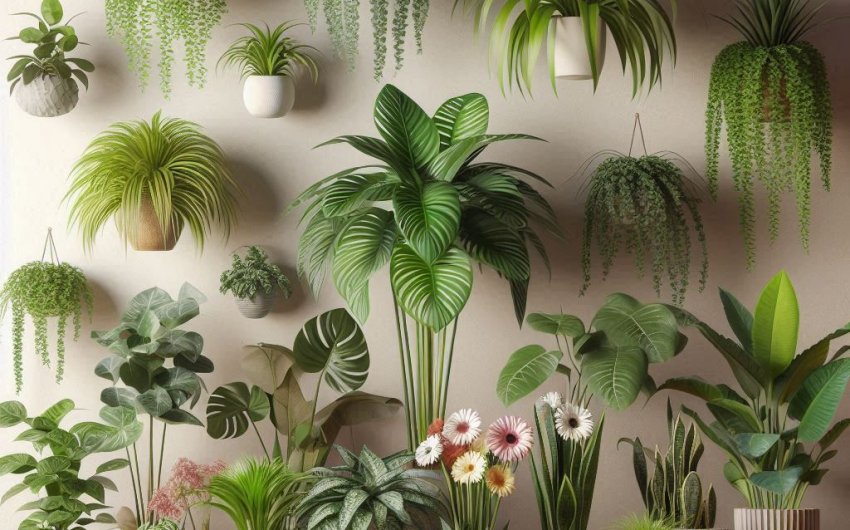
Creating a vibrant indoor environment doesn't have to come at the cost of your comfort, especially if you suffer from allergies. Selecting allergy-friendly houseplants allows you to enjoy the aesthetic and air-purifying benefits of greenery without triggering uncomfortable symptoms. By choosing specific plants known for their low allergen potential and adopting mindful care routines, you can truly breathe easy indoors and transform your living space into a refreshing sanctuary.
What Causes Houseplants to Trigger Allergies?
Understanding the common culprits behind houseplant allergies is the first step in creating a truly allergy-friendly indoor environment. Not all plants are created equal when it comes to their potential to cause symptoms. Identifying the specific plant parts or byproducts that trigger reactions helps you make informed choices.
Pollen Production
The most common cause of plant allergies is pollen. Plants release tiny grains of pollen into the air as part of their reproductive cycle. When these microscopic particles are inhaled by sensitive individuals, their immune systems can overreact, leading to typical allergy symptoms.
- Wind-Pollinated Plants: These are generally the worst offenders. They produce vast amounts of lightweight, dry pollen that is easily carried by air currents. While less common indoors, some ornamental grasses or flowering indoor plants can fall into this category.
- Insect-Pollinated Plants: These plants typically have heavier, stickier pollen designed to cling to insects. They produce less airborne pollen, making them generally safer for allergy sufferers. Many popular flowering houseplants fall into this group.
- Male vs. Female Plants: In some plant species, male plants produce pollen, while female plants do not. Choosing female plants (if available and identifiable) can reduce pollen exposure.
Mold Spores in Potting Mix
Beyond pollen, mold spores living in the potting mix can be a significant allergy trigger. Mold thrives in damp, humid conditions, which are often present in plant pots.
- Overwatering: Excessively wet soil creates an ideal breeding ground for mold.
- Poor Drainage: If pots lack adequate drainage or sit in standing water, moisture accumulates, fostering mold growth.
- Old or Contaminated Soil: Potting mix that has been stored improperly or is old may already contain mold spores.
- Fungus Gnats: These tiny flies often indicate the presence of excessive moisture and mold in the soil. Their larvae feed on fungi and decaying organic matter.
Mold spores can become airborne and contribute to respiratory symptoms like sneezing, coughing, and wheezing.
Scent and Volatile Organic Compounds (VOCs)
While not a true allergen in the sense of an immune system overreaction, strong plant scents can irritate sensitive individuals. Some plants also release Volatile Organic Compounds (VOCs), which are chemicals that can cause respiratory irritation, headaches, or nausea in susceptible people, mimicking allergy symptoms.
- Strongly Fragrant Flowers: Plants like gardenias, hyacinths, or even some lilies, while beautiful, can produce potent fragrances that trigger headaches or respiratory distress in sensitive individuals.
- Sap/Latex: Certain plants produce sap or latex that can cause contact dermatitis (skin rash) upon touching. Ficus plants (e.g., Ficus benjamina, rubber plant) are common examples of plants with irritating sap.
- Dust Accumulation: Plant leaves can accumulate dust, which itself is a common allergen (containing dust mites, pet dander, etc.). While not a plant-specific allergen, dusty leaves can contribute to indoor air quality issues.
By focusing on plants that produce minimal pollen, managing soil moisture to prevent mold, and avoiding overly fragrant or irritating varieties, you can significantly reduce the risk of houseplant allergies and enjoy a healthier indoor environment.
What Are the Best Allergy-Friendly Houseplants?
Choosing the right allergy-friendly houseplants is key to enjoying indoor greenery without discomfort. The best options are those that produce little to no airborne pollen, are less prone to mold issues, and typically do not have strong, irritating scents or sap.
Low-Pollen and Easy-Care Options
These plants are generally considered safe bets for allergy sufferers and are often quite forgiving for new plant parents.
- Peace Lily (Spathiphyllum):
- Why it's great: While it has "flowers," the pollen is contained within the spadix (the central stalk) and is not easily airborne. It's also known for its air-purifying qualities.
- Care: Prefers low to medium light, consistent moisture, and tolerates a bit of neglect. Avoid overwatering. Peace Lily plants are widely available.
- Spider Plant (Chlorophytum comosum):
- Why it's great: Produces minimal pollen, easy to grow, and propagates readily from "spiderettes." Excellent for hanging baskets.
- Care: Tolerates a range of light conditions, needs moderate watering.
- Dracaena (various species, e.g., Dracaena marginata, Dracaena fragrans 'Massangeana'):
- Why it's great: Low pollen producers with attractive foliage. Some varieties are tall and tree-like, adding vertical interest.
- Care: Adaptable to various light levels, allow soil to dry slightly between waterings. A Dracaena plant can make a striking statement.
- Bamboo Palm (Chamaedorea seifrizii):
- Why it's great: Adds a tropical feel, effectively humidifies the air, and rarely flowers indoors, meaning no pollen.
- Care: Prefers medium to low light, keep soil consistently moist but not soggy.
- Lady Palm (Rhapis excelsa):
- Why it's great: Similar to the Bamboo Palm, it's a clumping palm with attractive fan-shaped leaves and is a low pollen producer.
- Care: Easy to care for, tolerates lower light, keep soil evenly moist.
Air-Purifying Powerhouses with Low Allergen Risk
These plants not only don't trigger allergies but can actually help improve indoor air quality by filtering out common pollutants.
- Snake Plant (Sansevieria trifasciata):
- Why it's great: Extremely low maintenance, minimal pollen, and a champion at filtering formaldehyde, benzene, and xylene from the air. Also great for low light.
- Care: Thrives on neglect! Water sparingly, especially in winter. A Snake Plant is almost indestructible.
- Areca Palm (Dypsis lutescens):
- Why it's great: A beautiful, feathery palm that rarely flowers indoors. It's excellent for humidifying the air and removing toxins like formaldehyde.
- Care: Needs bright, indirect light and consistent moisture.
- *Boston Fern (Nephrolepis exaltata 'Bostoniensis'):*
- Why it's great: Excellent at removing formaldehyde and xylene, and while it reproduces via spores, they are generally not airborne enough to cause issues for most people. Also helps humidify the air.
- Care: Needs high humidity, consistent moisture, and bright, indirect light. A Boston Fern can add lushness.
- Chinese Evergreen (Aglaonema):
- Why it's great: Highly tolerant of low light, produces infrequent, inconspicuous flowers, and helps filter common indoor air pollutants. Comes in many beautiful variegated leaf patterns.
- Care: Tolerates low to medium light, allow soil to dry slightly between waterings.
Plants to Avoid if You Have Allergies
Some popular houseplants are best avoided by allergy sufferers due to their pollen, sap, or high fragrance.
- Flowering Plants with Exposed Pollen:
- Chrysanthemums (Chrysanthemum): High pollen producers.
- Sunflowers (indoor varieties): High pollen.
- Orchids (some species): Can have irritating fragrances or easily dispersed pollen for sensitive individuals.
- Plants with Irritating Sap/Latex:
- Ficus trees (Ficus benjamina, Rubber Plant Ficus elastica): Their sap can cause skin irritation or allergic reactions.
- Poinsettia (Euphorbia pulcherrima): While beautiful, its sap can be irritating, especially for those sensitive to latex.
- Highly Fragrant Plants:
- Gardenia (Gardenia jasminoides): Strong, heady fragrance.
- Hyacinth (Hyacinthus orientalis): Very strong fragrance.
- Paperwhite Narcissus (Narcissus papyraceus): Potent fragrance.
By carefully selecting from the list of allergy-friendly houseplants and avoiding known triggers, you can cultivate a thriving indoor garden that contributes to your health and well-being.
How Do You Care for Houseplants to Minimize Allergens?
Even the most allergy-friendly houseplants can potentially harbor allergens if not properly maintained. Good care practices focus on preventing mold growth, reducing dust accumulation, and ensuring overall plant health, thereby minimizing common indoor triggers.
Preventing Mold Growth in Potting Mix
Mold and mildew thrive in damp, stagnant conditions, often found in overwatered pots.
- Proper Watering: This is the most crucial step. Allow the top inch or two of soil to dry out between waterings. Use a soil moisture meter to accurately gauge when to water.
- Deep but Infrequent: Water thoroughly until water drains from the bottom, then wait until the soil is dry enough again before the next watering.
- Good Drainage:
- Drainage Holes: Always use pots with drainage holes.
- Saucers: Empty excess water from saucers immediately after watering. Do not let pots sit in standing water.
- Proper Potting Mix: Use a well-draining potting mix formulated for houseplants, often containing perlite or coarse sand to improve drainage.
- Air Circulation: Ensure good airflow around your plants. Don't overcrowd them. Open windows occasionally to circulate fresh air. A small fan can help if needed.
- Sterile Potting Mix: Start with a fresh, sterile potting mix when planting or repotting. Avoid using garden soil indoors, as it can introduce mold spores and pests.
- Remove Debris: Promptly remove any fallen leaves or dead plant material from the soil surface, as these can decompose and foster mold.
Reducing Dust and Other Airborne Allergens
Plant leaves, like any other surface, can accumulate dust, which is a common allergen containing dust mites, pet dander, and pollen from outside.
- Regular Wiping: Wipe down plant leaves regularly (weekly or bi-weekly) with a damp cloth to remove dust. This not only reduces allergens but also helps the plant photosynthesize more efficiently.
- Shower Plants: Occasionally, take your smaller plants into the shower and give them a gentle rinse with lukewarm water. This effectively washes off dust and can deter pests.
- Avoid Fuzzy Leaves: If you're particularly sensitive, consider avoiding plants with very fuzzy or hairy leaves (e.g., African Violets) as they tend to trap more dust.
Pest Management
Pests themselves are not typically allergens, but their presence can lead to secondary issues like mold (from honeydew) or simply indicate an unhealthy plant.
- Early Detection: Inspect your plants regularly for signs of pests (sticky residue, tiny bugs, webbing).
- Non-Toxic Pest Control: Address pest issues promptly using gentle, non-toxic methods like wiping with a damp cloth, insecticidal soap, or neem oil. Avoid harsh chemical pesticides indoors. A Neem Oil spray is a good organic option.
General Plant Health
A healthy plant is less stressed and less likely to fall victim to issues that can exacerbate allergy problems.
- Appropriate Light: Place plants in light conditions suited to their needs. Stressed plants are more susceptible to problems.
- Fertilize Moderately: Use a balanced houseplant fertilizer as per product instructions during the growing season. Over-fertilizing can lead to weak growth or salt buildup, stressing the plant.
- Repot When Necessary: Repot plants into slightly larger pots when they become root-bound. This ensures continued healthy growth and allows for fresh potting mix.
By adopting these diligent care practices, you can ensure your allergy-friendly houseplants remain beneficial additions to your indoor environment, truly allowing you to breathe easy indoors.
Can Houseplants Really Improve Indoor Air Quality for Allergy Sufferers?
The idea that houseplants can improve indoor air quality is widely discussed, especially in the context of allergies. While plants do have some air-purifying capabilities, it's important to understand the extent and limitations of their effects, particularly for those with severe allergies.
NASA Clean Air Study and its Implications
The concept of houseplants purifying air gained significant traction from the 1989 NASA Clean Air Study. This research found that certain common houseplants could remove specific airborne toxic chemicals, known as Volatile Organic Compounds (VOCs), such as formaldehyde, benzene, and trichloroethylene, from sealed chambers.
- Key Findings: The study identified plants like Peace Lily, Snake Plant, Spider Plant, and various Dracaenas as effective at filtering these VOCs.
- Context: It's crucial to understand that this study was conducted in a sealed, controlled environment, simulating a spaceship, not a typical home. The concentration of VOCs was higher, and the air exchange rate was much lower than what's found in most modern buildings.
Limitations for Indoor Air Quality in Homes
While plants do contribute to better air, their impact in a regular home environment is often overestimated.
- Air Exchange Rates: Homes have much higher air exchange rates (air coming in from outside, going out) than the sealed chambers used in the NASA study. Fresh outdoor air typically dilutes indoor pollutants far more effectively than plants alone.
- Volume of Air: A few houseplants in a large room would have a minimal impact on the overall volume of air. To achieve the same level of air purification as in the NASA study, you would need an impractically large number of plants (hundreds, according to some calculations) in an average room.
- Specific Pollutants: Plants are effective against certain VOCs, but they don't filter all types of indoor pollutants, such as particulate matter (dust, pollen from outside, pet dander), which are common allergy triggers.
- Mold Risk: As discussed, improperly cared-for plants can actually introduce or exacerbate mold issues, which are significant allergens.
How Plants Still Contribute to a Healthier Indoor Environment
Despite these limitations, houseplants do offer several benefits that indirectly contribute to a healthier indoor environment, even if their direct air-purifying effect on VOCs is modest in real-world settings.
- Humidity Regulation: Plants release moisture through transpiration, which can help increase indoor humidity levels, especially in dry winter months. This can soothe irritated respiratory passages for some allergy sufferers.
- Psychological Benefits: Studies show that interacting with plants can reduce stress, improve mood, and increase feelings of well-being. Reduced stress can indirectly benefit overall health, including immune response.
- Aesthetic Appeal: The visual presence of plants makes indoor spaces feel more vibrant, calming, and connected to nature. This contributes to a positive living environment.
- Trapping Dust: As a physical object, plant leaves do passively trap dust, preventing it from circulating in the air, provided they are regularly wiped clean.
- Oxygen Production: Plants produce oxygen through photosynthesis, though the amount is relatively small in a typical indoor setting.
In summary, while allergy-friendly houseplants are unlikely to be a primary solution for severe indoor air pollution or allergies, they can still be a valuable part of a holistic approach to creating a healthier home. Their modest contributions to air quality, combined with humidity regulation, psychological benefits, and aesthetic appeal, make them a worthwhile addition, provided you choose low-allergen varieties and maintain them properly to prevent mold. The focus for allergy sufferers should remain on selecting plants with minimal allergen potential and ensuring impeccable care to truly breathe easy indoors.