
Dog-Safe Houseplants: Non-Toxic Options for Your Canine Companion
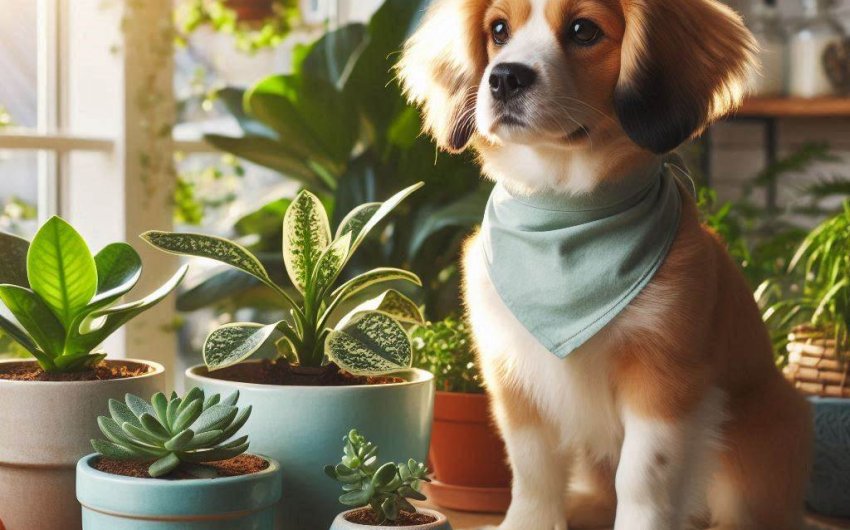
Creating a beautiful indoor oasis while ensuring the safety of your furry friend is a top priority for many dog owners. Finding dog-safe houseplants means you can enjoy lush greenery without worrying about your canine companion accidentally ingesting something harmful. This guide will explore a variety of non-toxic options that can brighten your home and provide peace of mind, helping you cultivate a harmonious living space for both plants and pets.
Why is it important to choose dog-safe houseplants?
Many common houseplants, though beautiful, contain compounds that are toxic to dogs. Even a small bite can lead to mild symptoms like an upset stomach, while larger ingestions can cause more severe issues, sometimes requiring veterinary attention. Choosing non-toxic plants for dogs prevents these potential health risks.
What are the risks of toxic plants for dogs?
The risks vary greatly depending on the plant and the amount ingested.
- Mild Irritation: Some plants cause mouth irritation, leading to drooling, pawing at the mouth, or vomiting.
- Gastrointestinal Upset: Nausea, vomiting, and diarrhea are common symptoms of ingesting mildly toxic plants.
- Organ Damage: More severely toxic plants can affect the kidneys, liver, or heart, potentially leading to long-term health problems or even death.
- Dermatitis: Some plants can cause skin irritation upon contact.
Understanding which plants are harmful allows you to create a pet-friendly indoor garden.
What are some popular dog-safe houseplants?
Many beautiful and easy-to-care-for plants are perfectly safe for your curious canine. These options offer a wide range of sizes, textures, and light requirements to fit any home.
Are there any flowering plants safe for dogs?
Yes, several flowering plants are safe and can add a pop of color to your home.
- African Violet (Saintpaulia): These charming plants produce delicate, colorful blooms in shades of purple, pink, and white. They prefer bright, indirect light and consistent moisture. An African violet pot can help with their unique watering needs.
- Christmas Cactus (Schlumbergera bridgesii): Known for their vibrant, tubular flowers that bloom in winter, Christmas cacti are easy to care for and look stunning in hanging baskets or on shelves. They thrive in bright, indirect light.
What about foliage plants safe for dogs?
Foliage plants provide continuous greenery and come in diverse forms.
- Boston Fern (Nephrolepis exaltata): With its lush, feathery fronds, the Boston Fern is a classic choice for adding a touch of nature. It loves high humidity and indirect light. A misting bottle can help keep it happy.
- Prayer Plant (Maranta leuconeura): Famous for its leaves that fold up at night, resembling hands in prayer, this plant features striking patterns of green, red, and cream. It thrives in high humidity and indirect light.
- Spider Plant (Chlorophytum comosum): Extremely popular and easy to grow, spider plants produce arching leaves and small "plantlets" that dangle, making them perfect for hanging baskets. They tolerate a wide range of light conditions. A hanging planter is ideal for these.
- Areca Palm (Dypsis lutescens): This elegant palm brings a tropical feel with its graceful, feathery fronds. It's an excellent choice for adding height and presence to a room, preferring bright, indirect light.
- Parlor Palm (Chamaedorea elegans): A smaller, more compact palm than the Areca, the Parlor Palm is well-suited for tabletops or shelves. It's adaptable and can tolerate lower light conditions.
- Friendship Plant (Pilea involucrata): Named for its ease of propagation and its textured, deeply veined leaves, the Friendship Plant is a charming, compact plant that enjoys high humidity.
- Haworthia (Haworthia spp.): Often mistaken for aloes, Haworthia plants are small, succulent-like plants with thick, pointy leaves. They are low-maintenance and prefer bright, indirect light.
- Polka Dot Plant (Hypoestes phyllostachya): Known for its brightly spotted leaves in shades of pink, red, or white, the Polka Dot Plant adds a whimsical touch. It prefers bright, indirect light to maintain its vibrant colors.
- Hoya/Wax Plant (Hoya carnosa): Hoyas are vining plants with thick, waxy leaves and often produce fragrant, star-shaped flowers. They are relatively low-maintenance and thrive in bright, indirect light.
- Money Tree (Pachira aquatica): With its braided trunk and palm-like leaves, the Money Tree is a popular choice for good luck and is completely safe for dogs. It prefers bright, indirect light and consistent watering.
- Bird's Nest Fern (Asplenium nidus): This fern features broad, undivided fronds that resemble a bird's nest. It thrives in high humidity and indirect light.
- Christmas Cactus (Schlumbergera): As mentioned, these festive bloomers are not only beautiful but also safe for pets.
- Orchid (Phalaenopsis spp.): Many popular orchid varieties, especially the Phalaenopsis or "moth orchid," are safe for dogs. They are known for their elegant, long-lasting flowers. An orchid pot helps with their specific drainage needs.
- Basil (Ocimum basilicum): A popular herb for cooking, basil is also safe for dogs and can be grown indoors.
- Rosemary (Salvia rosmarinus): Another safe herb that can be grown indoors, rosemary has a distinctive scent and needle-like leaves.
- Thyme (Thymus vulgaris): This aromatic herb is safe for dogs and can be a lovely addition to an indoor herb garden.
How can you identify a dog-safe houseplant?
It's crucial to correctly identify plants before bringing them into your home. Many plant names can be confusing or misleading. Always verify a plant's toxicity.
What resources are available for checking plant safety?
Several reliable resources can help you determine if a plant is safe or toxic.
- ASPCA Plant List: The American Society for the Prevention of Cruelty to Animals (ASPCA) provides an extensive online database of toxic and non-toxic plants. This is often the first and best resource.
- Pet Poison Helpline: This resource offers information and a hotline for immediate concerns.
- Veterinarian: Your veterinarian can provide advice and confirm plant safety.
- Reputable Nurseries: When purchasing plants, ask the staff at a trusted nursery about their pet-friendly options.
What should you do if your dog eats a plant?
If you suspect your dog has eaten a toxic plant, act quickly.
- Remove any remaining plant material: Prevent further ingestion.
- Identify the plant: If possible, take a sample of the plant with you.
- Call your veterinarian or a pet poison control hotline immediately: Provide them with the plant's name (or a description) and your dog's symptoms.
- Follow their instructions: Do not induce vomiting unless specifically instructed by a professional.
What general tips can help make your home plant-safe for dogs?
Even with dog-safe houseplants, taking some precautions can further minimize any risks and protect your plants from curious paws or mouths.
How can you deter dogs from plants?
Some dogs are naturally more interested in plants than others.
- Placement: Place plants out of reach. Use high shelves, hanging baskets, or rooms that your dog doesn't frequent unsupervised.
- Barriers: Use baby gates to restrict access to certain areas where plants are kept.
- Bitter Apple Spray: A non-toxic bitter apple spray can be applied to leaves to deter chewing, as most dogs dislike the taste.
- Provide Alternatives: Ensure your dog has plenty of appropriate chew toys to redirect their chewing instincts. Consider offering dog-safe chew toys made from durable materials.
- Train "Leave It": Teach your dog the "leave it" command to discourage them from interacting with plants.
- Increase Outdoor Time: Ensure your dog gets enough mental and physical stimulation outdoors. A tired dog is less likely to be destructive indoors.
What about plant maintenance and care?
Good plant care practices also contribute to a safer environment.
- Clean Up Fallen Leaves: Regularly remove any fallen leaves or plant debris from the floor, as these can still be attractive to dogs.
- Pruning: Trim off dead or dying leaves promptly.
- Fertilizer Safety: Many fertilizers are not safe for dogs. If you use plant fertilizer, ensure it's fully absorbed into the soil or keep your dog away until it's dry. Consider organic or pet-safe options.
- Pest Control: Use pet-friendly pest control methods. Many chemical pesticides can be harmful if ingested. Natural options like neem oil spray are generally safer.
- Potting Soil: Some dogs are attracted to digging in potting soil. You can place decorative stones or a layer of horticultural gravel over the soil surface to deter digging.
- Terra Cotta Pots: While not directly pet-safe or unsafe, terra cotta pots can absorb water more quickly. This means the soil dries faster, which might be a good idea if you have a curious dog who likes to dig in damp soil.
Can you have toxic plants if you have a dog?
While it's always safest to avoid toxic plants entirely, it is possible to co-exist with them if you take extreme precautions. This is usually not recommended for households with puppies or highly curious, plant-chewing dogs.
How to manage toxic plants in a dog-friendly home?
- Extreme Height: Place toxic plants in areas that are absolutely inaccessible to your dog. This means high shelves that the dog cannot jump to, or hanging baskets that are far out of reach.
- Enclosed Spaces: Keep toxic plants in rooms that your dog is never allowed to enter, or in sealed terrariums or plant cabinets.
- Secure Doors: Ensure any room containing toxic plants has a door that can be securely closed.
- Supervision: Never leave your dog unsupervised in a room with a toxic plant.
- Awareness: Be extremely vigilant about fallen leaves or plant debris that could be chewed.
It’s generally less stressful and safer to opt for dog-safe houseplants to avoid any potential emergencies.
What if my dog eats a non-toxic plant?
While "non-toxic" means the plant won't cause severe poisoning, ingesting any plant material in large quantities can still lead to mild stomach upset.
What are the potential symptoms?
- Vomiting: Your dog might vomit a small amount of plant material.
- Diarrhea: Loose stools can occur if they eat a lot of plant matter.
- Mild stomach discomfort: They might seem a bit off their food or have a bloated stomach.
These symptoms are usually temporary and resolve on their own. If symptoms persist or are severe, contact your vet. Providing your dog with plenty of fresh water can help if they have mild stomach upset.
Are there specific types of dog-safe plants for low-light homes?
Not every home is bathed in bright sunlight, but you can still enjoy dog-safe houseplants in lower light conditions.
- ZZ Plant (Zamioculcas zamiifolia): While often listed as somewhat toxic, the ZZ Plant is considered low-toxicity and rarely causes severe issues unless a large amount is consumed. For extra caution, keep it out of reach. It is incredibly tolerant of low light and infrequent watering.
- Snake Plant (Sansevieria trifasciata): Similar to the ZZ plant, the snake plant is often listed as mildly toxic, but primarily causes stomach upset. It's incredibly resilient and thrives in very low light. If you are concerned, place it where your dog cannot reach it, such as on a high plant stand or shelf.
- Cast Iron Plant (Aspidistra elatior): As its name suggests, this plant is incredibly tough and can tolerate very low light, inconsistent watering, and temperature fluctuations. It is completely safe for dogs and makes an excellent choice for dimly lit corners.
How can you introduce new plants to a dog-friendly home?
When bringing new plants into your home, whether they are dog-safe houseplants or not, it’s a good idea to introduce them carefully.
- Inspect: Before bringing a new plant home, inspect it for pests. Pests might carry diseases or cause irritation.
- Quarantine: Keep new plants in a separate room for a few days to a week. This allows you to observe them for any pests that might emerge and gives your dog time to adjust to its presence.
- Gradual Introduction: Once quarantined, place the plant in its intended spot. Supervise your dog's initial interactions with it.
- Observe: Watch your dog for any signs of interest in the plant. If they try to chew or dig, redirect them.
By following these steps, you can create a vibrant, green living space that is entirely safe for your beloved canine companion, ensuring that your choice of dog-safe houseplants brings joy, not worry.