
Safe Houseplants for Cats: A List of Non-Toxic Options
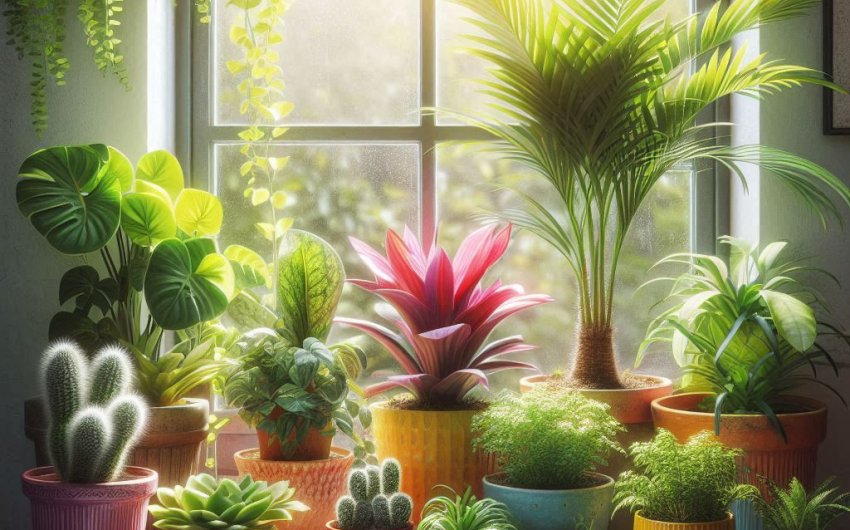
For cat owners, the desire to cultivate an indoor oasis often comes with the crucial question of pet safety. If you're searching for safe houseplants for cats, you'll be delighted to find a comprehensive list of non-toxic options that allow you to indulge your love for greenery without compromising your feline friend's well-being. Creating a verdant home environment where both plants and pets can coexist harmoniously is entirely achievable with careful selection and understanding.
Why Do Cats Chew on Houseplants?
It's a common sight for cat owners: a beloved feline batting at, sniffing, or even nibbling on a houseplant. Understanding why cats are drawn to houseplants is the first step in ensuring their safety and providing appropriate alternatives. It's often driven by natural instincts and a bit of curiosity.
What are the Instinctual Reasons?
Cats are naturally curious and playful creatures, and houseplants often tap into several of their innate behaviors.
- Curiosity and Play: The movement of leaves, the rustling sounds, and the varied textures of plants can be incredibly alluring to a cat. They might see plants as toys to bat at, climb, or stalk. A dangling leaf can easily resemble prey.
- Satisfying Chewing Urge: Just like humans, cats have an urge to chew. This can be for various reasons, including dental health (though less effective than specialized dental treats), stress relief, or simply boredom. Chewing on plants provides a unique texture and sensation.
- Source of Fiber: Some theories suggest cats chew on plants to introduce fiber into their diet, which can aid digestion or act as a natural emetic to help them regurgitate hairballs. This is why grass (like wheatgrass or oat grass) is often appealing to them.
- Thirst: In rare cases, a cat might nibble on a succulent plant to extract moisture, especially if they are not getting enough water from their regular supply.
Are Cats Drawn to Specific Plant Types?
While any plant might pique a cat's interest, certain characteristics can make a houseplant more appealing.
- Grassy Leaves: Plants with long, thin, grass-like leaves (e.g., spider plants, ferns, some palms) are particularly attractive as they mimic the texture and shape of grass that cats instinctively chew on outdoors.
- Dangling Foliage: Hanging plants with long, trailing vines or leaves that dangle at a cat's eye level become irresistible playthings.
- Scent: Some cats might be drawn to the particular scent of certain plants, although their primary attraction is usually visual and tactile.
What are the Risks of Toxic Plants?
The primary concern with cats chewing on houseplants is the potential for toxicity. Many common houseplants, while beautiful, contain compounds that can cause mild to severe health issues if ingested by cats.
- Mild Irritation: Some plants cause oral irritation, vomiting, or diarrhea.
- Moderate Toxicity: Others can lead to more serious symptoms like lethargy, excessive drooling, tremors, or difficulty breathing.
- Severe Toxicity/Fatal: A few plants are highly toxic and can cause organ damage, kidney failure, or even be fatal. Always assume any unknown plant is toxic and keep it out of reach until you can confirm its safety. When in doubt, it's safer to stick to non-toxic plants to ensure your feline friend's well-being.
What are the Safest Houseplants for Cats?
Creating a pet-friendly indoor garden starts with choosing non-toxic houseplants that pose no threat to your curious feline companions. Thankfully, many beautiful and easy-to-care-for options can safely adorn your home. This list focuses on popular and readily available choices confirmed to be safe for cats.
Classic and Easy-Care Options
These plants are widely available, forgiving, and well-known for their non-toxic properties.
- Spider Plant (Chlorophytum comosum): An extremely popular choice. Its long, arching leaves and dangling "spiderettes" (baby plants) are often irresistible to cats, making it a good "sacrificial" plant they can safely chew on. It's very easy to care for and adaptable to various light conditions. You can easily find spider plant starters online.
- Areca Palm (Dypsis lutescens): A tall, elegant palm that brings a tropical vibe. It's a great air purifier and completely safe for cats. Areca palms thrive in bright, indirect light.
- Boston Fern (Nephrolepis exaltata): A lush, feathery fern that adds a touch of classic greenery. It's non-toxic and enjoys high humidity. Boston fern plants are perfect for hanging baskets.
- Christmas Cactus (Schlumbergera bridgesii): A beautiful flowering succulent known for its vibrant blooms in winter. It's safe for cats and relatively easy to care for, requiring bright, indirect light and less water than many plants. Christmas cactus plants are a colorful choice.
- African Violet (Saintpaulia species): Small, charming plants with fuzzy leaves and colorful flowers. They are non-toxic to cats and ideal for tabletops or shelves. African violet plants are low-maintenance.
Flowering and Colorful Non-Toxic Options
You don't have to sacrifice color when choosing pet-safe plants.
- Orchids (Phalaenopsis Orchid): Most popular orchid varieties, especially the Phalaenopsis (moth orchid), are non-toxic to cats. Their elegant blooms add sophistication without risk. Phalaenopsis orchids are widely available.
- Friendship Plant (Pilea involucrata): Known for its attractive, textured, bronze-green leaves. It's a small, easy-to-grow plant that adds interesting foliage without being harmful.
- Lipstick Plant (Aeschynanthus radicans): A beautiful trailing plant with vibrant red, tubular flowers that resemble lipsticks emerging from tubes. It's non-toxic and great for hanging baskets. Lipstick plant live plants make a striking display.
- Prayer Plant (Maranta leuconeura): Famous for its decorative leaves that fold up at night, resembling praying hands. It's completely safe for cats and offers beautiful foliage patterns. Red Vein Prayer Plant is a popular variety.
Larger and Statement Non-Toxic Plants
For those looking to fill larger spaces, these non-toxic options can make a significant visual impact.
- Haworthia (Haworthia attenuata and other species): Small, spiky succulents that resemble miniature aloes. They are very hardy, safe, and add interesting texture. Haworthia succulent plants are low-maintenance.
- Ponytail Palm (Beaucarnea recurvata): A slow-growing, drought-tolerant plant with a swollen base and long, flowing leaves. It's a striking, pet-safe statement piece. Ponytail palm plants are resilient.
- Bamboo Palm (Chamaedorea seifrizii): Another elegant, clumping palm that is non-toxic to cats and dogs. It thrives in lower light conditions than Areca palms.
- Cast Iron Plant (Aspidistra elatior): True to its name, this plant is incredibly tough and tolerant of neglect and low light. It has broad, dark green leaves and is perfectly safe for pets.
What Plants Are Toxic to Cats and Should Be Avoided?
Equally as important as knowing safe houseplants for cats is being aware of which common indoor plants pose a significant threat. Many popular choices, while beautiful, contain compounds that can cause a range of symptoms from mild irritation to severe, life-threatening conditions if ingested by your feline friend. Always verify a plant's toxicity before bringing it into your home.
Highly Toxic Plants (Severe Symptoms/Potentially Fatal)
These plants pose a serious risk and should be strictly avoided in a home with cats.
- Lilies (Lilium species and Hemerocallis species, e.g., Easter lily, Tiger lily, Asiatic lily, Daylily): Extremely toxic. Even a small ingestion of any part of the plant, including pollen, can cause acute kidney failure, which is often fatal if not treated immediately.
- Sago Palm (Cycas revoluta): All parts of this plant are highly toxic, especially the seeds. Ingestion can cause severe vomiting, diarrhea, liver failure, and death.
- Oleander (Nerium oleander): All parts of this plant are extremely poisonous, affecting the heart and potentially causing fatal cardiac abnormalities. Often grown outdoors but sometimes brought indoors.
- Azalea and Rhododendron (Rhododendron species): Contain grayanotoxins that can cause vomiting, diarrhea, low blood pressure, coma, and even death.
- Castor Bean (Ricinus communis): Contains ricin, a highly potent toxin. Even a small amount of seeds can be fatal. Primarily an outdoor plant but sometimes grown as an ornamental.
Moderately Toxic Plants (Vomiting, Diarrhea, Oral Irritation)
These plants will typically cause gastrointestinal upset or irritation, but are generally not fatal. However, they should still be kept out of reach.
- Peace Lily (Spathiphyllum species) and Calla Lily (Zantedeschia aethiopica): Despite their names, these are not "true" lilies and cause oral irritation, burning, swelling of the mouth and throat, drooling, vomiting, and difficulty swallowing due to insoluble calcium oxalates.
- Philodendron (Philodendron species): Similar to Peace Lilies, contains insoluble calcium oxalates causing oral irritation, drooling, and vomiting.
- Pothos (Epipremnum aureum): Often called Devil's Ivy. Also contains insoluble calcium oxalates, causing similar symptoms to Philodendron. Pothos plants are very common.
- Dieffenbachia (Dieffenbachia species): Commonly known as Dumb Cane. Contains very high concentrations of insoluble calcium oxalates, causing intense oral pain, drooling, swelling of the tongue and throat, and difficulty breathing.
- Aloe Vera (Internal Latex): While the gel from the inner leaf is safe, the yellow latex (aloin) found just under the skin of the leaf can cause diarrhea, vomiting, and lethargy if ingested in large quantities by cats. The plant itself is not considered highly toxic but the latex can be problematic.
- Snake Plant (Sansevieria trifasciata): Also known as Mother-in-Law's Tongue. Contains saponins, which can cause mild to moderate gastrointestinal upset (nausea, vomiting, diarrhea). Snake plants are very popular.
- ZZ Plant (Zamioculcas zamiifolia): Similar to Snake Plant, contains calcium oxalates and can cause oral irritation, pain, and vomiting.
- Schefflera (Schefflera actinophylla): Contains calcium oxalates, causing similar symptoms to Philodendron.
- English Ivy (Hedera helix): Can cause vomiting, abdominal pain, diarrhea, and hyper-salivation. Often used in hanging baskets.
Holiday Plants to Avoid
Many festive holiday plants are beautiful but can be toxic to cats.
- Poinsettia (Euphorbia pulcherrima): Often rumored to be deadly, but usually causes only mild gastrointestinal irritation and oral irritation (vomiting, drooling). Still best to keep out of reach.
- Mistletoe (Phoradendron serotinum): Can cause gastrointestinal upset, but in large amounts, may lead to cardiovascular problems.
- Holly (Ilex opaca and other species): The berries and leaves can cause vomiting, diarrhea, and lethargy.
What to Do If Your Cat Ingests a Toxic Plant?
If you suspect your cat has ingested a toxic plant, act quickly.
- Remove any remaining plant material from your cat's mouth.
- Call your veterinarian or a pet poison control hotline immediately. (e.g., ASPCA Animal Poison Control Center: 888-426-4435 or Pet Poison Helpline: 855-764-7661 - note: these often charge a consultation fee).
- Identify the plant: If possible, have the plant's name ready, or take a picture of it.
- Do NOT induce vomiting unless instructed by a professional.
How Can You Discourage Cats from Chewing on Plants?
Even with safe houseplants for cats, some felines might still see them as irresistible playthings or snacks. Implementing strategies to deter chewing can help protect both your plants and your peace of mind, fostering a harmonious coexistence between your green companions and your furry friends.
Provide Acceptable Alternatives
Redirecting your cat's chewing instincts to appropriate outlets is often the most effective approach.
- Cat Grass: Grow a dedicated pot of cat grass seeds (typically wheatgrass, oat grass, or barley grass). Many cats prefer this over houseplants. Place it in an easily accessible location for them.
- Chew Toys: Offer a variety of chew-safe toys. Look for toys made from natural materials or those designed to be chewed.
- Enrichment: Ensure your cat has plenty of mental and physical stimulation through playtime, cat trees, and scratching posts. A bored cat is more likely to turn to your plants for entertainment.
Make Plants Less Appealing
You can make your houseplants less attractive to cats using various deterrents.
- Bitter Sprays: Commercial bitter apple sprays for cats or homemade solutions (diluted cayenne pepper, lemon juice, or vinegar) can be sprayed directly onto plant leaves. Cats dislike the taste, which can deter them. Reapply after watering.
- Foil or Pebbles in Pots: Covering the soil surface with aluminum foil or a layer of large decorative pebbles can deter cats from digging in the soil or using the pot as a litter box.
- Physical Barriers:
- Netting: Drape lightweight plant netting around plants to make them less accessible.
- Spiky Mats: Place spiky deterrent mats (designed for pets) around the base of plants or on shelves near them.
- Citrus Peels: Cats often dislike the scent of citrus. Place fresh lemon, orange, or lime peels in the soil around your plants. Replace them every few days as the scent fades.
Strategic Placement of Plants
Sometimes, simply putting plants out of reach is the easiest solution, even for safe houseplants for cats.
- High Shelves: Utilize high shelves, hanging baskets, or wall-mounted planters that your cat cannot easily access. Ensure shelves are sturdy and securely fastened.
- Terrariums or Enclosures: For very prized plants, consider placing them inside a decorative terrarium or a small, enclosed plant cabinet.
- Rooms Cats Don't Enter: Designate certain rooms as "cat-free zones" where you can keep more delicate or potentially toxic plants if absolutely necessary (though non-toxic is always best).
Training and Reinforcement
Positive reinforcement can help modify your cat's behavior.
- Redirection: Whenever you see your cat approaching a houseplant, gently redirect their attention to a cat-safe toy or their cat grass.
- Positive Reinforcement: Reward them with praise, treats, or playtime when they engage with appropriate toys or cat grass instead of your houseplants.
- Consistency: Be consistent with your chosen deterrence methods and redirection techniques for them to be effective.
By carefully selecting safe houseplants for cats and implementing these deterrent strategies, you can successfully cultivate a beautiful, green indoor environment that coexists harmoniously with your beloved feline companions, ensuring both their safety and your gardening enjoyment.