
Beginner-Friendly Houseplants: Easy to Care for and Enjoy
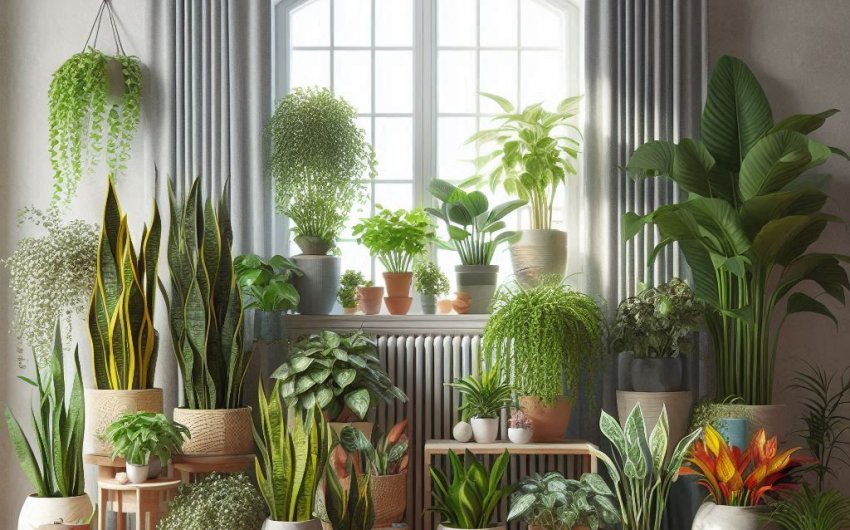
Embarking on the journey of indoor gardening can be incredibly rewarding, and selecting beginner-friendly houseplants is the perfect starting point. These resilient and forgiving green companions thrive even with minimal attention, making them ideal for those new to plant care or anyone with a busy schedule. This guide will highlight a variety of low-maintenance options that promise beauty and enjoyment without demanding expert-level horticulture skills.
Why Choose Beginner-Friendly Houseplants?
Starting with beginner-friendly houseplants sets you up for success and a more enjoyable plant parenting experience. These plants are incredibly forgiving, which means they can bounce back from small mistakes like forgetting to water or placing them in a less-than-perfect spot.
Reduced Stress
When you choose easy-care plants, you don't have to constantly worry about their well-being. They're more tolerant of inconsistent watering, varying light levels, and even a bit of neglect. This takes the pressure off new plant parents and helps build confidence.
Higher Success Rate
Easy-care plants are more likely to thrive, even for those without a green thumb. Seeing your plants grow and flourish is incredibly encouraging and makes you want to add more to your collection, rather than getting discouraged by plants that quickly decline.
Learning Opportunities
These plants provide a low-stakes way to learn the basics of plant care, such as how to tell when a plant needs water, what good lighting looks like, and how to spot early signs of trouble. You can learn from minor mistakes without losing a prized plant.
Instant Gratification
Many beginner-friendly plants are quite hardy and show noticeable growth relatively quickly. This provides instant gratification and reinforces the joy of having living greenery in your home.
Cost-Effective
Often, beginner-friendly houseplants are readily available and more affordable. This allows you to experiment with different types without a significant financial investment, making plant collecting accessible to everyone.
Air Purification Benefits
Many easy-care plants are also known for their ability to help purify indoor air, removing common toxins. So, not only are you adding beauty, but you're also creating a healthier living environment with minimal effort.
What Are Some Top Easy-Care Houseplants?
There's a fantastic variety of beginner-friendly houseplants that are known for their resilience and ability to thrive without constant fuss. These are excellent choices if you're looking for plants that are hard to kill and offer beautiful greenery.
Snake Plant (Sansevieria trifasciata)
The snake plant is practically indestructible, making it one of the most popular choices for new plant parents. It's famous for its upright, sword-like leaves that come in various patterns, often with yellow or silver edges.
- Light: Very tolerant. It can survive in very low light conditions, but it will grow faster and look its best in medium to bright indirect light. Avoid direct, harsh sunlight for long periods, which can scorch its leaves.
- Water: Infrequent. This is where most people go wrong – they overwater it. Allow the soil to dry out completely between waterings. In winter, you might only water once a month or less. When you do water, water thoroughly until it drains out the bottom.
- Soil: Well-draining. A standard potting mix for houseplants with good drainage is ideal. Adding perlite or sand can improve drainage further.
- Fertilizing: Rarely needed. Fertilize sparingly, if at all, during the growing season (spring/summer) with a balanced liquid houseplant fertilizer at half strength.
- Humidity: Not fussy. It tolerates average household humidity levels well.
- Special Tips: These plants are slow growers, but they will produce "pups" (new baby plants) from the base, which you can separate and pot up. Their tough leaves make them resistant to most pests.
ZZ Plant (Zamioculcas zamiifolia)
The ZZ plant is another incredibly hardy option, known for its shiny, dark green, waxy leaves that grow on thick stems. It's often mistaken for a fake plant because it looks so perfect and requires so little!
- Light: Very tolerant. It thrives in medium to low indirect light and can even tolerate very low light conditions, although growth will be slower. Direct sun can burn its leaves.
- Water: Infrequent. The ZZ plant stores water in its thick rhizomes (underground stems), making it very drought-tolerant. Allow the soil to dry out completely between waterings, and then wait a bit longer! Overwatering is its biggest enemy and can lead to root rot. When in doubt, wait.
- Soil: Very well-draining. A chunky, airy cactus and succulent potting mix is perfect.
- Fertilizing: Rarely needed. Fertilize once or twice during the growing season with a diluted general houseplant fertilizer.
- Humidity: Not an issue. It does fine in average household humidity.
- Special Tips: The rhizomes look like potatoes at the base of the plant. If they feel soft or mushy, you are overwatering. The ZZ plant is an excellent air purifier.
Pothos (Epipremnum aureum)
Pothos, often called "Devil's Ivy," is a classic for a reason. Its heart-shaped leaves, available in various shades of green, yellow, and white variegation, are beautiful, and it's incredibly forgiving. It's a vining plant that looks great in hanging baskets or trailing from shelves.
- Light: Adaptable. It prefers medium to bright indirect light but can tolerate low light conditions (though variegation may fade). Avoid direct sun, which can scorch its leaves.
- Water: Moderate. Water when the top 1-2 inches of soil feel dry. It's generally better to underwater slightly than overwater. Yellow leaves often signal overwatering; crispy, brown leaves usually mean underwatering.
- Soil: Standard well-draining potting mix.
- Fertilizing: Every 2-4 weeks during the growing season (spring/summer) with a balanced liquid houseplant food diluted to half strength. Less in winter.
- Humidity: Tolerates average humidity but appreciates higher levels, which can be achieved with occasional misting or a pebble tray.
- Special Tips: Pothos is incredibly easy to propagate from stem cuttings. Just snip a piece with a few leaves and a node (where a leaf meets the stem) and place it in water or moist soil. It's also an excellent air purifier.
Spider Plant (Chlorophytum comosum)
Spider plants are a popular choice due to their unique arching foliage and their ability to produce "spiderettes" or "plantlets" that dangle from the mother plant, making them great for hanging baskets. They're very tolerant of neglect.
- Light: Prefers bright to medium indirect light. It can tolerate lower light, but growth may be slower and plantlets less abundant. Avoid direct sunlight.
- Water: Moderate. Water when the top inch or two of soil feels dry. They prefer consistently moist soil but don't like to sit in soggy conditions. Tap water high in fluoride can cause brown tips; using distilled or rainwater, or letting tap water sit out overnight, can help.
- Soil: Well-draining potting mix.
- Fertilizing: During spring and summer, fertilize every 2-4 weeks with a balanced liquid houseplant fertilizer diluted to half strength. Reduce in fall and winter.
- Humidity: Prefers average to high humidity, but tolerates typical household levels. Misting can be beneficial.
- Special Tips: The spiderettes are easy to root in water or soil and make great gifts. These plants are known for their air-purifying qualities.
Peace Lily (Spathiphyllum)
Peace lilies are beautiful, graceful plants known for their elegant white "flowers" (which are actually modified leaves called spathes) and glossy green leaves. Despite their sophisticated look, they are surprisingly easy to care for and very forgiving.
- Light: Adaptable. They prefer medium to low indirect light. Direct sunlight can scorch their leaves and turn the spathes green. Low light might result in fewer flowers.
- Water: Moderate to frequent. Peace lilies are very dramatic; they will visibly droop when they need water, making it easy to know when to water. Once watered, they perk right back up. Aim to water when the top inch of soil feels dry. Ensure good drainage.
- Soil: Standard well-draining houseplant potting mix.
- Fertilizing: Fertilize every 6-8 weeks during the growing season (spring/summer) with a balanced liquid houseplant fertilizer at half strength. Over-fertilizing can cause brown leaf tips.
- Humidity: Prefers higher humidity. Brown leaf tips can indicate low humidity. Misting, a pebble tray, or placing near a humidifier can help.
- Special Tips: Peace lilies are excellent at purifying indoor air. If your plant isn't flowering, it might need slightly more light or a little more fertilizer.
Choosing any of these beginner-friendly houseplants will give you a great start to enjoying the many benefits of indoor plants with minimal fuss.
What are the Golden Rules for Easy Houseplant Care?
Even with beginner-friendly houseplants, understanding a few fundamental principles of plant care will ensure their continued health and vibrancy. These "golden rules" apply to most indoor plants and will serve you well as you grow your collection.
1. Don't Overwater
This is the number one killer of houseplants, even easy ones. More plants die from too much water than too little.
- Feel the Soil: Before watering, stick your finger about 1-2 inches deep into the soil. If it feels moist, wait. If it feels dry, it's time to water.
- Drainage is Key: Always use pots with drainage holes. If your decorative pot doesn't have holes, place the plant in a nursery pot with holes inside the decorative pot.
- Water Thoroughly: When you do water, water until water flows out the drainage holes. This ensures all the roots get a drink and flushes out built-up salts.
- Empty Saucer: Don't let your plant sit in standing water in its saucer, as this can lead to root rot. Dump out any excess water about 15-30 minutes after watering.
- Adjust Seasonally: Plants need less water in winter when growth slows down and light is lower.
2. Provide Adequate Light
While "low light tolerant" doesn't mean "no light," every plant needs some light to survive.
- Know Your Plant's Needs: Research the specific light requirements for each plant.
- Bright Indirect Light: Near a window but not in direct sun (e.g., a few feet from a south- or west-facing window, or near an east-facing window). This is ideal for most houseplants.
- Medium Light: A bit further from a window, or in a room with a decent window.
- Low Light: A darker corner, or in a room with only small windows.
- Rotate Your Plant: Turn your plant every week or two so all sides get light, encouraging even growth.
- Watch for Signs: Leggy, stretched growth with small leaves means not enough light. Scorched, faded, or crispy leaves often mean too much direct light.
3. Use the Right Potting Mix
The soil your plant lives in is crucial for root health.
- Avoid Garden Soil: Never use soil from your outdoor garden in pots. It's too dense, can compact easily, contains outdoor pests, and doesn't drain well indoors.
- Choose High-Quality Potting Mix: Use a well-draining potting mix specifically designed for houseplants. Many include ingredients like peat moss, perlite, or vermiculite to ensure good drainage and aeration.
- Specialty Mixes: Some plants, like cacti and succulents, need even faster drainage, so opt for a cactus and succulent mix for them.
4. Understand Fertilizing (Less is More)
Most beginner-friendly houseplants don't need a lot of fertilizer, especially when they're first brought home.
- Only During Growing Season: Fertilize only during the active growing season (typically spring and summer) when the plant is actively putting out new growth.
- Dilute: Always dilute liquid fertilizers to half or even quarter strength. Over-fertilizing can burn roots.
- Frequency: Most easy-care plants only need fertilizing every 2-4 weeks, or even less frequently (once a month or every other month). Some, like Snake Plants and ZZ Plants, barely need any at all. A balanced liquid houseplant fertilizer is generally a good choice.
- No Fertilizer for Stressed Plants: Never fertilize a plant that is stressed, sick, or dormant.
5. Consider Humidity (Especially in Dry Homes)
Many popular houseplants come from tropical regions and appreciate some humidity.
- Signs of Low Humidity: Brown, crispy leaf tips, or overall droopiness.
- Increase Humidity:
- Misting: Lightly misting the leaves with a plant mister can offer temporary relief, but it's not a long-term solution.
- Pebble Tray: Place the pot on a saucer filled with pebbles and water. The evaporating water increases humidity around the plant. Make sure the bottom of the pot doesn't sit in the water.
- Group Plants: Plants release moisture through their leaves, so grouping them together can create a mini-humid environment.
- Humidifier: For very dry homes, a small room humidifier is the most effective solution.
By following these fundamental rules, even your most beginner-friendly houseplants will thrive, rewarding you with lush foliage and growth.
When Should You Repot Your Houseplant?
Repotting is a necessary part of houseplant care, but knowing when and how to do it without stressing your plant is key. For beginner-friendly houseplants, it's usually less frequent, giving you one less thing to worry about.
Signs Your Plant Needs Repotting
Your plant will usually tell you when it's outgrown its home. Look for these common indicators:
- Roots Growing Out of Drainage Holes: This is the clearest sign. If you see roots peeking out from the bottom of the pot, your plant is root-bound and needs more space.
- Roots Circling the Top of the Soil: If you see a dense mat of roots on the surface of the soil, or if the plant's roots are forming a tight circle around the inside of the pot when you gently slide it out, it's time for an upgrade.
- Plant is Top-Heavy and Tipping Over: As a plant grows larger, it can become unstable in a pot that's too small to anchor it properly.
- Water Runs Straight Through: If water drains immediately out of the pot without seeming to moisten the soil, it means the roots have taken up too much space, and there isn't enough soil left to hold water.
- Slowed Growth or Stunted Appearance: If your plant's growth has significantly slowed or stopped, or it looks generally unhealthy despite proper watering and light, it might be due to lack of root space and nutrients.
- Salts Build-up: You might see a white or yellowish crust on the soil surface or around the rim of the pot. This is mineral salt buildup from water and fertilizer, and a fresh potting mix can help.
When is the Best Time to Repot?
The ideal time to repot most houseplants is during their active growing season.
- Spring or Early Summer: This is generally the best time because plants are actively growing and can recover quickly from the stress of repotting. They have the energy to establish new roots in their larger home.
- Avoid Dormancy: Do not repot in fall or winter when most plants are dormant or growing slowly. The plant won't have enough energy to recover, which can lead to stress or even death.
- Don't Over-Repot: Remember, beginner-friendly houseplants often don't need repotting every year. Some plants (like Snake Plants or ZZ Plants) even prefer to be a bit root-bound and might only need repotting every 2-3 years, or even longer.
How to Repot Your Plant
- Choose the Right Pot: Select a new pot that is only one size larger (e.g., from a 6-inch pot to an 8-inch pot). Going too large can lead to overwatering because the excess soil holds too much moisture, potentially causing root rot. Always ensure the new pot has drainage holes. A plastic nursery pot is often best to place inside a decorative outer pot.
- Gather Supplies: Have your new pot, fresh, high-quality potting mix, a small trowel or spoon, and a watering can ready.
- Prepare the New Pot: Add a layer of fresh potting mix to the bottom of the new pot.
- Remove the Plant: Gently tip the old pot on its side and carefully slide the plant out. If it's stuck, you might need to tap the sides of the pot or use a knife around the rim.
- Loosen Roots: Gently tease apart some of the outer roots at the bottom and sides of the root ball. This encourages them to grow outwards into the new soil. Don't worry if you break a few small ones.
- Place the Plant: Center the plant in the new pot, ensuring the top of the root ball is at the same level as it was in the old pot, usually about an inch or two below the rim of the new pot.
- Add Soil: Fill around the root ball with fresh potting mix, gently tamping it down to remove large air pockets, but don't compact it too tightly.
- Water Thoroughly: Water the newly repotted plant deeply until water drains from the bottom. This helps the new soil settle around the roots.
- Allow Recovery: Place the repotted plant back in its usual spot. It might experience a bit of "transplant shock" and look a little droopy for a few days, which is normal. Avoid fertilizing for about a month after repotting to allow the roots to settle.
By knowing when and how to repot, you're giving your beginner-friendly houseplants the space they need to continue growing and thriving in your home.
How Can You Keep Pests Away from Your Houseplants?
Even beginner-friendly houseplants can occasionally encounter pests, but catching them early and knowing how to treat them can prevent major infestations. A little vigilance goes a long way in keeping your green companions healthy.
Common Houseplant Pests
- Spider Mites: Tiny, almost invisible mites that create fine webbing on leaves, usually on the undersides. Leaves may look speckled, dusty, or turn yellow. They thrive in dry conditions.
- Mealybugs: Small, white, cottony insects found in leaf axils (where leaves meet stems) or along stems. They suck plant sap, leading to stunted growth.
- Aphids: Small, pear-shaped insects, usually green, black, or white, that cluster on new growth and leaf undersides. They also suck sap and can excrete a sticky substance called honeydew.
- Fungus Gnats: Small, dark, mosquito-like flies that fly around plants. Their larvae live in moist soil and feed on organic matter or tender roots, especially a problem for seedlings. They are a sign of consistently wet soil.
- Scale Insects: Small, hard-shelled bumps (often brown or black) that attach firmly to stems and leaves, looking like tiny barnacles. They also suck sap.
Prevention is Key
The best way to deal with pests is to prevent them from taking hold in the first place.
- Inspect New Plants: Before bringing any new plant into your home, thoroughly inspect it for signs of pests. Check under leaves, in leaf axils, and around the soil line. Isolate new plants for a few weeks if possible.
- Quarantine Infested Plants: If you discover pests on one plant, immediately move it away from your other plants to prevent the infestation from spreading.
- Good Air Circulation: Pests like spider mites thrive in stagnant, dry air. Good air circulation can help deter them.
- Avoid Overwatering: Fungus gnats love consistently wet soil. Allowing the top inch or two of soil to dry out between waterings helps break their life cycle.
- Cleanliness: Regularly wipe down leaves with a damp cloth to remove dust and disrupt any developing pest colonies. This also helps plants absorb more light.
- Healthy Plants are Resistant: A healthy, thriving plant is less susceptible to pest damage. Follow the golden rules of watering, light, and proper soil.
How to Treat Houseplant Pests
If you do find pests, act quickly. Start with the least invasive methods first.
Manual Removal:
- Wipe Them Off: For mealybugs, aphids, or scale, use a cotton swab dipped in rubbing alcohol to gently wipe them off. For mealybugs, their white cottony substance will easily come off.
- Rinse: For spider mites or aphids, take the plant to a sink or shower and thoroughly spray the leaves (especially undersides) with a strong stream of water.
- Prune: For heavily infested leaves or stems, it's sometimes best to simply prune them off and discard them (not in your compost).
Insecticidal Soap:
- Description: A gentle, non-toxic option that suffocates soft-bodied insects. You can buy ready-to-use insecticidal soap spray or make your own by mixing 1-2 teaspoons of mild liquid dish soap (like Dawn) with 1 liter of water.
- Application: Spray all affected areas, including undersides of leaves, until thoroughly wet. Repeat every 5-7 days for several weeks to catch newly hatched pests. Always do a small test spray on a leaf first to ensure it doesn't harm the plant.
Neem Oil:
- Description: A natural, organic pesticide derived from the neem tree. It works as an anti-feedant, growth disruptor, and suffocant for a wide range of pests. You can buy concentrated neem oil and mix it with water and a tiny bit of mild soap (as an emulsifier).
- Application: Spray thoroughly, covering all leaf surfaces. Apply in the evening to avoid leaf burn, as it can react with sunlight. Repeat every 7-10 days until pests are gone. Neem oil also has some fungicidal properties.
Sticky Traps (for Flying Insects):
- Description: Yellow sticky traps can help monitor and reduce populations of flying insects like fungus gnats.
- Application: Place them near the base of the plant or stick them directly into the soil.
Remember, persistence is key when dealing with pests. A single treatment is rarely enough. Consistent, repeated applications of your chosen method will eventually break the pest life cycle and keep your beginner-friendly houseplants thriving.